
Community Health Worker

Courses with keyword "Community Health Worker"

Oral Health: An Important Component of Overall Health and Wellbeing

As a CHW, what can you do to support the oral health of the individuals you serve?

 Vermont Department of Health Logo
  Community Health Workers of Vermont Logo                       


Register

Course Information

  • Audience: Community health workers (or similar roles), patient navigators, health educators
  • Format: Webinar
  • Date/Time: Thursday, May 18th 2023 12:00 PM – 1:00 PM EST.
  • Price: Free
  • Length: 1 hour
  • Credential(s) eligible for contact hours: Sponsored by New England Public Health Training Center (NEPHTC), a designated provider of continuing education contact hours (CECH) in health education by the National Commission for Health Education Credentialing, Inc. This program is designated for Certified Health Education Specialists (CHES) and/or Master Certified Health Education Specialists (MCHES) to receive up to 1 total Category I continuing education contact hours. Maximum advanced-level continuing education contact hours are 0. Provider ID: 1131137 Event ID:  PM1131137_05182023.
    If you are not seeking a CHES/MCHES contact hours, if you complete the post-test and evaluation, you will receive a Certificate of Completion. The Certificate will include the length of the course.
  • Competencies: Community Partnership Skills
  • Learning Level: Awareness
  • Companion Trainings: MCD Global Health Chronic Conditions Trainings: Free to Vermont Community Health Workers until June 30, 2023: To learn more or enroll, visit: https://chwtraining.mcdph.org
    Smiles for Life: 
    https://www.nephtc.org/mod/url/view.php?id=4472
  • Pre-requisites: None
  • Supplemental Materials: PowerPoint

About this Webinar

Oral health is an essential part of overall health and wellbeing. Poor oral health has a negative impact on quality of life and is linked to chronic conditions, including stroke, heart and lung disease, and diabetes. In addition, poor oral health can be stigmatizing, which negatively affects mental health and may contribute toward socioeconomic disparities. Community health workers are well poised to support oral health education and access to care in their roles. Join this webinar to learn about how CHWs can help improve the oral health of people they serve. 


What you'll learn

At the end of the webinar, participants will be able to:

  • Discuss the relationship between oral health and overall health.
  • List oral health resources available for individuals served by CHW in Vermont.
  • Explore opportunities to integrate oral health care into CHW role.


Subject Matter Experts
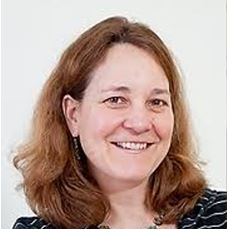
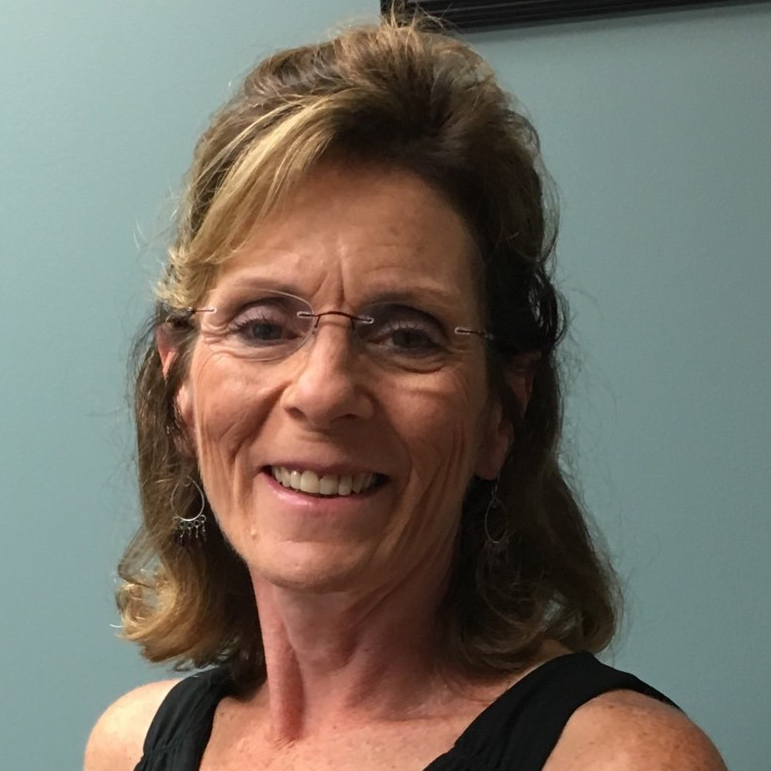
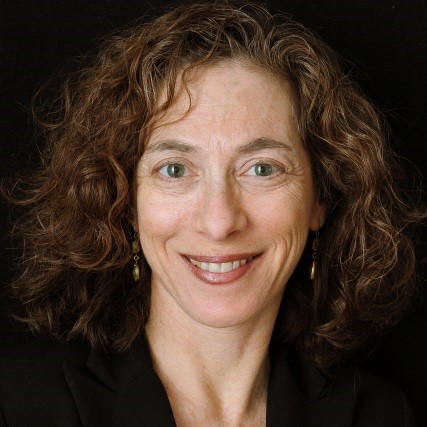
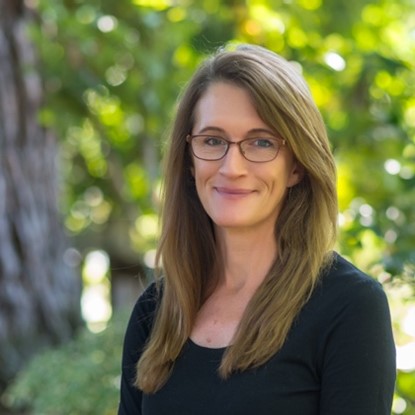
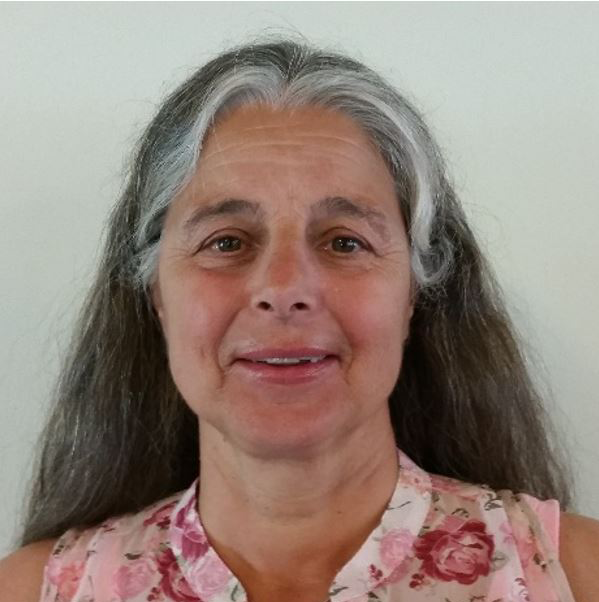
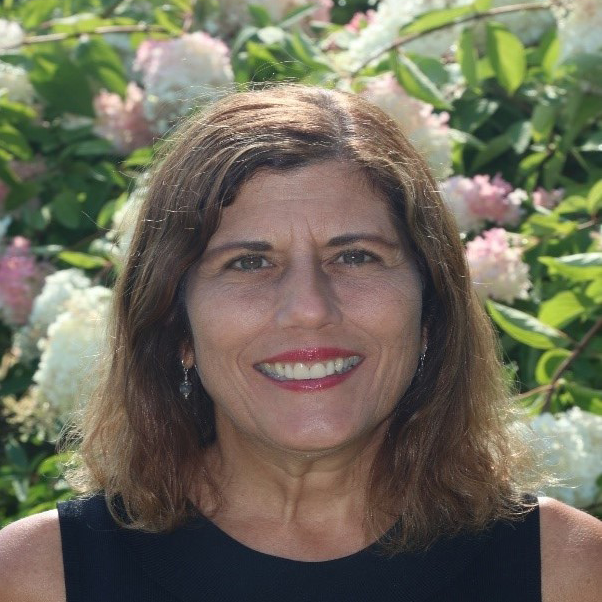
  • Robin Miller

    Robin Miller
    RDH, MPH 

  • Robin Miller, RDH, MPH, has been employed by the Vermont Department of Health’s Office of Oral Health since 1998. She began her career with the State as a Dental Health Educator and was promoted to Oral Health Director in 2015. Robin serves as Secretary on the Executive Board of the Association of State and Territorial Dental Directors and is the chairperson of the ASTDD’s Basic Screening Survey Community of Practice. In addition to her work with ASTDD, she is a former board member and current member of the Vermont Public Health Association and was the 2016 recipient of the VT Dental Hygienists’ Association Outstanding Dental Hygienist award.

  • Debora Teixeira

    Debora Teixeira 


  • Debora Teixeira received a degree in Dentistry from the University of São Paulo, Brazil, and a Master of Education focusing on Adult Education and Public Health from the University of Vermont. Prior to relocating to the United States, she worked for 12 years as a Public Health Dentist for the São Paulo State Health Department, providing dental care and oral health education primarily to underserved children and adults in community health centers and public schools. In addition, Debora has worked in private practice and taught Oral Diagnosis to first-year dental students. Currently, Debora works for the Vermont Department of Health, where she serves as the Oral Health Systems Administrator and as the 802 Smiles Network of School Dental Health Programs Coordinator.

  • Burt Edelstein

    Burt Edelstein


  • Burton L. Edelstein DDS MPH, Columbia University Professor Emeritus of dentistry and public health, is a pediatric dentist who has dedicated his clinical, research, teaching, and advocacy career to improving the oral health of socially disadvantaged children. Edelstein practiced in Connecticut for 21 years before engaging full time in pediatric oral health policy as Congressional Health Aide to the US Senate Minority Leader, Commissioner of the federal Medicaid and CHIP Payment and Access Commission (MACPAC), Founder of the DC-based Children’s Dental Health Project, and Chair of Population Oral Health at Columbia. Since 2008, Edelstein and his team have been awarded over $9M to develop and test a novel pediatric dental caries prevention and disease management program called MySmileBuddy. The MySmileBuddy Program and its educational technology supports value-based care and interdisciplinary delivery models, addresses social determinants of health, builds on established cariology science and behavior-change theory, and holds promise to enhance oral health equity through early intervention and redistribution of resources. Edelstein is a graduate of SUNY Binghamton, SUNY Buffalo dental school, and the Harvard School of Public Health. He trained at SUNY Upstate Medical Center and Boston Children’s Hospital. His work has been nationally recognized by associations of pediatric (AAPD) and public health dentistry (ASTDD, AAPHD, MSDA), dental students (ASDA), dental societies (ACD, ICD, CDS, CSDA), the dental research community (FNIDCR), foundations (Shils, NYSDAF, OHA) and educators (Maryland, Harvard, Columbia, ADEA).


    Registration

    Select the Enroll Me button below to register for this recording. If you have any trouble accessing the recording, contact support@nephtc.org.


    Acknowledgement:
    This project is supported by the Health Resources and Services Administration (HRSA) of the U.S. Department of Health and Human Services (HHS) as part of award 2 UB6HP31685‐05‐00 “Public Health Training Centers.” The contents are those of the author(s) and do not necessarily represent the official views of, nor an endorsement, by HRSA, HHS or the U.S. Government.


Category: Chronic Disease

Course Information

  • Audience: Public health professionals, program managers, people working in providers and community services, behavioral health, mental health
  • Format: Online Facebook Live interview series
  • Date/Time: FBLive Interview 1 - Tues, Feb 19, 2019, 12:00 ET
    FBLive Interview 2 - Tues, Mar 5, 2019, 12:00 ET
    FBLive Interview 3 - Tues, Mar 19, 2019, 12:00 ET
  • Price: Free
  • Length: 3 part series - 30-45 minutes each
  • Credential(s) eligible for contact hours: Certificate of completion
  • Competencies: Health Equity Skills
  • Learning Level: Awareness
  • Companion Trainings: None
  • Supplemental materials: None
  • Pre-requisites: None


About this Facebook Live Series

Join us for 3 Facebook live discussions about the state of men's wellbeing today. How can a greater understanding of what men face help us shape a more compassionate care delivery system and help men feel less isolated? What do we need to know about men to help them live better, healthier lives?


What you'll learn:

At the end of the course, participants will be able to:

Facebook Live Event 1 - Men’s Health & Wellness Today

  • Describe how men live in an environment of risk
  • Learn how isolation and loneliness can lead to an increase in self-harm and violence
  • Discuss the large increase in male suicide since 1999 reported by the CDC

Facebook Live Event 2 - Mapping the Future

  • Describe the primary cultural differences that affect how men approach health and wellness
  • Discuss how important it is to move beyond the distraction of the gender debate, shaping care delivery that is compassionate and reflective of how men approach care.
  • Learn from examples of how these forces can lead to better health and better access to health care

Facebook Live Event 3 - How Can We Better Support Men to Seek Care

  • Describe how communities can question the cultural view that showing vulnerability poses an unwelcome risk
  • List 3 things providers of services can do to make care more acceptable to men
  • Name 4 principles to help men as they seek care


Subject Matter Expert


  • Stephen R. Andrew
    LCSW, LADC, CCS, CGP

  • Co-author of Game Plan: A Man's Guide to Achieving Emotional Fitness, CEO of Health Education & Training Institute. He maintains a compassion-focused private practice in Portland, Maine (USA) where he also facilitates a variety of men’s, co-ed, couples, and caregiver groups. Stephen has been a member of the International Motivational Interviewing Network of Trainers (MINT) since 2003 as well as a MIA-STEP (Motivational Interviewing Assessment; Supervisor Tools for Enhancing Proficiency) trainer for the New England ATTC. Stephen has been MITI trained and has over 100 hours of training in Motivational Interviewing. He provides coaching and training domestically and internationally (Singapore, China, Iceland, Holland, Sweden, Poland, Turkey, & UK) for social service agencies, health care providers, substance abuse counselors, criminal justice, and other groups on Motivational Interviewing, addiction, co-occurring disorders, counseling theory, “challenging” adolescents, supervision, ethics for caring services professionals, men’s work, and the power of group work. Stephen also oversees our MITI Coding and coaching lab.


    Registration and Contact Hours

    Select the Enroll button below to register for this webinar. If you have any trouble accessing the webinar, contact trainingmanager@nephtc.org.

    The Certificate of Completion will include the length of the webinar. Generally 50 – 60 minutes is equivalent to 1 contact hour. Contact hours may be applicable towards continuing education requirements for certain credentials. Check with your credentialing body to verify if the topic meets its continuing education requirements.

Category: Chronic Disease

Course Information

  • Audience: Community health workers, CHW supervisors, Community Health Centers
  • Format: Webinar
  • Date/Time: Thursday, January 25, 2018
    09:00-10:00 AM
  • Price: Free
  • Length: 1 hour
  • Credential(s) eligible for contact hours Certificate of completion
  • Competencies: Public Health Science Skills
  • Learning Level: Awareness
  • Companion trainings:Role of Community Health Workers in the Prevention of Diabetes Part 2 (Friday, February 2, 2018, 1:00-2:00 pm ET)
  • Supplemental materials: PowerPoint
  • Pre-requisites: None

About this Webinar

This is a two-part, interactive webinar.

Part 1: Thursday, January 25, 2018, 09:00 - 10:00 am ET

Part 2: Friday, February 2, 2018, 1:00-2:00 pm ET

Community health workers play an important role in the prevention and treatment of diabetes.  Learn the basics of diabetes with a focus on prevention and see how CHW's are making a difference.


What you'll learn

At the end of the course, participants will be able to:

  • Describe 2 types of diabetes
  • List 3 risk factors for diabetes
  • State 3 types of prevention activities
  • List 2 prevention programs

Subject Matter Expert


Registration and Contact Hours

Select the Enroll button below to register for this webinar. If you have any trouble accessing the webinar, contact trainingmanager@nephtc.org.

The Certificate of Completion will include the length of the webinar. Generally 50 – 60 minutes is equivalent to 1 contact hour. Contact hours may be applicable towards continuing education requirements for certain credentials. Check with your credentialing body to verify if the topic meets its continuing education requirements.

Category: Chronic Disease

Course Information

  • Audience: Community health workers, CHW supervisors, Community Health Centers
  • Format: Webinar
  • Date/Time: Friday, February 2, 2018
    01:00-02:00 PM
  • Price: Free
  • Length: 1 hour
  • Credential(s) eligible for contact hours: Certificate of completion
  • Competencies: Public Health Science Skills
  • Learning Level: Awareness
  • Companion trainings:The Role of CHWs in Chronic Disease Self-Management - Diabetes Part I
  • Supplemental materials: PowerPoint
  • Pre-requisites: None

About this Webinar

This is Part 2 of a two-part, interactive webinar.  This webinar covers the the important role of community health workers in the prevention and treatment of diabetes. 


Click here to access the archived version of Part 1 of the webinar

What you'll learn

At the end of the course, participants will be able to:

  • Describe 2 types of diabetes
  • List 3 risk factors for diabetes
  • State 3 types of prevention activities
  • List 2 prevention programs

Subject Matter Expert


Registration and Contact Hours

Select the Enroll button below to register for this webinar. If you have any trouble accessing the webinar, contact trainingmanager@nephtc.org.

The Certificate of Completion will include the length of the webinar. Generally 50 – 60 minutes is equivalent to 1 contact hour. Contact hours may be applicable towards continuing education requirements for certain credentials. Check with your credentialing body to verify if the topic meets its continuing education requirements.

Category: Chronic Disease

Understanding and Addressing Hypertension as a Community Health Worker


Did you know…

  • About 108 million American adults (1 in every 2) have hypertension

 Vermont Department of Health Logo
     You First Logo  Community Health Workers of Vermont Logo                       


Register

Course Information

  • Audience: Community health workers (or similar roles), patient navigators, health educators
  • Format: Webinar
  • Date/Time: Thursday, April 20th 2023 12:00 PM – 1:00 PM EST.
  • Price: Free
  • Length: 1 hour
  • Credential(s) eligible for contact hours: Sponsored by New England Public Health Training Center (NEPHTC), a designated provider of continuing education contact hours (CECH) in health education by the National Commission for Health Education Credentialing, Inc. This program is designated for Certified Health Education Specialists (CHES) and/or Master Certified Health Education Specialists (MCHES) to receive up to 1 total Category I continuing education contact hours. Maximum advanced-level continuing education contact hours are 0. Provider ID: 1131137 Event ID: PM1131137_04202023.
    If you are not seeking a CHES/MCHES contact hours, if you complete the post-test and evaluation, you will receive a Certificate of Completion. The Certificate will include the length of the course.
  • Competencies: Community Partnership Skills
  • Learning Level: Awareness
  • Companion Trainings: MCD Global Health Chronic Conditions Trainings: Free to Vermont Community Health Workers until June 30, 2023: To learn more or enroll, visit: https://chwtraining.mcdph.org
  • Pre-requisites: None
  • Supplemental Materials: PowerPoint

About this Webinar

Hypertension is a medical condition, also known as high blood pressure, which can increase the risk for serious conditions such as heart disease and stroke, two leading causes of death for people in the United States. Community Health Workers (CHWs) are uniquely qualified to improve health outcomes among individuals diagnosed with hypertension and support at-risk individuals to prevent the development of the condition. The purpose of this webinar is to outline the role of CHWs in addressing hypertension self-management and prevention in their communities while showcasing a Vermont CHW program.


What you'll learn

At the end of the webinar, participants will be able to:

  • Demonstrate an understanding of hypertension
  • Identify risk factors and symptoms associated with hypertension
  • Discuss the rate of Vermonters with hypertension and heart disease
  • Explain the CHW role in addressing hypertension


Subject Matter Experts

  • Rudy Fedrizzi

    Rudolph (Rudy) Fedrizzi 
    MD

  • Rudolph (Rudy) Fedrizzi, MD is the Public Health Services District Director for the White River Junction Office of Local Health (OLH) in the VT Department of Health. He received his Medical Degree from Washington University School of Medicine in St. Louis, MO and completed his Residency in Obstetrics and Gynecology from Vanderbilt University Medical Center in Nashville, TN. He holds medical licenses in VT and NH. Dr. Fedrizzi previously practiced Obstetrics and Gynecology. His past administrative and clinical experience includes Chief of OB-GYN Services and training as a flight surgeon at Luke Air Force Base Hospital in Glendale, AZ and Medical Director of the Northern New Mexico Women’s Health and Birth Center in Taos, New Mexico. Dr. Fedrizzi relocated to New Hampshire in the fall of 2009 and in early 2010 assumed the non-clinical role of Director of Clinical Integration in the Center for Population Health at Cheshire Medical Center/Dartmouth-Hitchcock, a community hospital and multi-specialty physician practice located in Keene, NH. In that role he took the lead in organizing integration efforts that purposefully and proactively link clinical services with community health partners and resources. He served as a core member of the Healthy Monadnock Initiative project team that ensured continuing progress on the goal of the Initiative to make the Monadnock Region of southwestern NH the healthiest community in the nation. He also served as a member of Cheshire Medical Center’s Accountable Care Organization Leadership Team and chaired the organization’s Research Committee helping to facilitate collaborative research efforts involving the medical campus and academic partners. Currently, he is Chair of the Leadership Council of the Dartmouth Center for Advancing Rural Health Equity, Chair of the Upper Valley Medical Reserve Corps Advisory Board, Immediate past-President of the Public Health Council of the Upper Valley Board, Vice President of the Southern NH AHEC Board, and a member of the Twin Pines Housing Trust Board and the Rotary Club of Lebanon, NH Charities Board. He is a member of the American Public Health Association.

  • Jennifer Woolard

    Jennifer Woolard
    BS, MPH

  • Jennifer Woolard, BS, MPH: Jennifer Woolard is the Public Health Program Administrator with the Vermont Department of Health (VDH) Heart Disease and Diabetes Program. She holds a master’s in public health and a bachelor’s in nutrition and has more than ten years of public health experience. Her roles have spanned across various settings, including work with schools, towns, community organizations, health systems, and statewide partners, all aimed at reducing the burden of disease. Over the last five years, Jennifer has worked with community and clinical partners to address system level interventions in support of the prevention and management of heart disease and diabetes. Part of Jennifer’s work has also centered on the development of a formal statewide infrastructure to support and sustain Community Health Workers in Vermont.

  • Justin Pentenrieder

    Justin Pentenrieder
    MSSc

  • Justin Pentenrieder serves as the program manager for the Vermont Department of Health’s You First program, which provides breast and cervical cancer screening as well as cardiovascular risk disease prevention to low- and middle-income Vermonters. Justin has worked to reduce the burden of cancer and chronic disease in Vermont for over 10 years. Additionally, Justin serves on the UVM Cancer Center Community Advisory Board and as the co-chair of Vermonters Taking Action Against Cancer (VTAAC).

  • Sasha Rosen

    Sasha Rosen
    CHW

  • Sasha Rosen is a Community Health Worker and Educator at the Community Health Centers of Burlington (CHCB). She is also currently pursuing her Master of Public Health at the University of Vermont. Her career has been shaped by her dedication to improving health equity in Vermont and her passion for preventative healthcare. She has previously worked as a case manager for housing insecure individuals during the pandemic and has helped author the Rutland County Community Health Needs Assessment. Sasha is a strong believer that the health of the environment and humans are intimately intertwined; in order to achieve heart health, we must prioritize the health of our planet.


    Registration

    Select the Enroll Me button below to register for this recording. If you have any trouble accessing the recording, contact support@nephtc.org.


    Acknowledgement:
    This project is supported by the Health Resources and Services Administration (HRSA) of the U.S. Department of Health and Human Services (HHS) as part of award 2 UB6HP31685‐05‐00 “Public Health Training Centers.” The contents are those of the author(s) and do not necessarily represent the official views of, nor an endorsement, by HRSA, HHS or the U.S. Government.

Category: Chronic Disease

Course Information

  • Audience: Public health professionals and project managers, non-profit organizations
  • Format: Online Webinar
  • Date/Time:

    Monday, July 16, 2018
    12:00-1:00 PM

  • Price: Free
  • Length: 1 Webinar Session, 1 hour
  • Credential(s) eligible for contact hours: Certificate of completion
  • Competencies: Communication Skills
  • Learning Level: Awareness
  • Companion Trainings Numbers in Health: Make the Meaning Clear
  • Supplemental materials: PowerPoint
  • Pre-requisites: None


About this Webinar

The Webinar will focus on developing participants' skills to communicate complex health information in ways people can understand. Clear and simple health messages & materials help all audiences and members of your community (especially those with limited literacy skills) read, understand, and act on health information. Participants will take an audience-centered approach to assessment and creating materials and messages that are readable, actionable and culturally relevant. We will pay close attention to what plain language writing and design look like and how to apply plain language writing and design principles in practice. Although not required, participants may work on a health communication project of their own during the applied activities.


What you'll learn

At the end of the course, participants will be able to:

  • Recognize health literacy, language and culture as potential barriers to communicating public health messages.
  • Use health literacy tools and techniques to assess the readability and actionability of materials & messages.
  • Apply plain language principles to public health materials & messages to enhance ease of use for all readers.


Subject Matter Expert


  • Sabrina Kurtz-Rossi, M.Ed.
    Assistant Professor, Director

    Tufts Health Literacy Leadership Institute


Registration and Contact Hours

Select the Enroll button below to register for this webinar. If you have any trouble accessing the webinar, contact trainingmanager@nephtc.org.

The Certificate of Completion will include the length of the webinar. Generally 50 – 60 minutes is equivalent to 1 contact hour. Contact hours may be applicable towards continuing education requirements for certain credentials. Check with your credentialing body to verify if the topic meets its continuing education requirements.

Category: Communication


Behavioral Health Foundations for CHWs

How can YOU, as a CHW, help people live healthier, fuller lives by understanding behavioral health needs? How can CHWs become the bridge to behavioral health support in their communities? 


Course Information

  • Audience: All public health professionals working in nonprofits, healthcare, educational institutions, government and private sector
  • Format: Webinar
  • Date/Time: July 24, 2025 12:00 PM – 1:00 PM ET.
  • Price: Free
  • Length: 1 hour
  • Credential(s) eligible for contact hours: Sponsored by New England Public Health Training Center (NEPHTC), a designated provider of continuing education contact hours (CECH) in health education by the National Commission for Health Education Credentialing, Inc. This program is designated for Certified Health Education Specialists (CHES) and/or Master Certified Health Education Specialists (MCHES) to receive up to 1 total Category I continuing education contact hours. Maximum advanced-level continuing education contact hours are 1. Provider ID:  Event ID: .
    If you are not seeking a CHES/MCHES contact hours, if you complete the post-test and evaluation, you will receive a Certificate of Completion. The Certificate will include the length of the course.
  • Competencies:  Community Dimensions of Practice Skills 
  • Learning Level: Awareness
  • Companion Trainings: Community Health Worker Online
  • Supplemental materials:Slides and follow-up email with any links mentioned during presentation
  • Pre-requisites: Community Health Worker Designation

About this Webinar

This one-time virtual training will introduce foundational behavioral health concepts and equip Community Health Workers (CHWs) with practical strategies to support community members experiencing behavioral health challenges. CHWs will gain clarity on their role and how it integrates and differs from peer specialists and clinical providers.

The Session includes real-world case examples and interactive discussions to deepen learning. MCD will provide facilitation by experienced CHW trainers and include CHWs with lived experience working in the behavioral health field to ensure real-world relevance and peer-informed learning.

The Session will align with MCD's upcoming Behavioral Health Specialty Track for CHWs and serve as both a stand-alone learning opportunity and a gateway to deeper training.


What you'll learn

  • Define behavioral health and explain its relevance to whole-person care.
  • Describe the unique role of CHWs in promoting mental wellness and supporting individuals.
  • Understand common mental health concerns and substance use disorders.
  • Understand how stigma affects help-seeking behavior.
  • Access learning resources and referral tools for continued development.

Subject Matter Experts

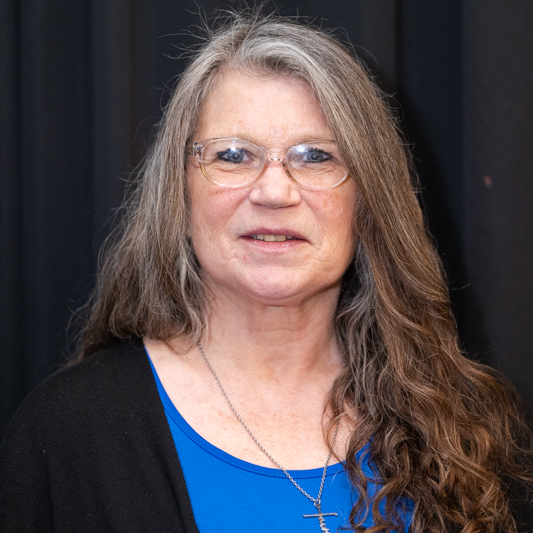
  • Sonalis DeLeon

    Elizabeth Foley
    Co-Director of Public Health 
    MCD Global Health

  • Elizabeth Foley, MCD, U.S. Programs Co-Director, has over 30 years of experience in healthcare and public health, spanning both domestic and international organizations. She has served as an advisor to national and state health improvement efforts, including the Maine CDC's Chronic Disease Programs, the National Health Disparities Collaborative, the Federally Qualified Health Center Network, the Institute for Healthcare Improvement, and the Robert Wood Johnson Aligning Forces for Quality. As lead content expert and curriculum designer for MCD's eLearning and Workforce Development programs, she and her team develop and deliver in-person and virtual training and technical assistance for thousands of public health professionals, healthcare providers, and community health workers throughout the United States and across the globe. Prior to joining MCD, Ms. Foley worked for the global NGO Partners In Health and the Harvard Medical School Department of Global Health and Social Medicine, designing and facilitating community health worker initiatives in the United States and developing countries.
  • Cristina Leal

    Cristina Leal
    Senior Program Manager, CHW Initiatives, MCD Global Health

  • Cristina Leal is the Senior Program Manager for Community health worker initiatives at MCD. In this role, she leads the HRSA-funded Community Health Worker (CHW) Training Program-CHWTP and oversees MCD's various CHW programs and team members. She is also responsible for cross-sector partnerships between community-based learning and traditional academic learning. She brings significant knowledge and experience in CHW training and CHW-led programs. Ms. Leal is fluent in English and Spanish, completed her Master's in Public Health at Lamar University in Beaumont, Texas in 2024, Bachelor's Degree at the University of Texas-Pan American in 2011, and obtained a Texas CHW Certification in 2016.
  • Betty St Hilarire

    Betty St. Hilaire
    Founder and Executive Director of The United Community Living Center

  • Betty St. Hilaire is a community health worker (CHW), the 2024 CHW Supervisor of the Year, and the current co-chair of the Maine Community Health Worker Initiative (MECHWI). Betty is the founder and board president of The United Community Living Center, a nonprofit whose mission is to provide support for the unhoused community. She is also the Past Chair of the Augusta Emergency Overnight Warming Center Advisory Council. Betty works as a Program manager overseeing the Community Health Worker Program as well as a recovery coach and ABC Parent coach for MaineGeneral Medical Center, the third largest health system in Maine. She sits on the Board of Directors of the Kennebec Valley Community Action Program where she serves on both their housing and executive committees. She has extensive experience in program development and implementation as well as grant and program management. Betty is a 2024 Graduate of the Hanley Center for Health Leadership Program and is a certified Beagle Poverty Coach. She holds a Bachelor's degree in Mental Health and Human Services and a Graduate Certificate in Substance use disorders from the University of Maine at Augusta. Betty has served in previous roles as a clinical-based social worker in a primary care residency practice, a care coordinator managing care plans for MaineCare members and as a Patient Advisory Coordinator, where she convened and led a patient advisory council for a major health system in Maine.

Enrollment and Contact Hours

Select the Enroll button below to register for the course. If you have any trouble accessing the course, contact support@nephtc.org.

Acknowledgement:  This project is supported by the Health Resources and Services Administration (HRSA) of the U.S. Department of Health and Human Services (HHS) as part of award 2 UB6HP31685‐05‐00 “Public Health Training Centers.” The contents are those of the author(s) and do not necessarily represent the official views of, nor an endorsement, by HRSA, HHS or the U.S. Government.
This training was supported by the Health Resources and Services Administration (HRSA) of the U.S. Department of Health and Human Services (HHS) as part of a financial assistance award totaling $400,000 with 100% funded by HRSA/HHS and 0% funded by nongovernment source(s). The contents are those of the author(s) and do not necessarily represent the official views of, nor an endorsement, by HRSA/HHS, or the U.S. Government.

* Yale School of Public Health, Office of Public Health Practice, a New England Public Health Training Center partner, is a designated provider of continuing education contact hours (CECH) in health education by the National Commission for Health Education Credentialing, Inc. All CHES credit inquiries are managed by YSPH


Registration

Select the Enroll Me button below to register for this recording. If you have any trouble accessing the recording, contact support@nephtc.org.

Acknowledgement: This project is supported by the Health Resources and Services Administration (HRSA) of the U.S. Department of Health and Human Services (HHS) as part of award 2 UB6HP31685‐05‐00 “Public Health Training Centers.” The contents are those of the author(s) and do not necessarily represent the official views of, nor an endorsement, by HRSA, HHS or the U.S. Government.

Course Information

  • Audience: Community health worker, public health professional professionals serving communities of concern
  • Format: Online Webinar
  • Date/Time: June 23, 2020
    11:00 - 12:00 PM EST
  • Price: Free
  • Length: 1 hour
  • Credential(s) eligible for contact hours:  If you complete the post-test and evaluation, you will receive a Certificate of Completion. The Certificate will include the length of the course. Generally 50 – 60 minutes is equivalent to 1 contact hour and the contact hour(s) for this course may be applicable towards continuing education requirements for certain credentials. You may want to check with your credentialing body if you’re unsure if this course meets its continuing education requirements.
  • Competencies: Health Equity Skills
  • Learning Level: Awareness
  • Companion Trainings:
  • Supplemental materials:Session PowerPoint
  • Pre-requisites None

About this Webinar

Participants will explore the impact of the COVID-19 pandemic and this new moment in the civil rights movement for Black lives through a lens of trauma-informed care. The workshop will cover self- and community care, self-reflection for allyship and liberation, and resiliency-building through a lens of racial and gender justice.


What you'll learn

At the end of the course, participants will be able to:

  • Identify tools for self- and community care to help sustain health workers in a critical time
  • Name Principles of Trauma-Informed Care and some ways they can be applied to daily work with colleagues and clients/ patients
  • Think about how to hold trauma-informed, healing-centered space to talk about some of the major changes happening in our society right now.
  • Deepen a self-reflection practice for resiliency-building and improved collaboration.

Subject Matter Expert

  • Samantha Calero
    Samantha Calero
  • Samantha Isabel Calero (Sam, she/her) is a biracial Latinx public health consultant. Her work includes training and facilitation, technical assistance, policy analysis and development and organizational capacity building to address trauma, resiliency, racial and gender justice. She approaches her work with an intersectional, margins-to-center lens of relationship building and critical analysis for change. Sam is a member of Mijente and currently is completing her master's degree in health policy at the Harvard T.H. Chan School of Public Health. She lives in Roxbury with her daughter.


    Registration

    Select the Enroll Me button below to register for this webinar. If you have any trouble accessing the webinar, contact support@nephtc.org.

    Acknowledgement: This project is/was supported by the Health Resources and Services Administration (HRSA) of the U.S. Department of Health and Human Services (HHS) under grant number UB6HP31685 “Regional Public Health Training Center Program.” This information or content and conclusions are those of the author and should not be construed as the official position or policy of, nor should any endorsements be inferred by HRSA, HHS or the U.S. Government.
Community Health Workers Learn Teach Back

Would you like to learn an easy to use communication technique to help improve your interactions with your clients?

UMass Amherst University of Massachusetts Logo  

NEPTHC New England Public Health Training Center Logo  PHLN Public Health Learning Navigator Quality Seal NCHEC CHES Logo  

Register

Course Information

  • Audience: Community health workers, CHW supervisors, Community Health Centers
  • Format: Webinar
  • Date/Time: Wednesday, December 13, 2017, 12:00-1:00 PM
  • Price: Free
  • Length: 1 hour
  • Credential(s) eligible for contact hours: Sponsored by New England Public Health Training Center (NEPHTC), a designated provider of continuing education contact hours (CECH) in health education by the National Commission for Health Education Credentialing, Inc. This program is designated for Certified Health Education Specialists (CHES) and/or Master Certified Health Education Specialists (MCHES) to receive up to 1 total Category I continuing education contact hours. Maximum advanced-level continuing education contact hours are 0. Provider ID: 1131137 Event ID: SS1131137_CHWLTB.
    If you are not seeking CHES/MCHES contact hours, if you complete the evaluation, you will receive a Certificate of Completion. The Certificate will include the length of the course.
  • Competencies: Community Partnership Skills
  • Learning Level: Awareness
  • Companion trainings Integration of CHWs into a Pharmacy Setting,
    The Role of CHWs in Chronic Disease Self-Management - Diabetes
  • Supplemental materials: Resources list, PowerPoint
  • Pre-requisites: None


About this Webinar

Community health workers will learn to use the Teach – Back Method, an evidence based communication tool proven to improve patient outcomes by decreasing problems that result from miscommunication. Meet Carlos and learn by example as he explains how he uses teach as part of his CHW role working with patients in a pharmacy to increase adherence.

What you'll learn

At the end of the course, participants will be able to:

  • State the purpose of Teach Back
  • Explain the essential steps in Teach Back
  • Identify situations where Teach Back is appropriate to use
  • List 2-3 questions to ask patients so they will teach back
  • Develop a plan to use Teach Back in daily practice

Subject Matter Experts


Registration and Contact Hours

Select the Enroll button below to register for this webinar. If you have any trouble accessing the webinar, contact trainingmanager@nephtc.org.

The Certificate of Completion will include the length of the webinar. Generally 50 – 60 minutes is equivalent to 1 contact hour. Contact hours may be applicable towards continuing education requirements for certain credentials. Check with your credentialing body to verify if the topic meets its continuing education requirements.

Course Information

  • Audience: The intended audience for this training is pharmacy directors, medical directors, clinical directors, CHW supervisors, and community health workers
  • Format: Webinar
  • Date/Time: Tuesday, October 17, 2017
    12:00-1:00 PM
  • Price: Free
  • Length: 1 hour
  • Credential(s) eligible for contact hours: Sponsored by New England Public Health Training Center (NEPHTC), a designated provider of continuing education contact hours (CECH) in health education by the National Commission for Health Education Credentialing, Inc. This program is designated for Certified Health Education Specialists (CHES) and/or Master Certified Health Education Specialists (MCHES) to receive up to 1 total Category I continuing education contact hours. Maximum advanced-level continuing education contact hours are 0. Provider ID: 1131137 Event ID: SS1131137_ICHWCH.
    If you are not seeking CHES/MCHES contact hours, if you complete the evaluation, you will receive a Certificate of Completion. The Certificate will include the length of the course.
  • Competencies: Community Partnership Skills
  • Learning Level: Awareness
  • Companion trainings Teach Back
  • Supplemental materials: None
  • Pre-requisites: None


About this Webinar

Integrating Community Health Workers into a Pharmacy Setting is a worthwhile challenge. This course offers practical advice on how community health workers are utilized in a federally qualified health center. Learn from experts who systematized the CHW role in both pharmacy and primary care.

What you'll learn

At the end of the course, participants will be able to:

  • Describe the community health worker role in medication therapy management program in an urban pharmacy setting
  • Identify 4 essential skills for community health workers in the pharmacy setting
  • State the target population for community health workers
  • Name two outreach settings described in the training


Subject Matter Expert

Registration and Contact Hours

Select the Enroll button below to register for this webinar. If you have any trouble accessing the webinar, contact trainingmanager@nephtc.org.

The Certificate of Completion will include the length of the webinar. Generally 50 – 60 minutes is equivalent to 1 contact hour. Contact hours may be applicable towards continuing education requirements for certain credentials. Check with your credentialing body to verify if the topic meets its continuing education requirements.

Nurses: Fitting CHWs into your Public Health or Health Care Practice

What is the role of the Community Health Worker? How are organizations using the combined skills of their CHWs and their nurses to better promote health?

UMass Amherst University of Massachusetts Logo   PHTC Public Health Training Center Logo 

NCHEC CHES Logo

Register

Course Information

  • Audience: Heads of local or regional health departments and managers or directors in city or state public health agencies, providers and primary care team members, emergency department management, community health workers and medical assistants, social workers, hospital nurses, school nurses, organizations in community-based prevention and care, social service staff
  • Format: Webinar
  • Date/Time: March 15, 2017 (Archived)
    12:30-1:30pm
  • Credential(s) eligible for contact hours: Sponsored by New England Public Health Training Center (NEPHTC), a designated provider of continuing education contact hours (CECH) in health education by the National Commission for Health Education Credentialing, Inc. This program is designated for Certified Health Education Specialists (CHES) and/or Master Certified Health Education Specialists (MCHES) to receive up to 1 total Category I continuing education contact hours. Maximum advanced-level continuing education contact hours are 1. Provider ID: 1131137 Event ID: SS1131137_NFSCHPH.
    If you are not seeking CHES/MCHES contact hours, if you complete the evaluation, you will receive a Certificate of Completion. The Certificate will include the length of the course.
  • Price: Free
  • Length: 1 hour
  • Competencies: Management and Finance Skills
  • Learning Level: Awareness
  • Supplemental materials: None
  • Pre-requisites: None


About this Webinar

At a time when Community Health Workers are increasingly important as a way of reaching vulnerable populations, hear from a leader who directs implementation across multiple programs and settings. Whether your organization already employs community health workers and wants to integrate their practice more effectively, or is considering how to introduce them and define their roles, this webinar will allow you to hear from both nurses and CHWs. Discover how working together has influenced their scopes of work and effectiveness.


What you'll learn

At the end of the course, participants will be able to:

  • Describe the role of the Community Health Worker in comparison to the role of the public health or other nurse
  • Describe two models of CHW & nurse collaboration from real cases
  • Identify areas for potential improvement in collaborating with CHWs


Subject Matter Expert


  • Abby Charles

    Senior Program Manager Institute for Public Health Innovation


Registration and Contact Hours

Select the Enroll button below to register for this webinar. If you have any trouble accessing the webinar, contact trainingmanager@nephtc.org.

The Certificate of Completion will include the length of the webinar. Generally 50 – 60 minutes is equivalent to 1 contact hour. Contact hours may be applicable towards continuing education requirements for certain credentials. Check with your credentialing body to verify if the topic meets its continuing education requirements.

Practical Strategies to Increase Your Personal Safety While Doing Fieldwork

Have you ever been harmed or threatened, or felt unsafe while doing your work out in the field/community? Did you know what to do, or how to prevent it from happening again?

NEPTHC New England Public Health Training Center Logo  NCHEC CHES Logo

Register

Course Information

  • Audience: Community health workers and all public health professionals
  • Format: Webinar
  • Date/Time: October 15, 2019
    12:00 - 1:00 PM EST
  • Price: Free
  • Length: 1 hour 
  • Credential(s) eligible for contact hours: Sponsored by New England Public Health Training Center (NEPHTC), a designated provider of continuing education contact hours (CECH) in health education by the National Commission for Health Education Credentialing, Inc. This program is designated for Certified Health Education Specialists (CHES) and/or Master Certified Health Education Specialists (MCHES) to receive up to 1 total Category I continuing education contact hours. Maximum advanced-level continuing education contact hours are 0. Provider ID: 1131137 Event ID: SS1131137_PSIYPS
    If you are not seeking CHES/MCHES contact hours, if you complete the evaluation, you will receive a Certificate of Completion. The Certificate will include the length of the course.
  • Competencies: Community Partnership Skills
  • Learning Level: Awareness
  • Companion Trainings: None
  • Supplemental materials:Session PowerPoint, stress management techniques hand-outs
  • Pre-requisites:None

About this Webinar

This webinar will provide practical tips and strategies for improved threat awareness and self-protection during field work, focused on workplace violence risk. Quick, effective stress management techniques, such as specialized breathing will also be provided. These tools can aid in increasing awareness and safety as well as de-escalation.


What you'll learn

At the end of the course, participants will be able to:

  • List 2 strategies for improved hazard awareness in the field
  • List 2 strategies for maintaining your personal safety in the field
  • List 2 self-practice techniques for stress management

Subject Matter Expert

  • Hilary Hackbart
    Hilary Hackbart
  • Hilary Hackbart works for the MA Department of Labor Standards in the Workplace Safety and Health for Public Sector Employees program. She has worked extensively on the development of occupational health and safety management systems, has conducted hundreds of on-site workplace health and safety assessments, and has trained thousands of workers on a wide range of health and safety topics, including workplace violence prevention. She holds a BA in Biochemistry from Harvard University, and an MS in Hazardous Materials Management from Tufts University.


    Registration and Contact Hours

    Select the Enroll button below to register for this webinar. If you have any trouble accessing the webinar, contact trainingmanager@nephtc.org.

    The Certificate of Completion will include the length of the webinar. Generally 50 – 60 minutes is equivalent to 1 contact hour. Contact hours may be applicable towards continuing education requirements for certain credentials. Check with your credentialing body to verify if the topic meets its continuing education requirements.

Health Literacy Response to COVID-19

How do we make sure everyone understands public health information during the time of a crisis?

NEPTHC New England Public Health Training Center Logo   UNE University of New England Maine Public Health Training Center Logo   

NCHEC CHES Logo

Register

Course Information

  • Audience: Community Health Workers and public health professionals working with medically underserved communities
  • Format: Webinar
  • Date/Time: July 22, 2020
    2:00 PM - 3:00 PM EST
  • Price: Free
  • Length: 1 hour
  • Credential(s) eligible for contact hours: Sponsored by New England Public Health Training Center (NEPHTC), a designated provider of continuing education contact hours (CECH) in health education by the National Commission for Health Education Credentialing, Inc. This program is designated for Certified Health Education Specialists (CHES) and/or Master Certified Health Education Specialists (MCHES) to receive up to 1 total Category I continuing education contact hours. Maximum advanced-level continuing education contact hours are 1. Provider ID: 1131137 Event ID: PM1131137_07222020. If you are not seeking CHES/MCHES contact hours, if you complete the evaluation, you will receive a Certificate of Completion. The Certificate will include the length of the course.
  • Competencies: Communication Skills
  • Learning Level: Awareness
  • Companion Trainings: None
  • Supplemental materials:Session PowerPoint
  • Pre-requisites Basic understanding of COVID 19

About this Webinar

Accurate information is critical to control the spread of COVID 19. However, obtaining and understanding accurate information can be a challenge for populations of various health literacy levels which in turn can increase risk of illness. This webinar will discuss the challenges experienced by populations of various health literacy levels in obtaining important information about COVID 19 and strategies and resources on how to address the barriers and promote health equity.


What you'll learn

At the end of the course, participants will be able to:

  • Describe how limited health literacy adversely affects access to accurate and reliable health information during the COVID-19 pandemic
  • Apply health literacy and plain language principles to improve communication regarding COVID-19 and what to do about it
  • Identify resources and responses to the COVID-19 pandemic available for use to meet the health literacy, language and culture needs of diverse communities

Subject Matter Expert

  • Gib Parrish
    Sabrina Kurtz-Rossi

Sabrina Kurtz-Rossi is principal of Kurtz-Rossi & Associates, a women-owned business located in Boston, Massachusetts. Her work has two major sources of inspiration. One is the adult learners she works with to integrate health and literacy education in Adult Basic Education (ABE) and English for speakers of other languages (ESOL) settings and the other is all the teachers, librarians, and health professionals who are dedicated to improving access to health information and health services for multi-lingual and multi-cultural communities. As a health literacy consultant, Sabrina’s areas of expertise include:

  • Health literacy professional development teaching and training
  • Plain language writing and editing
  • Easy-to-read materials and website development
  • ABE and ESOL health literacy curriculum development
  • Evaluation to assess effectiveness and for program improvement
Ms. Kurtz-Rossi is an Assistant Professor and Director of the Health Literacy Leadership Institute at Tufts University School of Medicine. She is also an Adjunct Professor at Johns Hopkins University and University of New England where she teaches online health literacy and plain language graduate level courses.


Registration

Select the Enroll Me button below to register for this webinar. If you have any trouble accessing the webinar, contact support@nephtc.org.

Acknowledgement: This project is/was supported by the Health Resources and Services Administration (HRSA) of the U.S. Department of Health and Human Services (HHS) under grant number UB6HP31685 “Regional Public Health Training Center Program.” This information or content and conclusions are those of the author and should not be construed as the official position or policy of, nor should any endorsements be inferred by HRSA, HHS or the U.S. Government.

* Yale School of Public Health, Office of Public Health Practice, a New England Public Health Training Center partner, is a designated provider of continuing education contact hours (CECH) in health education by the National Commission for Health Education Credentialing, Inc. All CHES credit inquiries are managed by YSPH

Category: COVID

Building Climate Resiliency: Empowering Community Health Workers Through Education

Are you interested in learning how Community Health Workers can drive climate resiliency and support well-being in their communities amidst a changing environment?

 MPHA Maine Public Health Association Logo            

Course Information

  • Audience: All public health professionals working in nonprofits, healthcare, educational institutions, government and private sector
  • Format: Recorded Webinar
  • Date/Time: Thursday, February 6, 2025
  • Price: Free
  • Length: .5 hours
  • Credential(s) eligible for contact hours: Sponsored by New England Public Health Training Center (NEPHTC), a designated provider of continuing education contact hours (CECH) in health education by the National Commission for Health Education Credentialing, Inc. This program is designated for Certified Health Education Specialists (CHES) and/or Master Certified Health Education Specialists (MCHES) to receive up to 1 total Category I continuing education contact hours. Maximum advanced-level continuing education contact hours are 1. Provider ID: 1131137 Event ID: SS1131137_C19IMHIC. 
    If you are not seeking a CHES/MCHES contact hours, if you complete the post-test and evaluation, you will receive a Certificate of Completion. The Certificate will include the length of the course.
  • Competencies: Health Equity Skills
  • Learning Level: Awareness
  • Companion Trainings: None
  • Supplemental materials:None
  • Pre-requisites: None

About this Webinar

This course explores strategies to build climate resiliency education for Community Health Workers (CHWs) and their communities. Led by Leslie Lorentzen, this webinar highlights innovative approaches to address the health impacts of climate change, with a focus on equitable solutions and collaborative practices. Attendees will gain insights into training and resources designed to empower CHWs to foster community well-being.


What you'll learn

At the end of the Webinar, participants will be able to:

  • Identify strategies for educating Community Health Workers on climate resiliency and explain how these strategies can be applied in their communities.

  • Summarize the key findings from the project and recommend best practices for future climate resiliency education for CHWs.


Subject Matter Expert


  • Leslie Lorentzen

    Workforce Program Manager, Maine Primary Care Association

  • Leslie Lorentzen is passionate about advancing public health by leveraging innovative strategies, fostering collaboration, and using data to drive meaningful change. Her work focuses on tackling challenges in workforce development and addressing the health impacts of environmental and climate-related issues.

    With a commitment to equity and inclusion, Leslie creates opportunities that empower diverse communities and advance sustainable, long-term solutions. She is dedicated to fostering collaboration and building inclusive initiatives that contribute to a more just and resilient public health landscape.

Registration

Select the Enroll Me button below to register for this recording. If you have any trouble accessing the recording, contact support@nephtc.org.

Acknowledgement: This project is/was supported by the Health Resources and Services Administration (HRSA) of the U.S. Department of Health and Human Services (HHS) under grant number UB6HP31685 “Regional Public Health Training Center Program.” This information or content and conclusions are those of the author and should not be construed as the official position or policy of, nor should any endorsements be inferred by HRSA, HHS or the U.S. Government.

Our Voice: Harnessing Local Expertise to Create Healthier Communities

How can community members use an app to capture their lived experience, become agents of change, and help their communities become healthier places to live?

Our Voice LogoMontbello Walks Logo   GirlTrek Logo


 NEPTHC New England Public Health Training Center Logo    NCHEC CHES Logo


Course Information

  • Audience: Public health professionals
  • Format: Webinar
  • Date/Time: Thursday, March 17th, 2022
    12:00 - 1:00 PM EST
  • Price: Free
  • Length: 1 hour
  • Credential(s) eligible for contact hours: Sponsored by New England Public Health Training Center (NEPHTC), a designated provider of continuing education contact hours (CECH) in health education by the National Commission for Health Education Credentialing, Inc. This program is designated for Certified Health Education Specialists (CHES) and/or Master Certified Health Education Specialists (MCHES) to receive up to 1 total Category I continuing education contact hour. Maximum advanced-level continuing education contact hour is 1. Provider ID: 1131137 Event ID: PM1131137_03172022
    If you are not seeking CHES/MCHES contact hours, if you complete the evaluation, you will receive a Certificate of Completion. The Certificate will include the length of the course.
  • Competencies: Community Partnership Skills
  • Learning Level: Awareness
  • Companion Trainings: None
  • Supplemental materials:None
  • Pre-requisites None

About this Webinar 

Nobody knows the lived reality of a community better than the residents themselves. The Stanford Our Voice Initiative offers community groups tools and resources to help harness and activate this wisdom, and create healthier communities for all. During this session we will walk through the Our Voice approach, and highlight the inspiring work of a Denver grandma turned “streetfighter,” who has used data and built collaborations to generate changes that support healthy living in the Montbello neighborhood of Denver, Colorado.

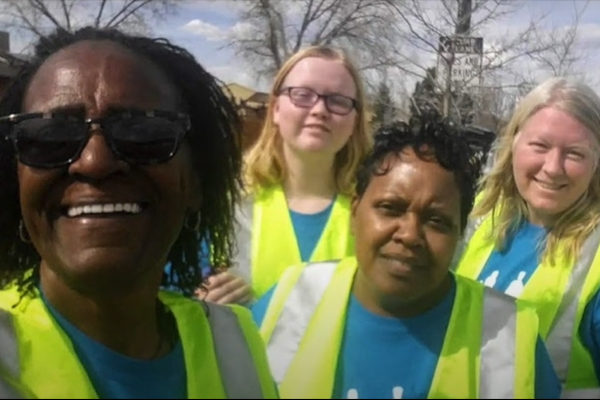
Like many underresourced communities, Denver’s Montbello neighborhood has lower socioeconomic status and poorer health outcomes than wealthier areas of the city. In 2016, a Park-n-Ride was moved from Montbello to a light-rail hub 2 miles away. While the new location provides easy car access and ample parking for drivers, Montbello’s pedestrians gained a dangerous commute down a 4-lane thoroughfare, decreasing community access to jobs, health care, schools, events, and city amenities. Forty-five year Montbello resident Pam Jiner was alarmed. As leader of a local GirlTrek group, she was already focused on getting African American women walking as a form of self-care and community engagement. When GirlTrek partnered with the evidence-based Stanford Our Voice Initiative to offer advocacy training, Pam stepped up. Using the Our Voice Discovery Tool app, she and her group became "citizen scientists," documenting environmental features that affected walkability between Montbello and the transportation hub. The data they gathered – geotagged photos, narratives, ratings, and walking maps – told a collective story that the group analyzed, prioritized, and used to generate recommendations for change. Pam also invited a wide range of local stakeholders and decision-makers to walk with her and experience the barriers first-hand. Four years later, Pam shares her story as a self-proclaimed “Street Fighter,” the built environment changes that she worked with others to make, and the ripple effects at the individual, social, and policy levels.


What you'll learn

At the end of the course, participants will be able to:

  • List 4 specific strategies for community members to create change in local environments “from the bottom-up”
  • Describe the importance of data, including the systematic capture of local perspectives and insights, in advocating for community-level change
  • Assess the applicability of the Our Voice citizen science approach to a range of community-based efforts to address social determinants of health and improve health equity

This webinar will be recorded and made available within 2 business days of the webinar close. Please log in to view the recording in the section "View a Recording of the Webinar." "


More about the Our Voice Initiative 

The evidence-based Our Voice Initiative is a not-for-profit social enterprise within the Stanford School of Medicine, offering diverse collaborators a set of tools and resources to advance community-driven solutions through citizen science. The ultimate goal of Our Voice is to advance health equity by giving everyone, regardless of age of social and economic circumstances, the opportunity to lead a healthy life. Through a remote train-the-trainer model and locally-facilitated process, community members use the multilingual Stanford Discovery Tool mobile app to record geotagged photos, narratives, ratings, and maps that document features of their environment that impact health and quality of life. After data are uploaded to a secure Stanford server, local facilitators can create user-friendly reports to return to the citizen scientists. The citizen scientists then review and analyze collective findings, prioritize areas for change, and use their own data to partner with local decision-makers and drive improvements that promote health in their local communities. For more information, visit http://ourvoice.stanford.edu


Subject Matter Expert

  • Pam Jiner

    Pam Jiner

  • Pam Jiner is a community organizer and proud 45-year resident of Denver’s Montbello neighborhood. A leader in the GirlTrek health movement for black women and girls, she also founded Montbello Walks in 2018; leads the Senior Steppers walking group; and started a Mobile Food Pantry that delivered 875,000 pounds of food during the 2020 pandemic. Pam is a tireless advocate for safe and equitable city streets, sidewalks, schools and parks in the community she loves.


    Moderator

    • Ann Banchoff

      Ann Banchoff

    • Ann Banchoff, MSW, MPH, is Director of Community Engagement for the Our Voice Initiative at the Stanford School of Medicine. She has a background in public health, social work, and international human rights, as well as broad experience in developing and sustaining community-academic partnerships. Ann co-founded the Office of Community Health at the Stanford University School of Medicine in 2005, and served as its Director of Educational Programs until late 2014.


    Registration

    Select the Enroll Me button below to register for this webinar. If you have any trouble accessing the webinar, contact support@nephtc.org.

    Acknowledgement: This project is/was supported by the Health Resources and Services Administration (HRSA) of the U.S. Department of Health and Human Services (HHS) under grant number UB6HP31685 “Regional Public Health Training Center Program.” This information or content and conclusions are those of the author and should not be construed as the official position or policy of, nor should any endorsements be inferred by HRSA, HHS or the U.S. Government.

    * Yale School of Public Health, Office of Public Health Practice, a New England Public Health Training Center partner, is a designated provider of continuing education contact hours (CECH) in health education by the National Commission for Health Education Credentialing, Inc. All CHES credit inquiries are managed by YSPH

Part One: Trauma Informed Care to Support Health and Well-Being

Community Health Workers: How common are trauma experiences and how do they effect the lives of those they touch?

UMass Amherst University of Massachusetts Logo   NEPTHC New England Public Health Training Center Logo 

PHTC Public Health Training Center LogoNCHEC CHES Logo
 

Register

Course Information

  • Audience: Community Health Workers and Public Heath Professionals
  • Format: Online Webinar
  • Date/Time: Part One: Tuesday April 16, 2019
    12:00-1:00 PM EST
  • Price: Free
  • Length: 2 part series - 1 hour each
  • Credential(s) eligible for contact hours: Sponsored by New England Public Health Training Center (NEPHTC), a designated provider of continuing education contact hours (CECH) in health education by the National Commission for Health Education Credentialing, Inc. This program is designated for Certified Health Education Specialists (CHES) and/or Master Certified Health Education Specialists (MCHES) to receive up to 1 total Category I continuing education contact hours. Maximum advanced-level continuing education contact hours are 0. Provider ID: 1131137 Event ID: SS1131137_TIC1.
    If you are not seeking CHES/MCHES contact hours, if you complete the evaluation, you will receive a Certificate of Completion. The Certificate will include the length of the course.
  • Competencies: Leadership and Systems Thinking Skills
  • Learning Level: Awareness
  • Companion Trainings: Part Two: Working with Adult Survivors of Trauma:Tuesday April 16, 2019
    12:00-1:00 PM EST
  • Supplemental materials: None
  • Pre-requisites: None

About this Webinar

Using a trauma informed approach is often described as moving away from asking the question “what is wrong with you?” to asking “what happened to you?” This training series will support participants in understanding the prevalence of trauma and it’s impact on the health and well being of survivors when it is not recognized and treated. It will also provide information on how they can support survivors by providing empowering interventions that support resilience. The concept of vicarious trauma will also be addressed.


What you'll learn

At the end of the course, participants will be able to:

  • Describe the “dose effect” findings of the ACES study.
  • Identify 3 neurobiological effects of toxic stress and trauma can affect the lives of children and adults.
  • Identify 3 of the long-term consequences of unaddressed trauma.

Subject Matter Expert

  • picture of Kristal Cleaver
    Kristal Cleaver, LICSW
    Director of Community Education,
    Clinical & Support Options, Inc.
  • Kristal Cleaver is a Licensed Independent Clinical Social Worker who has had the privilege of watching resilience in action in lives of the children and adults she has worked with over the last 15 years. Throughout her career Kristal has strived to integrate a trauma informed philosophy into her work. In her current role as CSO’s Director of Community Education she trains and consults with schools, government agencies, and non-profits to help them establish trauma awareness and responsiveness within their organizations.


    Registration and Contact Hours

    Select the Enroll button below to register for this webinar. If you have any trouble accessing the webinar, contact trainingmanager@nephtc.org.

    The Certificate of Completion will include the length of the webinar. Generally 50 – 60 minutes is equivalent to 1 contact hour. Contact hours may be applicable towards continuing education requirements for certain credentials. Check with your credentialing body to verify if the topic meets its continuing education requirements.

Category: Mental Health

Part Two: Trauma Informed Care to Support Health and Well-Being

Community Health Workers: What can you do to help adult survivors avoid the long term consequences of trauma?

UMass Amherst University of Massachusetts Logo   NEPTHC New England Public Health Training Center Logo

PHTC Public Health Training Center Logo  NCHEC CHES Logo 


Register

Course Information

  • Audience: Community Health Workers and Public Heath Professionals
  • Format: Online Webinar
  • Date/Time: Part Two: Tuesday  April 23, 2019 12:00-1:00 PM EST
  • Price: Free
  • Length: 2 part series - 1 hour each
  • Credential(s) eligible for contact hours: Sponsored by New England Public Health Training Center (NEPHTC), a designated provider of continuing education contact hours (CECH) in health education by the National Commission for Health Education Credentialing, Inc. This program is designated for Certified Health Education Specialists (CHES) and/or Master Certified Health Education Specialists (MCHES) to receive up to 1 total Category I continuing education contact hours. Maximum advanced-level continuing education contact hours are 0. Provider ID: 1131137 Event ID: SS1131137_TIC2.
    If you are not seeking CHES/MCHES contact hours, if you complete the evaluation, you will receive a Certificate of Completion. The Certificate will include the length of the course.
  • Competencies: Leadership and Systems Thinking Skills
  • Learning Level: Awareness
  • Companion Trainings Part One: Overview of the Prevalence of Trauma: The ACEs (Adverse Childhood Experiences) Study
    Tuesday April 9, 2019
    12:00-1:00 PM EST
  • Supplemental materials: None
  • Pre-requisites: None

About this Webinar

Using a trauma informed approach is often described as moving away from asking the question “what is wrong with you?” to asking “what happened to you?” This training series will support participants in understanding the prevalence of trauma and it’s impact on the health and well being of survivors when it is not recognized and treated. It will also provide information on how they can support survivors by providing empowering interventions that support resilience. The concept of vicarious trauma will also be addressed.


What you'll learn

At the end of the course, participants will be able to:

  • Describe the ways in which trauma manifests in adult as adaptations for survival.
  • describe the 3 brief interventions that they can use to support individuals to support healing from trauma and build resilience.
  • Participants will be able to identify 3 signs of burnout/vicarious trauma in themselves and others.

Subject Matter Expert

  • picture of Kristal Cleaver
    Kristal Cleaver, LICSW
    Director of Community Education,
    Clinical & Support Options, Inc.
  • Kristal Cleaver is a Licensed Independent Clinical Social Worker who has had the privilege of watching resilience in action in lives of the children and adults she has worked with over the last 15 years. Throughout her career Kristal has strived to integrate a trauma informed philosophy into her work. In her current role as CSO’s Director of Community Education she trains and consults with schools, government agencies, and non-profits to help them establish trauma awareness and responsiveness within their organizations.


    Registration and Contact Hours

    Select the Enroll button below to register for this webinar. If you have any trouble accessing the webinar, contact trainingmanager@nephtc.org.

    The Certificate of Completion will include the length of the webinar. Generally 50 – 60 minutes is equivalent to 1 contact hour. Contact hours may be applicable towards continuing education requirements for certain credentials. Check with your credentialing body to verify if the topic meets its continuing education requirements.

Category: Mental Health

Course Information

  • Audience: Nurses, Community health workers, Public health professionals, Health services managers
  • Format: Webinar
  • Date/Time: April 14, 2021
    12:00 - 1:00 PM EST
  • Price: Free
  • Length: 1 hour
  • Credential(s) eligible for contact hours: Sponsored by New England Public Health Training Center (NEPHTC), a designated provider of continuing education contact hours (CECH) in health education by the National Commission for Health Education Credentialing, Inc. This program is designated for Certified Health Education Specialists (CHES) and/or Master Certified Health Education Specialists (MCHES) to receive up to 1 total Category I continuing education contact hour. Maximum advanced-level continuing education contact hour is 1. Provider ID: 1131137 Event ID: SS1131137_SC.
    If you are not seeking CHES/MCHES contact hours, if you complete the evaluation, you will receive a Certificate of Completion. The Certificate will include the length of the course. 

    This activity has been approved by the Rhode Island State Nurse’s Association Educational Unit, an accredited approver of nursing continuing professional development by the American Nurses Association Center’s Commission on Accreditation (Approval # 343-041323-36). In order to receive credit for this offering, you must review the entire presentation and complete the evaluation. Your certificate will be provided electronically within 7 business days to your provided email address.
    There is no conflict of interest for the presenter or anyone affiliated with the content of this presentation. There is no commercial support by any company for this offering. One must complete the evaluation by 04/14/2022 in order to receive credit.

  • Competencies: Community Partnership Skills
  • Learning Level: Awareness
  • Companion Trainings: None
  • Supplemental materials:PowerPoint slides
  • Pre-requisites None


About this Webinar

This webinar will explore historically relevant, disruptive events and the people who endured them, revealing personal attributes and team dynamics. The instructor will suggest anger management and de-escalation tactics to consider, as colleagues and clients continue to experience high levels of frustration and stress. The webinar will identify risk factors for burn-out that occur in teams in relentlessly challenging circumstances. Applying Nursing principles and providing examples to right-size one’s perspective, the webinar will help fight burnout, and help public health professionals remain true to the purpose of the profession.


What you'll learn

At the end of the course, participants will be able to:

  • Recognize the origins of anger and disruptive behavior among colleagues and clients
  • Identify risk factors for burn-out within yourself and your team
  • Articulate potential consequences and resolutions for unchecked stress
  • Create a personal and/or team-oriented care plan to improve staff fulfillment

Subject Matter Expert

  • Leigh Hubbard
    Leigh Hubbard,
    Clinical Manager
  • Leigh Hubbard is the Clinical Manager at Open Door Health, Rhode Island’s first Ambulatory Health clinic dedicated to providing gender affirming care to the LGBTQ community. Her prior work included surgical services, program development and management, regulatory readiness, and ambulatory care and management. She has also worked in surgical intensive care, neurosurgery, oncology, and women’s health. She finds great joy in smoothing transitions within healthcare through process improvement and helping to guide RNs and other healthcare staff members through unsure, challenging circumstances. She feels that “professional growth spurts” abound when a person or team is tested and perseveres.
    Leigh Hubbard is also the President of the American Nurses Association in Rhode Island. She chairs the government affairs committee. She is on the board of Directors of Rhode Island Action Coalition and the current medical consultant for the University of Rhode Island Childhood Development Center. She is a founding member of Mainstay RI, a small think tank dedicated to opioid overdose care redesign. She is an active member of Grace Episcopal Church in Downtown Providence, where she (used to) sing soprano in the choir.


    Registration

    Select the Enroll Me button below to register for this webinar. If you have any trouble accessing the webinar, contact support@nephtc.org.

    Acknowledgement: This project is/was supported by the Health Resources and Services Administration (HRSA) of the U.S. Department of Health and Human Services (HHS) under grant number UB6HP31685 “Regional Public Health Training Center Program.” This information or content and conclusions are those of the author and should not be construed as the official position or policy of, nor should any endorsements be inferred by HRSA, HHS or the U.S. Government.
    * Yale School of Public Health, Office of Public Health Practice, a New England Public Health Training Center partner, is a designated provider of continuing education contact hours (CECH) in health education by the National Commission for Health Education Credentialing, Inc. All CHES credit inquiries are managed by YSPH
Category: Mental Health

Course Information

  • Audience: Public health and community-based professionals; Professionals interested in preventing suicide in community, school and health care settings (In the language of this webinar, these roles are known as "gatekeepers.")
  • Format: Online Webinar
  • Date/Time:January 31, 2019
    12-1:00 PM ET
  • Price: Free
  • Length: 1 hour
  • Credential(s) eligible for contact hours: Certificate of completion
  • Competencies: Communication Skills
  • Learning Level: Awareness
  • Companion Trainings:
    • Umatter Suicide Prevention Gatekeeper training
    • Umatter for Professionals Gatekeeper and Protocol Training
    • Umatter for Schools- Gatekeeper, Protocols, Curriculum
  • Supplemental materials: Presentation will be available after the webinar.
  • Pre-requisites: None


About this Webinar

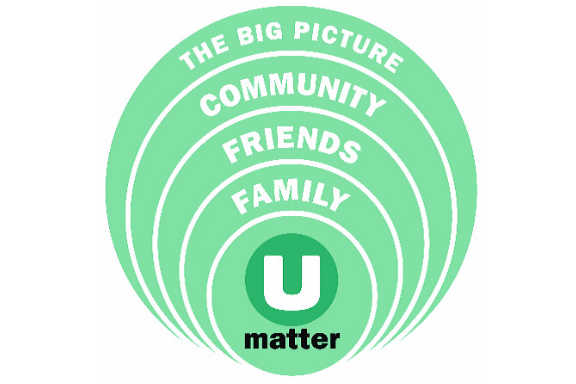
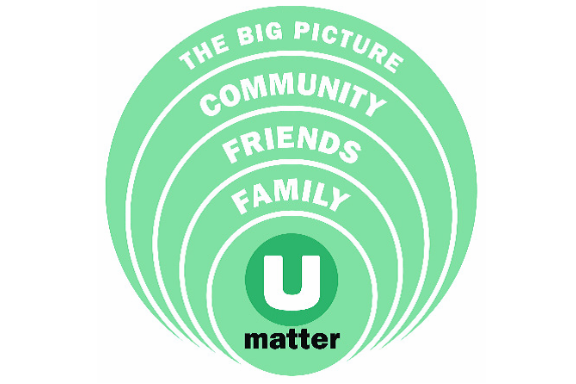
When a suicide occurs it affects an entire community. Umatter Suicide Prevention educates professionals that work within communities about effective suicide prevention. With the goal of averting crisis, the webinar provides an introduction to Suicide Gatekeeper training which includes: (1) basic information about suicide, (2) language to be used when discussing suicide, (3) protective factors, risk factors, and warning signs, and (4) the Umatter three-step process for responding to suicidal behavior. Resources, additional training, and next steps for building a suicide prevention-prepared community will be identified.


What you'll learn

At the end of the course, participants will be able to:

  • Provide basic information about suicide
  • Describe language to be used when discussing suicide
  • Identify protective, risk factors and warning signs
  • State the Umatter three-step process for responding to suicidal behavior
  • Refer others to resources, additional training, and next steps for building a suicide prevention-prepared community

Subject Matter Experts


  • Debby Haskins

  • JoEllen Tarallo


Registration and Contact Hours

Select the Enroll button below to register for this webinar. If you have any trouble accessing the webinar, contact trainingmanager@nephtc.org.

The Certificate of Completion will include the length of the webinar. Generally 50 – 60 minutes is equivalent to 1 contact hour. Contact hours may be applicable towards continuing education requirements for certain credentials. Check with your credentialing body to verify if the topic meets its continuing education requirements.

Category: Mental Health

Course Information

  • Audience: Community health workers
  • Format: Online Webinar
  • Date/Time:

    Webinar 1: November 20, 2018
    12:00-1:00 PM
    Webinar 2: December 4, 2018
    12:00-1:00 PM

  • Price: Free
  • Length: 1 Webinar Session, 1 hour
  • Credential(s) eligible for contact hours: Certificate of completion
  • Competencies: Community Partnership Skills
  • Learning Level: Awareness
  • Companion Trainings: None
  • Supplemental materials: None
  • Pre-requisites: None

About this Webinar

This two-part webinar series will provide:

  • An overview of the opioid epidemic, both at a federal and state-level, focusing on origins and trends related to opioid use disorder and opioid overdose.
  • Discussion of the impact of the opioid epidemic on communities and special populations, including any emerging health disparities.
  • Education on how opioid use disorder can affect other health and social conditions.

What you'll learn

At the end of the course, participants will be able to:

  • Explain the prevalence of opioid use disorder and opioid overdose and its impact on our region.
  • Understand how opioid use disorder impacts the health of a community.
  • Describe 3 ways that community health workers can improve care or support recovery for persons with opioid use disorder.

Subject Matter Expert


  • Dr. Robert Roose
    Chief, Addiction Medicine & Recovery Services,
    Trinity Health Of New England

Registration and Contact Hours

Select the Enroll button below to register for this webinar. If you have any trouble accessing the webinar, contact trainingmanager@nephtc.org.

The Certificate of Completion will include the length of the webinar. Generally 50 – 60 minutes is equivalent to 1 contact hour. Contact hours may be applicable towards continuing education requirements for certain credentials. Check with your credentialing body to verify if the topic meets its continuing education requirements.

Category: Substance Use