Environmental Health

Courses with keyword "Environmental Health"

Economic and Environmental Significance of Maine's Bottle Bill

What are the economic and environmental impacts of Maine’s popular Bottle Bill?
MPHA Maine Public Health Association Logo


Register

Course Information

  • Audience: All public health professionals working in nonprofits, healthcare, educational institutions, government and private sector
  • Format: Webinar
  • Date/Time: Thursday, October 5th, 12:00 PM – 1:00 PM ET
  • Price: Free
  • Length: 1 hour
  • Credential(s) eligible for contact hours: Sponsored by New England Public Health Training Center (NEPHTC), a designated provider of continuing education contact hours (CECH) in health education by the National Commission for Health Education Credentialing, Inc. This program is designated for Certified Health Education Specialists (CHES) and/or Master Certified Health Education Specialists (MCHES) to receive up to 1 total Category I continuing education contact hours. Maximum advanced-level continuing education contact hours are 1. Provider ID: 1131137 Event ID:PM1131137_EESMBB.
    If you are not seeking a CHES/MCHES contact hours, if you complete the evaluations, you will receive a Certificate of Completion. The Certificate will include the length of the course.
  • Competencies: Policy Development and Program Planning Skills
  • Learning Level: Awareness
  • Companion Trainings: None
  • Supplemental materials:PowerPoint and follow-up email with any links mentioned during presentation.
  • Pre-requisites: None
  • Technical Requirements: This webinar is hosted on the Zoom platform. Please refer to the Zoom System Specifications to ensure your system meets the minimum requirements for connecting.

About this Webinar

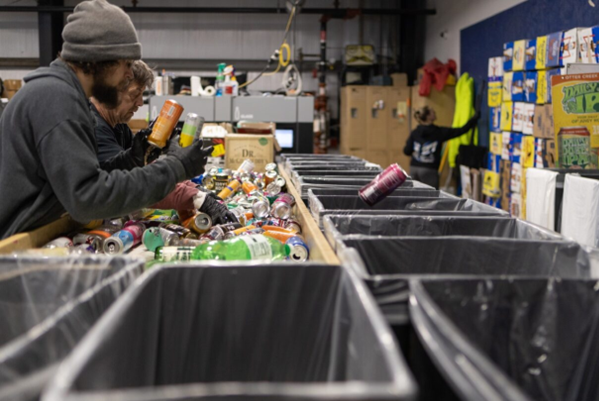
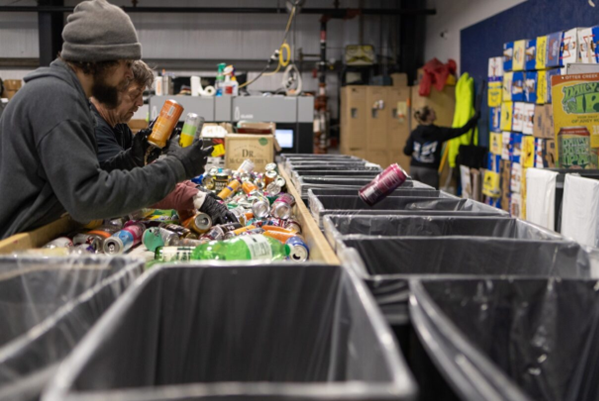
Over the past 45 years, Maine’s Bottle Bill program has been extremely effective at reducing litter, increasing recycling, creating jobs, funding charities, and reducing costs for municipalities and taxpayers. The Bottle Bill is a critical foundation for Maine’s recycling culture and remains as important and relevant as ever. Maine's legislature recently passed two bills to keep redemption centers in business and modernize the system. The discussions highlighted the special role that redemption centers play in keeping this program going, and the unique job opportunities they provide. Many of the owners do not turn much profit but do the work because they recognize it is environmental and social significance. The new laws will provide opportunity to further strengthen this program, reduce waste, and create more jobs.

What you'll learn

At the end of the recording, participants will be able to:

  • Explain how the Bottle Bill supports jobs in Maine and what happens to the unclaimed deposits. 
  • Compare effectiveness of recycling and litter reduction with other types of recycling programs.
  • Discuss potential of recently passed and future legislation. 

Subject Matter Expert
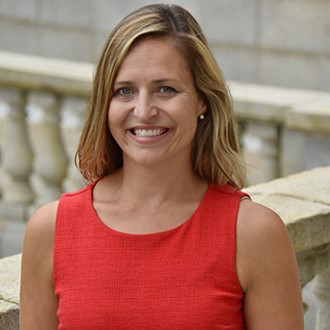

  • Sarah Nichols
    Sustainable Maine Director
  • Sarah is a waste policy expert and leads NRCM’s local and state efforts to reduce waste and litter, encourage reuse, and increase recycling and composting in Maine. Prior to joining NRCM in 2014, she spent several years working to improve recycling programs in rural communities. She earned a master’s degree from the Bren School of Environmental Science and Management at the University of California Santa Barbara, where she specialized in environmental policy, and has a bachelor’s degree from the University of New Hampshire in Environmental & Resource Economics. Sarah is from Bath and resides in Cumberland.

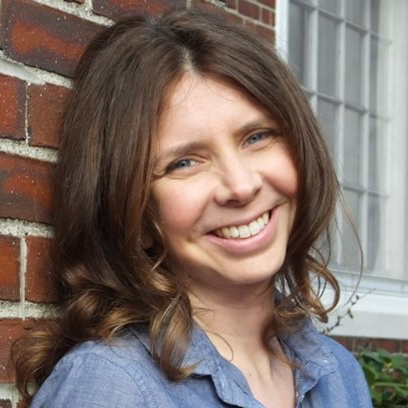
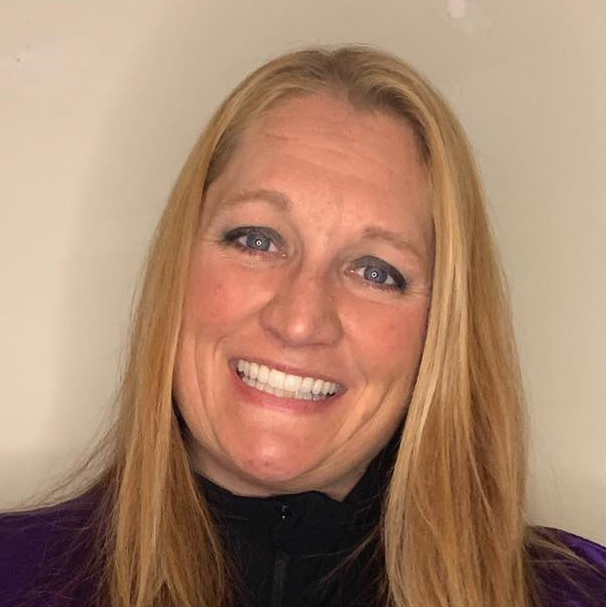
  • Shandra Rubchinuk

    Shandra Rubchinuk
    Co-Owner of Jansel Redemption Center
  • Shandra has been in Maine for 22 years and lives in Winthrop. She opened a children’s second hand store in order to be at home with her children and saw a need to reduce reuse and recycle. The store has been open for 10 years, children Luke & Aalayah are now 11 & 13. Her partner Jason worked for his uncle for 23 years counting and sorting bottles at a redemption center that was open for 40 years. His uncle finally retired and the two opened JANSEL Redemption center in Jan of 2023. They streamlined the process and are busier than ever.

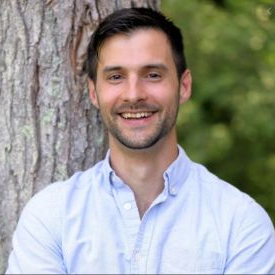
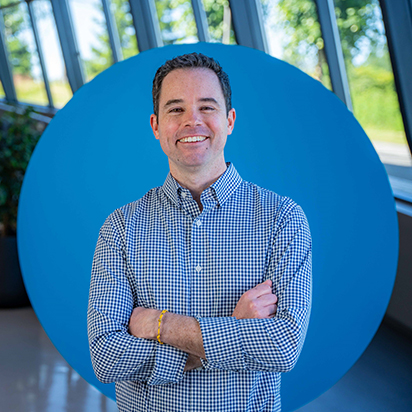
  • Mike Noel

    Mike Noel
    Public Affairs Director, TOMRA

  • Mike is a corporate sustainability and public affairs expert with working experience across the public, private and civil sectors. At TOMRA, the world’s largest provider of recycling and reuse technology, Mike advises policymakers on packaging and textiles waste management and reuse policies. TOMRA operates in over 40 jurisdictions around the world with refillable and single-use container deposit return systems and EPR policies. The first project of TOMRA’s Reuse venture includes operating a reusable take-out packaging program in Denmark. Mike is the co- author of “Rewarding Recycling: Learnings from the World’s Highest Performing Deposit Systems”. Prior to joining TOMRA, Mike was a Strategy Director at Futerra where he advised multinationals including Google, Target and 3M on their circular economy and climate strategies. Mike studied Marketing and Environmental Policy at Fordham University where he led a successful campaign to establish the University's Sustainable Business program. Mike is based in Connecticut where he is busy trying to get his 5 year old twins to eat their vegetables.


Registration

Select the Enroll Me button below to register for this recording. If you have any trouble accessing the recording, contact support@nephtc.org.


Acknowledgement:
This project is supported by the Health Resources and Services Administration (HRSA) of the U.S. Deparment of Health and Human Services (HHS) as part of award 2 UB6HP31685‐05‐00 “Public Health Training Centers.” The contents are those of the author(s) and do not necessarily represent the official views of, nor an endorsement, by HRSA, HHS or the U.S. Government.


Course Information

  • Audience: Public health professionals, human health clinicians, environmental scientists, health scientists, students, community organizers, environmental non-profit workers, and others interested in the health of humans and the environment.
  • Format: Webinar
  • Date/Time: Thursday, July 20, 2023
    12:00 PM – 1:00 PM EST
  • Price: Free
  • Length: 1 hour
  • Credential(s) eligible for contact hours: Sponsored by New England Public Health Training Center (NEPHTC), a designated provider of continuing education contact hours (CECH) in health education by the National Commission for Health Education Credentialing, Inc. This program is designated for Certified Health Education Specialists (CHES) and/or Master Certified Health Education Specialists (MCHES) to receive up to 1 total Category I continuing education contact hours. Maximum advanced-level continuing education contact hours are 0. Provider ID: 1131137 Event ID: SS1131137_CH1.
    If you are not seeking  CHES/MCHES contact hours, if you complete the evaluations, you will receive a Certificate of Completion. The Certificate will include the length of the course.
  • Competencies: Community Partnership Skills
  • Learning Level: Awareness
  • Companion Trainings: Environmental Exposures and Health at the Local Level: a case study of Chelsea, MA  |  Part 2:  Air Pollution
  • Supplemental materials:PowerPoint
  • Pre-requisites: None

About this Webinar

In this Webinar series, you will get to know two important environmental health issues: extreme heat and air pollution. We will discuss important concepts and research methods through case-studies on specific projects conducted in the City of Chelsea, Massachusetts.


What you'll learn

At the end of the webinar, participants will be able to:

  • Explain key environmental health concepts, risk factors for various environmental exposures, vulnerable populations, environmental (in)justice, quantitative research methods, qualitative research methods, and community-engaged approaches.
  • Demonstrate a deeper understanding of two important environmental exposures of concern in the context of an environmental justice community: extreme heat and air pollution.
  • Identify facilitators and barriers that different community partners face when communicating environmental health risks.  
  • Discuss relevant environmental health policy and regulatory applications. 


Subject Matter Experts

  • Alina McIntyre

    Alina McIntyre

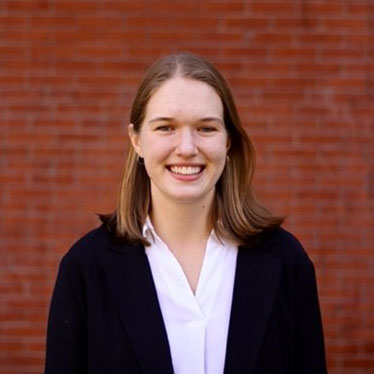
  • Alina McIntyre is a Ph.D. Candidate in the Department of Environmental Health at the Boston University School of Public Health. After earning a Bachelor’s degree in both Community Health and Spanish at Tufts University, Alina completed a Master’s degree in Environmental Health and Engineering at the Johns Hopkins Bloomberg School of Public Health. Her research is part of the Chelsea and East Boston Heat Study (C-HEAT), a collaborative project between GreenRoots, Inc. and BUSPH. She is specifically involved in community-engaged heat and air pollution exposure research, drawing on environmental epidemiology, exposure assessment, and qualitative methods.

  • Bianca Navarro Bowman

    Bianca Navarro Bowman

  • Bianca Navarro Bowman is the Climate Justice Coordinator at GreenRoots, Inc. She is passionate about building community knowledge, power, and leadership to combat the unequal distribution of the effects of climate change. At GreenRoots, she leads and supports projects that focus on centering resident involvement and perspectives in advancing community climate resilience and adaptation. Bianca loves working with community members and coworkers to improve the ability of EJ populations to safely navigate increasing summer heat temperatures, flood impacts, and decarbonization efforts that threaten to leave low- and middle-income folks and people of color behind in the clean energy transition. She is originally from the Washington, DC area and graduated from the College of William & Mary in Virginia. She studied English Literature and Environmental Science & Policy and has a background in community-based citizen science research, environmental field work and forest fire management work.


    Registration

    Select the Enroll Me button below to register for this recording. If you have any trouble accessing the recording, contact support@nephtc.org.


    Acknowledgement:
    This project is supported by the Health Resources and Services Administration (HRSA) of the U.S. Department of Health and Human Services (HHS) as part of award 2 UB6HP31685‐05‐00 “Public Health Training Centers.” The contents are those of the author(s) and do not necessarily represent the official views of, nor an endorsement, by HRSA, HHS or the U.S. Government.

Course Information

  • Audience: Public health professionals, human health clinicians, environmental scientists, health scientists, students, community organizers, environmental non-profit workers, and others interested in the health of humans and the environment.
  • Format: Webinar
  • Date/Time: Thursday, July 27, 2023
    12:00 PM – 1:00 PM EST.
  • Price: Free
  • Length: 1 hour
  • Credential(s) eligible for contact hours: Sponsored by New England Public Health Training Center (NEPHTC), a designated provider of continuing education contact hours (CECH) in health education by the National Commission for Health Education Credentialing, Inc. This program is designated for Certified Health Education Specialists (CHES) and/or Master Certified Health Education Specialists (MCHES) to receive up to 1 total Category I continuing education contact hours. Maximum advanced-level continuing education contact hours are 0. Provider ID: 1131137 Event ID: SS1131137_CH2.
    If you are not seeking CHES/MCHES contact hours, if you complete the evaluations, you will receive a Certificate of Completion. The Certificate will include the length of the course.
  • Competencies: Community Partnership Skills
  • Learning Level: Awareness
  • Companion Trainings: Environmental Exposures and Health at the Local Level: a case study of Chelsea, MA  |  Part 1:  Extreme Heat:
  • Supplemental materials:PowerPoint
  • Pre-requisites: None

About this Webinar

In this Webinar series, you will get to know two important environmental health issues: extreme heat and air pollution. We will discuss important concepts and research methods through case-studies on specific projects conducted in the City of Chelsea, Massachusetts.


What you'll learn

At the end of the webinar, participants will be able to:

  • Explain key environmental health concepts, risk factors for various environmental exposures, vulnerable populations, environmental (in)justice, quantitative research methods, qualitative research methods, and community-engaged approaches.
  • Demonstrate a deeper understanding of two important environmental exposures of concern in the context of an environmental justice community: extreme heat and air pollution.
  • Identify facilitators and barriers that different community partners face when communicating environmental health risks.  
  • Discuss relevant environmental health policy and regulatory applications. 


Subject Matter Experts

  • Alina McIntyre

    Alina McIntyre

  • Alina McIntyre is a Ph.D. Candidate in the Department of Environmental Health at the Boston University School of Public Health. After earning a Bachelor’s degree in both Community Health and Spanish at Tufts University, Alina completed a Master’s degree in Environmental Health and Engineering at the Johns Hopkins Bloomberg School of Public Health. Her research is part of the Chelsea and East Boston Heat Study (C-HEAT), a collaborative project between GreenRoots, Inc. and BUSPH. She is specifically involved in community-engaged heat and air pollution exposure research, drawing on environmental epidemiology, exposure assessment, and qualitative methods.


    Registration

    Select the Enroll Me button below to register for this recording. If you have any trouble accessing the recording, contact support@nephtc.org.


    Acknowledgement:
    This project is supported by the Health Resources and Services Administration (HRSA) of the U.S. Department of Health and Human Services (HHS) as part of award 2 UB6HP31685‐05‐00 “Public Health Training Centers.” The contents are those of the author(s) and do not necessarily represent the official views of, nor an endorsement, by HRSA, HHS or the U.S. Government.
PFAS: So Much Information – What’s Really Needed?

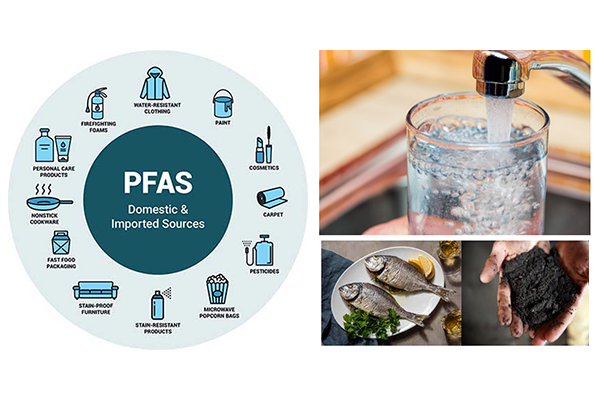
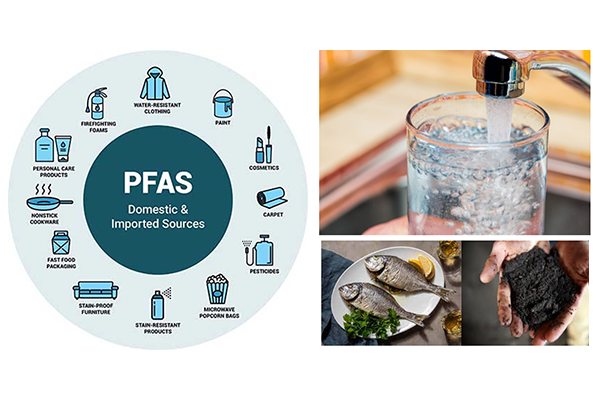
If PFAS were first used in the 1940s, why are we only now learning about PFAS, their use and the health concerns associated with them?

Boston University School of Public Health Logo     New England Public Health Training Center Logo

Register

Course Information

  • Audience: Public health professionals, human health clinicians, environmental scientists, health scientists, students, community organizers, environmental non-profit workers, and others interested in the health of humans and the environment.
  • Format: Webinar
  • Date/Time: December 12, 2023 12:00 PM – 1:00 PM EST.
  • Price: Free
  • Length: 1 hour
  • Credential(s) eligible for contact hours: Sponsored by New England Public Health Training Center (NEPHTC), a designated provider of continuing education contact hours (CECH) in health education by the National Commission for Health Education Credentialing, Inc. This program is designated for Certified Health Education Specialists (CHES) and/or Master Certified Health Education Specialists (MCHES) to receive up to 1 total Category I continuing education contact hours. Maximum advanced-level continuing education contact hours are 0. Provider ID: 1131137 Event ID: PM1131137_12122023.
    If you are not seeking a CHES/MCHES contact hours, if you complete the post-test and evaluation, you will receive a Certificate of Completion. The Certificate will include the length of the course.
  • Competencies: Public Health Sciences Skills
  • Learning Level: Awareness
  • Companion Trainings: None
  • Supplemental materials:PowerPoint
  • Pre-requisites: None

About this Webinar

In this first session on per and poly fluoroalkyl substances (PFAS), we will focus on identification of PFAS as a large group of chemicals, how PFAS are defined, how people are exposed to a small subset of the PFAS chemicals that are currently regulated in drinking water sources around New England. We will also discuss evidence for population health concerns, as well as efforts being taken in the region to address PFAS.


What you'll learn

At the end of the webinar, participants will be able to:

  • Define PFAS and list 6-7 PFA chemicals of importance
  • Identify the key exposure sources in people in New England
  • Describe the health concerns associated with the 6-7 PFAS chemicals
  • Discuss the efforts in New England and federally to address PFAS


Subject Matter Expert

  • Wendy Heiger-Bernays

    Wendy Heiger-Bernays

  • Wendy Heiger-Bernays, PhD is Professor of Environmental Health at the BU School of Public Health where she has spent decades applying her expertise in toxicology and risk assessment to research and translation around environmental chemical exposures. She serves as Chair of her local Board of Health, as a member of the Massachusetts Toxics Use Reduction Act Science Advisory Board and is on the Science Advisory Chemicals Committee for the Federal EPA Toxics Substances Control Act.


    Registration

    Select the Enroll Me button below to register for this recording. If you have any trouble accessing the recording, contact support@nephtc.org.


    Acknowledgement:
    This project is supported by the Health Resources and Services Administration (HRSA) of the U.S. Department of Health and Human Services (HHS) as part of award 2 UB6HP31685‐05‐00 “Public Health Training Centers.” The contents are those of the author(s) and do not necessarily represent the official views of, nor an endorsement, by HRSA, HHS or the U.S. Government.
Housing Retrofits: Public Health Model

Why are housing retrofits at the intersection of housing? And how does climate change influence those relationships?

MPHA Maine Public Health Association Logo 

Register

Course Information

  • Audience: All public health professionals working in nonprofits, housing, healthcare, educational institutions, government and private sector
  • Format: Webinar
  • Date/Time: Thursday, Feburary 1st, 2024 12:00 PM – 1:00 PM ET.
  • Price: Free
  • Length: 1 hour
  • Credential(s) eligible for contact hours: Sponsored by New England Public Health Training Center (NEPHTC), a designated provider of continuing education contact hours (CECH) in health education by the National Commission for Health Education Credentialing, Inc. This program is designated for Certified Health Education Specialists (CHES) and/or Master Certified Health Education Specialists (MCHES) to receive up to 1 total Category I continuing education contact hours. Maximum advanced-level continuing education contact hours are 1. Provider ID: 1131137 Event ID: PM1131137_02012024.
    If you are not seeking a CHES/MCHES contact hours, if you complete the post-test and evaluation, you will receive a Certificate of Completion. The Certificate will include the length of the course.
  • Competencies: Health Equity Skills
  • Learning Level: Awareness
  • Companion Trainings: None
  • Supplemental materials:None
  • Pre-requisites: None

About this Webinar

Maine's aged building stock creates wide spread health challenges including asthma, exposures to toxins in building materials, stress in physical discomfort and vulnerability in extreme weather and anxiety of about heating and cooling costs. The barriers to retrofitting are multi-fold, the rewards of retrofitting combine the health benefits with carbon and reduction as part of our path to our carbon goals. Equitable approaches to improving the built environment are critical. passivhausMAINE is exploring bundling funding sources for systemic approaches to whole building renovation. We are preparing the case for cross/multi department communication and systems to ease the funding barriers and structure scalable retrofits across the state through pilot projects in Freeport and Lewiston, Maine. 


What you'll learn

After attending this webinar, participants will be able to:

  • Demonstrate the potential for wide scale retrofits through multi-agency funding approaches.
  • Analyse the comprehensive benefits of building retrofits to physical and mental health and the corollary benefits of carbon and energy reduction. 
  • Explore the overlapping issues of housing, gender, racial, education and economic justice. 


Subject Matter Experts

  • Naomi Beal

    Naomi Beal

  • Naomi Beal is the Executive Director and founding member of passivhausMAINE [phME] and a founding board member of the Passive House Network. Naomi embraces the challenge of developing phME into a sustainable and impactful organisation through local, national, and international partnerships. Naomi believes Maine’s economic development can be fostered through a framework of building efficiency and innovative and traditional wood products and prioritizes equitable retrofits as both climate mitigation and adaptation. Naomi lives in South Freeport, ME.


Registration

Select the Enroll Me button below to register for this recording. If you have any trouble accessing the recording, contact support@nephtc.org.


Acknowledgement:
This project is supported by the Health Resources and Services Administration (HRSA) of the U.S. Department of Health and Human Services (HHS) as part of award 2 UB6HP31685‐05‐00 “Public Health Training Centers.” The contents are those of the author(s) and do not necessarily represent the official views of, nor an endorsement, by HRSA, HHS or the U.S. Government.
Person tightrope walking across a canyon in a mountainous region

Tips to Improve Home Air Quality

What practical guidance do you give to patients/clients/others about how to improve indoor air quality?

MPHA Maine Public Health Association Logo

Maine Indoor Air Quality Council


Course Information

  • Audience: All public health professionals working in nonprofits, healthcare, educational institutions, government and private sector
  • Format: Webinar
  • Date/Time: Thursday, March 6, 2025 12:00 PM – 1:00 PM ET.
  • Price: Free
  • Length: 1 hour
  • Credential(s) eligible for contact hours: Sponsored by New England Public Health Training Center (NEPHTC), a designated provider of continuing education contact hours (CECH) in health education by the National Commission for Health Education Credentialing, Inc. This program is designated for Certified Health Education Specialists (CHES) and/or Master Certified Health Education Specialists (MCHES) to receive up to 1 total Category I continuing education contact hours. Maximum advanced-level continuing education contact hours are 1. Provider ID:  Event ID: .
    If you are not seeking a CHES/MCHES contact hours, if you complete the post-test and evaluation, you will receive a Certificate of Completion. The Certificate will include the length of the course.
  • Competencies: Public Health Sciences Skills
  • Learning Level: Awareness
  • Companion Trainings: None
  • Supplemental materials:None
  • Pre-requisites: None

About this Webinar

Thanks to COVID-19, most of us now understand there are things indoors we can’t see or smell, but yet our exposure to them can make us sick.  During this session, I will highlight practical, easy to implement strategies to both prevent and address exposures to common indoor air quality pollutants. Topics being addressed include ventilation, mold/moisture, radon, pests, particle pollution, as well as IAQ monitoring, and whether or not a home is weatherization ready.


What you'll learn

  • How to determine if a home has adequate ventilation
  • 5 things you need to know about mold
  • Where to look for IAQ problems
  • My favorite best-practice resources to prevent and address IAQ in homes.

  • Subject Matter Expert

    Image of Yelena MalyutaChristy Crocker

    Christy Crocker is the executive director of the Maine Indoor Air Quality Council (MIAQC), a role she has held since May of 1999. Prior to her work with MIAQC, Christy was the Continuing Legal Education Director for the Maine State Bar Association for 14 years. Christy has extensive expertise in nonprofit administration generally, and adult education design, project management, grant writing, and general communications. Christy is a frequent writer/contributor to Green and Healthy Maine Homes Magazine, and is a member of the Green and Healthy Maine Homes advisory board. Christy has provided numerous presentations on general indoor air quality issues for Maine homes, schools, and workplaces. Christy resides with her family in Hallowell, Maine.


    Enrollment and Contact Hours

    Select the Enroll button below to register for the course. If you have any trouble accessing the course, contact support@nephtc.org.

    Acknowledgement:  This project is supported by the Health Resources and Services Administration (HRSA) of the U.S. Department of Health and Human Services (HHS) as part of award 2 UB6HP31685‐05‐00 “Public Health Training Centers.” The contents are those of the author(s) and do not necessarily represent the official views of, nor an endorsement, by HRSA, HHS or the U.S. Government.

    This training was supported by the Health Resources and Services Administration (HRSA) of the U.S. Department of Health and Human Services (HHS) as part of a financial assistance award totaling $400,000 with 100% funded by HRSA/HHS and 0% funded by nongovernment source(s). The contents are those of the author(s) and do not necessarily represent the official views of, nor an endorsement, by HRSA/HHS, or the U.S. Government.

    * Yale School of Public Health, Office of Public Health Practice, a New England Public Health Training Center partner, is a designated provider of continuing education contact hours (CECH) in health education by the National Commission for Health Education Credentialing, Inc. All CHES credit inquiries are managed by YSPH


Registration

Select the Enroll Me button below to register for this recording. If you have any trouble accessing the recording, contact support@nephtc.org.

Enroll Me


Acknowledgement:
This project is supported by the Health Resources and Services Administration (HRSA) of the U.S. Department of Health and Human Services (HHS) as part of award 2 UB6HP31685‐05‐00 “Public Health Training Centers.” The contents are those of the author(s) and do not necessarily represent the official views of, nor an endorsement, by HRSA, HHS or the U.S. Government.

Climate and Health: What can we do today? Session I

How can public health practitioners communicate accurate information about climate change to individuals and communities to motivate action?

BUSPH Boston University School of Public Health Logo NCHEC CHES Logo    

Register

Course Information

  • Audience: Public Health Professionals
  • Format: Recorded Webinar
  • Date/Time: Friday, March 18th, 2022
    9:00 AM – 9:45 AM EST
  • Price: Free
  • Length: 1 hour
  • Credential(s) eligible for contact hours: Sponsored by New England Public Health Training Center (NEPHTC), a designated provider of continuing education contact hours (CECH) in health education by the National Commission for Health Education Credentialing, Inc. This program is designated for Certified Health Education Specialists (CHES) and/or Master Certified Health Education Specialists (MCHES) to receive up to 1 total Category I continuing education contact hours. Maximum advanced-level continuing education contact hours are 0.  Provider ID: 1131137 Event ID: SS1131137_CH1.
    If you are not seeking a CHES/MCHES contact hours, if you complete the post-test and evaluation, you will receive a Certificate of Completion. The Certificate will include the length of the course.
  • Competencies: Leadership and Systems Thinking
  • Learning Level: Awareness
  • Companion Trainings: Climate and Health:  What can we do today?  Session II
    Climate and Health:  What can we do today?  Session III
  • Supplemental materials:None
  • Pre-requisites: None

About this Recording

Recent heat waves, wildfires, hurricanes, and other extreme weather events around the world underscore that climate change represents a clear and present danger. Communities everywhere need to better prepare for the extreme weather events we are experiencing today. But how does a community do this?


What you'll learn

At the end of the recording, participants will be able to:

  • Discuss intervention activities that can and should be done immediately for short-term and long-term impact
  • Describe connections between climate change impacts and social determinants of health resulting in health disparities
  • List 5 environmental potential contributors to adverse effects on the mental health of young people
  • Define the roles and responsibilities of the new federal Office of Climate Change and Health Equity

Moderator

  • Greg Wellenius

    Greg Wellenius
    @GWELLENIUS

    Professor, Boston University School of Public Health

  • Gregory Wellenius, ScD leverages his training in epidemiology, environmental health, and human physiology to lead research focused on assessing the human health impacts of the built environment in the context of a rapidly changing climate. His team has made a number of notable contributions to our understanding of the health risks associated with air pollution, noise pollution, other features of our physical environment, and those posed by a changing climate. A key goal of his team’s research is to provide the actionable scientific evidence needed to ensure that our communities are as resilient, sustainable, and healthy as possible, emphasizing the benefits to human health of climate change mitigation and adaptation efforts. Before coming to Boston University, Dr. Wellenius served as faculty and Director of Brown University’s Center for Environmental Health and Technology and Elected Councilor of the International Society for Environmental Epidemiology (ISEE). He has previously taught courses on epidemiology methods, climate change and human health, and methods in environmental epidemiology. He has a strong track record of mentoring undergraduate students, graduate students and post-doctoral fellows. Dr. Wellenius is the 2019 recipient of the ISEE Tony McMichael Mid-Term Career Award and the 2018 recipient of the Dean’s Award for Excellence in Teaching from the Brown University School of Public Health.

    Subject Matter Expert

    • John Balbus

      John Balbus
      @DRJBALBUS
      Interim Director, Office of Climate Change and Health Equity, US Department of Health and Human Services

Registration

Select the Enroll Me button below to register for this recording. If you have any trouble accessing the recording, contact support@nephtc.org.

Acknowledgement: This project is/was supported by the Health Resources and Services Administration (HRSA) of the U.S. Department of Health and Human Services (HHS) under grant number UB6HP31685 “Regional Public Health Training Center Program.” This information or content and conclusions are those of the author and should not be construed as the official position or policy of, nor should any endorsements be inferred by HRSA, HHS or the U.S. Government.

Climate and Health: What can we do today? Session II

How can community-based organizations work effectively with academic institutions to address the effects of climate change in their communities? 

BUSPH Boston University School of Public Health Logo NCHEC CHES Logo    

Register

Course Information

  • Audience: Public Health Professionals
  • Format: Recorded Webinar
  • Date/Time: Friday, March 18th, 2022
    10:00 AM – 11:30 AM EST
  • Price: Free
  • Length: 1.5 hours
  • Credential(s) eligible for contact hours: Sponsored by New England Public Health Training Center (NEPHTC), a designated provider of continuing education contact hours (CECH) in health education by the National Commission for Health Education Credentialing, Inc. This program is designated for Certified Health Education Specialists (CHES) and/or Master Certified Health Education Specialists (MCHES) to receive up to 1.5 total Category I continuing education contact hours. Maximum advanced-level continuing education contact hours are 0.  Provider ID: 1131137 Event ID: SS1131137_CH2.
    If you are not seeking a CHES/MCHES contact hours, if you complete the post-test and evaluation, you will receive a Certificate of Completion. The Certificate will include the length of the course.
  • Competencies: Leadership and Systems Thinking
  • Learning Level: Awareness
  • Companion Trainings: Climate and Health: What can we do today? Session I Climate and Health: What can we do today? Session III
  • Supplemental materials:None
  • Pre-requisites: None

About this Recording

Recent heat waves, wildfires, hurricanes, and other extreme weather events around the world underscore that climate change represents a clear and present danger. Communities everywhere need to better prepare for the extreme weather events we are experiencing today. But how does a community do this?


What you'll learn

At the end of the recording, participants will be able to:

  • Describe effective advocacy strategies employed by a community group (GreenRoots in Chelsea/East Boston) to address air quality and other environmental concerns
  • List 4 principles to promote climate justice (i.e., address climate adaption for vulnerable people in vulnerable places)
  • Describe 4 examples of actions that that US cities can take to address climate change
  • Describe the goals, activities, and achievements of the Extreme Heat Resilience Alliance (EHRA)
  • Explain research approach and methodologies to understand how housing characteristics are related to health impacts of heat among vulnerable populations

Moderator

  • Amruta Nori-Sarma

    Amruta Nori-Sarma
    @ASANSREASON

    Assistant Professor,  Boston University School of Public Health

  • Amruta Nori-Sarma is an Assistant Professor in the Environmental Health Department at Boston University School of Public Health, where she studies the relationship between environmental exposures associated with climate change and health outcomes in vulnerable communities. Her previous work has examined the impact of heat waves and air pollution on health in vulnerable communities in India, South Korea, and across the US. Her current research aims to understand the impacts of interrelated extreme weather events on mental health across the US utilizing large claims datasets. She also has an interest in evaluating the success of policies put in place to reduce the health impacts of climate change.

    Subject Matter Experts

    • Marie S. O'Neill

      Marie S. O'Neill

      Professor,
      Department of Epidemiology,
      University of Michigan

    • Marie O’Neill (she/her/hers) has a B.A. from Brown University, an MS in Environmental Health Sciences from Harvard University, and a PhD in Epidemiology from University of North Carolina at Chapel Hill. She has worked for the U.S. Environmental Protection Agency, the Pan American Health Organization, and in Mexico at the National Institute of Public Health and the National Center for Environmental Health as a Fulbright Scholar. Her research interests include health effects of air pollution, temperature extremes and climate change (mortality, asthma, hospital admissions, birth outcomes and cardiovascular endpoints); environmental exposure assessment; and socio-economic influences on health. She served on the Federal Advisory Committee to the third National Climate Assessment. She is a Professor in the Departments of Epidemiology and Environmental Health Sciences at University of Michigan School of Public Health and serves as Faculty Co-Lead for Diversity Equity and Inclusion at the School. She has been involved in several Federally funded research projects that address social disparities in climate effects on health, including a community-based participatory research project based in Detroit called Climate Hazards, Housing and Health.

    • Kathy Baughman McLeod

      Kathy Baughman McLeod
      @KBMCLEODFLA
      Director, Adrienne Arsht-Rockefeller Foundation Resilience Center, Senior Vice President Atlantic Council

    • Kathy Baughman McLeod leads the Center’s global strategy to reach one billion people worldwide with climate resilience solutions by 2030, with a special focus on society’s most vulnerable. She also chairs the Extreme Heat Resilience Alliance (EHRA), a global alliance of 40+ government officials, disaster relief organizations, climate scientists, public health and medical experts, businesses, and nonprofits, that is delivering early warning, policy, finance, and on-the-ground solutions, including appointing Chief Heat Officers in cities around the world. Additionally, she is spearheading the global push to name and categorize heat waves to save lives and build the culture of awareness and preparedness necessary to combat extreme heat. Kathy is currently a member of the World Economic Forum’s Global Commission on “BiodiverCities by 2030” and a member of the Operating Committee of the Insurance Development Forum (IDF). Under her direction, Arsht-Rock is also a managing partner for the UN’s “Race to Resilience” campaign and Resilience Hub at COP26 — the UN’s flagship climate conference. Formerly, she served as Global Executive for Environmental and Social Risk at Bank of America, Managing Director for Climate Resilience at The Nature Conservancy — where she helped devise the world’s first insurance product on a natural asset; a 40 km stretch of the Mesoamerican reef in Mexico. She also served as Deputy Chief of Staff for the elected Treasurer/CFO of the State of Florida, where she was instrumental in making the Florida Treasury the first in the nation to publicly analyze and disclose the financial risks of climate. Kathy was also an appointed Florida Climate and Energy Commissioner. Baughman McLeod is the recipient of the Fuqua School of Business 2021 “Leader of Consequence” award and was appointed to the US Federal Emergency Management Agency’s National Advisory Council as its first-ever climate specialist in 2021. She holds an MBA from Duke University’s Fuqua School of Business and an MS in Geography from Florida State University.

    • Sharon Harlan

      Sharon Harlan

      Professor and Department Chair, Department of Health Sciences,
      Northeastern University

    • Dr. Harlan’s research explores the human impacts of climate change that are dependent upon people’s positions in social hierarchies, places in built environments of unequal quality, and policies that improve or impede human adaptive capabilities. Focusing on excessive heat and urban water systems as significant and increasingly critical threats to human health and well-being in cities, she studies social systems and landscapes that produce unequal risks for people in neighborhoods divided by social class and race/ethnicity. She has led multi-institutional, interdisciplinary research and community engagement projects that integrate social theories about the historical production of environmental injustices with data and models from the ecological, geospatial, and health sciences. She is currently conducting research on vulnerability to electrical grid failures and water affordability and accessibility in environmental justice communities across selected cities in the United States. Her coupled natural and human systems research has been supported by grants from the National Science Foundation on urban vulnerability to climate change, sustainability and water, the Central Arizona–Phoenix Long-Term Ecological Research program, and national and metropolitan area surveys on environmental attitudes and behaviors. She has served as an advisor on climate justice and social vulnerability to organizations such as the American Sociological Association, the National Center for Atmospheric Research, the US Environmental Protection Agency, and the Social Science Coordinating Committee of the U.S. Global Climate Change Research Program.

    • Roseann Bongiovanni

      Roseann Bongiovanni (CAS’99, SPH’01)

      @GREENROOTSEJ

      Executive Director, GreenRoots

    • Roseann Bongiovanni has worked for environmental justice for more than 25 years. Her extensive career began as a young organizer with the Chelsea Green Space Committee and included victories defeating the construction of a diesel power plant, and preventing ethanol “bomb” trains from traveling to a Chelsea Creek oil terminal. In 2016, Roseann transitioned this vital work into the independent environmental justice and public health organization, GreenRoots, which played a critical role in the response to COVID-19 in Chelsea and East Boston. Under her leadership, Chelsea was named a Culture of Health Prize Winner in 2017, GreenRoots was selected as a Social Innovator in 2018, and was named a US EPA Merit Award Winner in 2021. Roseann has raised and managed millions of dollars for major projects including Creekside Commons Park; federally funded air emissions reduction work, five urban growing spaces; murals and other public art projects; massive tree plantings; and multiple community parks. Roseann has received numerous awards for her work, including the Alternatives for Community and Environment Founders’ Award in 2001, the National Oceanic and Atmospheric Administration Environmental Hero Award in 2006 and the All Chelsea Award “Adult Resident of the Year” in 2007, an MLK Jr. Community Spirit Award by People’s AME Church in Chelsea in 2020 and a US EPA Merit Award in 2021. She has co-authored several publications. Roseann is a lifelong Chelsea resident, a former City Councilor, and City Council President. She has a Masters of Public Health from Boston University and is the mother of two strong-minded children.

        Registration

        Select the Enroll Me button below to register for this recording. If you have any trouble accessing the recording, contact support@nephtc.org.


        Acknowledgement: This project is/was supported by the Health Resources and Services Administration (HRSA) of the U.S. Department of Health and Human Services (HHS) under grant number UB6HP31685 “Regional Public Health Training Center Program.” This information or content and conclusions are those of the author and should not be construed as the official position or policy of, nor should any endorsements be inferred by HRSA, HHS or the U.S. Government.


Climate and Health: What can we do today? Session III

How can data from both the micro (neighborhood and community) level and the macro (national, global) level be used effectively to inform and motivate policy change?

BUSPH Boston University School of Public Health Logo NCHEC CHES Logo    

Register

Course Information

  • Audience: Public Health Professionals
  • Format: Recorded Webinar
  • Date/Time: Friday, March 18th, 2022 12:00 PM – 1:00 PM EST
  • Price: Free
  • Length: 1 hour
  • Credential(s) eligible for contact hours: Sponsored by New England Public Health Training Center (NEPHTC), a designated provider of continuing education contact hours (CECH) in health education by the National Commission for Health Education Credentialing, Inc. This program is designated for Certified Health Education Specialists (CHES) and/or Master Certified Health Education Specialists (MCHES) to receive up to 1 total Category I continuing education contact hours. Maximum advanced-level continuing education contact hours are 0.  Provider ID: 1131137 Event ID: SS1131137_CH3.
    If you are not seeking a CHES/MCHES contact hours, if you complete the post-test and evaluation, you will receive a Certificate of Completion. The Certificate will include the length of the course.
  • Competencies: Leadership and Systems Thinking
  • Learning Level: Awareness
  • Companion Trainings: Climate and Health: What can we do today? Session I Climate and Health: What can we do today? Session II
  • Supplemental materials:None
  • Pre-requisites: None

About this Recording

Recent heat waves, wildfires, hurricanes, and other extreme weather events around the world underscore that climate change represents a clear and present danger. Communities everywhere need to better prepare for the extreme weather events we are experiencing today. But how does a community do this?


What you'll learn

At the end of the recording, participants will be able to:

  • Describe the creation of large national data platforms by combining health data, socioeconomic data, and climate change-related exposure data
  • Discuss the methodological issues in assessing the impact of climate-change exposures and health using large heterogeneous sources of data
  • Discuss evidence of climate change-related exposures and adverse health effects from 3 recent epidemiological studies using large national data sets

Moderator

  • Patrick Kinney

    Patrick Kinney
    @PATRICKKINNEY20

    Professor, Environmental Health, Boston University School of Public Health

  • Dr. Kinney joined the School of Public Health faculty in January 2017 as the inaugural Beverly Brown Professor of Urban Health. He was trained as an air pollution epidemiologist at Harvard School of Public Health, and came to BU after two decades at the Columbia University Mailman School of Public Health. In his time at Columbia, he showed how warming temperatures make air pollution like urban smog worse, and more harmful to populations. He led the development of an integrated modeling system to predict the air pollution health effects of climate change into the future. Working at the intersection of climate change, health, and policy, Kinney has conducted research from the South Bronx to China to rapidly growing cities throughout Africa. At Columbia, he also created an interdisciplinary research and teaching program examining the potential impacts of climate change on health. At BU, Kinney is developing a new program that focuses on assessing the health benefits of urban climate action plans, via strategies to promote active transport, green infrastructure, and clean vehicles.

    Subject Matter Expert


    • Francesca Dominici
      @FRANCESCADOMIN8

      Clarence James Gamble Professor of Biostatistics, Population and Data Science Initiative, Harvard T.H. Chan School of Public Health

    • Francesca Dominici, PhD is the co-Director of the Harvard Data Science Initiative, at the Harvard University and the Clarence James Gamble Professor of Biostatistics, Population and Data Science at the Harvard T.H. Chan School of Public Health. She is an elected member of the National Academy of Medicine and of the International Society of Mathematical Statistics. She is an expert in causal inference, machine learning, Bayesian statistics. She leads an interdisciplinary group of scientists with the ultimate goal of addressing important questions in environmental health science, climate change, and biomedical science. Her productivity and contributions to the field have been remarkable. Dominici has provided the scientific community and policy makers with robust evidence on the adverse health effects of air pollution, noise pollution, and climate change. Her studies have directly and routinely impacted air quality policy. Dominici has published more than 220 peer-reviewed publications and was recognized in Thomson Reuter’s 2019 list of the most highly cited researchers–ranking in the top 1% of cited scientists in her field. Her work has been covered by the New York Times, Los Angeles Times, BBC, the Guardian, CNN, and NPR. In April 2020 she has been awarded the Karl E. Peace Award for Outstanding Statistical Contributions for the Betterment of Society by the American Statistical Association. Dominici is an advocate for the career advancement of women faculty. Her work on the Johns Hopkins University Committee on the Status of Women earned her the campus Diversity Recognition Award in 2009. At the T.H. Chan School of Public Health, she has led the Committee for the Advancement of Women Faculty.

        Registration

        Select the Enroll Me button below to register for this recording. If you have any trouble accessing the recording, contact support@nephtc.org.


        Acknowledgement: This project is/was supported by the Health Resources and Services Administration (HRSA) of the U.S. Department of Health and Human Services (HHS) under grant number UB6HP31685 “Regional Public Health Training Center Program.” This information or content and conclusions are those of the author and should not be construed as the official position or policy of, nor should any endorsements be inferred by HRSA, HHS or the U.S. Government.


Tackling Climate Change: Mitigation or Adaptation

How can we present climate change science as “kitchen table” issues that resonate with the public, policymakers, and decision makers?

BUSPH Boston University School of Public Health Logo NCHEC CHES Logo

Register

Course Information

  • Audience: Public health workforce, emergency management, health care workers, human services, agricultural workers, community leaders, and others interested in climate change.
  • Format: Recorded Webinar
  • Date/Time: Recorded Wednesday, February 10, 2021 1:00 PM - 2:30 PM
  • Price: Free
  • Length: 1.5 hours
  • Credential(s) eligible for contact hours: Sponsored by New England Public Health Training Center (NEPHTC), a designated provider of continuing education contact hours (CECH) in health education by the National Commission for Health Education Credentialing, Inc. This program is designated for Certified Health Education Specialists (CHES) and/or Master Certified Health Education Specialists (MCHES) to receive up to 1 total Category I continuing education contact hour.  Maximum advanced-level continuing education contact hour is 1.  Provider ID: 1131137
    Event ID: SS1131137_TCCMA.
    If you are not seeking a CHES/MCHES contact hours, If you complete the evaluation, you will receive a Certificate of Completion. The Certificate will include the length of the course.
     
  • Competencies: Policy Development and Program Planning Skills
  • Learning Level: Awareness
  • Companion Trainings: None
  • Supplemental materials: None
  • Pre-requisites: None

About this Recording

The global climate has changed profoundly over the last century and now threatens the health and well-being of families and communities around the world. With continued climate change we can expect to see more severe and more frequent extreme weather events such as heat waves, wildfires, hurricanes, and floods. The global community must move quickly to avoid the worst impacts of climate change, but there are multiple ways to do so with no clear “one size fits all” solution. This program will ask, should future efforts focus on facilitating large scale mitigation efforts, helping communities and individuals adapt to a changing climate, or do we simply need more research? This year’s Bicknell Lecture will highlight the threats to human health posed by climate change and host a vibrant dialogue with leading experts on how to most productively move forward to address this global challenge.


What you'll learn

At the end of the recording, participants will be able to:

  • List three criteria to assess level of international commitment to achieve net-zero carbon emissions by 2050
  • Discuss importance of effective communication strategies to influence policy makers regarding climate change
  • Discuss the role of economic investment in addressing climate change and strategies to engage investors in changing the management of their portfolios


Moderator

  • Gregory Wellenius

    Gregory Wellenius

    Professor, Boston University School of Public Health

    Gregory Wellenius, ScD leverages his training in epidemiology, environmental health, and human physiology to lead research focused on assessing the human health impacts of the built environment in the context of a rapidly changing climate. His team has made a number of notable contributions to our understanding of the health risks associated with air pollution, noise pollution, other features of our physical environment, and those posed by a changing climate. A key goal of his team’s research is to provide the actionable scientific evidence needed to ensure that our communities are as resilient, sustainable, and healthy as possible, emphasizing the benefits to human health of climate change mitigation and adaptation efforts.
    Before coming to Boston University, Dr. Wellenius served as faculty and Director of Brown University’s Center for Environmental Health and Technology and Elected Councilor of the International Society for Environmental Epidemiology (ISEE). He has previously taught courses on epidemiology methods, climate change and human health, and methods in environmental epidemiology. He has a strong track record of mentoring undergraduate students, graduate students and post-doctoral fellows. Dr. Wellenius is the 2019 recipient of the ISEE Tony McMichael Mid-Term Career Award and the 2018 recipient of the Dean’s Award for Excellence in Teaching from the Brown University School of Public Health.


Subject Matter Experts

  • Rachel Kyte

    Rachel Kyte

    Dean,
    Fletcher School
    at
    Tufts University

  • Marshall Shepherd

    Marshall Shepherd

    Professor of Geography and Atmospheric Sciences, University of Georgia

  • Anne Simpson

    Anne Simpson

    Managing Investment Director, Board Governance & Sustainability, CalPERS

  • Madeleine Thomson

    Madeleine Thomson

    Head, Our Planet, Our Health program at Wellcome Trust


  • Registration and Contact Hours

    Select the Enroll button below to register for this recording. If you have any trouble accessing the recording, contact support@nephtc.org.

    Acknowledgement: This project is/was supported by the Health Resources and Services Administration (HRSA) of the U.S. Department of Health and Human Services (HHS) under grant number UB6HP31685 “Regional Public Health Training Center Program.” This information or content and conclusions are those of the author and should not be construed as the official position or policy of, nor should any endorsements be inferred by HRSA, HHS or the U.S. Government.

    * Yale School of Public Health, Office of Public Health Practice, a New England Public Health Training Center partner, is a designated provider of continuing education contact hours (CECH) in health education by the National Commission for Health Education Credentialing, Inc. All CHES credit inquiries are managed by YSPH

Waste: One Woman’s Fight Against America’s Dirty Secret

Inequities in waste water infrastructure is a wide-spread but largely under-appreciated problem in the United States.  How can public health professionals bring light to the problem and thus help propel needed changes in policy and resource allocation?

 BUSPH Boston University School of Public Health LogoNCHEC CHES Logo    

Register

Course Information

  • Audience: Public Health Professionals
  • Format: Webinar
  • Date/Time: Thursday, September 9th 4:30 PM – 5:45 PM EST
  • Price: Free
  • Length: 1.25 hours
  • Credential(s) eligible for contact hours: Sponsored by New England Public Health Training Center (NEPHTC), a designated provider of continuing education contact hours (CECH) in health education by the National Commission for Health Education Credentialing, Inc. This program is designated for Certified Health Education Specialists (CHES) and/or Master Certified Health Education Specialists (MCHES) to receive up to 1 total Category I continuing education contact hours. Maximum advanced-level continuing education contact hours are 1. Provider ID: 1131137 Event ID: SS1131137_WOWFAMDS
    If you are not seeking a CHES/MCHES contact hours, if you complete the post-test and evaluation, you will receive a Certificate of Completion. The Certificate will include the length of the course.
  • Competencies: Community Partnership Skills
  • Learning Level: Awareness
  • Companion Trainings: None
  • Supplemental materials:None
  • Pre-requisites: None

About this Recording

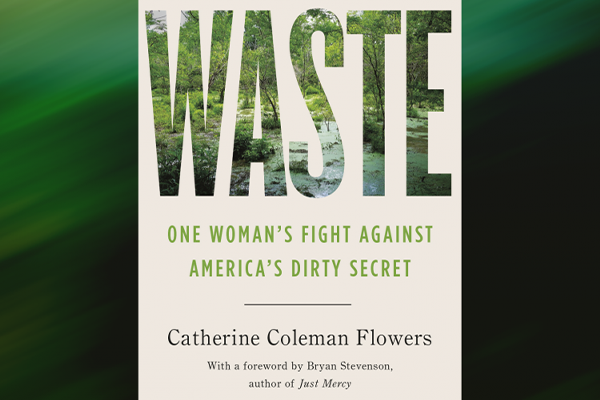
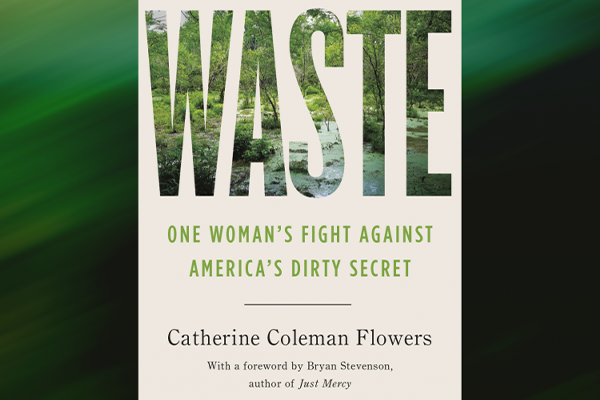
SPH Reads is a school-wide reading program hosted by the Office of Diversity, Equity, Inclusion, and Justice. The 2021 book selection is Waste: One Woman’s Fight Against America’s Dirty Secret, by Catherine Coleman Flowers.


What you'll learn

At the end of the recording, participants will be able to:

  • Discuss waste water infrastructure as an example of environmental injustice
  • Identify examples of systemic racism and classism that have negatively affected health in the United States
  • Identify possible specific activities individuals can participate in to address large issues of climate change and structural racism

Subject Matter Experts

  • Catherine Coleman Flowers

    Catherine Coleman Flowers
    @CATHFLOWERS

    Environmental and Climate Justice Activist, Author

  • Catherine Coleman Flowers is an internationally recognized environmental activist, MacArthur “genius” grant recipient, and author. She has dedicated her life’s work to advocating for environmental justice, primarily equal access to clean water and functional sanitation for communities across the United States. Founder of the Center for Rural Enterprise and Environmental Justice (CREEJ), Flowers has spent her career promoting equal access to clean water, air, sanitation, and soil to reduce health and economic disparities in marginalized, rural communities. In addition, Flowers serves as Rural Development Manager for Bryan Stevenson’s Equal Justice Initiative (EJI), is a Board Member for the Center for Earth Ethics at Union Theological Seminary, and sits on the Board of Directors for the Climate Reality Project and the Natural Resources Defense Council. Flowers is also Co-Chair of the American Academy of Arts and Sciences Commission on Accelerating Climate Action and Practitioner in Residence at Duke University. In 2021, her leadership and fervor in fighting for solutions to these issues led her to one of her most notable appointments yet — Vice Chair of the Biden Administration’s inaugural White House Environmental Justice Advisory Council. Flowers was also named Levenick Resident Scholar in Sustainable Leadership at the University of Illinois for the spring 2021 and was awarded an honorary PhD in science from Wesleyan University. As the author of Waste: One Woman’s Fight Against America’s Dirty Secret, Flowers shares her inspiring story of advocacy, from childhood to environmental justice champion. She discusses sanitation and its correlation with systemic class, racial, and geographic prejudice that affects people across the United States. She has been featured in The New York Times, The Washington Post, Bloomberg, The Guardian, and on PBS.

  • Barbara Moran

    Barbara Moran
    @MORANWRITER

    Moderator
    Senior Producing Editor
    WBUR

  • Barbara Moran, environmental editor, WBUR For more than 20 years, Moran has worked as a science journalist committed to covering issues of public health, environmental justice and the intersection of science and society. She has written for many publications, including The New York Times, New Scientist, Technology Review and the Boston Globe Magazine, and produced television documentaries for PBS and others. A few years ago she added radio reporting to her repertoire, and now runs WBUR’s three-person environmental team, which covers stories about energy, ecology and environmental justice for Boston and beyond. She was a Knight Fellow at MIT, and was twice awarded the National Association of Science Writers’ highest honor, the Science in Society Award.

Registration

Select the Enroll Me button below to register for this recording. If you have any trouble accessing the recording, contact support@nephtc.org.

Acknowledgement: This project is/was supported by the Health Resources and Services Administration (HRSA) of the U.S. Department of Health and Human Services (HHS) under grant number UB6HP31685 “Regional Public Health Training Center Program.” This information or content and conclusions are those of the author and should not be construed as the official position or policy of, nor should any endorsements be inferred by HRSA, HHS or the U.S. Government.

Course Information

  • Audience: All public health professionals working in nonprofits, healthcare, educational institutions, government and private sector
  • Format: Webinar
  • Date/Time: Thursday, January 25th, 2024 12:00 PM – 1:00 PM ET.
  • Price: Free
  • Length: 1 hour
  • Credential(s) eligible for contact hours: Sponsored by New England Public Health Training Center (NEPHTC), a designated provider of continuing education contact hours (CECH) in health education by the National Commission for Health Education Credentialing, Inc. This program is designated for Certified Health Education Specialists (CHES) and/or Master Certified Health Education Specialists (MCHES) to receive up to 1 total Category I continuing education contact hours. Maximum advanced-level continuing education contact hours are 1. Provider ID: 1131137 Event ID: PM1131137_01252024.
    If you are not seeking a CHES/MCHES contact hours, if you complete the post-test and evaluation, you will receive a Certificate of Completion. The Certificate will include the length of the course.
  • Competencies: Policy Development and Program Planning Skills
  • Learning Level: Awareness
  • Companion Trainings: None
  • Supplemental materials:None
  • Pre-requisites: None

About this Webinar

The tobacco industry wrote the playbook for all other industries that rely on predatory practices that harm human, environmental and ecological health. That playbook leads to premature death and reduced quality of life for communities, particularly those already experiencing health and economic disparities. As such, efforts to advance policies to end the sale of flavored tobacco products have social and environmental justice implications. Maine Public Health Association joined with dozens of other health, education, and business partners on a multi-year campaign to end the sale of all flavored tobacco products in Maine. We’ve made progress, but the work continues.


What you'll learn

After attending this webinar, participants will be able to:

  • Describe the toll of tobacco use in Maine
  • Describe flavored tobacco products
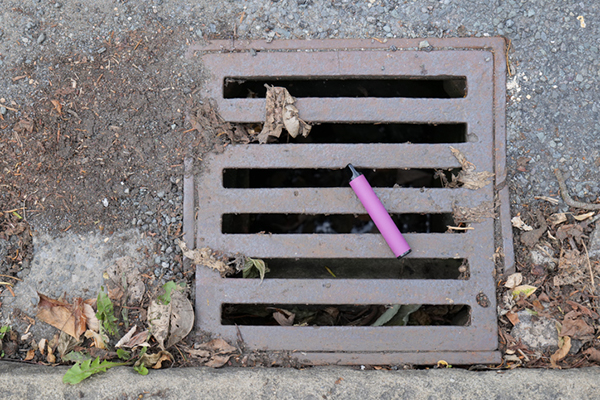
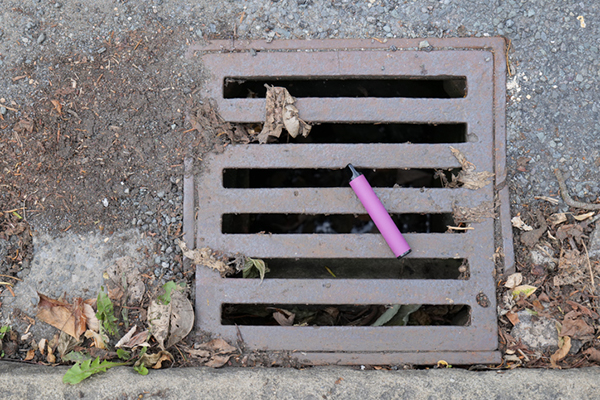
  • Describe environmental impacts of tobacco use and waste
  • Describe disproportionate harms of tobacco industry practices and the social justice implications


Subject Matter Experts

  • Becca Boulos

    Rebecca Boulos

  • Rebecca Boulos, MPH, PhD is executive director of Maine Public Health Association. Becca earned her Master of Public Health from Yale University and her PhD from Tufts University. Becca provides research expertise for MPHA’s advocacy and policy efforts.

  • Matt Wellington

    Matt Wellington

  • Matt Wellington serves as associate director of Maine Public Health Association. Matt earned his Bachelor of Arts degree from Manhattan College and has more than 10 years of experience running advocacy campaigns across the country, bringing cross-sector coalition building and communications expertise to our campaign efforts.


Registration

Select the Enroll Me button below to register for this recording. If you have any trouble accessing the recording, contact support@nephtc.org.


Acknowledgement:
This project is supported by the Health Resources and Services Administration (HRSA) of the U.S. Department of Health and Human Services (HHS) as part of award 2 UB6HP31685‐05‐00 “Public Health Training Centers.” The contents are those of the author(s) and do not necessarily represent the official views of, nor an endorsement, by HRSA, HHS or the U.S. Government.

Category: Substance Use