Health For All

Courses with keyword "Health For All"

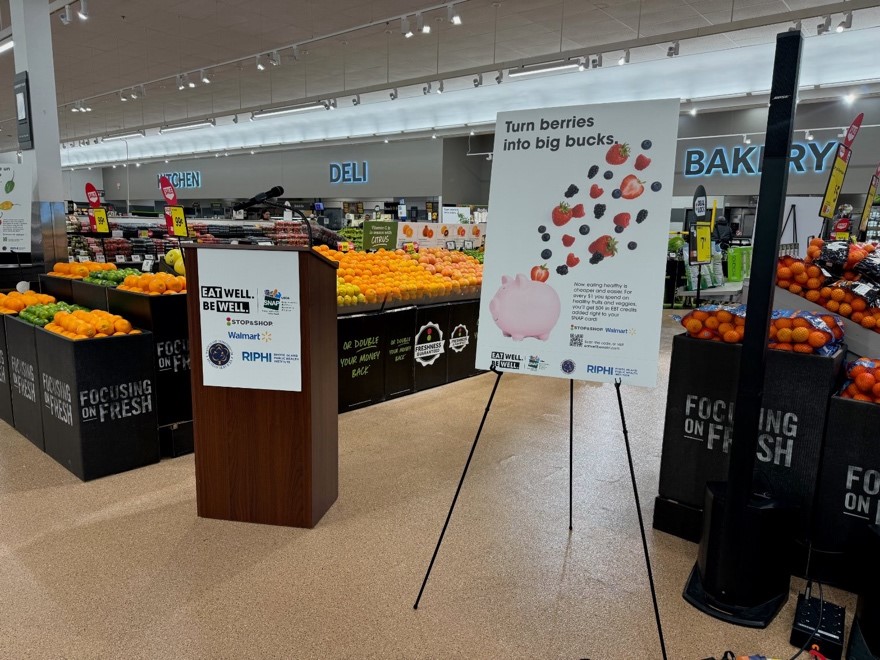
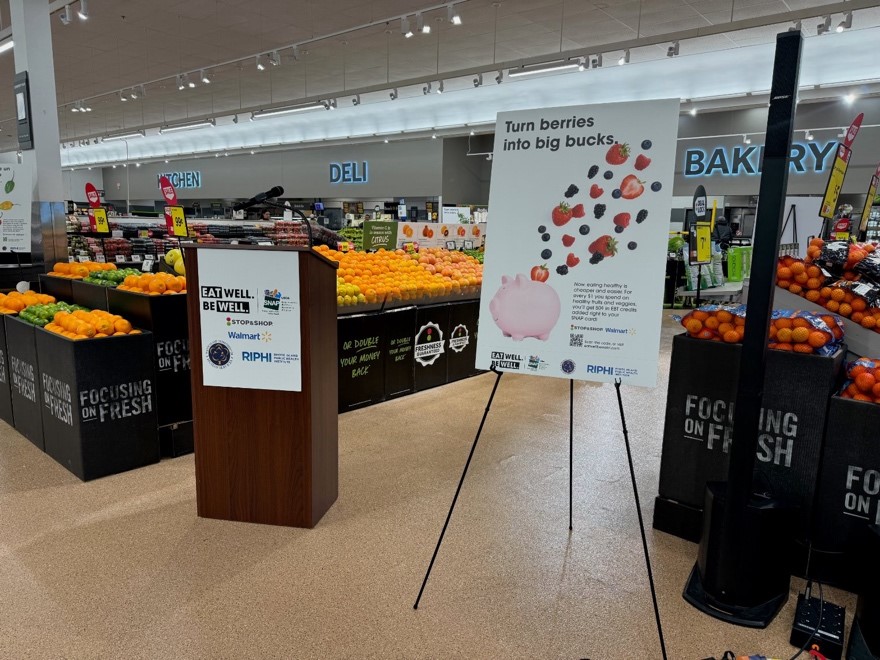
Eat Well, Be Well; Evaluating the Country's First Statewide Retail Snap Incentive Program

Eat Well, Be Well: Evaluating the Country’s First Statewide Retail SNAP Incentive Program

What are the impacts of the country’s first state-wide retail SNAP incentive program, Eat Well, Be Well?

    URI University of Rhode Island SNAP Ed Logo   

Course Information

  • Audience: Public health professionals, community health workers, and others interested in food security
  • Format: Webinar
  • Price: Free
  • Date / Time: February 4th. 2025
    1:00 PM - 2:00 PM EST
  • Credential(s) eligible for contact hours:

    Sponsored by New England Public Health Training Center (NEPHTC), a designated provider of continuing education contact hours (CECH) in health education by the National Commission for Health Education Credentialing, Inc. This program is designated for Certified Health Education Specialists (CHES) and/or Master Certified Health Education Specialists (MCHES) to receive up to 1 total Category I continuing education contact hour.  Maximum advanced-level continuing education contact hour is 0.  Provider ID: 1131137 Event ID: SS1131137_HECCDH. 
    If you are not seeking a CHES/MCHES contact hours, if you complete the post-test and evaluation, you will receive a Certificate of Completion. The Certificate will include the length of the course.

  • Competencies:Analytical / Assessment Skills
  • Learning Level: Awareness
  • Companion trainings: None
  • Supplemental materials: Powerpoint and webinar recording
  • Pre-requisites: None
  • Articulate
  • Technical Requirements:

About this Webinar

The Rhode Island Public Health Institute (RIPHI) led an advocacy campaign for a statewide SNAP incentive program in retail settings; Eat Well, Be Well. A comprehensive evaluation of the program has been ongoing to understand its impact.


What you'll learn

At the end of this webinar, you will be able to:

  • Examine the impact of Eat Well, Be Well; the country’s first statewide retail SNAP incentive program
  • Learn about conducting a state-wide program evaluation
  • Understand utilization of Eat Well, Be Well.

Subject Matter Experts
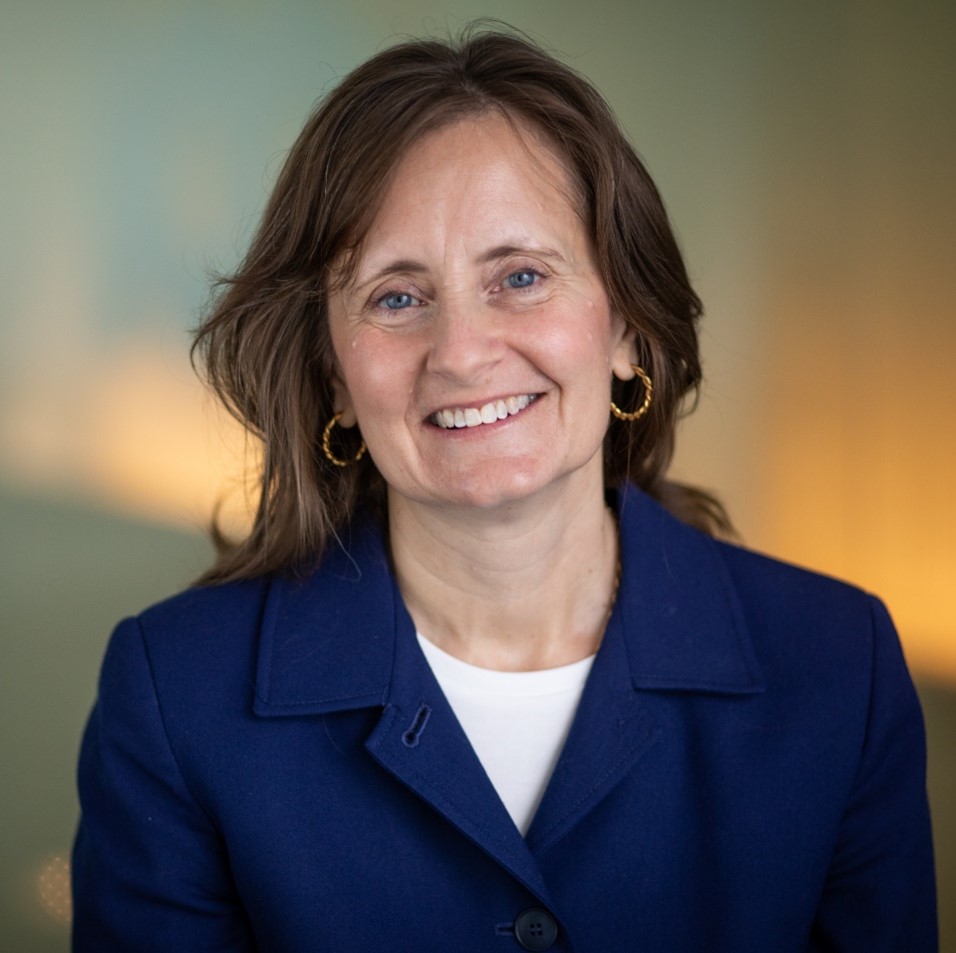
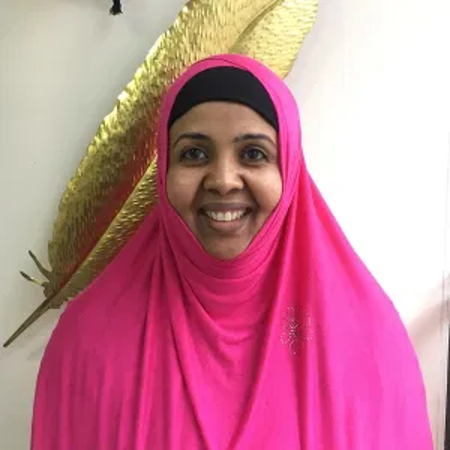
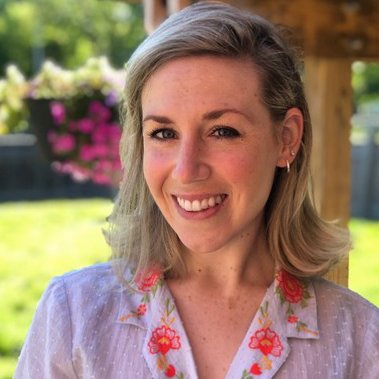
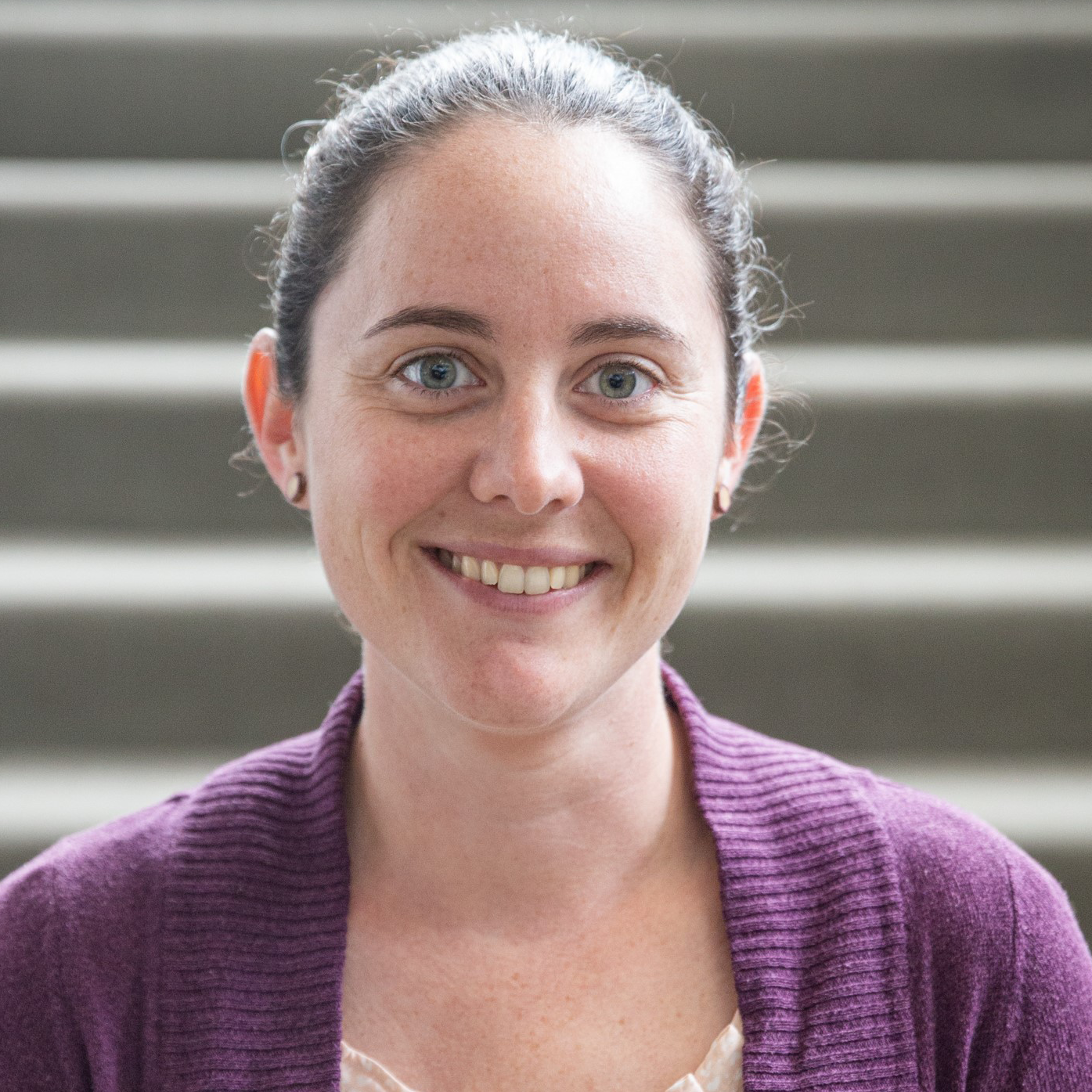
  • Image of Yelena Malyuta

    Yelena Malyuta
    Senior Director of Programs and Research
    Rhode Island Public Health Institute

  • Yelena Malyuta is the Senior Director of Programs and Research at the Rhode Island Public Health Institute. In her current role, Yelena oversees research, evaluation, programs and data infrastructure across the organization. She is passionate about data driven and community informed solutions to public health challenges. Yelena received a Master of Public Health from The University of Massachusetts and a Bachelor of Science in Medical Microbiology from the University of New Hampshire.

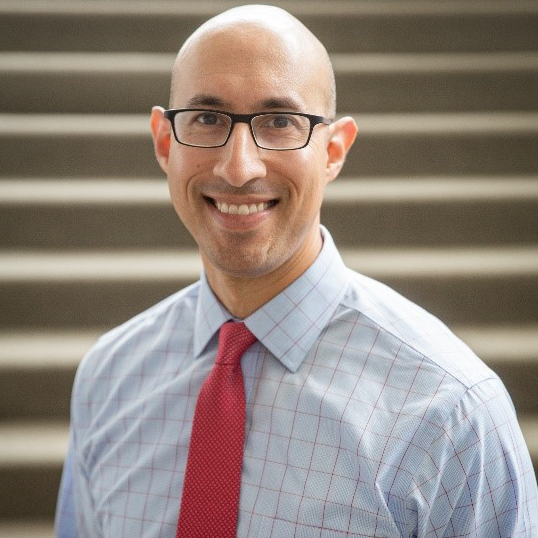
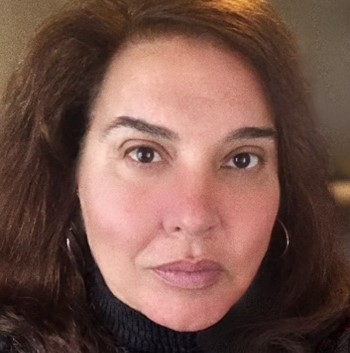
  • Image of Yelena Malyuta

    Max Erbe, MPH
    Programs and Research Director at the Rhode Island Public Health institute

  • Max Erbe, MPH, is the Programs and Research Director at the Rhode Island Public Health institute. He received his Masters in Public Health Policy from the University of Alabama at Birmingham while simultaneously completing a service year through AmeriCorps before joining RIPHI in 2022. Since then, Max has lead and contributed to a variety of initiatives focused on food access, sexual health, health policy, and public health innovation at RIPHI. He helps lead RIPHI’s evaluation of the Eat Well, Be Well program.


    Enrollment and Contact Hours

    Select the Enroll button below to register for the course. If you have any trouble accessing the course, contact support@nephtc.org.

    Acknowledgement:  This project is supported by the Health Resources and Services Administration (HRSA) of the U.S. Department of Health and Human Services (HHS) as part of award 2 UB6HP31685‐05‐00 “Public Health Training Centers.” The contents are those of the author(s) and do not necessarily represent the official views of, nor an endorsement, by HRSA, HHS or the U.S. Government.
    This training was supported by the Health Resources and Services Administration (HRSA) of the U.S. Department of Health and Human Services (HHS) as part of a financial assistance award totaling $400,000 with 100% funded by HRSA/HHS and 0% funded by nongovernment source(s). The contents are those of the author(s) and do not necessarily represent the official views of, nor an endorsement, by HRSA/HHS, or the U.S. Government.

    * Yale School of Public Health, Office of Public Health Practice, a New England Public Health Training Center partner, is a designated provider of continuing education contact hours (CECH) in health education by the National Commission for Health Education Credentialing, Inc. All CHES credit inquiries are managed by YSPH


Category: Access

Engaging Indigenous Communities in Health Activities


How can we ensure that the needs of indigenous communities are not overlooked in public health efforts?

NEPTHC New England Public Health Training Center Logo CTPHA Connecticut Public Health Assocation Logo Health Education Center Logo 

NCHEC CHES Logo

Register

Course Information

  • Audience: Public health workforce
  • Format: Recorded Webinar
  • Date/Time: Recorded on November 10 2020
  • Price: Free
  • Length: 30 min
  • Credential(s) eligible for contact hours: Sponsored by New England Public Health Training Center (NEPHTC), a designated provider of continuing education contact hours (CECH) in health education by the National Commission for Health Education Credentialing, Inc. This program is designated for Certified Health Education Specialists (CHES) and/or Master Certified Health Education Specialists (MCHES) to receive up to 1 total Category I continuing education contact hours. Maximum advanced-level continuing education contact hours are 1. Provider ID: 1131137 Event ID: 01082021. 
    If you are not seeking a CHES/MCHES contact hours, if you complete the post-test and evaluation, you will receive a Certificate of Completion. The Certificate will include the length of the course.
  • Competencies: Health Equity Skills
  • Learning Level: Awareness
  • Companion Trainings:
  • Supplemental materials:None
  • Pre-requisites: None


About this Recording

Indigenous communities, people who identify as American Indian and Alaska Native, have long faced systemic oppression in this country which is reflected in poor health outcomes. For example, indigenous communities have a life expectancy that is 5.5 years shorter than the national average. Learn about how Connecticut has treated indigenous communities in the past, how these injustices impact policy today and how you can engage this population in health planning. While the focus is on Connecticut, this presentation has information useful for practice in any state.


What you'll learn

At the end of the recording, participants will be able to:

  • Name the indigenous communities in Connecticut
  • Describe how indigenous communities have been overlooked in health equity outcomes
  • Recall examples of state policies that resulted in unjust treatment of native peoples
  • Discuss strategies for outreach and inclusion for this population

Subject Matter Expert

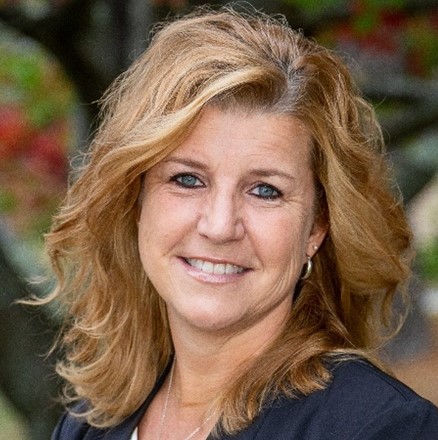
  • Michele Scott
    Michele Scott Dixon (Mashantucket Pequot)
  • Michele Scott is the Executive Director of The Health Education Center located in Norwich, CT where she works diligently to ensure that the healthcare workforce pipeline reflects the communities it serves. She brings with her a background in community health, strategic planning, program evaluation and a commitment to equity within health systems. Michele serves as Chair of the Health Care Advisory Board of the Mashantucket Pequot Tribal Nation and is a member of The Arc Eastern Connecticut Board of Directors. Michele received her B.A in Psychology and American Studies from Columbia University and her M.S. in Organizational Leadership from Quinnipiac University. She resides on the Mashantucket Pequot Reservation with her family.

    Michele is available at scott@healtheducenter.org to answer any webinar follow up questions.


    Registration

    Select the Enroll Me button below to register for this recording. If you have any trouble accessing the recording, contact support@nephtc.org.

    Acknowledgement: This project is/was supported by the Health Resources and Services Administration (HRSA) of the U.S. Department of Health and Human Services (HHS) under grant number UB6HP31685 “Regional Public Health Training Center Program.” This information or content and conclusions are those of the author and should not be construed as the official position or policy of, nor should any endorsements be inferred by HRSA, HHS or the U.S. Government.

Category: Access
Data

Establishing a State-wide Pain Registry in Maine

Establishing a State-wide Pain Registry in Maine

How can we help people who live in chronic pain?

MPHA Maine Public Health Association Logo 


Course Information

  • Audience: All public health professionals working in nonprofits, healthcare, educational institutions, government and private sector
  • Format: Webinar
  • Date/Time: Thursday, January 9th, 2025 12:00 PM – 1:00 PM ET
  • Price: Free
  • Length: 1 hour
  • Credential(s) eligible for contact hours: Sponsored by New England Public Health Training Center (NEPHTC), a designated provider of continuing education contact hours (CECH) in health education by the National Commission for Health Education Credentialing, Inc. This program is designated for Certified Health Education Specialists (CHES) and/or Master Certified Health Education Specialists (MCHES) to receive up to 1 total Category I continuing education contact hours. Maximum advanced-level continuing education contact hours are 1. Provider ID: 1131137 Event ID:PM1131137_CIMPART1.
    If you are not seeking a CHES/MCHES contact hours, if you complete the evaluations, you will receive a Certificate of Completion. The Certificate will include the length of the course.
  • Competencies: Public Health Science Skills,
    Leadership and Systems Thinking Skills
  • Learning Level: Awareness
  • Companion Trainings: None
  • Supplemental materials:PowerPoint and follow-up email with any links mentioned during presentation.
  • Pre-requisites: None
  • Technical Requirements: This webinar is hosted on the Zoom platform. Please refer to the Zoom System Specifications to ensure your system meets the minimum requirements for connecting.

About this Webinar

One in 3 Mainers experience chronic pain, which poses a significant challenge in pain
management at a population level. This webinar will raise awareness of this public
health issue and introduce the newly established Maine pain registry, with the aims to promote more public health
action to prevent chronic pain and help improve pain care for people living with chronic
pain.


What you'll learn

At the end of the recording, participants will be able to:

  1. Explain why chronic pain is a public health problem in Maine.
  2. Describe the co-morbidities associated with chronic pain.
  3. Identify factors within social determinants of health (SDOH) that may affect the pain experience.
  4. Discuss major challenges for people in Maine to receive adequate pain care and potential interventions.


Subject Matter Experts

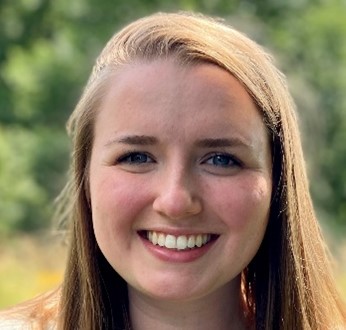
  • Ling Cao

    Dr. Ling Cao

  • Dr. Ling Cao is a professor of biomedical science at the University of New England College of Osteopathic Medicine. She is a biomedical researcher and educator, and an advocate and practitioner in interprofessional education. As an independent researcher, she continues to advance biomedical/translational research to delineate the neuroimmune mechanisms in neuropathic pain. As a medical educator, she promotes learning in interprofessional/interdisciplinary teams. Her recent research interest in population health and health informatics led her to create the first pain registry in Maine. Dr. Cao earned her M.D. from Beijing Medical University (Currently Peking University Health Science Center), her Ph.D. in Toxicology from SUNY Albany, and her Master of Public Health from the Johns Hopkins Bloomberg School of Public Health.

Registration

Select the Enroll Me button below to register for this recording. If you have any trouble accessing the recording, contact support@nephtc.org.


Acknowledgement:
This project is supported by the Health Resources and Services Administration (HRSA) of the U.S. Deparment of Health and Human Services (HHS) as part of award 2 UB6HP31685‐05‐00 “Public Health Training Centers.” The contents are those of the author(s) and do not necessarily represent the official views of, nor an endorsement, by HRSA, HHS or the U.S. Government.

Category: Access

Gun Violence is a Public Health Issue: Policy Solutions Can Save Lives

What policy actions can we take to reduce gun violence, promote gun safety, and protect public health?

MPHA Maine Public Health Association Logo


Register

Course Information

  • Audience: All public health professionals working in nonprofits, healthcare, educational institutions, government and private sector
  • Format: Webinar
  • Date/Time: Thursday, November 9th, 6:30 PM – 7:30 PM ET
  • Price: Free
  • Length: 1 hour
  • Credential(s) eligible for contact hours: Sponsored by New England Public Health Training Center (NEPHTC), a designated provider of continuing education contact hours (CECH) in health education by the National Commission for Health Education Credentialing, Inc. This program is designated for Certified Health Education Specialists (CHES) and/or Master Certified Health Education Specialists (MCHES) to receive up to 1 total Category I continuing education contact hours. Maximum advanced-level continuing education contact hours are 1. Provider ID: 1131137 Event ID:PM1131137_11092023
    If you are not seeking a CHES/MCHES contact hours, if you complete the evaluations, you will receive a Certificate of Completion. The Certificate will include the length of the course.
  • Competencies: Policy Development and Program Planning Skills
  • Learning Level: Awareness
  • Companion Trainings: None
  • Supplemental materials:PowerPoint and follow-up email with any links mentioned during presentation.
  • Pre-requisites: None
  • Technical Requirements: This webinar is hosted on the Zoom platform. Please refer to the Zoom System Specifications to ensure your system meets the minimum requirements for connecting.

About this Webinar

Gun violence is a threat to public health. As of November 1, 2023, according to the Gun Violence Archive, there have been 586 mass shootings in the United States just this year. Join us to hear from national and state experts, advocates, and policymakers about evidence-based strategies to reduce gun violence and promote gun safety, and what actions you can take to help make our communities safer.

What you'll learn

At the end of the recording, participants will be able to:

  • Describe gun-related data and research.
  • Identify evidence-based policy proposals to reduce gun violence, promote gun safety, and protect public health.
  • Identify actions that can be taken to support gun safety.


Subject Matter Experts

  • Shannon Frattaroli

    Shannon Frattaroli
    PhD, MPH, Professor and Core Faculty with the Johns Hopkins Center for Gun Violence Solutions

  • Vicki Doudera

    State of Maine
    Representative Vicki Doudera
    Co-Chair of Maine Legislature's Gun Safety Caucus

  • Margaret Groban

    Margaret Groban
    Board Member, Maine Gun Safety Coalition, former federal prosecutor, and adjunct faculty at University of Maine School of Law


Registration

Select the Enroll Me button below to register for this recording. If you have any trouble accessing the recording, contact support@nephtc.org.


Acknowledgement:
This project is supported by the Health Resources and Services Administration (HRSA) of the U.S. Deparment of Health and Human Services (HHS) as part of award 2 UB6HP31685‐05‐00 “Public Health Training Centers.” The contents are those of the author(s) and do not necessarily represent the official views of, nor an endorsement, by HRSA, HHS or the U.S. Government.

Category: Access

Maine Oral Health Dialogue

How can we continue to improve oral health and access to dental care in Maine?

MPHA Maine Public Health Association Logo  NEPTHC New England Public Health Training Center Logo UME University of Maine Logo

NCHEC CHES Logo    

Register

Course Information

  • Audience: Dental Health Professionals, Dental Health students, Dental Health Policy Makers
  • Format: Webinar
  • Date/Time: Friday 2nd April 2021, 12 PM – 1PM ET
  • Price: Free
  • Length: 1 hour
  • Credential(s) eligible for contact hours: Sponsored by New England Public Health Training Center (NEPHTC), a designated provider of continuing education contact hours (CECH) in health education by the National Commission for Health Education Credentialing, Inc. This program is designated for Certified Health Education Specialists (CHES) and/or Master Certified Health Education Specialists (MCHES) to receive up to 1 total Category I continuing education contact hours. Maximum advanced-level continuing education contact hours are 1. Provider ID: 1131137 Event ID: SS1131137_HEDMOHE
     If you are not seeking a CHES/MCHES contact hours, if you complete the post-test and evaluation, you will receive a Certificate of Completion. The Certificate will include the length of the course.
  • Competencies: Leadership and Systems Thinking Skills
  • Learning Level: Awareness
  • Companion Trainings: None
  • Supplemental materials:Power point
  • Pre-requisites: None

About this Webinar

In this webinar, we will host a panel of experts on oral health. We will be discussing access to care, barriers and inequalities prevalent in Maine in relation to dental care. Speakers from UMA’s Dental Health Programs, From the First Tooth, and Partnership for Children’s Oral Health, will share their expertise on the topic.


What you'll learn

At the end of the webinar, participants will be able to:

  • Describe oral health inequity in Maine
  • List 2 ways to increase access to dental care in Maine
  • Describe 3 resources for professionals who are improving Maine’s Dental Health

Subject Matter Experts


  • Jennifer Crittenden, PhD, MSW

    Assistant Professor in the UMaine School of Social Work

  • Jennifer Crittenden, PhD, MSW is an assistant professor in the UMaine School of Social Work as well as the Associate Director of the University of Maine Center on Aging. Dr. Crittenden has over fifteen years of experience in professional and community education, program evaluation and program planning. Nearly all research projects and grant-funded programs under her management entail the translation of academic research into professional and public education programs, events, and dissemination activities. Her experience in healthcare research and evaluation includes a variety of initiatives aimed at prevention and quality improvement across the care spectrum. Dr. Crittenden is currently the evaluation co-lead for the statewide AgingME Geriatrics Workforce Enhancement Program. She is also co-PI for The Mayer-Rothschild Foundation Designation of Excellence in Person-Centered Long-Term Care Project, a project that is developing a national framework from which person-centered care can be defined and implemented in long-term care settings. Dr. Crittenden has also spearheaded a primary care elder abuse screening project, served as a consultant for an educational initiative focused on care transitions, and has served as a lead evaluator for two oral health initiatives implemented within primary care and long-term care settings.


  • Kellie A Stanhope RDH, BSDH, EFDA

    Program Coordinator at Northern Light
    Health

  • Kellie Stanhope has worked for 36 years as a clinical dental hygienist, practicing in many settings, including private practice, Indian Health Services public health, and as a clinical instructor. She is a graduate of University of Maine, Orono and University of Maine Augusta-Bangor, and is currently employed at Northern Light Health as Program Coordinator, Child Health within the Community Health and Grants Department. She works directly with the Raising Readers and From the First Tooth Programs and is a Professional Clinical Teacher II in the Dental Health Programs at the University of Maine at Augusta-Bangor campus. She provides clinical instruction in the senior Dental Hygiene Clinic and is clinical lead for the Local Anesthesia and Expanded Function Dental Auxiliary labs.


  • Kalie Hess

    Associate Director for Partnership for Children’s Oral Health

  • Kalie Hess works at the Partnership for Children’s Oral Health, working to build a network of partners in Maine who are dedicated to eradicating dental disease in children. Dental disease is an equity issue, and she approaches this work through that perspective. Prior to working at PCOH, Kalie worked with Maine’s Federally Qualified Health Centers to implement quality improvement, policy, and systems solutions to increase access to health care for underserved people. Kalie has a background of working locally and at the state level to promote community health and wellbeing through community coalition efforts. Kalie brings to her work a commitment to addressing health equity and the underlying causes that prevent people from thriving – whether that is addressing barriers in transportation systems, improving confidence in public health efforts, or working to build new systems that better serve the people they are intended to help. Kalie received her Bachelor’s in Anthropology from the University of Maine and her Master of Public Health from the University at Albany.


  • Kathryn Walker, RDH, EFDA, MSEd

    Assistant Professor of Dental Health at UMA

  • Kathryn Walker is Assistant Professor of Dental Health at the University of Maine, Augusta. In April 2020, she was appointed by Governor Janet Mills to serve a five-year term as a member of the Maine Board of Dental Practice (MBDP). The MBDP is a state regulatory agency that meets monthly with a primary focus in the protection of the public through individual dental professional regulation.


  • Hibo Omer, MPH

    Consultant for Public Health

  • Hibo Omer is a consultant for public health and diversity who educates and advocates in Maine. Hibo earned her Bachelors of Science from the University of Southern Maine, and her Master’s in Public Health from University of New England. Hibo, who was born in Ethiopia and acculturated in Somali, identifies herself as Ethio-SoMainer because she has lived most of her life in Maine. Hibo’s history has included working in Social Service with the New Mainers’ community from resettlement to connecting New Mainers to service. Additionally, she worked with the NH-ME Leadership Education in Neurodevelopmental and Related Disabilities (LEND) Program as Public Health and Diversity Consultant. She is a co-founder of an international NGO called New Mainers Public Health–Horn of Africa, which provides public health consultation in public health disability and the program of Behavioral Health Professional (BHP) services. Hibo is a co-founder of Smart Health Consultant, a consulting firm that focuses on public health projects, diversity training, and strategic planning.


  • Carrie Woodcock

    Executive Director for Maine Parent Federation

  • Carrie Woodcock is a graduate from Saint Joseph's College in Maine with a BA in liberal arts. She spent 15 years after graduation in the filed of sales and marketing. Six years after the birth of her daughter she joined Maine Parent Federation as the Regional Family Support Coordinator for Southern Maine. Five years ago she became the Executive Director for Maine Parent Federation. She has a son who is 16 years old who is diagnosed with Dyslexia and ADHD a 14 year old daughter with Down Syndrome. She has been advocating for the needs of her children across all systems of care since 2007. Her work with Maine Parent Federation has allowed her to share my knowledge and experience with parents and professionals alike since 2013.


Registration

Select the Enroll Me button below to register for this webinar. If you have any trouble accessing the recording, contact support@nephtc.org.

Acknowledgement: This project is/was supported by the Health Resources and Services Administration (HRSA) of the U.S. Department of Health and Human Services (HHS) under grant number UB6HP31685 “Regional Public Health Training Center Program.” This information or content and conclusions are those of the author and should not be construed as the official position or policy of, nor should any endorsements be inferred by HRSA, HHS or the U.S. Government.

Category: Access

Course Information

  • Audience: Community health workers, public health professionals, social service providers, policymakers
  • Format: Webinar
  • Date/Time: Tuesday, May 24th 2022
    11:00 AM – 12:00 PM EST
  • Price: Free
  • Length: 1 hour
  • Credential(s) eligible for contact hours: Sponsored by New England Public Health Training Center (NEPHTC), a designated provider of continuing education contact hours (CECH) in health education by the National Commission for Health Education Credentialing, Inc. This program is designated for Certified Health Education Specialists (CHES) and/or Master Certified Health Education Specialists (MCHES) to receive up to 1 total Category I continuing education contact hours. Maximum advanced-level continuing education contact hours are 1. Provider ID: 1131137 Event ID: PM1131137_05242022.
    If you are not seeking a CHES/MCHES contact hours, if you complete the post-test and evaluation, you will receive a Certificate of Completion. The Certificate will include the length of the course.
  • Competencies: Policy Development and Program Planning Skills
  • Learning Level: Awareness
  • Companion Trainings: None
  • Supplemental materials:None
  • Pre-requisites: None

About this Webinar

This webinar will describe the intersection between homelessness and housing and public health and health outcomes. It will discuss how housing is a social determinant of health and identify local solutions to ending homelessness.


What you'll learn

At the end of the course, participants will be able to:

  • Describe what homelessness looks like in Maine
  • Describe how homelessness intersects with health promotion and disease prevention
  • Identify 1-2 services and solutions to homelessness
  • Identify 1-2 ways Maine is approaching the design and delivery of homelessness services


Subject Matter Experts

  • Lauren Bustard

    Lauren Bustard

  • Lauren Bustard is the Senior Director of Homeless Initiatives at MaineHousing. Prior to joining MaineHousing in 2012, she worked for many years in social service and education programs in Maine, and in refugee and international development programs in Latin America and Southeast Asia.

  • Courtney Pladsen

    Courtney Pladsen
    DNP, FNP-BC

  • Courtney Pladsen is the Clinical Director at the National Health Care for the Homeless Council where she leads national efforts to improve health care quality and access for people experiencing homelessness through quality improvement initiatives, technical assistance, research, policy/advocacy, and training. She is a current fellow in the Robert Wood Johnson Foundation Culture of Health Leader program for her work at the intersection of health and housing. She works clinically providing medical, mental health, and substance use treatment to people who are experiencing homelessness at the FQHC Greater Portland Health in Portland, Maine.

  • Cullen Ryan

    Cullen Ryan

  • Cullen Ryan has a 35-year career serving homeless and special needs populations. A formerly licensed clinician (LICSW) with a BA from the University of Vermont and a MA in Counseling and Psychological Services from St. Mary’s University (Minnesota), Cullen has provided street outreach, case management, family therapy, and individual/group psychotherapy to homeless adults, families, and adolescents in a variety of clinical and non-clinical settings in three states. Since 2004, Cullen Ryan has served as Executive Director of Community Housing of Maine, the largest housing provider for homeless populations in the state. Cullen currently co-chairs or chairs several Boards and Coalitions, and he serves as President of the Board of Directors for the Maine CoC. Cullen was a past Chair of the Maine Affordable Housing Coalition, and recent Acting Chair of Maine’s Statewide Homeless Council, and actively serves on both. For more on Community Housing of Maine, go to www.chomhousing.org

  • Erin Healy

    Erin Healy

  • Erin Healy is a Strategy Lead for Large Scale Change at Built for Zero. Her work focuses on implementing the Built for Zero model on a statewide level. She has worked on issues related to the homeless sector for over fifteen years. Erin specializes in systems improvement, movement building, and helping collaborative teams set and achieve clear, measurable goals. After several years as an independent consultant, Erin re-joined the Community Solutions team in 2021. She was a member of CS’s 100,000 Home Campaign team (2012 – 2014) and helped launch Built for Zero in 2016. Erin holds a JD from the University of Washington School of Law and an MFA in Writing from Sarah Lawrence College.

  • Donna Kelley

    Donna Kelley
    MSW, LCSW

  • Donna Kelley is the President and CEO of Waldo Community Action Partners. She is Licensed Clinical Social Worker in the state of Maine and joined WCAP in 2018. Prior to that she worked for Kennebec Behavioral Health for 19 years. Donna has been immersed in the community mental health and social services field for 32 years. She has worked to plan, develop, implement, and restructure mental health and community service programs and systems by working with local, regional, and statewide community-based organizations, groups, and governmental agencies to improved access and quality of services for consumers allowing for improved quality of life and greater self-sufficiency. Donna earned her undergraduate degree in Biology from the University of Maine, and her Master’s in Social Work from the University of New England in Biddeford.

  • Rich Hooks Wayman

    Rich Hooks Wayman

  • Rich Hooks Wayman serves as the President and CEO for Volunteers of America Northern New England (www.voanne.org), a nonprofit organization offering affordable housing, residential care and community based social services to communities in Maine and New Hampshire. Prior to his tenure at Volunteers of America, Richard served as the National Executive Director for the Children’s Defense Fund. Additionally, Richard was the CEO of a regional child welfare agency in Massachusetts, was the Executive Director of a statewide supportive housing program serving long term homeless persons in Minnesota, and conducted federal legislative advocacy and policy analysis for the National Alliance to End Homelessness. Richard attended the University of Iowa College of Law, graduating with a Juris Doctor in 1992, and the University of Iowa College of Law, graduating with a Juris Doctor in 1992. He is a member of the American Bar Association to has been appointed to the Commission on Homelessness and Poverty. Richard and his husband (Aaron) have six adoptive children.

Registration

Select the Enroll Me button below to register for this recording. If you have any trouble accessing the recording, contact support@nephtc.org.

Acknowledgement: This project is/was supported by the Health Resources and Services Administration (HRSA) of the U.S. Department of Health and Human Services (HHS) under grant number UB6HP31685 “Regional Public Health Training Center Program.” This information or content and conclusions are those of the author and should not be construed as the official position or policy of, nor should any endorsements be inferred by HRSA, HHS or the U.S. Government.

Category: Access
Person tightrope walking across a canyon in a mountainous region

Incarceration: A Public Health Crisis

Why are people who are without health insurance seven times more likely to become incarcerated?

MPHA Maine Public Health Association Logo  


Course Information

  • Audience: All public health professionals working in nonprofits, healthcare, educational institutions, government and private sector
  • Format: Webinar
  • Date/Time: Thursday, September 5th, 2024 12:00 PM – 1:00 PM ET.
  • Price: Free
  • Length: 1 hour
  • Credential(s) eligible for contact hours: Sponsored by New England Public Health Training Center (NEPHTC), a designated provider of continuing education contact hours (CECH) in health education by the National Commission for Health Education Credentialing, Inc. This program is designated for Certified Health Education Specialists (CHES) and/or Master Certified Health Education Specialists (MCHES) to receive up to 1 total Category I continuing education contact hours. Maximum advanced-level continuing education contact hours are 1. Provider ID:  Event ID: .
    If you are not seeking a CHES/MCHES contact hours, if you complete the post-test and evaluation, you will receive a Certificate of Completion. The Certificate will include the length of the course.
  • Competencies: Health Equity Skills
  • Learning Level: Awareness
  • Companion Trainings: None
  • Supplemental materials:None
  • Pre-requisites: None

About this Webinar

This presentation will provide an overview of how Maine’s current incarceration system reflects critical economic determinants of health and how incarceration affects Maine’s economy, community health and safety. It will also outline the steps necessary to prevent or mitigate the harm done to individuals, families and communities from our over reliance on incarceration.


What you'll learn

After attending this webinar, participants will be able to:

  • Identify the economic determinants of health at the center of the current failures of the carceral system.
  • Describe four specific health related problems associated with the carceral system and how they affect public health in Maine.
  • Identify three solutions that could improve health outcomes for incarcerated people and for the communities receiving these people on release.


Subject Matter Experts

    Jan Collins

    Jan Collins

    Retired high school science teacher and blueberry farmer, Jan became involved with criminal justice reform when her son was incarcerated in 2012. Since then, she has served on the Board of Visitors for Franklin County Jail, acts as Maine Prisoner Advocacy Coalition’s liaison with the prison branch of the NAACP, and regularly testifies before the legislature on issues related to criminal justice reform. She is assistant director of Maine Prisoner Advocacy Coalition.


Registration

Select the Enroll Me button below to register for this recording. If you have any trouble accessing the recording, contact support@nephtc.org.

Enroll Me


Acknowledgement:
This project is supported by the Health Resources and Services Administration (HRSA) of the U.S. Department of Health and Human Services (HHS) as part of award 2 UB6HP31685‐05‐00 “Public Health Training Centers.” The contents are those of the author(s) and do not necessarily represent the official views of, nor an endorsement, by HRSA, HHS or the U.S. Government.

Category: Access

On the Brink: Health Care in Maine and America

Why is the U.S. health care “system” so broken, and what will it take to fix it?

MPHA Maine Public Health Association Logo 

Register

Course Information

  • Audience: All public health professionals working in nonprofits, housing, healthcare, educational institutions, government and private sector
  • Format: Webinar
  • Date/Time: Thursday, April 4th, 2024 12:00 PM – 1:00 PM ET.
  • Price: Free
  • Length: 1 hour
  • Credential(s) eligible for contact hours: Sponsored by New England Public Health Training Center (NEPHTC), a designated provider of continuing education contact hours (CECH) in health education by the National Commission for Health Education Credentialing, Inc. This program is designated for Certified Health Education Specialists (CHES) and/or Master Certified Health Education Specialists (MCHES) to receive up to 1 total Category I continuing education contact hours. Maximum advanced-level continuing education contact hours are 1. Provider ID: 1131137 Event ID: PM1131137_02012024.
    If you are not seeking a CHES/MCHES contact hours, if you complete the post-test and evaluation, you will receive a Certificate of Completion. The Certificate will include the length of the course.
  • Competencies: Policy Development and Program Planning Skills
  • Learning Level: Awareness
  • Companion Trainings: None
  • Supplemental materials:None
  • Pre-requisites: None

About this Webinar


This webinar will briefly review the problematic state of health care in Maine and America and three interlocking factors contributing to its deterioration:  lack of access to care, increasing corporatization of health care, and provider shortages.  There is no one fix for health care in America, but a publicly funded, universal system of care would greatly improve the current situation.  We will discuss what such a system might look like in Maine, how we might get there, what challenges will hinder its establishment, and what problems it will not solve.


What you'll learn

At the end of the webinar, participants will be able to:

  • Identify and discuss several current problems with the health care system in Maine and America
  • Explain one model for publicly funded, universal health care in Maine
  • Describe several challenges to achieving such a system and assuring its effectiveness


Subject Matter Expert

  • David Jolly

    David Jolly

  • David Jolly, DrPH retired after 17 years of teaching in the Department of Public Health Education at North Carolina Central University, where he conducted prevention research on HIV/AIDS, tobacco, and cancer. He also designed and taught a public health policy course focusing on access to health care. Prior to teaching, Dr. Jolly spent over 15 years working in public health, largely in the field of HIV/AIDS. He served as the first Head of the NC State AIDS Control Branch, the Manager of the North Carolina AIDS Training Network, and the Director of the American Social Health Association’s CDC Hotlines Project Office, where he coordinated the national AIDS, STD, and immunization hotlines. He currently volunteers at the Surry Elementary School and serves on the board of Maine AllCare.


Registration

Select the Enroll Me button below to register for this recording. If you have any trouble accessing the recording, contact support@nephtc.org.


Acknowledgement:
This project is supported by the Health Resources and Services Administration (HRSA) of the U.S. Department of Health and Human Services (HHS) as part of award 2 UB6HP31685‐05‐00 “Public Health Training Centers.” The contents are those of the author(s) and do not necessarily represent the official views of, nor an endorsement, by HRSA, HHS or the U.S. Government.

Category: Access

Public Health, Medicine and Poverty

How has housing policy contributed to the disproportionate and extreme housing cost burdens of people and families of color?

 BUSPH Boston University School of Public Health LogoNCHEC CHES Logo    


Register

Course Information

  • Audience: Public Health Professionals
  • Format: Recorded Webinar
  • Date/Time: Thursday, December 10th 2020 4:30 PM – 6 PM EST.
  • Price: Free
  • Length: 1.5 hours
  • Credential(s) eligible for contact hours: Sponsored by New England Public Health Training Center (NEPHTC), a designated provider of continuing education contact hours (CECH) in health education by the National Commission for Health Education Credentialing, Inc. This program is designated for Certified Health Education Specialists (CHES) and/or Master Certified Health Education Specialists (MCHES) to receive up to 1 total Category I continuing education contact hours. Maximum advanced-level continuing education contact hours are 1. Provider ID: 1131137 Event ID: SS1131137_PHMP. 
    If you are not seeking a CHES/MCHES contact hours, if you complete the post-test and evaluation, you will receive a Certificate of Completion. The Certificate will include the length of the course.
  • Competencies: Health Equity Skills
  • Learning Level: Awareness
  • Companion Trainings: None
  • Supplemental materials:Noe
  • Pre-requisites: None

About this Recording

Poverty poses a serious threat to the health of the public, as those living in poverty are less likely to be able to access the conditions that promote health. Panelists will discuss the intersections of health, medicine, and poverty, and how addressing the social factors that create health can lead to greater health for all.


What you'll learn

At the end of the recording, participants will be able to:

  • Describe the role of housing instability in health of individuals and of populations
  • List at least 3 risk factors for poor health outcomes that are associated with poverty
  • Describe the interrelationship among Medicaid, race, and poverty
  • Discuss the role of power as a social determinant of health and how it can be used to create change


Moderator

  • Natalia Linos

    Natalia Linos

    Executive Director, FXB Center at Harvard University


Subject Matter Experts

  • Soni Gupta

    Soni Gupta

    Director of Neighborhoods and Housing

  • Jamila Michener

    Jamila Michener

    Associate Professor, Cornell
    University

  • Phillomin Laptiste

    Phillomin Laptiste

    Executive Director, Beth Israel Deaconess Medical Center

  • Hermina Palacio

    Herminia Palacio

    President and CEO, Guttmacher
    Institute

  • Michael Stein

    Michael Stein

    Professor, Boston University School of Public Health

Registration

Select the Enroll Me button below to register for this recording. If you have any trouble accessing the recording, contact support@nephtc.org.

Acknowledgement: This project is/was supported by the Health Resources and Services Administration (HRSA) of the U.S. Department of Health and Human Services (HHS) under grant number UB6HP31685 “Regional Public Health Training Center Program.” This information or content and conclusions are those of the author and should not be construed as the official position or policy of, nor should any endorsements be inferred by HRSA, HHS or the U.S. Government.

Category: Access

Supporting Infant Feeding Goals in the First 4 Weeks

Do you ever feel conflicted about how to best support families' feeding goals when you also have concerns about infant weight gain?

MPHA Maine Public Health Association Logo 

Maine AAP
 

Course Information

  • Audience: All public health professionals working in nonprofits, healthcare, educational institutions, government and private sector
  • Format: Webinar
  • Date/Time: Thursday, November 14th, 12:00 PM – 1:00 PM ET
  • Price: Free
  • Length: 1 hour
  • Credential(s) eligible for contact hours: Sponsored by New England Public Health Training Center (NEPHTC), a designated provider of continuing education contact hours (CECH) in health education by the National Commission for Health Education Credentialing, Inc. This program is designated for Certified Health Education Specialists (CHES) and/or Master Certified Health Education Specialists (MCHES) to receive up to 1 total Category I continuing education contact hours. Maximum advanced-level continuing education contact hours are 1. Provider ID: 1131137 Event ID:PM1131137_CIMPART1.
    If you are not seeking a CHES/MCHES contact hours, if you complete the evaluations, you will receive a Certificate of Completion. The Certificate will include the length of the course.
  • Competencies: Communication Skills,
    Health Equity Skills,
    Community Partnership Skills
  • Learning Level: Awareness
  • Companion Trainings: None
  • Supplemental materials:PowerPoint and follow-up email with any links mentioned during presentation.
  • Pre-requisites: None
  • Technical Requirements: This webinar is hosted on the Zoom platform. Please refer to the Zoom System Specifications to ensure your system meets the minimum requirements for connecting.

About this Webinar

Maine Public Health Association, Maine Chapter of the American Academy of Pediatrics, and Maine State Breastfeeding Coalition are coming together for a discussion around supporting the breastfeeding dyad in the first month of life.

Join us for a refresher on the reasons why human milk is recommended, and how to support families' feeding goals while also ensuring proper weight gain. Hear how experts in the field handle particularly tricky scenarios in the first 4 weeks. From discharge planning before the second stage of lactogenesis starts, to that first post-discharge weight check, and the start of those especially gassy/fussy weeks, learn some different strategies and scripts for supporting families whose goals are to exclusively feed human milk.


What you'll learn

At the end of the recording, participants will be able to:

  1. Review reasons why exclusive human milk feeding is recommended and its connection to obesity prevention.
  2. Discuss appropriate weight loss and identify 3 tools for addressing higher than average weight loss for the exclusively breastfed baby in the first 4 weeks.
  3. Understand when to recommend pumping and/or supplementing in the first 4 weeks of the infant’s life
  4. Identify new parent and professional resources for breast/chestfeeding information and support

Subject Matter Experts

  • Kara Kaikini

    Kara Kaikini

  • Kara Kaikini is the Executive Director of the Maine State Breastfeeding Coalition. She has been an International Board Certified Lactation Consultant since 2009 and has supported new families for over 20 years as a home visitor, postpartum doula, lactation consultant, childbirth education and lactation services program manager, prenatal educator, and postpartum group facilitator. She was the Lactation Specialist for Maine CDC's Maternal Child Health Program/Perinatal Outreach & Education Consultant Program from 2016 - 2022 and is a member of the Perinatal Quality Collaborative of Maine (PQC4ME) Steering Committee. Kara is passionate about reducing barriers preventing families from meeting their infant feeding and maternal mental health goals through education, support, connection, and advocacy. Kara lives in Freeport with her husband and two energetic boys and also serves on the RSU5 School Board.

  • Paula Norcott

    Paula Norcott

  • Paula Norcott is the co-owner of Maine Mother and Company, a perinatal resource center in Brunswick, Maine. She is also the Breastfeeding Educator with Maine's Perinatal Outreach and Education Consultation Services. Paula is a lactation consultant with over 23 years of experience serving feeding parents. She got her start in this work as a peer counselor for WIC in Plymouth, Massachusetts in 1999. She worked in a fast-paced hospital setting for 5+ years. Paula currently works in private practice, in the infant feeding tech world and consults for both the state as well as a well-known pump company. Frustrated by how nipple pain is brushed off and how slow infant weight gain is blamed on feeding parents, Paula has made it her mission to help these families feel confident in their plan and their ability to feed their tiny humans with a mental health first approach. When not helping other families, Paula can be found at home, with her husband and at least a few of her five children, likely drinking GOOD chai, knitting and obsessing about when the next Percy Jackson episode will be released.

  • Scott Gagnon

    Dr. Kelsey Walton

  • Dr. Kelsey Walton is a primary care pediatrician at Kennebec Pediatrics in Augusta, ME. Prior to transitioning to primary care almost two years ago, she practiced as a pediatric hospitalist for 9 years at Maine General Medical Center. Kelsey is a mom to two boys ages 3 and 5 years. They love camping and spending time outdoors. Kelsey enjoys gardening, beekeeping, and reading.


Registration

Select the Enroll Me button below to register for this recording. If you have any trouble accessing the recording, contact support@nephtc.org.


Acknowledgement:
This project is supported by the Health Resources and Services Administration (HRSA) of the U.S. Deparment of Health and Human Services (HHS) as part of award 2 UB6HP31685‐05‐00 “Public Health Training Centers.” The contents are those of the author(s) and do not necessarily represent the official views of, nor an endorsement, by HRSA, HHS or the U.S. Government.

Category: Access

Oral Health: An Important Component of Overall Health and Wellbeing

As a CHW, what can you do to support the oral health of the individuals you serve?

 Vermont Department of Health Logo
  Community Health Workers of Vermont Logo                       


Register

Course Information

  • Audience: Community health workers (or similar roles), patient navigators, health educators
  • Format: Webinar
  • Date/Time: Thursday, May 18th 2023 12:00 PM – 1:00 PM EST.
  • Price: Free
  • Length: 1 hour
  • Credential(s) eligible for contact hours: Sponsored by New England Public Health Training Center (NEPHTC), a designated provider of continuing education contact hours (CECH) in health education by the National Commission for Health Education Credentialing, Inc. This program is designated for Certified Health Education Specialists (CHES) and/or Master Certified Health Education Specialists (MCHES) to receive up to 1 total Category I continuing education contact hours. Maximum advanced-level continuing education contact hours are 0. Provider ID: 1131137 Event ID:  PM1131137_05182023.
    If you are not seeking a CHES/MCHES contact hours, if you complete the post-test and evaluation, you will receive a Certificate of Completion. The Certificate will include the length of the course.
  • Competencies: Community Partnership Skills
  • Learning Level: Awareness
  • Companion Trainings: MCD Global Health Chronic Conditions Trainings: Free to Vermont Community Health Workers until June 30, 2023: To learn more or enroll, visit: https://chwtraining.mcdph.org
    Smiles for Life: 
    https://www.nephtc.org/mod/url/view.php?id=4472
  • Pre-requisites: None
  • Supplemental Materials: PowerPoint

About this Webinar

Oral health is an essential part of overall health and wellbeing. Poor oral health has a negative impact on quality of life and is linked to chronic conditions, including stroke, heart and lung disease, and diabetes. In addition, poor oral health can be stigmatizing, which negatively affects mental health and may contribute toward socioeconomic disparities. Community health workers are well poised to support oral health education and access to care in their roles. Join this webinar to learn about how CHWs can help improve the oral health of people they serve. 


What you'll learn

At the end of the webinar, participants will be able to:

  • Discuss the relationship between oral health and overall health.
  • List oral health resources available for individuals served by CHW in Vermont.
  • Explore opportunities to integrate oral health care into CHW role.


Subject Matter Experts

  • Robin Miller

    Robin Miller
    RDH, MPH 

  • Robin Miller, RDH, MPH, has been employed by the Vermont Department of Health’s Office of Oral Health since 1998. She began her career with the State as a Dental Health Educator and was promoted to Oral Health Director in 2015. Robin serves as Secretary on the Executive Board of the Association of State and Territorial Dental Directors and is the chairperson of the ASTDD’s Basic Screening Survey Community of Practice. In addition to her work with ASTDD, she is a former board member and current member of the Vermont Public Health Association and was the 2016 recipient of the VT Dental Hygienists’ Association Outstanding Dental Hygienist award.

  • Debora Teixeira

    Debora Teixeira 


  • Debora Teixeira received a degree in Dentistry from the University of São Paulo, Brazil, and a Master of Education focusing on Adult Education and Public Health from the University of Vermont. Prior to relocating to the United States, she worked for 12 years as a Public Health Dentist for the São Paulo State Health Department, providing dental care and oral health education primarily to underserved children and adults in community health centers and public schools. In addition, Debora has worked in private practice and taught Oral Diagnosis to first-year dental students. Currently, Debora works for the Vermont Department of Health, where she serves as the Oral Health Systems Administrator and as the 802 Smiles Network of School Dental Health Programs Coordinator.

  • Burt Edelstein

    Burt Edelstein


  • Burton L. Edelstein DDS MPH, Columbia University Professor Emeritus of dentistry and public health, is a pediatric dentist who has dedicated his clinical, research, teaching, and advocacy career to improving the oral health of socially disadvantaged children. Edelstein practiced in Connecticut for 21 years before engaging full time in pediatric oral health policy as Congressional Health Aide to the US Senate Minority Leader, Commissioner of the federal Medicaid and CHIP Payment and Access Commission (MACPAC), Founder of the DC-based Children’s Dental Health Project, and Chair of Population Oral Health at Columbia. Since 2008, Edelstein and his team have been awarded over $9M to develop and test a novel pediatric dental caries prevention and disease management program called MySmileBuddy. The MySmileBuddy Program and its educational technology supports value-based care and interdisciplinary delivery models, addresses social determinants of health, builds on established cariology science and behavior-change theory, and holds promise to enhance oral health equity through early intervention and redistribution of resources. Edelstein is a graduate of SUNY Binghamton, SUNY Buffalo dental school, and the Harvard School of Public Health. He trained at SUNY Upstate Medical Center and Boston Children’s Hospital. His work has been nationally recognized by associations of pediatric (AAPD) and public health dentistry (ASTDD, AAPHD, MSDA), dental students (ASDA), dental societies (ACD, ICD, CDS, CSDA), the dental research community (FNIDCR), foundations (Shils, NYSDAF, OHA) and educators (Maryland, Harvard, Columbia, ADEA).


    Registration

    Select the Enroll Me button below to register for this recording. If you have any trouble accessing the recording, contact support@nephtc.org.


    Acknowledgement:
    This project is supported by the Health Resources and Services Administration (HRSA) of the U.S. Department of Health and Human Services (HHS) as part of award 2 UB6HP31685‐05‐00 “Public Health Training Centers.” The contents are those of the author(s) and do not necessarily represent the official views of, nor an endorsement, by HRSA, HHS or the U.S. Government.

Category: Chronic Disease

Course Information

  • Audience: Public health professionals, program managers, people working in providers and community services, behavioral health, mental health
  • Format: Online Facebook Live interview series
  • Date/Time: FBLive Interview 1 - Tues, Feb 19, 2019, 12:00 ET
    FBLive Interview 2 - Tues, Mar 5, 2019, 12:00 ET
    FBLive Interview 3 - Tues, Mar 19, 2019, 12:00 ET
  • Price: Free
  • Length: 3 part series - 30-45 minutes each
  • Credential(s) eligible for contact hours: Certificate of completion
  • Competencies: Health Equity Skills
  • Learning Level: Awareness
  • Companion Trainings: None
  • Supplemental materials: None
  • Pre-requisites: None


About this Facebook Live Series

Join us for 3 Facebook live discussions about the state of men's wellbeing today. How can a greater understanding of what men face help us shape a more compassionate care delivery system and help men feel less isolated? What do we need to know about men to help them live better, healthier lives?


What you'll learn:

At the end of the course, participants will be able to:

Facebook Live Event 1 - Men’s Health & Wellness Today

  • Describe how men live in an environment of risk
  • Learn how isolation and loneliness can lead to an increase in self-harm and violence
  • Discuss the large increase in male suicide since 1999 reported by the CDC

Facebook Live Event 2 - Mapping the Future

  • Describe the primary cultural differences that affect how men approach health and wellness
  • Discuss how important it is to move beyond the distraction of the gender debate, shaping care delivery that is compassionate and reflective of how men approach care.
  • Learn from examples of how these forces can lead to better health and better access to health care

Facebook Live Event 3 - How Can We Better Support Men to Seek Care

  • Describe how communities can question the cultural view that showing vulnerability poses an unwelcome risk
  • List 3 things providers of services can do to make care more acceptable to men
  • Name 4 principles to help men as they seek care


Subject Matter Expert


  • Stephen R. Andrew
    LCSW, LADC, CCS, CGP

  • Co-author of Game Plan: A Man's Guide to Achieving Emotional Fitness, CEO of Health Education & Training Institute. He maintains a compassion-focused private practice in Portland, Maine (USA) where he also facilitates a variety of men’s, co-ed, couples, and caregiver groups. Stephen has been a member of the International Motivational Interviewing Network of Trainers (MINT) since 2003 as well as a MIA-STEP (Motivational Interviewing Assessment; Supervisor Tools for Enhancing Proficiency) trainer for the New England ATTC. Stephen has been MITI trained and has over 100 hours of training in Motivational Interviewing. He provides coaching and training domestically and internationally (Singapore, China, Iceland, Holland, Sweden, Poland, Turkey, & UK) for social service agencies, health care providers, substance abuse counselors, criminal justice, and other groups on Motivational Interviewing, addiction, co-occurring disorders, counseling theory, “challenging” adolescents, supervision, ethics for caring services professionals, men’s work, and the power of group work. Stephen also oversees our MITI Coding and coaching lab.


    Registration and Contact Hours

    Select the Enroll button below to register for this webinar. If you have any trouble accessing the webinar, contact trainingmanager@nephtc.org.

    The Certificate of Completion will include the length of the webinar. Generally 50 – 60 minutes is equivalent to 1 contact hour. Contact hours may be applicable towards continuing education requirements for certain credentials. Check with your credentialing body to verify if the topic meets its continuing education requirements.

Category: Chronic Disease

Understanding and Addressing Hypertension as a Community Health Worker


Did you know…

  • About 108 million American adults (1 in every 2) have hypertension

 Vermont Department of Health Logo
     You First Logo  Community Health Workers of Vermont Logo                       


Register

Course Information

  • Audience: Community health workers (or similar roles), patient navigators, health educators
  • Format: Webinar
  • Date/Time: Thursday, April 20th 2023 12:00 PM – 1:00 PM EST.
  • Price: Free
  • Length: 1 hour
  • Credential(s) eligible for contact hours: Sponsored by New England Public Health Training Center (NEPHTC), a designated provider of continuing education contact hours (CECH) in health education by the National Commission for Health Education Credentialing, Inc. This program is designated for Certified Health Education Specialists (CHES) and/or Master Certified Health Education Specialists (MCHES) to receive up to 1 total Category I continuing education contact hours. Maximum advanced-level continuing education contact hours are 0. Provider ID: 1131137 Event ID: PM1131137_04202023.
    If you are not seeking a CHES/MCHES contact hours, if you complete the post-test and evaluation, you will receive a Certificate of Completion. The Certificate will include the length of the course.
  • Competencies: Community Partnership Skills
  • Learning Level: Awareness
  • Companion Trainings: MCD Global Health Chronic Conditions Trainings: Free to Vermont Community Health Workers until June 30, 2023: To learn more or enroll, visit: https://chwtraining.mcdph.org
  • Pre-requisites: None
  • Supplemental Materials: PowerPoint

About this Webinar

Hypertension is a medical condition, also known as high blood pressure, which can increase the risk for serious conditions such as heart disease and stroke, two leading causes of death for people in the United States. Community Health Workers (CHWs) are uniquely qualified to improve health outcomes among individuals diagnosed with hypertension and support at-risk individuals to prevent the development of the condition. The purpose of this webinar is to outline the role of CHWs in addressing hypertension self-management and prevention in their communities while showcasing a Vermont CHW program.


What you'll learn

At the end of the webinar, participants will be able to:

  • Demonstrate an understanding of hypertension
  • Identify risk factors and symptoms associated with hypertension
  • Discuss the rate of Vermonters with hypertension and heart disease
  • Explain the CHW role in addressing hypertension


Subject Matter Experts

  • Rudy Fedrizzi

    Rudolph (Rudy) Fedrizzi 
    MD

  • Rudolph (Rudy) Fedrizzi, MD is the Public Health Services District Director for the White River Junction Office of Local Health (OLH) in the VT Department of Health. He received his Medical Degree from Washington University School of Medicine in St. Louis, MO and completed his Residency in Obstetrics and Gynecology from Vanderbilt University Medical Center in Nashville, TN. He holds medical licenses in VT and NH. Dr. Fedrizzi previously practiced Obstetrics and Gynecology. His past administrative and clinical experience includes Chief of OB-GYN Services and training as a flight surgeon at Luke Air Force Base Hospital in Glendale, AZ and Medical Director of the Northern New Mexico Women’s Health and Birth Center in Taos, New Mexico. Dr. Fedrizzi relocated to New Hampshire in the fall of 2009 and in early 2010 assumed the non-clinical role of Director of Clinical Integration in the Center for Population Health at Cheshire Medical Center/Dartmouth-Hitchcock, a community hospital and multi-specialty physician practice located in Keene, NH. In that role he took the lead in organizing integration efforts that purposefully and proactively link clinical services with community health partners and resources. He served as a core member of the Healthy Monadnock Initiative project team that ensured continuing progress on the goal of the Initiative to make the Monadnock Region of southwestern NH the healthiest community in the nation. He also served as a member of Cheshire Medical Center’s Accountable Care Organization Leadership Team and chaired the organization’s Research Committee helping to facilitate collaborative research efforts involving the medical campus and academic partners. Currently, he is Chair of the Leadership Council of the Dartmouth Center for Advancing Rural Health Equity, Chair of the Upper Valley Medical Reserve Corps Advisory Board, Immediate past-President of the Public Health Council of the Upper Valley Board, Vice President of the Southern NH AHEC Board, and a member of the Twin Pines Housing Trust Board and the Rotary Club of Lebanon, NH Charities Board. He is a member of the American Public Health Association.

  • Jennifer Woolard

    Jennifer Woolard
    BS, MPH

  • Jennifer Woolard, BS, MPH: Jennifer Woolard is the Public Health Program Administrator with the Vermont Department of Health (VDH) Heart Disease and Diabetes Program. She holds a master’s in public health and a bachelor’s in nutrition and has more than ten years of public health experience. Her roles have spanned across various settings, including work with schools, towns, community organizations, health systems, and statewide partners, all aimed at reducing the burden of disease. Over the last five years, Jennifer has worked with community and clinical partners to address system level interventions in support of the prevention and management of heart disease and diabetes. Part of Jennifer’s work has also centered on the development of a formal statewide infrastructure to support and sustain Community Health Workers in Vermont.

  • Justin Pentenrieder

    Justin Pentenrieder
    MSSc

  • Justin Pentenrieder serves as the program manager for the Vermont Department of Health’s You First program, which provides breast and cervical cancer screening as well as cardiovascular risk disease prevention to low- and middle-income Vermonters. Justin has worked to reduce the burden of cancer and chronic disease in Vermont for over 10 years. Additionally, Justin serves on the UVM Cancer Center Community Advisory Board and as the co-chair of Vermonters Taking Action Against Cancer (VTAAC).

  • Sasha Rosen

    Sasha Rosen
    CHW

  • Sasha Rosen is a Community Health Worker and Educator at the Community Health Centers of Burlington (CHCB). She is also currently pursuing her Master of Public Health at the University of Vermont. Her career has been shaped by her dedication to improving health equity in Vermont and her passion for preventative healthcare. She has previously worked as a case manager for housing insecure individuals during the pandemic and has helped author the Rutland County Community Health Needs Assessment. Sasha is a strong believer that the health of the environment and humans are intimately intertwined; in order to achieve heart health, we must prioritize the health of our planet.


    Registration

    Select the Enroll Me button below to register for this recording. If you have any trouble accessing the recording, contact support@nephtc.org.


    Acknowledgement:
    This project is supported by the Health Resources and Services Administration (HRSA) of the U.S. Department of Health and Human Services (HHS) as part of award 2 UB6HP31685‐05‐00 “Public Health Training Centers.” The contents are those of the author(s) and do not necessarily represent the official views of, nor an endorsement, by HRSA, HHS or the U.S. Government.

Category: Chronic Disease

Course Information

  • Audience: Public Health Professionals, Community Health Workers
  • Format: Webinar
  • Date/Time: Wednesday, September 29th 2021 12:15 PM – 2:00 PM EST.
  • Price: Free
  • Length: 1.75 hours
  • Credential(s) eligible for contact hours: Sponsored by New England Public Health Training Center (NEPHTC), a designated provider of continuing education contact hours (CECH) in health education by the National Commission for Health Education Credentialing, Inc. This program is designated for Certified Health Education Specialists (CHES) and/or Master Certified Health Education Specialists (MCHES) to receive up to 1.75 total Category I continuing education contact hours. Maximum advanced-level continuing education contact hours are 1. Provider ID: 1131137 Event ID: PM1133137_09292021. 
    If you are not seeking a CHES/MCHES contact hours, if you complete the post-test and evaluation, you will receive a Certificate of Completion. The Certificate will include the length of the course.
  • Competencies: Health Equity Skills
  • Learning Level: Awareness
  • Companion Trainings: None
  • Supplemental materials:None
  • Pre-requisites: None

About this Webinar

This webinar will use didactic and workshop techniques to inform participants of best practices in public health communication to promote equity and inclusion. An overview of health literacy will be discussed, as well as how it connects to health equity. We will also speak about health literacy efforts in our community, and review how health literacy can be improved using digital literacy, cross-cultural communication, and non-biased language.


What you'll learn

At the end of the recording, participants will be able to:

  • Describe the landscape of health literacy and choose inclusive language
  • Develop public health messaging that incorporates numerous aspects of literacy that impacts health
  • Identify communication strategies to promote the use of inclusive and non-stigmatizing language as part of public health communication

Subject Matter Experts

  • Jennifer Ceide

    Jennifer Ceide, MPH

  • Jennifer Ceide has worked in the field of public health since 2009, with a strong emphasis on health education and communication. Her focus on developing educational programs for patients with Asthma afforded her the opportunity to present her work to clinicians of the Shanghai Children Medical Center in Shanghai, China. Her leadership in guiding the implementation of tobacco cessation systems at Jamaica Hospital led to the Gold Star Recognition in the NYC Tobacco-Free Hospital Campaign Certification from the New York City Department of Health. She currently serves as Primary Faculty for the Master of Public Health program at the University of New England in Maine. Jennifer recently developed a Health Education Design course that has been described as challenging, practical, and enjoyable by MPH students. Jennifer is Haitian-American and was born and raised in Brooklyn, NY. She attributes much of her success to being raised in a richly diverse community and obtaining both undergraduate and graduate degrees from institutions in Jamaica-Queens, NY and New Orleans, LA, two culturally-vibrant US cities.

  • Liz Scharnetzki

    Liz Scharnetzki, Ph.D.

  • Liz Scharnetzki, Ph.D., is a Staff Scientist at the Center for Outcomes Research and Evaluation (CORE) at Maine Medical Center Research Institute (MMCRI). Dr. Scharnetzki completed her PhD in Experimental Social Psychology at the University of Vermont. Her research interests lie in understanding how stigma and identity threat impact the delivery and receipt of health care. Before joining CORE, Dr. Scharnetzki worked at Vermont’s Agency of Human Services, developing policy research projects aimed at promoting social capital within Vermont’s criminal justice system. Dr. Scharnetzki’s other prior positions include serving as a lecturer at universities and colleges in both California and Vermont, and working as a Research Technician at one of the NIH Building Infrastructure Leading to Diversity (BUILD) Initiative sites. Dr. Scharnetzki currently serves on the National Lung Cancer Roundtable Stigma Committee and co-leads MMCRI’s Diversity, Equity, and Inclusion Workgroup.

  • Leo Waterston

    Leo Waterston, M.A.

  • Leo Waterston, M.A., is the Program Director for the Center for Outcomes Research and Evaluation (CORE) at Maine Medical Center Research Institute, where he is responsible for the Center’s operations, strategic planning, and management of staff and resources to support CORE’s mission. Leo also serves as Project Director for the Maine Lung Cancer Coalition, a grant-funded lung cancer prevention and screening program with partners throughout the state of Maine. Leo has more than 15 years of experience working in health care research, management, and public health. He earned a B.A. in Psychology from Clark University and a M.A. in Clinical Psychology from Fordham University. He currently serves on the National Lung Cancer Roundtable and Maine's Impact Cancer Network. Orion Tucker (he/him) has a Bachelor of Arts in Political Science and Psychology from Temple University in Philadelphia, PA, where he completed his senior capstone in LGBTQ+ Politics. Orion, from his lived experiences, brings a passion for improving diversity, equity, and inclusion efforts in order to enact meaningful change for the LGBTQ+ community. He brings this drive to his work every day as Health Equity Alliance’s LGBTQ+ Program Manager. Over the years, Orion has provided education, training, consulting, and curriculum design to community-based agencies, healthcare organizations, colleges and universities, businesses, and others to expand competency and affirming experiences for LGBTQ+ identifying individuals in the various communities he has served. Orion is also a Certified Personal Trainer who values behavior change and meeting people where they are.

  • Orion Tucker

    Orion Tucker

  • Orion Tucker (he/him) has a Bachelor of Arts in Political Science and Psychology from Temple University in Philadelphia, PA, where he completed his senior capstone in LGBTQ+ Politics. Orion, from his lived experiences, brings a passion for improving diversity, equity, and inclusion efforts in order to enact meaningful change for the LGBTQ+ community. He brings this drive to his work every day as Health Equity Alliance’s LGBTQ+ Program Manager. Over the years, Orion has provided education, training, consulting, and curriculum design to community-based agencies, healthcare organizations, colleges and universities, businesses, and others to expand competency and affirming experiences for LGBTQ+ identifying individuals in the various communities he has served. Orion is also a Certified Personal Trainer who values behavior change and meeting people where they are.

  • Inza Ouattara

    Inza Ouattara

  • With a Doctorate in Educational Leadership, a Master of Public Policy and Management and as a Licensed Social Worker, Dr. Ouattara currently works as the State of Maine Refugee Health Coordinator. Dr. Ouattara has 21 years of experience working with refugees and immigrants in Africa and in the United States. In his current position, Dr. Ouattara oversees the domestic medical screening of refugees, asylees, and other ORR eligible populations in Maine. He is also an Adjunct Professor at the Southern New Hampshire University teaching Sociocultural Perspective.

  • Andrew Solomon

    Andrew Solomon

  • Andrew P. Solomon, MPH, is the Senior Program Manager for the federally funded Northeast Telehealth Resource Center (www.NETRC.org), a member of the National Consortium of Telehealth Resource Centers and a project of Medical Care Development, Inc. (www.MCD.org). Andrew has worked with over 600 health care provider organizations, government agencies, and others to design, implement, and optimize telehealth programs. NETRC’s scope of services cover the “A to Z” of telehealth program development, including legal and regulatory considerations, quality and equity best practices, training resources, and sustainability. Andrew’s experiences also include developing and managing a population health program at a Community Health Center in Rhode Island. There, he implemented projects such as text-messaging programs to improve patient engagement and a transportation program to assist patients in getting to appointments and other health-related services. Andrew holds a Master of Public Health from Boston University.

  • Kerri Barton

    Kerri Barton

  • Kerri earned her MPH at Boston University School of Public Health in 2011. She has since worked for the Massachusetts Department of Public Health as an infectious disease epidemiologist, at Maine Medical Center as a Rural Research Navigator, and now works for the City of Portland Public Health Division as the Interim Program Coordinator for Harm Reduction Services in the Needle Exchange Program.


Registration

Select the Enroll Me button below to register for this recording. If you have any trouble accessing the recording, contact support@nephtc.org.

Acknowledgement: This project is/was supported by the Health Resources and Services Administration (HRSA) of the U.S. Department of Health and Human Services (HHS) under grant number UB6HP31685 “Regional Public Health Training Center Program.” This information or content and conclusions are those of the author and should not be construed as the official position or policy of, nor should any endorsements be inferred by HRSA, HHS or the U.S. Government.

Category: Communication

Beyond Seizures and Epilepsy: Community Health Worker Training


Did you know....

  • Approximately 3.4 million people in the US live with active epilepsy.
  • 1 in 26 people will develop epilepsy during their lifetime
  • 1 in 10 people will experience a seizure during their lifetime

MPHA Maine Public Health Association Logo     


Register

Course Information

  • Audience: Community health workers, patient navigators, nurses, multilevel primary and behavioral health care providers, social workers, health educators
  • Format: Webinar
  • Date/Time: Thursday, February 16th 2023 12:00 PM – 1:00 PM EST.
  • Price: Free
  • Length: 1 hour
  • Credential(s) eligible for contact hours: Sponsored by New England Public Health Training Center (NEPHTC), a designated provider of continuing education contact hours (CECH) in health education by the National Commission for Health Education Credentialing, Inc. This program is designated for Certified Health Education Specialists (CHES) and/or Master Certified Health Education Specialists (MCHES) to receive up to 1 total Category I continuing education contact hours. Maximum advanced-level continuing education contact hours are 0. Provider ID: 1131137 Event ID: PM1131137_02162023.
    If you are not seeking a CHES/MCHES contact hours, if you complete the post-test and evaluation, you will receive a Certificate of Completion. The Certificate will include the length of the course.
  • Competencies: Community Partnership Skills
  • Learning Level: Performance
  • Companion Trainings: An Overview of Epilepsy and Self-Management Virtual Training
    Training Length: 4 hours
    Cost: Free
    Course Director: Elaine T. Kiriakopoulos, MD, MSc
    To learn more visit: https://www.dartmouth-hitchcock.org/hobscotch-institute/community-training
  • Supplemental materials:This training delivers learning that address:
      Overview of Epilepsy & Seizures
    • Treatment Considerations in Epilepsy
    • Comorbidities in Epilepsy
    • Chronic disease management & self-management
    • Case Studies in Epilepsy Learning Outcome: Participants will report a change in practice related to assisting individuals and families impacted by epilepsy.
  • Pre-requisites: None

About this Webinar

Seizures and epilepsy can occur with comorbid neurologic and psychiatric disorders including stroke, traumatic brain injury, Alzheimer’s disease, brain tumors, migraine, multiple sclerosis, autism, anxiety, and depression.

Learn about epilepsy, its treatment, its relationship to other common neurologic conditions, challenges individuals and families with epilepsy face and how to assist people better manage their disease and lifestyle to lessen the impact of epilepsy.

Faculty deliver live interactive virtual training that provides an overview of epilepsy, common comorbidities in epilepsy, available treatments, lifestyle and disease management considerations and an introduction to evidence-based epilepsy self-management programs.


What you'll learn

At the end of the webinar, participants will be able to:

  • Discuss seizures, epilepsy and how epilepsy is diagnosed and treated
  • Recognize the relationship between seizures, epilepsy, and comorbid neurologic and psychiatric conditions
  • Understand common challenges individuals and families impacted by epilepsy face
  • Identify epilepsy self-management programs and assistance available to individuals with epilepsy to help them better manage their disease and lifestyle to lessen the impacts of epilepsy

Subject Matter Experts

  • Elaine Kiriakopoulos

    Elaine Kiriakopoulos
    MD, MSc

  • Dr. Elaine Kiriakopoulos is an Assistant Professor of Neurology at the Geisel School of Medicine at Dartmouth College, a neurologist and public health educator, and the Director of the HOBSCOTCH Institute for Cognitive Health and Well-Being and the Community Epilepsy & Self-Management Training Center at the Dartmouth Health. At Dartmouth, she leads efforts aiming to expand epilepsy education for health professionals and has developed and led interactive virtual epilepsy education and training for community health workers and primary care providers in partnership with the Centers for Disease Control and Prevention.

  • Trina Dawson

    Trina Dawson
    BA, CHW

  • Trina Dawson is the Project Coordinator for the HOBSCOTCH Institute for Cognitive Health and Well-Being at Dartmouth-Health. She received her BA from Plymouth State University in Psychology. In this role she assists in the delivery and support of Epilepsy & Self-Management Community Health Worker Training and participates as a Cognitive Coach in self-management program delivery to patients. Prior to joining Dartmouth Health, Trina worked as a Community Health Worker in a rural healthcare center setting and was responsible to connect individuals and families with resources such as food, housing, transportation, medical care, and mental health services.

  • Anna Murray

    Anna Murray
    BA, CHW

  • Anna Murray is a Community Health Worker in the Department of Neurology at Dartmouth Hitchcock Medical Center. Currently, in her CHW role she works with patients with neurologic disease to address social determinants of health and connect them with resources in the community to meet their needs. As a CHW at an academic medical center her role is integrated with nurses, physicians, and social workers in a team-oriented approach to improving health outcomes and quality of life for patients. Anna has received certification to serve as an Epilepsy Self-Management Coach broadening her CHW skillset and enabling her to assist this patient population build key chronic disease self-management skills in their homes and diverse communities.


    Registration

    Select the Enroll Me button below to register for this recording. If you have any trouble accessing the recording, contact support@nephtc.org.


    Acknowledgement:
    This project is supported by the Health Resources and Services Administration (HRSA) of the U.S. Department of Health and Human Services (HHS) as part of award 2 UB6HP31685‐05‐00 “Public Health Training Centers.” The contents are those of the author(s) and do not necessarily represent the official views of, nor an endorsement, by HRSA, HHS or the U.S. Government.

The Role of Community Health Workers in Addressing Diabetes

Did you know…

  • A total of 37.3 million people have diabetes in the United States (11.3% of the US population)
  • A total of 96 million people aged 18 years or older have prediabetes (38.0% of the adult US population), with many undiagnosed.

Northeastern Vermont Regional Logo        Vermont Department of Health Logo               


Register

Course Information

  • Audience: Community health workers (or similar roles), patient navigators, health educators
  • Format: Webinar
  • Date/Time: Thursday, March 16th 2023 12:00 PM – 1:00 PM EST.
  • Price: Free
  • Length: 1 hour
  • Credential(s) eligible for contact hours: Sponsored by New England Public Health Training Center (NEPHTC), a designated provider of continuing education contact hours (CECH) in health education by the National Commission for Health Education Credentialing, Inc. This program is designated for Certified Health Education Specialists (CHES) and/or Master Certified Health Education Specialists (MCHES) to receive up to 1 total Category I continuing education contact hours. Maximum advanced-level continuing education contact hours are 0. Provider ID: 1131137 Event ID: PM1131137_TROCHWIAD.
    If you are not seeking a CHES/MCHES contact hours, if you complete the post-test and evaluation, you will receive a Certificate of Completion. The Certificate will include the length of the course.
  • Competencies: Community Partnership Skills
  • Learning Level: Awareness
  • Companion Trainings: MCD Global Health Chronic Conditions Trainings: Free to Vermont Community Health Workers until June 30, 2023: To learn more or enroll, visit: https://chwtraining.mcdph.org
  • Pre-requisites: None

About this Webinar

Across the country and locally in Vermont, there has been an increase in recognition of the effectiveness of Community Health Workers (CHWs) in supporting individuals with diabetes. As trusted members of the communities they work with, CHWs are well suited to provide diabetes support and offer ongoing care in addressing social and health issues. Organizations have increased efforts to integrate CHWs in the delivery of diabetes support, but there is a need to increase awareness about how to successfully expand the role of CHWs in addressing diabetes.


What you'll learn

At the end of the webinar, participants will be able to:

  • Define types, symptoms, risk factors and complications of diabetes
  • Discuss the rate of Vermonters with Diabetes
  • Identify the roles that Community Health Workers can play in diabetes prevention and control

Subject Matter Experts

  • Jennifer Woolard

    Jennifer Woolard
    BS, MPH

  • Jennifer Woolard, BS, MPH: Jennifer Woolard is the Public Health Program Administrator with the Vermont Department of Health (VDH) Heart Disease and Diabetes Program. She holds a master’s in public health and a bachelor’s in nutrition and has more than ten years of public health experience. Her roles have spanned across various settings, including work with schools, towns, community organizations, health systems, and statewide partners, all aimed at reducing the burden of disease. Over the last five years, Jennifer has worked with community and clinical partners to address system level interventions in support of the prevention and management of heart disease and diabetes. Part of Jennifer’s work has also centered on the development of a formal statewide infrastructure to support and sustain Community Health Workers in Vermont.

  • Sharon Anderson

    Sharon Anderson
    RDN

  • Sharon Anderson is a registered dietitian nutritionist and a certified diabetes care and education specialist. She has worked at Northeastern Vermont Regional Hospital in Saint Johnsbury for the past 20 years. Currently she is the director of nutrition and food service. Sharon graduated from the University of Vermont in 1992 with a BS in Nutritional Sciences. She has spent the bulk of her career working with people who have obesity and or diabetes and helping them live healthier lives.


  • Deborah Locke-Rousseau

    Deborah Locke-Rousseau
    Community Health Team Lead, CHW Supervisor,
    Community Connections of NVRH

  • Debbie has been with NVRH for four and a half years. Debbie came to NVRH from the local Council on Aging after 15 years’ experience, 10 years in Case Management and 5 years as a CM Supervisor. Debbie has a background in Emergency Medicine having worked with the local EMS and UVM Medical Center Emergency Department as well as their transport team, as a Correctional Officer, and as a Medical Billing Specialist. As the CHT Lead, she organizes and facilitates the monthly CHT meetings for the NVRH Health Service Area. Our CHT includes not only the Blueprint paid staff, as the title implies, but each partner in the HSA that provides services to our fellow community members, patients, clients. We have over 50 Community Partner Agencies that participate, with over 160 members on the distribution listing. Community Connections is the gateway to those services provided to the community by our Community Health Team members. As a free service provided by NVRH, the CHWs are available by phone, fax, provider or community partner referral or on a walk-in basis at their building on the NVRH campus to conduct a brief intake and hear what is important to and for the individual, conducting a benefits review and supporting them in self-managing to live their best lives.

  • Crystal Bigelow

    Crystal Bigelow
    CHW and Vermont Health Connect Navigator at Community Connections of NVRH

  • Crystal has been a CHW at Community Connections for a little over three years. In that time she has trained to become a Vermont Health Connect Navigator, a Health Coach, and most recently a Peer Recovery Coach in order to support our local peer recovery center as CHWs. Crystal came to NVRH with seven years’ experience as a Medical Receptionist and a Dental Billing Specialist at Northern Counties Health Care.


    Registration

    Select the Enroll Me button below to register for this recording. If you have any trouble accessing the recording, contact support@nephtc.org.


    Acknowledgement:
    This project is supported by the Health Resources and Services Administration (HRSA) of the U.S. Department of Health and Human Services (HHS) as part of award 2 UB6HP31685‐05‐00 “Public Health Training Centers.” The contents are those of the author(s) and do not necessarily represent the official views of, nor an endorsement, by HRSA, HHS or the U.S. Government.

COVID-19’s Impact on Mental Health in Immigrant Communities

Are you interested in learning how immigrant organizations are addressing mental health during COVID-19 and how you can be an active ally to immigrant communities?

 MPHA Maine Public Health Association LogoNCHEC CHES Logo    

Register

Course Information

  • Audience: Public Health Professionals, Community Health Workers, General Public
  • Format: Recorded Webinar
  • Date/Time: Friday, April 9th 2020 12:00 PM – 1:00 PM EST.
  • Price: Free
  • Length: 1 hour
  • Credential(s) eligible for contact hours: Sponsored by New England Public Health Training Center (NEPHTC), a designated provider of continuing education contact hours (CECH) in health education by the National Commission for Health Education Credentialing, Inc. This program is designated for Certified Health Education Specialists (CHES) and/or Master Certified Health Education Specialists (MCHES) to receive up to 1 total Category I continuing education contact hours. Maximum advanced-level continuing education contact hours are 1. Provider ID: 1131137 Event ID: SS1131137_C19IMHIC. 
    If you are not seeking a CHES/MCHES contact hours, if you complete the post-test and evaluation, you will receive a Certificate of Completion. The Certificate will include the length of the course.
  • Competencies: Health Equity Skills
  • Learning Level: Awareness
  • Companion Trainings: None
  • Supplemental materials:None
  • Pre-requisites: None

About this Recording

This webinar will provide an overview of how COVID-19 is affecting the mental health and well-being of immigrant communities, using examples from Maine. The webinar will describe the immigrant populations in Maine, how immigrant organizations are addressing mental health, the community health worker’s role, and ways webinar participants can be active allies to immigrant communities.


What you'll learn

At the end of the recording, participants will be able to:

  • Describe how trauma and COVID-19 have affected the mental health of immigrant populations
  • Describe the community health worker’s role in addressing mental health in immigrant communities
  • Have learned 1-2 strategies immigrant organizations are implementing to address COVID-19 and mental health
  • Have learned 1-2 strategies to be an active ally to immigrant communities


Subject Matter Experts

  • Hamda Ahmed

    Hamda Ahmed

    Program Manager at New Mainers PHI

  • Hibo Omer

    Hibo Omer

    Assistant Director, New Mainers PHI

  • Ricia Sawtelle

    Ricia Sawtelle

    Gateway Community Services

  • San Pao

    San Pao

    Clinical Social
    Worker

  • Ricia Sawtelle

    Simane Ibrahim

    Program Assistant
    CHW

  • Krista Hall

    Krista Hall

    Clinical and Program Development Director

Registration

Select the Enroll Me button below to register for this recording. If you have any trouble accessing the recording, contact support@nephtc.org.

Acknowledgement: This project is/was supported by the Health Resources and Services Administration (HRSA) of the U.S. Department of Health and Human Services (HHS) under grant number UB6HP31685 “Regional Public Health Training Center Program.” This information or content and conclusions are those of the author and should not be construed as the official position or policy of, nor should any endorsements be inferred by HRSA, HHS or the U.S. Government.

Category: COVID

Food and Housing Insecurity in the Wake of COVID-19: Old Problems, New Opportunities?

How has COVID-19 made it impossible to continue to sweep well-known issues such as food and housing insecurity under the rug, and how can public health use?

NEPTHC New England Public Health Training Center Logo NHPHA New Hampshire Public Health Association Logo VTPHA Vermont Public Health Association Logo

NCHEC CHES Logo    

Register

Course Information

  • Audience: Public health workforce
  • Format: Webinar
  • Date/Time: 19th November 2020, 9:00 am-10:30 am ET
  • Price: Free
  • Length: 50 min
  • Credential(s) eligible for contact hours: Sponsored by New England Public Health Training Center (NEPHTC), a designated provider of continuing education contact hours (CECH) in health education by the National Commission for Health Education Credentialing, Inc. This program is designated for Certified Health Education Specialists (CHES) and/or Master Certified Health Education Specialists (MCHES) to receive up to 1 total Category I continuing education contact hours. Maximum advanced-level continuing education contact hours are 1.   Provider ID: 1131137 Event ID: SS1131137_FHIWC19.
    If you are not seeking a CHES/MCHES contact hours, if you complete the evaluation, you will receive a Certificate of Completion. The Certificate will include the length of the course.
  • Competencies: Policy Development and Program Planning Skills
  • Learning Level: Awareness
  • Companion Trainings: Health Haves, Health Nots in a Time of COVID-19
    The Link between Health, Wealth, and Equity: The Economic Impacts of COVID-19 on the People of NH and VT
  • Supplemental materials:None
  • Pre-requisites: None

About this Recording

Kerri Lowery, esteemed public health lawyer, uses storytelling, data, and policy initiatives to outline the state of housing and food insecurity in the United States. As COVID-19 has illuminated these issues, Lowery discusses the opportunities and partnerships that can be made for the future.

Kerri Lowery provides insight into the lives of those in the United States who are food and housing insecure, discusses the adverse health impacts of food and housing insecurity, and highlights the policy initiatives and partnerships that can be used to address these issues going forward.


What you'll learn

At the end of the recording, participants will be able to:

  • Recall the adverse health impacts of food and housing insecurity in the United States
  • Identify policy and partnership programs that can be utilized to address food and housing insecurity
  • Assess how aforementioned components have contributed to consequences in health, food and housing insecurity, and equitable divides in the COVID-19 pandemic

Subject Matter Expert

  • Sarah Levin-Lederer
    Kerri McGowan Lowrey, J.D., M.P.H
  • Kerri McGowan Lowrey, J.D., M.P.H., is Deputy Director and Director for Grants & Research for the Network for Public Health Law, Eastern Region, based at the University of Maryland Francis King Carey School of Law. Kerri has more than 20 years of experience as a public health lawyer. Her areas of focus have included injury prevention law, particularly sports and recreational injury prevention in children and adolescents; laws affecting return to school after traumatic brain injury; health data privacy and sharing in the school setting; education as a social determinant of health; and housing instability. Most recently, Kerri has spearheaded the development of an interprofessional eviction prevention project with the University of Maryland School of Social Work, which seeks to provide legal triage and access to community support services for families facing housing instability due to the pandemic. She currently serves as co-chair of the Children’s Safety Now Alliance Steering Committee, an alliance of more than 35 organizations seeking to elevate child safety as a national priority and address the related needs of state and local health departments. Kerri’s specialized training includes a four-year term as a Cancer Prevention Fellow at the National Cancer Institute, where she assisted in developing the Cancer Prevention Fellowship Ethics Track. Prior to joining the Network for Public Health Law, Kerri served as Technical Vice President at the MayaTech Corporation in Silver Spring, MD, and Manager of its Center for Health Policy and Legislative Analysis. Kerri received her J.D. from the University of Maryland School of Law, an M.P.H. from the Johns Hopkins University Bloomberg School of Public Health, and A.B. in public policy and American institutions from Brown University.


    Registration

    Select the Enroll Me button below to register for this recording. If you have any trouble accessing the recording, contact support@nephtc.org.

    Acknowledgement: This project is/was supported by the Health Resources and Services Administration (HRSA) of the U.S. Department of Health and Human Services (HHS) under grant number UB6HP31685 “Regional Public Health Training Center Program.” This information or content and conclusions are those of the author and should not be construed as the official position or policy of, nor should any endorsements be inferred by HRSA, HHS or the U.S. Government.

Category: COVID
Book Cover: Map of the United States with "A Healthy Union" over it.

How States Can Lead on Environmental Health

With federal protections from pollution and toxics on the decline, what can we learn from states that have successfully implemented environmental health policies?

Course Information

  • Audience: All public health professionals working in nonprofits, healthcare, educational institutions, government and private sector
  • Format: Webinar
  • Date/Time: December 2nd, 2025 12:00 PM – 1:00 PM ET.
  • Price: Free
  • Length: 1 hour
  • Credential(s) eligible for contact hours: Sponsored by New England Public Health Training Center (NEPHTC), a designated provider of continuing education contact hours (CECH) in health education by the National Commission for Health Education Credentialing, Inc. This program is designated for Certified Health Education Specialists (CHES) and/or Master Certified Health Education Specialists (MCHES) to receive up to 1 total Category I continuing education contact hours. Maximum advanced-level continuing education contact hours are 1. Provider ID:  Event ID: .
    If you are not seeking a CHES/MCHES contact hours, if you complete the post-test and evaluation, you will receive a Certificate of Completion. The Certificate will include the length of the course.
  • Competencies:  Policy Development/Program Planning 
  • Learning Level: Awareness
  • Companion Trainings: None
  • Supplemental materials:None
  • Pre-requisites: None

About this Webinar

Environmental health protections at the federal level have been eroding for years. States across the country and political spectrum are taking up the slack. This webinar will explore leading state policies and what other states can learn from them in order to protect their communities from pollution and toxic chemicals.


Learning Objectives

  • Explain how and why environmental health protections eroded at the federal level.

  • Describe several best practice state environmental health policies, including their origins and the main contributors to their success.
  • Debate the pros and cons of regional environmental health policy solutions as opposed to single state policies.
  • Plan a campaign advocating for a state environmental health policy that addresses an issue important to your state or community.
  • Subject Matter Expert(s)

    • Becky PearceSusan Kaplan
    • Susan Kaplan is an environmental health lawyer, professor and writer. She has held policy positions in federal and state government, served as assistant director of an energy policy group at Harvard University’s Kennedy School, and taught environmental health in the public health programs of the University of Illinois Chicago and Northwestern University. Her book, A Healthy Union: How States Can Lead on Environmental Health, was just published by Island Press. She lives in Vermont.

Enrollment and Contact Hours
Select the Enroll button below to register for the course. If you have any trouble accessing the course, contact support@nephtc.org.


Acknowledgement:  This project is supported by the Health Resources and Services Administration (HRSA) of the U.S. Department of Health and Human Services (HHS) as part of award 2 UB6HP31685‐05‐00 “Public Health Training Centers.” The contents are those of the author(s) and do not necessarily represent the official views of, nor an endorsement, by HRSA, HHS or the U.S. Government.
This training was supported by the Health Resources and Services Administration (HRSA) of the U.S. Department of Health and Human Services (HHS) as part of a financial assistance award totaling $400,000 with 100% funded by HRSA/HHS and 0% funded by nongovernment source(s). The contents are those of the author(s) and do not necessarily represent the official views of, nor an endorsement, by HRSA/HHS, or the U.S. Government.


* Yale School of Public Health, Office of Public Health Practice, a New England Public Health Training Center partner, is a designated provider of continuing education contact hours (CECH) in health education by the National Commission for Health Education Credentialing, Inc. All CHES credit inquiries are managed by YSPH
    Registration

    Select the Enroll Me button below to register for this recording. If you have any trouble accessing the recording, contact support@nephtc.org.

    Acknowledgement: This project is supported by the Health Resources and Services Administration (HRSA) of the U.S. Department of Health and Human Services (HHS) as part of award 2 UB6HP31685‐05‐00 “Public Health Training Centers.” The contents are those of the author(s) and do not necessarily represent the official views of, nor an endorsement, by HRSA, HHS or the U.S. Government.

    Building Climate Resiliency: Empowering Community Health Workers Through Education

    Are you interested in learning how Community Health Workers can drive climate resiliency and support well-being in their communities amidst a changing environment?

     MPHA Maine Public Health Association Logo            

    Course Information

    • Audience: All public health professionals working in nonprofits, healthcare, educational institutions, government and private sector
    • Format: Recorded Webinar
    • Date/Time: Thursday, February 6, 2025
    • Price: Free
    • Length: .5 hours
    • Credential(s) eligible for contact hours: Sponsored by New England Public Health Training Center (NEPHTC), a designated provider of continuing education contact hours (CECH) in health education by the National Commission for Health Education Credentialing, Inc. This program is designated for Certified Health Education Specialists (CHES) and/or Master Certified Health Education Specialists (MCHES) to receive up to 1 total Category I continuing education contact hours. Maximum advanced-level continuing education contact hours are 1. Provider ID: 1131137 Event ID: SS1131137_C19IMHIC. 
      If you are not seeking a CHES/MCHES contact hours, if you complete the post-test and evaluation, you will receive a Certificate of Completion. The Certificate will include the length of the course.
    • Competencies: Health Equity Skills
    • Learning Level: Awareness
    • Companion Trainings: None
    • Supplemental materials:None
    • Pre-requisites: None

    About this Webinar

    This course explores strategies to build climate resiliency education for Community Health Workers (CHWs) and their communities. Led by Leslie Lorentzen, this webinar highlights innovative approaches to address the health impacts of climate change, with a focus on equitable solutions and collaborative practices. Attendees will gain insights into training and resources designed to empower CHWs to foster community well-being.


    What you'll learn

    At the end of the Webinar, participants will be able to:

    • Identify strategies for educating Community Health Workers on climate resiliency and explain how these strategies can be applied in their communities.

    • Summarize the key findings from the project and recommend best practices for future climate resiliency education for CHWs.


    Subject Matter Expert


    • Leslie Lorentzen

      Workforce Program Manager, Maine Primary Care Association

    • Leslie Lorentzen is passionate about advancing public health by leveraging innovative strategies, fostering collaboration, and using data to drive meaningful change. Her work focuses on tackling challenges in workforce development and addressing the health impacts of environmental and climate-related issues.

      With a commitment to equity and inclusion, Leslie creates opportunities that empower diverse communities and advance sustainable, long-term solutions. She is dedicated to fostering collaboration and building inclusive initiatives that contribute to a more just and resilient public health landscape.

    Registration

    Select the Enroll Me button below to register for this recording. If you have any trouble accessing the recording, contact support@nephtc.org.

    Acknowledgement: This project is/was supported by the Health Resources and Services Administration (HRSA) of the U.S. Department of Health and Human Services (HHS) under grant number UB6HP31685 “Regional Public Health Training Center Program.” This information or content and conclusions are those of the author and should not be construed as the official position or policy of, nor should any endorsements be inferred by HRSA, HHS or the U.S. Government.