
Health For All

Courses with keyword "Health For All"

Course Information

  • Audience: Public health professionals, human health clinicians, environmental scientists, health scientists, students, community organizers, environmental non-profit workers, and others interested in the health of humans and the environment.
  • Format: Webinar
  • Date/Time: Thursday, July 20, 2023
    12:00 PM – 1:00 PM EST
  • Price: Free
  • Length: 1 hour
  • Credential(s) eligible for contact hours: Sponsored by New England Public Health Training Center (NEPHTC), a designated provider of continuing education contact hours (CECH) in health education by the National Commission for Health Education Credentialing, Inc. This program is designated for Certified Health Education Specialists (CHES) and/or Master Certified Health Education Specialists (MCHES) to receive up to 1 total Category I continuing education contact hours. Maximum advanced-level continuing education contact hours are 0. Provider ID: 1131137 Event ID: SS1131137_CH1.
    If you are not seeking  CHES/MCHES contact hours, if you complete the evaluations, you will receive a Certificate of Completion. The Certificate will include the length of the course.
  • Competencies: Community Partnership Skills
  • Learning Level: Awareness
  • Companion Trainings: Environmental Exposures and Health at the Local Level: a case study of Chelsea, MA  |  Part 2:  Air Pollution
  • Supplemental materials:PowerPoint
  • Pre-requisites: None

About this Webinar

In this Webinar series, you will get to know two important environmental health issues: extreme heat and air pollution. We will discuss important concepts and research methods through case-studies on specific projects conducted in the City of Chelsea, Massachusetts.


What you'll learn

At the end of the webinar, participants will be able to:

  • Explain key environmental health concepts, risk factors for various environmental exposures, vulnerable populations, environmental (in)justice, quantitative research methods, qualitative research methods, and community-engaged approaches.
  • Demonstrate a deeper understanding of two important environmental exposures of concern in the context of an environmental justice community: extreme heat and air pollution.
  • Identify facilitators and barriers that different community partners face when communicating environmental health risks.  
  • Discuss relevant environmental health policy and regulatory applications. 


Subject Matter Experts
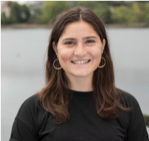
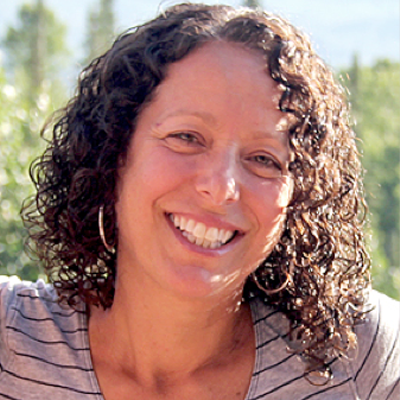
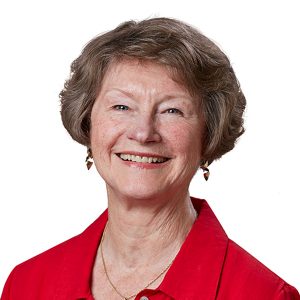
  • Alina McIntyre

    Alina McIntyre

  • Alina McIntyre is a Ph.D. Candidate in the Department of Environmental Health at the Boston University School of Public Health. After earning a Bachelor’s degree in both Community Health and Spanish at Tufts University, Alina completed a Master’s degree in Environmental Health and Engineering at the Johns Hopkins Bloomberg School of Public Health. Her research is part of the Chelsea and East Boston Heat Study (C-HEAT), a collaborative project between GreenRoots, Inc. and BUSPH. She is specifically involved in community-engaged heat and air pollution exposure research, drawing on environmental epidemiology, exposure assessment, and qualitative methods.

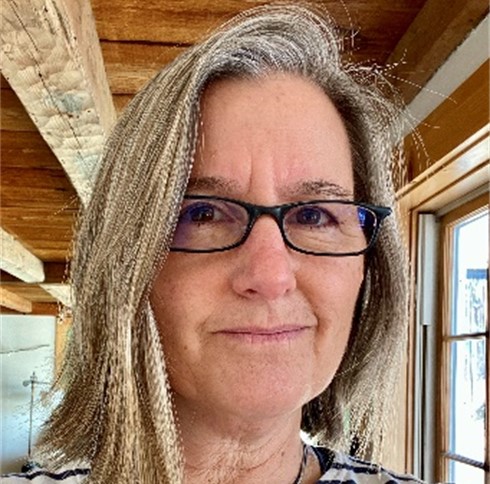
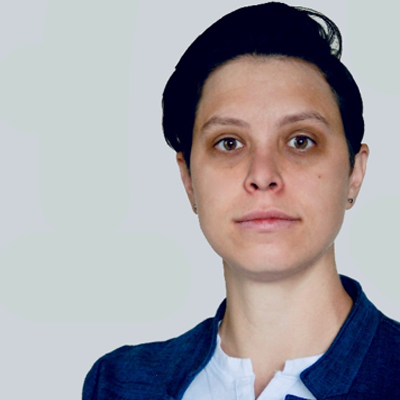
  • Bianca Navarro Bowman

    Bianca Navarro Bowman

  • Bianca Navarro Bowman is the Climate Justice Coordinator at GreenRoots, Inc. She is passionate about building community knowledge, power, and leadership to combat the unequal distribution of the effects of climate change. At GreenRoots, she leads and supports projects that focus on centering resident involvement and perspectives in advancing community climate resilience and adaptation. Bianca loves working with community members and coworkers to improve the ability of EJ populations to safely navigate increasing summer heat temperatures, flood impacts, and decarbonization efforts that threaten to leave low- and middle-income folks and people of color behind in the clean energy transition. She is originally from the Washington, DC area and graduated from the College of William & Mary in Virginia. She studied English Literature and Environmental Science & Policy and has a background in community-based citizen science research, environmental field work and forest fire management work.


    Registration

    Select the Enroll Me button below to register for this recording. If you have any trouble accessing the recording, contact support@nephtc.org.


    Acknowledgement:
    This project is supported by the Health Resources and Services Administration (HRSA) of the U.S. Department of Health and Human Services (HHS) as part of award 2 UB6HP31685‐05‐00 “Public Health Training Centers.” The contents are those of the author(s) and do not necessarily represent the official views of, nor an endorsement, by HRSA, HHS or the U.S. Government.


Course Information

  • Audience: Public health professionals, human health clinicians, environmental scientists, health scientists, students, community organizers, environmental non-profit workers, and others interested in the health of humans and the environment.
  • Format: Webinar
  • Date/Time: Thursday, July 27, 2023
    12:00 PM – 1:00 PM EST.
  • Price: Free
  • Length: 1 hour
  • Credential(s) eligible for contact hours: Sponsored by New England Public Health Training Center (NEPHTC), a designated provider of continuing education contact hours (CECH) in health education by the National Commission for Health Education Credentialing, Inc. This program is designated for Certified Health Education Specialists (CHES) and/or Master Certified Health Education Specialists (MCHES) to receive up to 1 total Category I continuing education contact hours. Maximum advanced-level continuing education contact hours are 0. Provider ID: 1131137 Event ID: SS1131137_CH2.
    If you are not seeking CHES/MCHES contact hours, if you complete the evaluations, you will receive a Certificate of Completion. The Certificate will include the length of the course.
  • Competencies: Community Partnership Skills
  • Learning Level: Awareness
  • Companion Trainings: Environmental Exposures and Health at the Local Level: a case study of Chelsea, MA  |  Part 1:  Extreme Heat:
  • Supplemental materials:PowerPoint
  • Pre-requisites: None

About this Webinar

In this Webinar series, you will get to know two important environmental health issues: extreme heat and air pollution. We will discuss important concepts and research methods through case-studies on specific projects conducted in the City of Chelsea, Massachusetts.


What you'll learn

At the end of the webinar, participants will be able to:

  • Explain key environmental health concepts, risk factors for various environmental exposures, vulnerable populations, environmental (in)justice, quantitative research methods, qualitative research methods, and community-engaged approaches.
  • Demonstrate a deeper understanding of two important environmental exposures of concern in the context of an environmental justice community: extreme heat and air pollution.
  • Identify facilitators and barriers that different community partners face when communicating environmental health risks.  
  • Discuss relevant environmental health policy and regulatory applications. 


Subject Matter Experts

  • Alina McIntyre

    Alina McIntyre

  • Alina McIntyre is a Ph.D. Candidate in the Department of Environmental Health at the Boston University School of Public Health. After earning a Bachelor’s degree in both Community Health and Spanish at Tufts University, Alina completed a Master’s degree in Environmental Health and Engineering at the Johns Hopkins Bloomberg School of Public Health. Her research is part of the Chelsea and East Boston Heat Study (C-HEAT), a collaborative project between GreenRoots, Inc. and BUSPH. She is specifically involved in community-engaged heat and air pollution exposure research, drawing on environmental epidemiology, exposure assessment, and qualitative methods.


    Registration

    Select the Enroll Me button below to register for this recording. If you have any trouble accessing the recording, contact support@nephtc.org.


    Acknowledgement:
    This project is supported by the Health Resources and Services Administration (HRSA) of the U.S. Department of Health and Human Services (HHS) as part of award 2 UB6HP31685‐05‐00 “Public Health Training Centers.” The contents are those of the author(s) and do not necessarily represent the official views of, nor an endorsement, by HRSA, HHS or the U.S. Government.

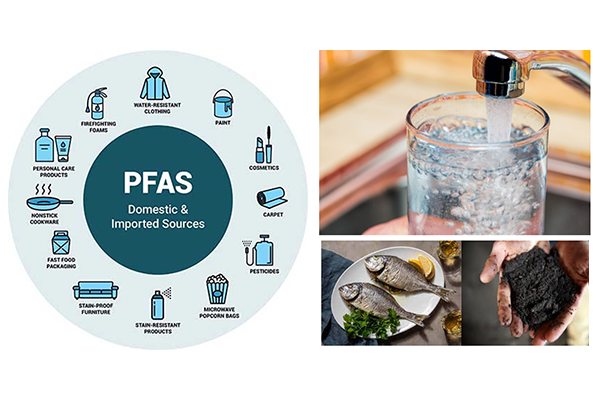
PFAS: So Much Information – What’s Really Needed?

If PFAS were first used in the 1940s, why are we only now learning about PFAS, their use and the health concerns associated with them?

Boston University School of Public Health Logo     New England Public Health Training Center Logo

Register

Course Information

  • Audience: Public health professionals, human health clinicians, environmental scientists, health scientists, students, community organizers, environmental non-profit workers, and others interested in the health of humans and the environment.
  • Format: Webinar
  • Date/Time: December 12, 2023 12:00 PM – 1:00 PM EST.
  • Price: Free
  • Length: 1 hour
  • Credential(s) eligible for contact hours: Sponsored by New England Public Health Training Center (NEPHTC), a designated provider of continuing education contact hours (CECH) in health education by the National Commission for Health Education Credentialing, Inc. This program is designated for Certified Health Education Specialists (CHES) and/or Master Certified Health Education Specialists (MCHES) to receive up to 1 total Category I continuing education contact hours. Maximum advanced-level continuing education contact hours are 0. Provider ID: 1131137 Event ID: PM1131137_12122023.
    If you are not seeking a CHES/MCHES contact hours, if you complete the post-test and evaluation, you will receive a Certificate of Completion. The Certificate will include the length of the course.
  • Competencies: Public Health Sciences Skills
  • Learning Level: Awareness
  • Companion Trainings: None
  • Supplemental materials:PowerPoint
  • Pre-requisites: None

About this Webinar

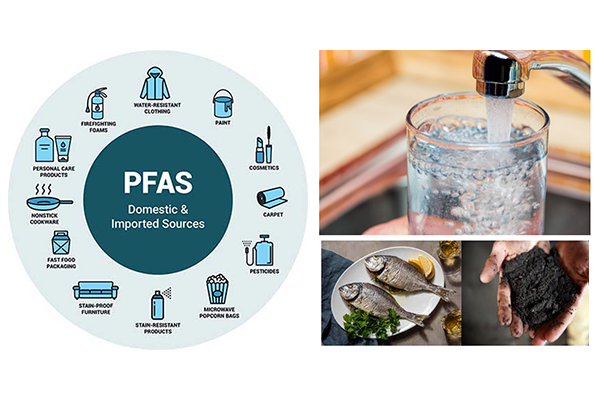
In this first session on per and poly fluoroalkyl substances (PFAS), we will focus on identification of PFAS as a large group of chemicals, how PFAS are defined, how people are exposed to a small subset of the PFAS chemicals that are currently regulated in drinking water sources around New England. We will also discuss evidence for population health concerns, as well as efforts being taken in the region to address PFAS.


What you'll learn

At the end of the webinar, participants will be able to:

  • Define PFAS and list 6-7 PFA chemicals of importance
  • Identify the key exposure sources in people in New England
  • Describe the health concerns associated with the 6-7 PFAS chemicals
  • Discuss the efforts in New England and federally to address PFAS


Subject Matter Expert

  • Wendy Heiger-Bernays

    Wendy Heiger-Bernays

  • Wendy Heiger-Bernays, PhD is Professor of Environmental Health at the BU School of Public Health where she has spent decades applying her expertise in toxicology and risk assessment to research and translation around environmental chemical exposures. She serves as Chair of her local Board of Health, as a member of the Massachusetts Toxics Use Reduction Act Science Advisory Board and is on the Science Advisory Chemicals Committee for the Federal EPA Toxics Substances Control Act.


    Registration

    Select the Enroll Me button below to register for this recording. If you have any trouble accessing the recording, contact support@nephtc.org.


    Acknowledgement:
    This project is supported by the Health Resources and Services Administration (HRSA) of the U.S. Department of Health and Human Services (HHS) as part of award 2 UB6HP31685‐05‐00 “Public Health Training Centers.” The contents are those of the author(s) and do not necessarily represent the official views of, nor an endorsement, by HRSA, HHS or the U.S. Government.
Housing Retrofits: Public Health Model

Why are housing retrofits at the intersection of housing? And how does climate change influence those relationships?

MPHA Maine Public Health Association Logo 

Register

Course Information

  • Audience: All public health professionals working in nonprofits, housing, healthcare, educational institutions, government and private sector
  • Format: Webinar
  • Date/Time: Thursday, Feburary 1st, 2024 12:00 PM – 1:00 PM ET.
  • Price: Free
  • Length: 1 hour
  • Credential(s) eligible for contact hours: Sponsored by New England Public Health Training Center (NEPHTC), a designated provider of continuing education contact hours (CECH) in health education by the National Commission for Health Education Credentialing, Inc. This program is designated for Certified Health Education Specialists (CHES) and/or Master Certified Health Education Specialists (MCHES) to receive up to 1 total Category I continuing education contact hours. Maximum advanced-level continuing education contact hours are 1. Provider ID: 1131137 Event ID: PM1131137_02012024.
    If you are not seeking a CHES/MCHES contact hours, if you complete the post-test and evaluation, you will receive a Certificate of Completion. The Certificate will include the length of the course.
  • Competencies: Health Equity Skills
  • Learning Level: Awareness
  • Companion Trainings: None
  • Supplemental materials:None
  • Pre-requisites: None

About this Webinar

Maine's aged building stock creates wide spread health challenges including asthma, exposures to toxins in building materials, stress in physical discomfort and vulnerability in extreme weather and anxiety of about heating and cooling costs. The barriers to retrofitting are multi-fold, the rewards of retrofitting combine the health benefits with carbon and reduction as part of our path to our carbon goals. Equitable approaches to improving the built environment are critical. passivhausMAINE is exploring bundling funding sources for systemic approaches to whole building renovation. We are preparing the case for cross/multi department communication and systems to ease the funding barriers and structure scalable retrofits across the state through pilot projects in Freeport and Lewiston, Maine. 


What you'll learn

After attending this webinar, participants will be able to:

  • Demonstrate the potential for wide scale retrofits through multi-agency funding approaches.
  • Analyse the comprehensive benefits of building retrofits to physical and mental health and the corollary benefits of carbon and energy reduction. 
  • Explore the overlapping issues of housing, gender, racial, education and economic justice. 


Subject Matter Experts

  • Naomi Beal

    Naomi Beal

  • Naomi Beal is the Executive Director and founding member of passivhausMAINE [phME] and a founding board member of the Passive House Network. Naomi embraces the challenge of developing phME into a sustainable and impactful organisation through local, national, and international partnerships. Naomi believes Maine’s economic development can be fostered through a framework of building efficiency and innovative and traditional wood products and prioritizes equitable retrofits as both climate mitigation and adaptation. Naomi lives in South Freeport, ME.


Registration

Select the Enroll Me button below to register for this recording. If you have any trouble accessing the recording, contact support@nephtc.org.


Acknowledgement:
This project is supported by the Health Resources and Services Administration (HRSA) of the U.S. Department of Health and Human Services (HHS) as part of award 2 UB6HP31685‐05‐00 “Public Health Training Centers.” The contents are those of the author(s) and do not necessarily represent the official views of, nor an endorsement, by HRSA, HHS or the U.S. Government.
Course Information

  • Audience: Public Health Professionals, Community Health Workers
  • Format: Webinar
  • Date/Time: Wednesday, October 12th, 2022 9:30 AM – 10:30 AM EST.
  • Price: Free
  • Length: 1 hour
  • Credential(s) eligible for contact hours: Sponsored by New England Public Health Training Center (NEPHTC), a designated provider of continuing education contact hours (CECH) in health education by the National Commission for Health Education Credentialing, Inc. This program is designated for Certified Health Education Specialists (CHES) and/or Master Certified Health Education Specialists (MCHES) to receive up to 1 total Category I continuing education contact hours. Maximum advanced-level continuing education contact hours are 0. Provider ID: 1131137 Event ID: SS1131137_HPPH.
    If you are not seeking a CHES/MCHES contact hours, if you complete the post-test and evaluation, you will receive a Certificate of Completion. The Certificate will include the length of the course.
  • Competencies: Community Partnership Skills
  • Learning Level: Awareness
  • Companion Trainings: None
  • Supplemental materials:None
  • Pre-requisites: None

About this Webinar

Join Dr. Chris Chanyasulkit, President-Elect of the American Public Health Association, for her keynote address to Maine Public Health Association’s Annual Conference where she discusses public health’s response to the COVID-19 pandemic, with specific examples from Maine, and recommendations for using public health skills and knowledge to move forward to advance health and equity.


What you'll learn

At the end of the recording, participants will be able to:

  • Identify public health responses amidst the COVID-19 pandemic and much uncertainty
  • Identify and discuss innovative responses taken within Maine to adapt quickly to the COVID-19 pandemic
  • Discuss recommendations for harnessing the power of public health for health equity for all

Subject Matter Expert

  • Chris Chanyasulkit

    Chris Chanyasulkit

    Chris Chanyasulkit is grounded in a strong belief in eliminating the structural barriers to equity for vulnerable populations. Chris holds leadership positions with local, state, regional and national governance and civic engagement organizations, working to promote racial, gender, and health equity. leadership positions with local, state, regional and national governance and civic engagement organizations, working to promote racial and gender equity and policy advocacy. She served as a gubernatorial appointee to the Massachusetts Asian American Commission and the Commission on the Status of Women where she advocated for the needs of Asian Americans and Women throughout the Commonwealth. Dr. Chanyasulkit has served as a Human Services Specialist and Assistant Director of Diversity in the town of Brookline’s Office of Diversity, Inclusion, and Community Relations. She designed and delivered graduate public health courses at the Simmons University Department of Public Health. She also serves as an adjunct faculty member at Temple University, where she teaches Public Health Advocacy in the College of Public Health. Chris earned a B.A. in Biology and Art History from Boston University, an M.P.H. (with a concentration in maternal and child health care) from the Boston University School of Public Health, and a Ph.D. in Political Science from Northeastern University, where she conducted research on health disparities. In addition to her advocacy and scholarly pursuits, Dr. Chanyasulkit is President-Elect of the American Public Health Association (APHA), an elected Library Trustee of the Public Libraries of Brookline, a Brookline Community Emergency Response Team member, and a Brookline Medical Reserve Corps member. Chris lives in Brookline, Massachusetts with her husband, James, a software engineer, and their three children.


Registration

Select the Enroll Me button below to register for this recording. If you have any trouble accessing the recording, contact support@nephtc.org.


Acknowledgement:
This project is supported by the Health Resources and Services Administration (HRSA) of the U.S. Department of Health and Human Services (HHS) as part of award 2 UB6HP31685‐05‐00 “Public Health Training Centers.” The contents are those of the author(s) and do not necessarily represent the official views of, nor an endorsement, by HRSA, HHS or the U.S. Government.
Course Information

  • Audience: Public Health Professionals, Community Health Workers
  • Format: Webinar
  • Date/Time: Wednesday, September 28th 2022 12:00 PM – 1:00 PM EST.
  • Price: Free
  • Length: 1 hour
  • Credential(s) eligible for contact hours: Sponsored by New England Public Health Training Center (NEPHTC), a designated provider of continuing education contact hours (CECH) in health education by the National Commission for Health Education Credentialing, Inc. This program is designated for Certified Health Education Specialists (CHES) and/or Master Certified Health Education Specialists (MCHES) to receive up to 1 total Category I continuing education contact hours. Maximum advanced-level continuing education contact hours are 0. Provider ID: 1131137 Event ID: PM1131137_HDHP
    If you are not seeking a CHES/MCHES contact hours, if you complete the post-test and evaluation, you will receive a Certificate of Completion. The Certificate will include the length of the course.
  • Competencies: Health Equity Skills
  • Learning Level: Awareness
  • Companion Trainings: None
  • Supplemental materials:None
  • Pre-requisites: None

About this Webinar

Healthy Democracy Healthy People is a nonpartisan initiative of major public health and civic engagement groups, aiming to strengthen our collective capacity to advance health and racial equity by ensuring access to the ballot for all eligible voters. Join us to learn about this initiative, and how health indicators correlate to voting policies.


What you'll learn

At the end of the recording, participants will be able to:

  • Describe how health, health equity and inclusive democracy are connected.
  • Introduce the Healthy Democracy Healthy People (HDHP) Initiative and provide an overview of Health & Democracy Index.
  • Identify 3 practices HDHP is using to build power to advance health equity.
  • Describe actions we can take collectively to strengthen civic and voter participation.

Subject Matter Experts

  • Jeanne Ayers

    Jeanne Ayers

  • Jeanne Ayers, RN, MPH, serves as the executive director of Healthy Democracy Healthy People Initiative (previously known as VoteSAFE Public Health), a coalition of 10 national public health organizations focused on advancing health equity by assuring participation in the electoral process is available to everyone. Before joining the Initiative in 2020, Ayers held leadership roles in state governmental public health for more than 9 years. She served as the Wisconsin State Health Officer and Administrator of the Division of Public Health and as Assistant Commissioner and Chief Health Equity Strategist for the Minnesota Department of Health. Prior positions include director of nursing and preventive services and occupational health at the University of Minnesota, Boynton Health Service. She worked in professional continuing education for 15 years and founded and directed the Centers for Public Health Education and Outreach at the School of Public Health, University of Minnesota.

  • Gnora Gumanow

    Gnora Gumanow

  • Gnora Gumanow, Dr.PH(c), MPH, is the Healthy Democracy Health People Partnerships Director. Gnora grew up in a family filled with organizers and started her professional career as a regional organizer for Planned Parenthood Advocates of Oregon. She fought tirelessly to build grassroots movements for reproductive rights and democracy reform in Oregon before pursuing her graduate degree at the George Washington University’s Milken Institute School of Public Health. Most recently, Gnora worked at the Alliance for Youth Action as a Director of Network Capacity where she continued to support youth centered organizing on democracy reform and economic justice across the country. Gnora brings a deep understanding of the voting rights movement and what it takes to build strong community organizing campaigns. Alongside her professional endeavors, Gnora is pursuing a Doctorate of Public Health where she is studying the relationship between voting and health. In her free time, Gnora can be found walking her goldendoodle Juniper, playing ultimate frisbee, or romping through the forest appreciating nature.


    Registration

    Select the Enroll Me button below to register for this recording. If you have any trouble accessing the recording, contact support@nephtc.org.


    Acknowledgement:
    This project is supported by the Health Resources and Services Administration (HRSA) of the U.S. Department of Health and Human Services (HHS) as part of award 2 UB6HP31685‐05‐00 “Public Health Training Centers.” The contents are those of the author(s) and do not necessarily represent the official views of, nor an endorsement, by HRSA, HHS or the U.S. Government.
Category: Leadership

Course Information

  • Audience: Local, state, and tribal public health professionals; public health learning specialists and educators; workforce development teams; Leaders and team members influencing learning development.
  • Format: Recorded Webinar
  • Date/Time: Recorded on Tuesday, February 2, 2021, 2-3pm ET
  • Price: Free
  • Length: 1 hour
  • Credential(s) eligible for contact hours: Sponsored by New England Public Health Training Center (NEPHTC), a designated provider of continuing education contact hours (CECH) in health education by the National Commission for Health Education Credentialing, Inc. This program is designated for Certified Health Education Specialists (CHES) and/or Master Certified Health Education Specialists (MCHES) to receive up to 1 total Category I continuing education contact hours. Maximum advanced-level continuing education contact hours are 1. Provider ID: 1131137 Event ID: SS1131137_CLASC.
    If you are not seeking a CHES/MCHES contact hours, if you complete the post-test and evaluation, you will receive a Certificate of Completion. The Certificate will include the length of the course.
  • Competencies: Leadership and Systems Thinking Skills
  • Learning Level: Awareness
  • Companion Trainings: Introduction to Systems Thinking
    Using Systems Thinking Tools and Coaching in Public Health – Stories From the Field
  • Supplemental materials:Power point
  • Pre-requisites: None


bout this Recording

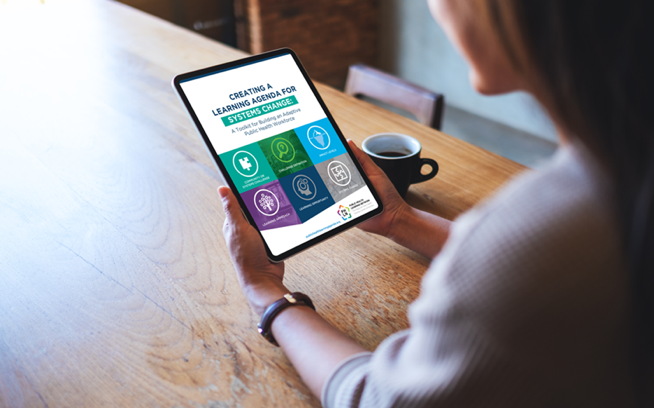
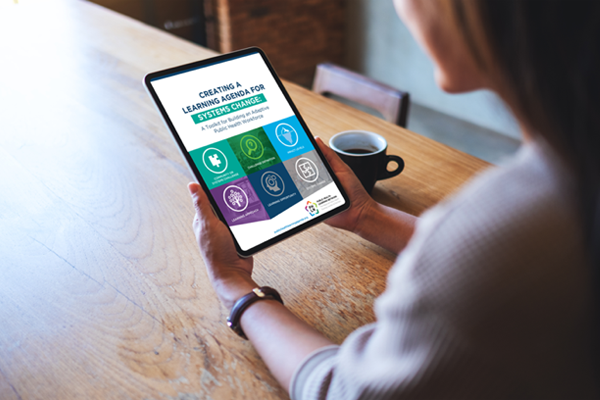
Today’s challenges, like climate change and COVID-19, are complex and require public health professionals to lead large-scale changes that no one person or organization can solve alone. The Public Health Learning Network has developed the Learning Agenda Toolkit to help workforce specialists and other leaders develop a coordinated system of effective, efficient, and quality learning to address these challenges.
This webinar reviews the origins of the toolkit and explores its key elements, including a conceptual learning framework, rapid assessment tool, discussion guide, and learning approach planning tool, to help build a robust learning agenda and implement systems changes that improve health.


What you'll learn

At the end of the recording, participants will be able to:

  • Review key elements of the Learning Agenda Toolkit.
  • Consider how different learning approaches, implemented over time, can be used to build collective competency to address community challenges.
  • Learn how to be involved in future pilot testing efforts for the toolkit.

Subject Matter Expert

This webinar recording will be co-presented by Christina Welter, DrPH, MPH and Karla Todd Barrett, MBA, MSM.


  • Christina R. Welter, DrPH, MPH

    Director, DrPH in Leadership

  • Dr. Welter is a policy practitioner, visionary leader, and practice-based researcher committed to helping organizations and their partners co-create equity-focused systems change. Among many roles, she is the Director of the DrPH in Leadership at the University of Illinois at Chicago School of Public Health. Dr. Welter specializes in engaged and applied mixed method research approaches that promote collaborative learning to develop, implement, and/or evaluate multi-level policy and systems initiatives that address the structural determinants of health.
    A few of Dr. Welter’s current projects include serving as a Principal Investigator of the National Institute of Occupational Safety and Health funded Center for Healthy Work where she conducts an action research project to increase policy and systems strategies that addresses precarious work. She also serves as the Associate Director and Translation Investigator of the Centers for Disease Control-funded Policy, Practice and Prevention Research Center where she studies governmental public health agency readiness for strategic transformation. Dr. Welter is also currently leading the evaluation for the Cook County Department of Public Health’s Contract Tracing initiative, focused on a racial justice, community mobilization and worker-centered approach to Covid-19. Dr. Welter proudly served as one of the Deputy Incident Commanders for the Illinois Department of Public Health’s Covid-19 response Spring, 2020, helping the state to expand its strategic management and policy responses to the virus.


  • Karla Todd Barrett, MBA, MSM

    Senior Program Manager, Training Specialist

  • Ms. Todd Barrett is the Senior Program Manager and Training Specialist at the Boston University School of Public Health. She manages overall operations and partnerships for the New England Public Health Training Center (NEPHTC), including training delivery and development, data analysis, and governance. Ms. Todd has co-authored posters and presentations on NEPHTC training innovations and activity for NACCHO, APHA, NNPHI, SOPHE and NACCHO Emergency Preparedness.

Registration

Select the Enroll Me button below to register for this webinar recording. If you have any trouble accessing the recording, contact support@nephtc.org.

Acknowledgement: This project is/was supported by the Health Resources and Services Administration (HRSA) of the U.S. Department of Health and Human Services (HHS) under grant number UB6HP31685 “Regional Public Health Training Center Program.” This information or content and conclusions are those of the author and should not be construed as the official position or policy of, nor should any endorsements be inferred by HRSA, HHS or the U.S. Government.

Deepening Your Impact, Part II: Considerations When Choosing Voices and How to Use Relatable Language

Are your training scripts and voices relatable to your audience?

   Maven Tree Consulting Logo  Start2Soar LogoNEPTHC New England Public Health Training Center Logo  NCHEC CHES Logo

Course Information

  • Audience: Public health professionals
  • Format: Webinar
  • Date/Time: Wednesday, November 3rd 2021 12:00 PM – 1:00 PM EST.
  • Price: Free
  • Length: 1 hour
  • Credential(s) eligible for contact hours: Sponsored by New England Public Health Training Center (NEPHTC), a designated provider of continuing education contact hours (CECH) in health education by the National Commission for Health Education Credentialing, Inc. This program is designated for Certified Health Education Specialists (CHES) and/or Master Certified Health Education Specialists (MCHES) to receive up to 1 total Category I continuing education contact hours. Maximum advanced-level continuing education contact hours are 1. Provider ID: 1131137 Event ID: PM1131137_11032021. 
    If you are not seeking a CHES/MCHES contact hours, if you complete the post-test and evaluation, you will receive a Certificate of Completion. The Certificate will include the length of the course.
  • Competencies: Communication Skills
  • Learning Level: Performance
  • Companion trainings: Deepening Your Impact for Self-Paced Trainings: Scoping Down Trainings to be More Action Oriented

    Deepening Your Impact for Self-Paced Trainings: Recording Quality Audio in Our Public Health Environment
  • Supplemental materials: None
  • Pre-requisites: None

About this workshop

Deepening Your Impact, Part II: Considerations When Choosing Voices and How to Use Relatable Language 

The goal of this webinar is to teach creators of online courses how to choose voices that will reflect and resonate with their participants, as well as how to communicate in straightforward language. This webinar combines the approaches of Diversity, Equity, and Inclusion alongside Health Literacy to teach a framework for intentional decision-making about languages and voices.


Learning objectives

After completing the workshop, participants will be able to:

  • Make intentional choices for voiceover selection by identifying the dimensions of diversity relevant for a given training.
  • Make intentional choices for voiceover roles by identifying potential assumptions and biases as well as characteristics of promising individuals.
  • Use a health literacy framework to adapt course language for intended participants. 
  • Identify next steps for building a diverse network of people to record voiceovers.

Subject Matter Expert

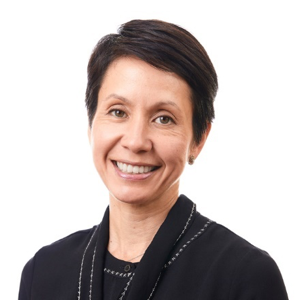
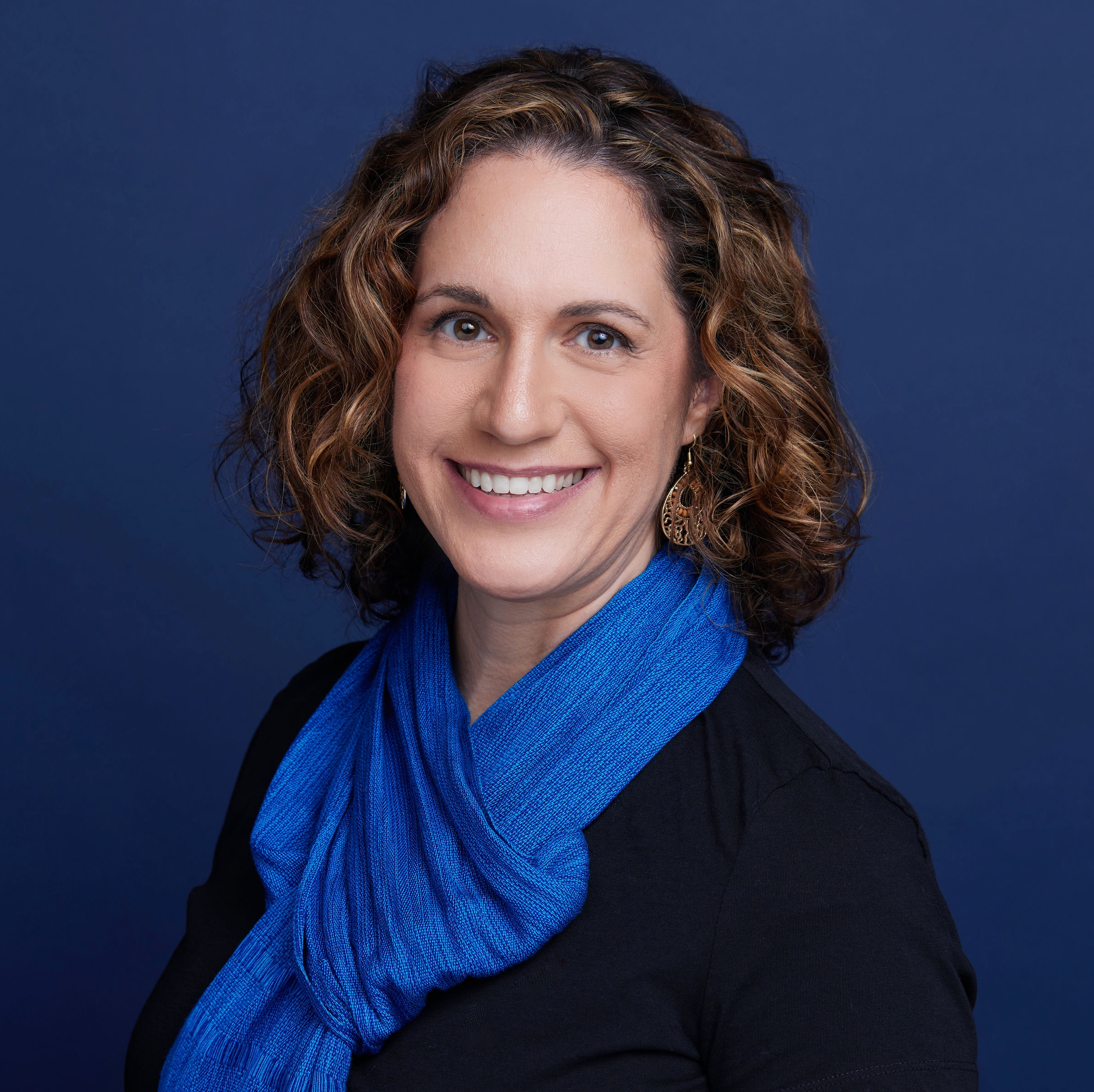
  • Ariela Freedman
    Dr. Ariela Freedman, PhD, MPH, MAT

Dr. Ariela Freedman is an experienced trainer with over 20 years of experience in education and public health, including CDC, state and local public health departments, Head Start, camps and afterschool programs, nonprofits, and public schools. She also works with corporate clients and health care professionals, with a specific focus on empowering women. Ariela’s workshops are known for being interactive, creative, fun, and designed for immediate use. Ariela has a PhD in Behavioral Sciences and Health Education from Emory University and an MPH from the University of Minnesota. Ariela also has a Master of Arts in Teaching and a BA in English Literature. Ariela is the Owner and Founder of MavenTree Consulting and an Adjunct Assistant Professor at Emory University. Ariela began her career as a high school English, Drama, and Debate teacher in Chicago. She later directed health programming at Head Start in Minneapolis, then served as an Assistant Professor in the Rollins School of Public Health at Emory University.

Contributors

  • Jamie Berberena

    Jamie Berberena

  • Jamie Berberena is a CHW and serves as Regional Chapter Leader in Southeastern Massachusetts and Advisory Board member for the Massachusetts Association of Community Health Workers.

  • McKenzie Wren

    McKenzie Wren

  • McKenzie Wren launched Wren Consulting in 2015 and has served nearly 50 client-partners since then ranging from single sessions to multiyear relationships. McKenzie earned her master’s degree from Emory University’s Rollins School of Public Health where she also taught students on leadership and community engagement. She worked in Clarkston, GA, called “the most diverse square miles in the US,” for 10 years including serving as Executive Director at the Clarkston Community Center where she honed her facilitation skills. She has a background in storytelling and performance and is also trained in Asset-based Community Development and the Collaborative Operating System as well as drawing from the deep wisdom of the Presencing Institute and the Art of Hosting.

  • Patrice Holt

    Patrice Holt

  • In 2018, Patrice founded Start2Soar, LLC whose purpose is to create a network of adults that are dedicated to becoming champions of youth. Start2Soar, LLC also works to increase diversity, equity, and inclusion within organizations and within communities. She coaches professionals and organizations to meet their impact goals with organizational sustainability in mind. As the recipient of the inaugural Leadership Award at the 2018 Georgia After-school and Youth Development due to her work in leading and progressing after-school services throughout Georgia. In 2018, Patrice also received a special Outstanding Service award from The Salvation Army Metro Atlanta Area Command. Patrice currently serves as a Quality Coach for Georgia Statewide After-school Network, and facilitates training all over the country focused on diversity, equity, and inclusion . Throughout Patrice’s career she has been instrumental in supporting organizations and teams with implementing turnaround strategies that create substantive positive change for work teams and the communities they serve. She has several years of experience facilitating large and small scale conversations about shifting the culture of organizations to focus on diversity, equity, and inclusion. Patrice believes that all organizations can mobilize to find their SOAR strategies for successful outcomes.

    Enrollment and Contact Hours

    Select the Enroll button below to register for the course. If you have any trouble accessing the course, contact support@nephtc.org.

    Acknowledgement:

    This project is/was supported by the Health Resources and Services Administration (HRSA) of the U.S. Department of Health and Human Services (HHS) under grant number UB6HP31685 “Regional Public Health Training Center Program.” This information or content and conclusions are those of the author and should not be construed as the official position or policy of, nor should any endorsements be inferred by HRSA, HHS or the U.S. Government.

    * Yale School of Public Health, Office of Public Health Practice, a New England Public Health Training Center partner, is a designated provider of continuing education contact hours (CECH) in health education by the National Commission for Health Education Credentialing, Inc. All CHES credit inquiries are managed by YSPH

Course Information

  • Audience: Public health professionals
  • Format: Webinar
  • Date/Time: Thursday, December 2nd 2021 12:00 PM – 1:00 PM EST.
  • Price: Free
  • Length: 1 hour
  • Credential(s) eligible for contact hours: Sponsored by New England Public Health Training Center (NEPHTC), a designated provider of continuing education contact hours (CECH) in health education by the National Commission for Health Education Credentialing, Inc. This program is designated for Certified Health Education Specialists (CHES) and/or Master Certified Health Education Specialists (MCHES) to receive up to 1 total Category I continuing education contact hours. Maximum advanced-level continuing education contact hours are 1. Provider ID: 1131137 Event ID: PM1131137_12022021. 
    If you are not seeking a CHES/MCHES contact hours, if you complete the post-test and evaluation, you will receive a Certificate of Completion. The Certificate will include the length of the course.
  • Competencies: Policy Development and Program Planning Skills, Communication Skills, Health Equity Skills
  • Learning Level: Performance
  • Companion trainings: Deepening Your Impact for Self-Paced Trainings:  Scoping Down Trainings to be More Action Oriented

    Deepening Your Impact for Self-Paced Trainings:  Considerations when Choosing Voices and How to Use Relatable Language
  • Supplemental materials: None
  • Pre-requisites: None

About this workshop  

Deepening Your Impact, Part III: Recording Quality Audio in our Public Health Environment

The goal of this webinar is to teach teach people without a background in audio engineering how to get great sound from home recordings. You’ll learn to teach your speakers about technical aspects of recording as well as coach them to elicit an engaging and credible delivery of the content. You’ll also learn the next steps to take after recording to ensure high quality sound for your online trainings.


What you'll learn

After completing this course, participants will be able to...

  • Explain the importance of using high quality audio for online trainings.
  • Describe characteristics of ideal recording environments.
  • Demonstrate the process of using a cell phone to record quality audio.
  • Describe strategies for coaching speakers to deliver engaging and credible readings.

Subject Matter Experts


  • Dr. Ariela Freedman, PhD, MPH, MAT

Dr. Ariela Freedman is an experienced trainer with over 20 years of experience in education and public health, including CDC, state and local public health departments, Head Start, camps and afterschool programs, nonprofits, and public schools. She also works with corporate clients and health care professionals, with a specific focus on empowering women. Ariela’s workshops are known for being interactive, creative, fun, and designed for immediate use. Ariela has a PhD in Behavioral Sciences and Health Education from Emory University and an MPH from the University of Minnesota. Ariela also has a Master of Arts in Teaching and a BA in English Literature. Ariela is the Owner and Founder of MavenTree Consulting and an Adjunct Assistant Professor at Emory University. Ariela began her career as a high school English, Drama, and Debate teacher in Chicago. She later directed health programming at Head Start in Minneapolis, then served as an Assistant Professor in the Rollins School of Public Health at Emory University.


  • Will Robertson

Will Robertson is an accomplished producer, Grammy-nominated engineer, and sought-after performer. Based in Atlanta, Will has worked or performed with Grammy-winning and -nominated hit makers such as John Mayer, Ruthie Foster, Clay Cook (Zac Brown Band), Shawn Mullins ("Lullaby"), and Pat Sansone (Wilco). Will has also produced, arranged for, and recorded artists such as Rebecca Loebe (featured on NBC's "The Voice"), David Berkeley and Eliot Bronson. Will's work has been featured on TV, radio and streaming services worldwide.

Will holds a bachelor of arts in music from Rice University, where he studied double bass performance, as well as conducting and composition. He graduated from Berklee College of Music's music production and engineering program, and teaches production classes at Berklee Online. He is a multi-instrumentalist, playing upright/electric bass, guitar, and piano, and he has played in, sung in, directed or conducted a variety of ensembles in styles such as singer-songwriter, bluegrass, rock, blues, musical theater, and classical.

.

Enrollment and Contact Hours

Select the Enroll button below to register for the course. If you have any trouble accessing the course, contact support@nephtc.org.

Acknowledgement:

This project is/was supported by the Health Resources and Services Administration (HRSA) of the U.S. Department of Health and Human Services (HHS) under grant number UB6HP31685 “Regional Public Health Training Center Program.” This information or content and conclusions are those of the author and should not be construed as the official position or policy of, nor should any endorsements be inferred by HRSA, HHS or the U.S. Government.

* Yale School of Public Health, Office of Public Health Practice, a New England Public Health Training Center partner, is a designated provider of continuing education contact hours (CECH) in health education by the National Commission for Health Education Credentialing, Inc. All CHES credit inquiries are managed by YSPH

Our Voice: Harnessing Local Expertise to Create Healthier Communities

How can community members use an app to capture their lived experience, become agents of change, and help their communities become healthier places to live?

Our Voice LogoMontbello Walks Logo   GirlTrek Logo


 NEPTHC New England Public Health Training Center Logo    NCHEC CHES Logo


Course Information

  • Audience: Public health professionals
  • Format: Webinar
  • Date/Time: Thursday, March 17th, 2022
    12:00 - 1:00 PM EST
  • Price: Free
  • Length: 1 hour
  • Credential(s) eligible for contact hours: Sponsored by New England Public Health Training Center (NEPHTC), a designated provider of continuing education contact hours (CECH) in health education by the National Commission for Health Education Credentialing, Inc. This program is designated for Certified Health Education Specialists (CHES) and/or Master Certified Health Education Specialists (MCHES) to receive up to 1 total Category I continuing education contact hour. Maximum advanced-level continuing education contact hour is 1. Provider ID: 1131137 Event ID: PM1131137_03172022
    If you are not seeking CHES/MCHES contact hours, if you complete the evaluation, you will receive a Certificate of Completion. The Certificate will include the length of the course.
  • Competencies: Community Partnership Skills
  • Learning Level: Awareness
  • Companion Trainings: None
  • Supplemental materials:None
  • Pre-requisites None

About this Webinar 

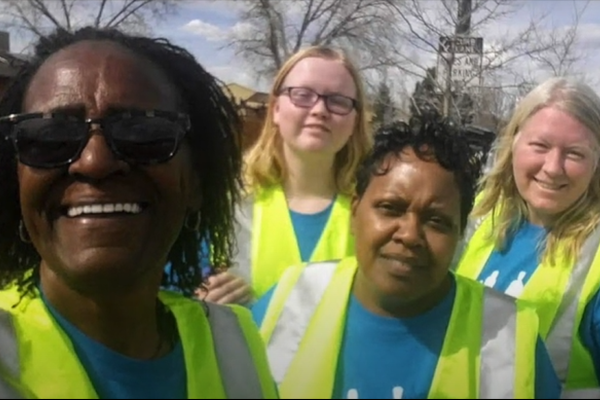
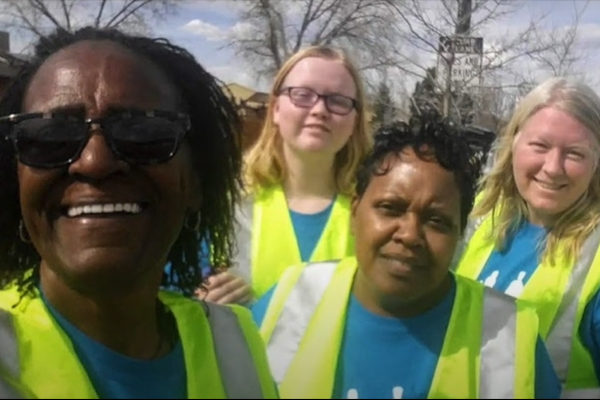
Nobody knows the lived reality of a community better than the residents themselves. The Stanford Our Voice Initiative offers community groups tools and resources to help harness and activate this wisdom, and create healthier communities for all. During this session we will walk through the Our Voice approach, and highlight the inspiring work of a Denver grandma turned “streetfighter,” who has used data and built collaborations to generate changes that support healthy living in the Montbello neighborhood of Denver, Colorado.

Like many underresourced communities, Denver’s Montbello neighborhood has lower socioeconomic status and poorer health outcomes than wealthier areas of the city. In 2016, a Park-n-Ride was moved from Montbello to a light-rail hub 2 miles away. While the new location provides easy car access and ample parking for drivers, Montbello’s pedestrians gained a dangerous commute down a 4-lane thoroughfare, decreasing community access to jobs, health care, schools, events, and city amenities. Forty-five year Montbello resident Pam Jiner was alarmed. As leader of a local GirlTrek group, she was already focused on getting African American women walking as a form of self-care and community engagement. When GirlTrek partnered with the evidence-based Stanford Our Voice Initiative to offer advocacy training, Pam stepped up. Using the Our Voice Discovery Tool app, she and her group became "citizen scientists," documenting environmental features that affected walkability between Montbello and the transportation hub. The data they gathered – geotagged photos, narratives, ratings, and walking maps – told a collective story that the group analyzed, prioritized, and used to generate recommendations for change. Pam also invited a wide range of local stakeholders and decision-makers to walk with her and experience the barriers first-hand. Four years later, Pam shares her story as a self-proclaimed “Street Fighter,” the built environment changes that she worked with others to make, and the ripple effects at the individual, social, and policy levels.


What you'll learn

At the end of the course, participants will be able to:

  • List 4 specific strategies for community members to create change in local environments “from the bottom-up”
  • Describe the importance of data, including the systematic capture of local perspectives and insights, in advocating for community-level change
  • Assess the applicability of the Our Voice citizen science approach to a range of community-based efforts to address social determinants of health and improve health equity

This webinar will be recorded and made available within 2 business days of the webinar close. Please log in to view the recording in the section "View a Recording of the Webinar." "


More about the Our Voice Initiative 

The evidence-based Our Voice Initiative is a not-for-profit social enterprise within the Stanford School of Medicine, offering diverse collaborators a set of tools and resources to advance community-driven solutions through citizen science. The ultimate goal of Our Voice is to advance health equity by giving everyone, regardless of age of social and economic circumstances, the opportunity to lead a healthy life. Through a remote train-the-trainer model and locally-facilitated process, community members use the multilingual Stanford Discovery Tool mobile app to record geotagged photos, narratives, ratings, and maps that document features of their environment that impact health and quality of life. After data are uploaded to a secure Stanford server, local facilitators can create user-friendly reports to return to the citizen scientists. The citizen scientists then review and analyze collective findings, prioritize areas for change, and use their own data to partner with local decision-makers and drive improvements that promote health in their local communities. For more information, visit http://ourvoice.stanford.edu


Subject Matter Expert

  • Pam Jiner

    Pam Jiner

  • Pam Jiner is a community organizer and proud 45-year resident of Denver’s Montbello neighborhood. A leader in the GirlTrek health movement for black women and girls, she also founded Montbello Walks in 2018; leads the Senior Steppers walking group; and started a Mobile Food Pantry that delivered 875,000 pounds of food during the 2020 pandemic. Pam is a tireless advocate for safe and equitable city streets, sidewalks, schools and parks in the community she loves.


    Moderator

    • Ann Banchoff

      Ann Banchoff

    • Ann Banchoff, MSW, MPH, is Director of Community Engagement for the Our Voice Initiative at the Stanford School of Medicine. She has a background in public health, social work, and international human rights, as well as broad experience in developing and sustaining community-academic partnerships. Ann co-founded the Office of Community Health at the Stanford University School of Medicine in 2005, and served as its Director of Educational Programs until late 2014.


    Registration

    Select the Enroll Me button below to register for this webinar. If you have any trouble accessing the webinar, contact support@nephtc.org.

    Acknowledgement: This project is/was supported by the Health Resources and Services Administration (HRSA) of the U.S. Department of Health and Human Services (HHS) under grant number UB6HP31685 “Regional Public Health Training Center Program.” This information or content and conclusions are those of the author and should not be construed as the official position or policy of, nor should any endorsements be inferred by HRSA, HHS or the U.S. Government.

    * Yale School of Public Health, Office of Public Health Practice, a New England Public Health Training Center partner, is a designated provider of continuing education contact hours (CECH) in health education by the National Commission for Health Education Credentialing, Inc. All CHES credit inquiries are managed by YSPH

Park Rx: Exploring an Innovative Prescription Program


How are nature and human health linked? What role do public health and health care workers play in connecting patients and the general public to nature?

 MPHA Maine Public Health Association Logo NEPTHC New England Public Health Training Center Logo NCHEC CHES Logo    

Register

Course Information

  • Audience: Public health and health professions students and faculty, interested community members
  • Format: Webinar
  • Date/Time: Thursday 11th March, 12 – 1PM ET
  • Price: Free
  • Length: 1 hour
  • Credential(s) eligible for contact hours: Sponsored by New England Public Health Training Center (NEPHTC), a designated provider of continuing education contact hours (CECH) in health education by the National Commission for Health Education Credentialing, Inc. This program is designated for Certified Health Education Specialists (CHES) and/or Master Certified Health Education Specialists (MCHES) to receive up to 1 total Category I continuing education contact hours. Maximum advanced-level continuing education contact hours are 1. Provider ID: 1131137 Event ID: PM1131137_03112021. 
    If you are not seeking a CHES/MCHES contact hours, if you complete the post-test and evaluation, you will receive a Certificate of Completion. The Certificate will include the length of the course.
  • Competencies: Community Partnership Skills
  • Learning Level: Awareness
  • Companion Trainings: None
  • Supplemental materials:Power point
  • Pre-requisites: None


About this Webinar

More than 100 million Americans suffer from a chronic disease, which are responsible for 7 in 10 deaths in the U.S. each year. Park Rx America began as a community health initiative that aims to prevent and treat chronic disease and promote wellness by prescribing and linking patients to their local parks. Now, their searchable park database links parks to clinic Electronic Health Records, and can be used by healthcare and public health professionals to share with patients in their community.


What you'll learn

At the end of the webinar, participants will be able to:

  • Describe the current epidemic of chronic disease, including physical and mental health diseases, and research about spending time in nature as beneficial for health
  • Review the planning, development, and implementation of Park Rx
  • Explain how health care and public health professionals can prescribe parks and utilize existing online databases for patient education
  • Learn about the Park Rx program in the Greater Portland, Maine-area


Subject Matter Experts


  • Dr. Stacy Beller Stryer

    Pediatrician and Associate Medical Director for Park Rx America

  • Dr. Stacy Beller Stryer is a pediatrician and associate medical director for Park Rx America, where she educates healthcare providers, schools, and park agencies on benefits of nature and nature prescriptions; and works with organizations and the core team to strategize ways to move this mission forward. She is a frequent speaker at conferences and other media outlets and has published on this topic. Dr. Beller Stryer previously served as a health promotion and disease prevention coordinator in the Indian Health Service and was a pediatric subject expert for an online health website, Revolution Health. She currently works with her local school system to increase awareness and promote outdoor classrooms and green schoolyards and serves on Governor Hogan's task force for "Project Green Classrooms.” She wants others to benefit from nature as much as she has through the years.


  • Courtney L. Schultz, Ph.D.

    Research
    Fellow for
    Park Rx
    America

  • Courtney L. Schultz, Ph.D. is the Research Fellow for Park Rx America. Dr. Schultz is a social science researcher with an expertise in the design and execution of behavioral research across the lifespan focusing on integrating nature exposure into a salutogenic healthcare approach. In addition to her work with Park Rx America, Dr. Schultz is the Executive Director of Health and Technology Partners LLC, a consulting firm dedicated to improving wellbeing through cooperative partnership with healthcare providers, communities, and natural resources; Adjunct Faculty at the University of Missouri; and sits on the advisory board for the SHIFT Emerging Leaders Program and Hike it Baby. Dr. Schultz holds a Ph.D. in Parks, Recreation, and Tourism Management from NC State University, along with a BS and a MS in Parks and Recreation Management from the University of Missouri.


  • Jessica Burton

    Executive Director of the Southern Maine Conservation Collaborative

  • Jessica Burton has been the Executive Director of the Southern Maine Conservation Collaborative (Collaborative) since its founding in 2012. The Collaborative works as a network of land and water conservation organizations in Southern Maine and seeks to build strategic partnerships to expand conservation's reach for greater relevance and healthier communities. Over the last year, with support from NEPHTC and in partnership with the University of New England, the Collaborative has started a Park Rx program in Portland, Maine.

Registration

Select the Enroll Me button below to register for this webinar. If you have any trouble accessing the recording, contact support@nephtc.org.

Acknowledgement: This project is/was supported by the Health Resources and Services Administration (HRSA) of the U.S. Department of Health and Human Services (HHS) under grant number UB6HP31685 “Regional Public Health Training Center Program.” This information or content and conclusions are those of the author and should not be construed as the official position or policy of, nor should any endorsements be inferred by HRSA, HHS or the U.S. Government.

Category: Mental Health
A child and parent walking in the snow with a caption saying "Try to Imagine it's YOU"

Using Stories and Data to Engage Decision-Makers and Advance Transportation Access

What does it mean to be transportation insecure? And why should it matter to public health practitioners?

MPHA Maine Public Health Association Logo

Course Information

  • Audience: All public health professionals working in nonprofits, healthcare, educational institutions, government and private sector
  • Format: Webinar
  • Date/Time: January 8th, 2026 12:00 PM – 1:00 PM ET.
  • Price: Free
  • Length: 1 hour
  • Credential(s) eligible for contact hours: Sponsored by New England Public Health Training Center (NEPHTC), a designated provider of continuing education contact hours (CECH) in health education by the National Commission for Health Education Credentialing, Inc. This program is designated for Certified Health Education Specialists (CHES) and/or Master Certified Health Education Specialists (MCHES) to receive up to 1 total Category I continuing education contact hours. Maximum advanced-level continuing education contact hours are 1. Provider ID:  Event ID: .
    If you are not seeking a CHES/MCHES contact hours, if you complete the post-test and evaluation, you will receive a Certificate of Completion. The Certificate will include the length of the course.
  • Competencies:  Communications
  • Learning Level: Awareness
  • Companion Trainings: None
  • Supplemental materials:None
  • Pre-requisites: None

About this Webinar

Transportation plays a central role in our lives. However, many Mainers lack safe, affordable, and reliable transportation, leading to missed job opportunities, medical care, and social connections. Until now, no comprehensive data existed on how widespread these barriers are and their impact on the health and quality of life of Mainers. The difficulty of measuring this problem has contributed to it being minimized and overlooked. In 2024, the Moving Maine Network set out to address this gap in knowledge by collecting qualitative and quantitative data. Using the Transportation Security Index and a story collection approach, they developed a report called “Try to Imagine It’s You” that is being used to educate and influence decision-makers and help advance effective policy. This webinar will provide an overview of the report and a discussion of education and advocacy efforts.


Learning Objectives

  • Define transportation insecurity and identify how it’s impacting Maine people.

  • Discuss how stories and data can be used to help decision-makers understand and respond to transportation barriers.
  • Subject Matter Expert(s)

    • Zoe MillerZoe Miller, MPH
    • Zoe has over 25 years of experience building healthy, equitable communities through inclusive engagement and collaborative strategies. Growing up in Springvale, Maine, Zoe learned about civic engagement from watching her mother serve on municipal boards and fight speeding on their village road. Working for the Opportunity Alliance in community and public health initiatives, she became passionate about transportation access as a key to advancing health and opportunity. At the Greater Portland Council of Governments from 2017-2021, she led an intersectional team to establish the Mobility for All Program and partnered to launch the Moving Maine Network. Zoe lives in Portland and uses the bus for transportation whenever possible.

Enrollment and Contact Hours
Select the Enroll button below to register for the course. If you have any trouble accessing the course, contact support@nephtc.org.


Acknowledgement:  This project is supported by the Health Resources and Services Administration (HRSA) of the U.S. Department of Health and Human Services (HHS) as part of award 2 UB6HP31685‐05‐00 “Public Health Training Centers.” The contents are those of the author(s) and do not necessarily represent the official views of, nor an endorsement, by HRSA, HHS or the U.S. Government.

This training was supported by the Health Resources and Services Administration (HRSA) of the U.S. Department of Health and Human Services (HHS) as part of a financial assistance award totaling $400,000 with 100% funded by HRSA/HHS and 0% funded by nongovernment source(s). The contents are those of the author(s) and do not necessarily represent the official views of, nor an endorsement, by HRSA/HHS, or the U.S. Government.


* Yale School of Public Health, Office of Public Health Practice, a New England Public Health Training Center partner, is a designated provider of continuing education contact hours (CECH) in health education by the National Commission for Health Education Credentialing, Inc. All CHES credit inquiries are managed by YSPH

    Registration

    Select the Enroll Me button below to register for this recording. If you have any trouble accessing the recording, contact support@nephtc.org.

    Acknowledgement: This project is supported by the Health Resources and Services Administration (HRSA) of the U.S. Department of Health and Human Services (HHS) as part of award 2 UB6HP31685‐05‐00 “Public Health Training Centers.” The contents are those of the author(s) and do not necessarily represent the official views of, nor an endorsement, by HRSA, HHS or the U.S. Government.
    Course Information

    • Audience: All public health professionals working in nonprofits, healthcare, educational institutions, government and private sector
    • Format: Webinar
    • Date/Time: December 4th, 2025 12:00 PM – 1:00 PM ET.
    • Price: Free
    • Length: 1 hour
    • Credential(s) eligible for contact hours: Sponsored by New England Public Health Training Center (NEPHTC), a designated provider of continuing education contact hours (CECH) in health education by the National Commission for Health Education Credentialing, Inc. This program is designated for Certified Health Education Specialists (CHES) and/or Master Certified Health Education Specialists (MCHES) to receive up to 1 total Category I continuing education contact hours. Maximum advanced-level continuing education contact hours are 1. Provider ID:  Event ID: .
      If you are not seeking a CHES/MCHES contact hours, if you complete the post-test and evaluation, you will receive a Certificate of Completion. The Certificate will include the length of the course.
    • Competencies:  Community Dimensions of Practice Skills
    • Learning Level: Awareness
    • Companion Trainings: None
    • Supplemental materials:None
    • Pre-requisites: None

    About this Webinar

    Cancer remains a leading cause of death in Maine, with persistent disparities in prevention, screening, treatment, and survivorship. In preparation for expanding the Maine Cancer Plan 2021 – 2025 through 2030, the Maine CDC’s Comprehensive Cancer Control Program collaborated with Partnerships For Health to implement a robust, community-centered engagement process. This multi-phase approach included a statewide survey, two virtual listening sessions, and an in-person Summit - each designed to elevate local voices, build connections, and shape shared priorities for action. This presentation will share key themes from the engagement process, highlight examples of how community connections strengthened the planning process, and offer practical insights for embedding comprehensiveness, transparency, and collaboration into statewide public health strategies. Attendees will leave with engagement strategies that can be applied to other chronic disease planning initiatives, particularly those seeking to bridge social divides and foster trust through authentic dialogue.


    Learning Objectives

    • Explain how community engagement methods such as surveys, listening sessions, and summits can be used to surface and prioritize public health strategies.

    • Describe two or more strategies for building authentic community connections to inform and strengthen statewide public health planning efforts.
    • Subject Matter Expert(s)

      • Becky PearceBecky Pearce, MA
      • Becky is the Health Program Manager for the Maine CDC Comprehensive Cancer Control Program. She came to Maine CDC from the world of academia after teaching communication classes at various colleges in the U.S. for 20 years. Becky began working for the tobacco program at Maine CDC in May of 2008. She was hired to oversee the media contract for the program as well as to work with two rural public health districts on physical activity, nutrition, and tobacco. In 2012 she began working with the cancer program and moved into the Program Manager position in 2022. Since then she has worked on cancer prevention, promoting the US Preventive Services Task Force cancer screening recommendations, HPV vaccinations, radon testing, lung cancer screening, and has been involved with the updating of multiple cancer plans. Becky holds a BA and a MA in communication from the University of North Dakota.

      • Michelle Mitchell
        Michelle Mitchell, MSocSc
      • Michelle is the Founder and Executive Director of Partnerships For Health, where she serves as Principal Investigator for statewide and community-based evaluations. She earned her Master of Social Science in Clinical Psychology from the University of Natal in South Africa, following a Bachelor of Commerce with Honors in Psychology and a Bachelor of Commerce in Information Systems and Psychology from Rhodes University. She began her public health career in rural South Africa, supporting HIV/AIDS clinical trials, and has since led more than 85 evaluations in Maine spanning chronic disease prevention, health systems change, and community engagement. With expertise in evaluation design, stakeholder engagement, and facilitation, Michelle is known for fostering collaboration across sectors and ensuring that diverse voices are meaningfully integrated into public health decision-making.

    Enrollment and Contact Hours
    Select the Enroll button below to register for the course. If you have any trouble accessing the course, contact support@nephtc.org.


    Acknowledgement:  This project is supported by the Health Resources and Services Administration (HRSA) of the U.S. Department of Health and Human Services (HHS) as part of award 2 UB6HP31685‐05‐00 “Public Health Training Centers.” The contents are those of the author(s) and do not necessarily represent the official views of, nor an endorsement, by HRSA, HHS or the U.S. Government.
    This training was supported by the Health Resources and Services Administration (HRSA) of the U.S. Department of Health and Human Services (HHS) as part of a financial assistance award totaling $400,000 with 100% funded by HRSA/HHS and 0% funded by nongovernment source(s). The contents are those of the author(s) and do not necessarily represent the official views of, nor an endorsement, by HRSA/HHS, or the U.S. Government.


    * Yale School of Public Health, Office of Public Health Practice, a New England Public Health Training Center partner, is a designated provider of continuing education contact hours (CECH) in health education by the National Commission for Health Education Credentialing, Inc. All CHES credit inquiries are managed by YSPH

      Registration

      Select the Enroll Me button below to register for this recording. If you have any trouble accessing the recording, contact support@nephtc.org.

      Acknowledgement: This project is supported by the Health Resources and Services Administration (HRSA) of the U.S. Department of Health and Human Services (HHS) as part of award 2 UB6HP31685‐05‐00 “Public Health Training Centers.” The contents are those of the author(s) and do not necessarily represent the official views of, nor an endorsement, by HRSA, HHS or the U.S. Government.

      COVID Latinx Disparities

      What is the impact of COVID-19 on the Hispanic/Latinx community, and how can public health professionals help?

       RIPHI Rhode Island Public Health Institute Logo   

      NEPTHC New England Public Health Training Center Logo NCHEC CHES Logo


      Course Information

      • Audience: Public health professionals
      • Format: Webinar
      • Date/Time: January 19, 2022
        12:00 - 1:00 PM EST
      • Price: Free
      • Length: 1 hour
      • Credential(s) eligible for contact hours: Sponsored by New England Public Health Training Center (NEPHTC), a designated provider of continuing education contact hours (CECH) in health education by the National Commission for Health Education Credentialing, Inc. This program is designated for Certified Health Education Specialists (CHES) and/or Master Certified Health Education Specialists (MCHES) to receive up to 1 total Category I continuing education contact hour. Maximum advanced-level continuing education contact hour is 1. Provider ID: 1131137 Event ID: PM1131137_01192022.
        If you are not seeking CHES/MCHES contact hours, if you complete the evaluation, you will receive a Certificate of Completion. The Certificate will include the length of the course.
      • Competencies: Data Analytics and Assessment Skills
      • Learning Level: Awareness
      • Companion Trainings: None
      • Supplemental materials:None
      • Pre-requisites None

      About this Webinar 

      In this webinar, we will discuss the latest evidence about the trajectory of the COVID-19 epidemic, its impact on Hispanic/Latinx communities, and actions that we can take in our own areas of practice to address these health disparities.


      What you'll learn

      At the end of the course, participants will be able to:

      • Conceptualize systems and structures that lead to COVID-19 disparities in the Hispanic/Latinx community
      • Describe effective approaches to addressing COVID-19 disparities
      • Discuss the latest evidence on the COVID-19 epidemic’s impact on Hispanic/Latinx communities
      • Identify potential points of synergy with COVID-19 and other health needs in the Hispanic/Latinx community

      This webinar will be recorded and made available within 2 business days of the webinar close. Please log in to view the recording in the section "View a Recording of the Webinar. "


      Subject Matter Expert

      • Matt Murphy
        Matt Murphy
        MD

      • Dr. Matthew Murphy is Assistant Professor of Medicine and Behavioral and Social Sciences at Brown University. He lives in a bilingual and bicultural household where Spanish is the primary language of communication. His work has been supported by the World Health Organization, The Pan American Health Organization, the NIH, the CDC and the European Commission. He was a Fulbright Research Fellow in Morocco where he led research on the impact of the country’s National HIV Program. He completed the European Master’s of Public Health as an Erasmus Mundus Fellow at the Andalusian School of Public Health in Granada, Spain and France’s National School of Public Health in Rennes, France. He was also named a Yale/Stanford Global Health Scholar and worked in the Infectious Diseases Department of the Universidad del Valle in Cali, Colombia. Dr. Murphy has worked extensively in Latin America with Brown University collaborating sites, the Pan American Health Organization as well as non-governmental organizations. As the Medical Director of Open Door Health, an Initiative of the Rhode Island Public Health Institute, he oversaw the implementation of a community adapted COVID-19 testing program which was described in the CDC’s Emerging Infectious Diseases Journal. He also supported the COVID-19 response in the state’s correctional system co-authoring several related publications in the Lancet among other high impact journals.


      Registration

      Select the Enroll Me button below to register for this webinar. If you have any trouble accessing the webinar, contact support@nephtc.org.

      Acknowledgement: This project is/was supported by the Health Resources and Services Administration (HRSA) of the U.S. Department of Health and Human Services (HHS) under grant number UB6HP31685 “Regional Public Health Training Center Program.” This information or content and conclusions are those of the author and should not be construed as the official position or policy of, nor should any endorsements be inferred by HRSA, HHS or the U.S. Government.

      * Yale School of Public Health, Office of Public Health Practice, a New England Public Health Training Center partner, is a designated provider of continuing education contact hours (CECH) in health education by the National Commission for Health Education Credentialing, Inc. All CHES credit inquiries are managed by YSPH

      The Maliseet Food Sovereignty Initiative: Partnership to Promote Food Sovereignty and Food Security

      What are some tangible strategies for implementing food sovereignty, and nutrition, at the community level and how might the program coordinate with community thoughts on traditional food issues?

       MPHA Maine Public Health Association Logo NCHEC CHES Logo

      Register

      Course Information

      • Audience: Public Health Professionals, Community Health Workers
      • Format: Webinar
      • Date/Time: Tuesday, October 12th 2021 9:40 AM – 10:10 AM EST.
      • Price: Free
      • Length: 30 minutes
      • Credential(s) eligible for contact hours: Sponsored by New England Public Health Training Center (NEPHTC), a designated provider of continuing education contact hours (CECH) in health education by the National Commission for Health Education Credentialing, Inc. This program is designated for Certified Health Education Specialists (CHES) and/or Master Certified Health Education Specialists (MCHES) to receive up to 1 total Category I continuing education contact hours. Maximum advanced-level continuing education contact hours are 1. Provider ID: 1131137 Event ID: SS1131137_MFSI
        If you are not seeking a CHES/MCHES contact hours, if you complete the post-test and evaluation, you will receive a Certificate of Completion. The Certificate will include the length of the course.
      • Competencies: Health Equity Skills
      • Learning Level: Awareness
      • Companion Trainings: None
      • Supplemental materials:None
      • Pre-requisites: None

      About this Webinar

      The concept of food sovereignty has developed within Indigenous communities and is broadly applicable. It offers a framework for working toward a greater degree of local autonomy over food production and food access, alleviating food insecurity, and fostering a culture of environmental justice. While food sovereignty has received increased attention in recent years, the focused has largely been on developing a conceptual framework emphasizing local, Indigenous control over food production and distribution in Tribal communities. Less information has been disseminated on practical strategies for implementing food sovereignty initiatives in real-world settings. The Houlton Band of Maliseet Indians (HBMI) has launched a food sovereignty initiative with the aims of increasing access to nutritious food, improving food security, and strengthening connections to Wabanaki culture through the sharing of traditional approaches to food production, storage, and preparation - including planting edible landscapes, Three Sisters, and sacred medicines. Lessons learned are adding to current knowledge about how to develop, implement, and evaluate a model that is rooted in the principals of food sovereignty and designed to increase access to nutritious food, food security, and connection to traditional culture.

      The Initiative is implementing coordinated, culturally-connected strategies including establishing community gardens available to youth, Elders, and over 309 individual households throughout Maliseet territory, as well as foster-children in non-Native households - this represents a reach to over 700 individuals. Youth interns have been engaged in program management, training, and evaluation activities. Opportunities to learn and share knowledge about traditional storage and recipes are being provided to community members. Existing partnerships are being leveraged to develop a sustainable model. Evaluation processes are collecting input from the community to understand the overall impact. Household gardens are being installed for each Tribal housing unit. Additional community gardens will enable food production capacity to increase over the coming years.


      What you'll learn

      At the end of the recording, participants will be able to:

      • Describe the concepts of food sovereignty, food security, and environmental justice
      • Describe the main programmatic aspects of the Maliseet Food Sovereignty Initiative
      • Discuss strategies for implementing and evaluating a community-based food sovereignty initiative

      Subject Matter Experts

      Chief Clarissa Sabattis, Houlton Band of Maliseets

      Clarissa is a citizen and current elected Chief of the Houlton Band of Maliseet Indians and has served 7 years as councilor and chief. She is deeply rooted in her community’s culture and traditions. Her work has been dedicated to improving the overall health and wellbeing of the Maliseet Nation. Since holding the position of chief, her priorities have included economic development, youth engagement, food sovereignty and strengthening the Maliseet’s overall infrastructure to better meet the needs of the tribe’s citizens. Her efforts at the Maine Legislature to gain rights for the HBMI have been at the forefront of her first four years in office. Prior to her role as Tribal Chief, Clarissa spent nearly a decade working as part of a team establishing and growing the Tribal Public Health Infrastructure for the Wabanaki Tribes in Maine. She has held multiple leadership roles in health care, and tribal public health which have positioned her to be a strong advocate in these areas.


      Andrew Pritchard, MPH Lead Program Evaluator, PHRI Consulting

      Andrew is an experienced public health professional whose work has focused on program evaluation, research design, data collection and analysis, and project planning and implementation. Andrew’s areas of expertise include issues in rural and minority health, population health, and social determinants of health. His research and evaluation approach is rooted in the principals of Community Based Participatory Research. He has assisted local and state-wide efforts to improve population health and bridge gaps between health care, education, and social service sectors in the following ways:

    • Developing data collection strategies, including using a variety of web-based survey tools, conducting focus groups and key informant interviews, and developing data use agreements to access medical and educational data for program participants
    • Conducting data analysis, including work with small datasets collected locally, large national survey datasets, and qualitative data collected through interviews and other processes
    • Working with stakeholders and managing project teams in a variety of settings – including academic, governmental, community, and health services – to establish specific, measurable objectives and a clear, shared definition of what success looks like
    • Developing study protocols and leading trainings on research compliance guidelines and processes (including IRB, HIPAA and FERPA) for medical students, principal investigators, and new staff
    • Presenting findings in academic and professional workshops and conferences, as well as non-academic stakeholder groups – including patients, community leaders, and senior health system leaders – to inform decision-making<.li>
    • Overseeing grant development efforts, including developing budgets and evaluation strategies for successful grant proposals
    • Use of industry standard software and data-analysis tools, including SPSS, R, Excel, Access, STATA, NVivo, and REDCap for data collection and analysis
    • Andrew received his Master of Public Health degree from the University of Michigan School of Public Health in 2009


      Registration

      Select the Enroll Me button below to register for this recording. If you have any trouble accessing the recording, contact support@nephtc.org.

      Acknowledgement: This project is/was supported by the Health Resources and Services Administration (HRSA) of the U.S. Department of Health and Human Services (HHS) under grant number UB6HP31685 “Regional Public Health Training Center Program.” This information or content and conclusions are those of the author and should not be construed as the official position or policy of, nor should any endorsements be inferred by HRSA, HHS or the U.S. Government.

      Course Information

      • Audience: Public health workforce interested in high cost of emergency room visits
      • Format: Recorded Webinar
      • Date/Time: Wednesday, February 10, 2021 1:00 PM - 2:30 PM
      • Price: Free
      • Length: 1.5 hours
      • Credential(s) eligible for contact hours: Sponsored by New England Public Health Training Center (NEPHTC), a designated provider of continuing education contact hours (CECH) in health education by the National Commission for Health Education Credentialing, Inc. This program is designated for Certified Health Education Specialists (CHES) and/or Master Certified Health Education Specialists (MCHES) to receive up to 1 total Category I continuing education contact hour.  Maximum advanced-level continuing education contact hour is 1.  Provider ID: 1131137 Event ID: SS1131137_HPAER.
        If you are not seeking a CHES/MCHES contact hours, If you complete the evaluation, you will receive a Certificate of Completion. The Certificate will include the length of the course.
         
      • Competencies: Policy Development and Program Planning Skills
      • Learning Level: Awareness
      • Companion Trainings: None
      • Supplemental materials: None
      • Pre-requisites: None

      About this Recording

      Americans make more than 140 million trips to the emergency room each year, but usually don’t know the price until a bill shows up in the mail. New York Times journalist Sarah Kliff spent 18 months collecting thousands of emergency room bills, and made public the prices that hospitals try to keep secret. From $629 Band Aids to $5,571 charges for just sitting in a waiting room, Ms. Kliff will discuss what her reporting found, what it tells us about the American health care system, and the policy solutions Congress could use to fix it.


      What you'll learn

      At the end of the recording, participants will be able to:

      • Describe legislative and policy relief for “surprise billing” to patients
      • List 3 loop-holes in the “No Surprises Act”
      • Describe tactics patients can use to advocate for themselves in terms of hospital billing
      • Discuss relative benefit of various policy options (e.g., patient choice, increase in transparency, rate-setting) in reducing hospital costs


      Moderator


      • Wendy Mariner

        Emeritus Professor, BU School of Public Health

      • Professor Mariner is the Edward R. Utley Professor of Health Law at Boston University School of Public Health, Professor in the Center for Health Law, Ethics & Human Rights, Professor in the Department of Health Law, Policy & Management, and Director of the JD-MPH dual degree program at Boston University School of Public Health; Professor of Law at Boston University School of Law; and Professor of Medicine at Boston University School of Medicine. Professor Mariner’s research focuses on laws governing health risks, including social and personal responsibility for risk creation, health insurance systems, implementation of the Affordable Care Act, ERISA, health information privacy, and population health policy. She has co-authored three editions of the law school textbook, PUBLIC HEALTH LAW, Third Edition (Wendy Mariner, George J Annas, Nicole Huberfeld & Michael Ulrich, 2019), Second Edition (Wendy Mariner & George J Annas, 2014), and First Edition (Ken Wing, Wendy Mariner, George Annas & Dan Strouse, 2007), and published more than 100 articles in the legal, medical and health policy literature on public health law, patients and consumers’ rights, health care reform, insurance benefits and regulation, AIDS policy, immunization, research with human beings, and reproductive rights. She is Chair of the American Bar Association Section of Civil Rights and Social Justice, having previously served as Vice Chair and Secretary, and was a member of the ABA Special Committee on Bioethics and the Law. Professor Mariner also serves as Program Chair of the Program in Health Law & Human Rights, a joint project with the Public Health Regulations Analysis Center of the National School of Public Health of the New University of Lisbon. Professor Mariner has served on state, national, and international boards and commissions, including the Massachusetts Health Facilities Appeals Board, the Massachusetts Health Care Quality and Cost Council Advisory Committee, the Massachusetts Health Information Technology Council Advisory Committee; the National Institutes of Health AIDS Advisory Committee, the Committee for the International Ethical Guidelines for Biomedical Research Involving Human Subjects, the Executive Board of the American Public Health Association, and Institute of Medicine committees. Her university activities have included serving as Chair of the Boston University Faculty Council and ex officio member of the Trustees of Boston University, Co-Director of Regulatory Knowledge and Research Ethics of Boston University’s Clinical and Translational Science Institute, and member of the Boston University Task Force on Diversity and Inclusion and other university committees. She was the American Journal of Public Health’s Contributing Editor for Health Law and Ethics and currently serves on the editorial boards of Journal of Health Politics, Policy & Law, the Journal of Law, Medicine & Ethics, and the Human Rights and the Global Economy. With health law colleagues, she has submitted amicus curiae briefs to the Supreme Court of the United States in cases involving health law issues, including the constitutionality of the Affordable Care Act.

      Subject Matter Expert


      • Sarah Kliff

        Investigative Reporter, The New York Times

      • Sarah Kliff is one of the country’s leading health policy journalists, who has spent nearly a decade chronicling Washington’s battle over the Affordable Care Act. Her reporting has inspired new legislation in Congress, been cited by the Supreme Court, and resulted in multiple hospitals revising their billing policies. Sarah is currently an investigative reporter at the New York Times and, before that, was a senior policy correspondent at the website Vox. She has also covered health care for the Washington Post, Politico, and Newsweek magazine.
        Sarah is the recipient of multiple reporting awards, including fellowships from the Association of Health Care Journalists and the Annenberg School of Journalism at the University of Southern California. The Supreme Court cited Sarah’s work in their 2012 decision upholding the health care law. After she broke news in early 2017 that Republican legislators had exempted their own coverage from their Obamacare repeal bill, the House of Representatives took a vote to close that loophole.
        Sarah is a frequent television guest and has appeared on CBS, PBS, Fox News, CNN, and MSNBC. She enjoys public speaking and, most recently, has presented at the Harvard Kennedy School of Government, the Aspen Ideas Festival, the Colorado Health Institute and the California Health Care Foundation.


      Registration and Contact Hours

      Select the Enroll button below to register for this recording. If you have any trouble accessing the recording, contact support@nephtc.org.

      Acknowledgement: This project is/was supported by the Health Resources and Services Administration (HRSA) of the U.S. Department of Health and Human Services (HHS) under grant number UB6HP31685 “Regional Public Health Training Center Program.” This information or content and conclusions are those of the author and should not be construed as the official position or policy of, nor should any endorsements be inferred by HRSA, HHS or the U.S. Government.

      * Yale School of Public Health, Office of Public Health Practice, a New England Public Health Training Center partner, is a designated provider of continuing education contact hours (CECH) in health education by the National Commission for Health Education Credentialing, Inc. All CHES credit inquiries are managed by YSPH

      9/11. Twenty Years Later

      Do you remember where you were on 9/11/2001? That’s the date of multiple terrorist attacks in the United States that killed and wounded thousands of people and continue to impact population health, both mental and physical.

       BUSPH Boston University School of Public Health LogoNCHEC CHES Logo    

      Register

      Course Information

      • Audience: Public Health Professionals
      • Format: Webinar
      • Date/Time: Friday, September 10th 10:00 AM – 11:30 AM EST
      • Price: Free
      • Length: 1.5 hours
      • Credential(s) eligible for contact hours:
        If you are not seeking a CHES/MCHES contact hours, if you complete the post-test and evaluation, you will receive a Certificate of Completion. The Certificate will include the length of the course.
      • Competencies: Public Health Sciences Skills
      • Learning Level: Awareness
      • Companion Trainings: None
      • Supplemental materials:None
      • Pre-requisites: None

      About this Recording

      This year commemorates the 20th Anniversary of 9/11. To mark this date, we are hosting a conversation about the events of September 11th and the health of the public. Our panelists will reflect on what we learned about health post-9/11, and what implications this event had for population health science today.


      What you'll learn

      At the end of the recording, participants will be able to:

      • List key long-term health findings from the World Trade Center (WTC) Health Registry
      • Explain innovations in the treatment of post-traumatic stress disease (PTSD)
      • Describe implications for future disaster preparedness efforts based on research findings from the WTC Health Program
      • State a recommendation about mental health treatment based on findings from the Mount Sinai research on mothers who were at the WTC when the towers collapsed and suffered from PTSD
      • Give examples of how systematic racism and classism influenced the population health impacts of 9/11


      Subject Matter Experts

      • Barbara Rothbaum

        Barbara Rothbaum
        @EMORYMEDICINE

        Professor in Psychiatry, Director of Emory Healthcare Veterans Program, Emory School of Medicine

        Barbara Olasov Rothbaum, PhD is Director of the Emory Healthcare Veterans Program. She is a professor and Associate Vice Chair of Clinical Research at Emory School of Medicine in the Department of Psychiatry and Behavioral Sciences and Director of the Trauma and Anxiety Recovery Program and holds the Paul A. Janssen Chair in Neuropsychopharmcology. Dr. Rothbaum specializes in research on the treatment of anxiety disorders, particularly PTSD. She was a member of the Institute of Medicine’s (IOM) Study on Assessment of Ongoing Efforts in the Treatment of PTSD, and briefed the DOD, VA, House and Senate Committees on Veterans Affairs and Armed Services Committees on the IOM report results. Dr. Rothbaum has been studying PTSD treatments since 1986 and has developed, tested, and disseminated some of the most innovative and effective treatments available for PTSD. She is an inventor of virtual reality exposure therapy. She was a pioneer in applying it in the treatment of PTSD in combat veterans. She has authored over 400 scientific papers and chapters, has published 11 books on the treatment of PTSD and edited 4 others on anxiety, and received the Diplomate in Behavioral Psychology from the American Board of Professional Psychology. She is a past president of the International Society of Traumatic Stress Studies (ISTSS), is currently on the Scientific Advisory Boards for the Anxiety Disorders Association of America (ADAA), National Center for PTSD (NC-PTSD), and the executive committee of the Warrior Care Network. She is a fellow of the ACNP (American College of Neuropsychopharmacology), the National Academy of Inventors (NAI), the Association for Behavioral and Cognitive Therapies (ABCT), and American Psychological Association’s Division 56 (Division of Trauma Psychology) and was awarded the 2010 “Award for Outstanding Contributions to the Practice of Trauma Psychology” for APA Division 56 and the Robert S. Laufer Award for Outstanding Scientific Achievement from the International Society for Traumatic Stress Studies (ISTSS).

      • David Vlahov

        David Vlahov
        @DAVID_VLAHOV
        MODERATOR, Associate Dean for Research and Professor, Yale School of Nursing, and Professor of Epidemiology, Yale School of Public Health

        David Vlahov is associate dean for research and professor at the Yale School of Nursing and a professor of epidemiology at the Yale School of Public Health. His primary area of focus has been on urban health. His studies in Baltimore, Harlem, and the Bronx, which have served as a platform for subsequent individual, community, and policy intervention studies. This work has contributed new knowledge to promote health equity. Vlahov was the founding president of the International Society for Urban Health. He has been a visiting professor at the medical school in Belo Horizonte, Brazil, and served as an expert consultant to the World Health Organization’s Urban Health Center in Kobe, Japan. Vlahov is the editor-in-chief of the Journal of Urban Health, has edited three books on urban health, and has published over 654 scholarly papers. He was the principal investigator of the Rockefeller Foundation project on the Roundtable for Urban Living Environment Research on urban health metrics and a member of the WHO Knowledge Network for Urban Settlements as part of the WHO Commission on the Social Determinants of Health. Vlahov served on the New York City Board of Health, and is a member of the National Academy of Medicine currently serving on the institute’s Board of Global Health.

      • Albeliz Santiago Colon

        Albeliz Santiago Colon
        @WTCHEALTHPRGM

        Associate Service Fellow, World Trade Center Health Program,
        Research Planning & Care Integration Unit

        Albeliz Santiago-Colón, Ph.D., is an Associate Service Fellow in the Research Planning & Care Integration Unit at the World Trade Center (WTC) Health Program, which is administered by the National Institute for Occupational Safety and Health (NIOSH), under the Centers for Disease Control and Prevention. The Program provides no-cost medical monitoring and treatment for certified WTC-related health conditions to those directly affected by the 9/11 attacks in New York, the Pentagon, and in Shanksville, Pennsylvania. Dr. Santiago-Colón assists with integrating research findings of the health impacts arising from the 9/11 attacks into the care and well-being of members. She recently coauthored a review article “World Trade Center Health Program: First Decade of Research” where she compiled and analyzed over two decades worth of research to support translational research. Within the Health Program, she specializes in uncovering knowledge gaps to inform future research needs. Before joining the WTC Health Program in 2019, she was an Oak Ridge Institute for Science and Education (ORISE) fellow at the Division of Field Studies and Engineering under NIOSH. While working as an ORISE fellow, she completed her dissertation on the association between maternal occupational exposure to polycyclic aromatic hydrocarbons and selected birth defects of the face and central nervous system using data from the National Birth Defects Prevention Study. Originally from Puerto Rico, she received a B.S. in Biology from the University of Puerto Rico and a Ph.D. in Epidemiology from the University of Cincinnati. Her training in epidemiology has focused on environmental health, maternal and child health, and occupational exposure assessment.

      • Rachel Yehuda

        Rachel Yehuda
        @RACHELYEHUDA

        Professor and Vice Chair of Psychiatry, Icahn School of Medicine at Mount Sinai

        Rachel Yehuda, Ph.D. is a Professor and Vice Chair of Psychiatry, and Professor of Neuroscience at the Icahn School of Medicine at Mount Sinai. She is also the Mental Health Director at the Bronx Veterans Affairs. Dr. Yehuda is a recognized leader in the field of traumatic stress studies and has authored hundreds of papers and 10 books in the field of traumatic stress and the neuroscience of PTSD. She is the recipient of numerous awards and federal grants. Her current interests include PTSD prevention and innovative approaches to treatment, the study of risk and resilience, epigenetics and the intergenerational transmission of trauma and PTSD. She is a member of the National Academy of Medicine and has recently established a Center for Psychedelic Psychotherapy and Trauma Research at Mount Sinai.

      • Mark Farfel

        Mark Farfel
        @NYCHEALTHY

        Director,
        World Trade
        Center Health Registry
        New York City Department of Health
        and Mental Hygiene


      Registration

      Select the Enroll Me button below to register for this recording. If you have any trouble accessing the recording, contact support@nephtc.org.

      Acknowledgement: This project is/was supported by the Health Resources and Services Administration (HRSA) of the U.S. Department of Health and Human Services (HHS) under grant number UB6HP31685 “Regional Public Health Training Center Program.” This information or content and conclusions are those of the author and should not be construed as the official position or policy of, nor should any endorsements be inferred by HRSA, HHS or the U.S. Government.

      Abolition, Incarceration, and the Public’s Health

      Recently, the issue of prison reform has been gaining national attention, forcing policymakers to rethink the issue. As momentum grows to call for change, how does public health play a role in ending mass incarceration and reforming a criminal justice system?

      BUSPH Boston University School of Public Health Logo   NCHEC CHES Logo      

      Register

      Course Information

      • Audience: Public Health Professionals
      • Format: Recorded Webinar
      • Date/Time: Wednesday, September 28, 2022, 1:00 PM – 2:30 PM ET
      • Price: Free
      • Length: 1.5 hours
      • Credential(s) eligible for contact hours: Sponsored by New England Public Health Training Center (NEPHTC), a designated provider of continuing education contact hours (CECH) in health education by the National Commission for Health Education Credentialing, Inc. This program is designated for Certified Health Education Specialists (CHES) and/or Master Certified Health Education Specialists (MCHES) to receive up to 1.5 total Category I continuing education contact hours. Maximum advanced-level continuing education contact hours are 0. Provider ID: 1131137 Event ID:  SS1131137_09282022
        If you are not seeking a CHES/MCHES contact hours, if you complete the post-test and evaluation, you will receive a Certificate of Completion. The Certificate will include the length of the course.
      • Competencies: Policy Development and Program Planning Skills
      • Learning Level: Awareness
      • Companion Trainings: None
      • Supplemental materials:None
      • Pre-requisites: None

      About this Recording

      The United States is the most incarcerated nation in the world. Decades of harmful policies have led to overcrowded prisons and a broken criminal justice system, leading to prison populations that are disproportionately poor and people of color. Recently, the issue of prison reform has been gaining national attention, forcing policymakers to rethink the issue. As momentum grows to call for change, how does public health play a role in ending mass incarceration and reforming a criminal justice system?


      What you'll learn

      At the end of the recording, participants will be able to:

      • Explain how housing can be a point of intervention to reduce the risk of incarceration
      • Describe the abolitionist approach to end cycles of incarceration
      • Compare community violence intervention and alternative community first responder programs to the criminal justice system approach currently in place in the United States
      • Give examples of courses that can train public health students to understand and develop strategies to address mass criminalization and mass incarceration 
      • Discuss how an integrated advocacy approach, using public health research, can support abolishment of major systems of oppression


      Moderator

      • Deborah Douglas

        Deborah Douglas
        @DEBOFFICIALLY

        Co-Editor in Chief, The Emancipator

      • DEBORAH D. DOUGLAS is co-editor in chief of The Emancipator. She previously served as the Eugene S. Pulliam Distinguished Visiting Professor at DePauw University, senior leader with The OpEd Project, amplifying underrepresented expert voices, and founding managing editor of MLK50: Justice Through Journalism. While teaching at Northwestern University, she spearheaded a graduate investigative journalism capstone on the Civil Rights Act of 1964 and taught best practices in Karachi, Pakistan. Douglas’ adventures in thought leadership were seeded at the Chicago Sun-Times where she served as Deputy Editorial Page Editor/Columnist. Deborah is author of the “U.S. Civil Rights Trail: A Traveler’s Guide to the People, Places, and Events That Made the Movement” (Moon, 2021), the first-ever travel guide to follow the official civil rights trail in the South, and a contributor to “Four Hundred Souls: A Community History of African America, 1619-2019” (OneWorld, 2021). Among her many recognitions, she received Chicago’s prestigious Studs Terkel Award and the Society of American Travel Writers 2021 Guidebook of the Year.


        Subject Matter Experts

        • Angela Aidala

          Angela Aidala
          @COLUMBIAMSPH
          Associate Research Scientist, Columbia Mailman School of Public Health


        • Angela A. Aidala, Ph.D., is a Research Scientist at the Columbia University Mailman School of Public Health in the Department of Sociomedical Sciences. Her major interest is research, teaching, and service delivery strategies to work effectively with harder to reach or ‘hidden’ populations in urban settings crucial to understanding health disparities: disadvantaged and socially marginalized youth and adults challenged by unstable housing/ homeless experience, mental illness, substance use, and/or criminal justice involvement. She is committed to applied research — working with community members, policy makers, service providers, and advocates to translate research to inform policy and program decision making. Dr. Aidala currently leads a 10 year follow-up of a demonstration project that brought together multiple governmental agencies (Corrections, Homeless Services, Health), housing providers, and community stakeholders for a housing-based intervention for adults with complex needs and histories of cycling in and out of incarceration, homelessness, and crisis health care institutions – the Frequent Users Services Engagement (FUSE) initiative. Documented success of the original project has inspired multiple jurisdictions throughout the US to launch similar efforts. The FUSE long term follow-up study analyzes the role of stable housing as a critical component of successful community reentry, not just in the short term but considering impacts over the life course. We examine longitudinal trajectories among multiple life domains –incarceration, housing, and health – analyzing interdependencies and policy and institutional contexts.

        • Dana Rice

          Dana Rice
          @DKRICEDRPH

          Assistant Professor, University of North Carolina Gillings School of Global Public Health 

        • Dana Rice, DrPH, assistant professor, is a public health practitioner and researcher who examines best practices in public health leadership and community engagement with a health equity, social justice and human rights lens. Her primary focus is on the integration of public health and correctional health systems and the impact of mass criminalization and mass incarceration on public health. She was a recipient of the student-nominated Award for Excellence in Teaching and Innovation, the peer-nominated Delta Omega Faculty Award and a UNC Equity in Teaching fellow. Prior to joining the faculty at Gillings, Dr. Rice spent 20 years working in the public, private and non-profit sectors. Her most recent work was dedicated to designing, implementing and evaluating an HIV/STD screening program in a large urban jail and training graduate public health and medical students in translating applied public health practice skills to a variety of community settings.

        • Insha Rahman

          Insha Rahman
          @VERAINSTITUTE

          Vice President of Vera Action, Vice President of Advocacy and Partnerships

        • Insha Rahman is Vice President for Advocacy and Partnerships at the Vera Institute of Justice and Vice President of Vera Action, Vera’s 501c4 sister organization. She leads the development of Vera and Vera Action’s advocacy priorities and campaigns across the organization, partnering with government, advocates, and organizers to win policy change to end mass incarceration and build safe, thriving communities for all. Insha is a nationally recognized expert on bail reform and pretrial justice. In addition to overseeing Vera and Vera Action’s advocacy priorities, she supervises the organization’s place-based initiatives in California, Louisiana, and New York. She has been quoted as an expert in several outlets, including The New York Times, NPR, and PBS. Prior to joining Vera, she was a public defender at The Bronx Defenders. She graduated with a BA in Africana Studies from Vassar College and earned her J.D. from the City University of New York School of Law.

        • Emile DeWeaver

          Emile DeWeaver

          @PRSNRENAISSANCE

          Author; Co-founder,
          Prison  Renaissance

        • Emile is an African-American activist whose life sentence in prison was commuted by California’s Governor Brown after 21 years for his community work in prison. While in prison, he was a culture writer for Easy Street Magazine; he co-founded Prison Renaissance, and despite the criminalization of organizing in California prisons, he covertly organized in prison to pass legislation that changed the way California treats juveniles in its criminal legal system. Currently Emile holds workshops on abolitionist strategies to develop policy and programs, and he’s working on his memoir for The New Press titled Ghost in the Prison Industrial Machine.

        • Zal Shroff

          Zal Shroff
          @LCCRSF
          Senior Attorney, Racial Justice, Lawyers' Committee for Civil Rights


        • Zal is a Senior Staff Attorney on the Racial Justice team. Prior to joining LCCRSF, Zal was a Clinical Lecturer-in-Law at Yale Law School where he worked with students to improve ballot access for incarcerated individuals and supervised litigation against the federal Bureau of Prisons for its response to the pandemic. Before that, Zal was a Staff Attorney at the ACLU of Kansas where he worked on a variety of civil rights cases spanning conditions of confinement, prosecutorial/police accountability, voting rights, race and religious discrimination, and First Amendment issues. Immediately after law school, Zal was the Clifford Chance Foundation Fellow at the Vera Institute of Justice, where he worked on non-profit in-house regulatory and compliance matters, and spearheaded a project on accessing state financial aid dollars for college in prison programs nationwide. Zal is a graduate of Brown University and received his JD from Columbia Law School. He is admitted to practice in New York, Connecticut, and Kansas, and is an MJP Registered Legal Aid Attorney in the State of California.

        Registration

        Select the Enroll Me button below to register for this recording. If you have any trouble accessing the recording, contact support@nephtc.org.

        Acknowledgement: This project is supported by the Health Resources and Services Administration (HRSA) of the U.S. Department of Health and Human Services (HHS) as part of award 2 UB6HP31685‐05‐00 “Public Health Training Centers.” The contents are those of the author(s) and do not necessarily represent the official views of, nor an endorsement, by HRSA, HHS or the U.S. Government.

      Annual Shine Lecture: Sheri Fink - Patient Rights in Emergencies: The Right to Treatment and the Right to Refuse Treatment.

      Who should be part of the decision-making process for medical care allocation in an emergency? What is the appropriate role for the patients themselves? Who gets to make the final decision?

      BUSPH Boston University School of Public Health Logo NCHEC CHES Logo    

      Register

      Course Information

      • Audience: Public Health Professionals
      • Format: Recorded Webinar
      • Date/Time: Wednesday, April 13th, 2022 1:00 PM – 2:00 PM EST
      • Price: Free
      • Length: 1 hour
      • Credential(s) eligible for contact hours: CHES credits for this course have expired.
      • Competencies: Public Health Sciences Skills
      • Learning Level: Awareness
      • Companion Trainings: None
      • Supplemental materials:None
      • Pre-requisites: None

      About this Recording

      Boston University School of Public Health’s Center for Health Law, Ethics & Human Rights presents the annual Cathy Shine lecture. The lectureship honors the memory of Cathy Shine and her dedication to the rights of all those in need of care. This year’s event will feature author and filmmaker Sherri Fink. Her best-selling book Five Days at Memorial: Life and Death in a Storm-Ravaged Hospital focused on the tough choices made in the aftermath of Hurricane Katrina. She is also the co-creator and executive producer of the Emmy-nominated documentary series Pandemic: How to Prevent an Outbreak.


      What you'll learn

      At the end of the recording, participants will be able to:

      • Describe common challenges to medical ethics and health equity
      • Discuss ethical framework for how to prioritize allocation of medical care in a crisis
      • Discuss the elements of a just decision-making process
      • Assess lessons learned from experience in 3 real-life cases (Hurricane Katrina, Superstorm Sandy, COVID-19)

      Moderator

      • George Annas

        George Annas
        @GEORGEJANNAS

         William Fairfield Warren Distinguished Professor of Health Law, Ethics & Human Rights, Boston University School of Public Health


      • George J. Annas is William Fairfield Warren Distinguished Professor at Boston University and Director of the Center for Health Law, Ethics & Human Rights at Boston University School of Public Health, and a member of the Department of Health Law, Policy and Management at the School of Public Health. He is also a Professor at the School of Law and School of Medicine. He is author or editor of 20 books on health law and bioethics, including The Rights of Patients (3d ed 2004), Public Health Law (2d ed 2014), American Bioethics (2005), Worst Case Bioethics (2010), and Genomic Messages (2015). He is a member of the National Academy of Medicine and a Fellow of the American Association for the Advancement of Science. He is the co-founder of Global Lawyers & Physicians, a NGO dedicated to promoting health and human rights.

        Subject Matter Expert

        • Sheri Fink

          Sheri Fink
          @SHERIFINK

          Author, Five Days at Memorial: Life and Death in a Storm-Ravaged Hospital

        • Sheri Fink is the author of the New York Times bestselling book Five Days at Memorial: Life and Death in a Storm-Ravaged Hospital about choices made in the aftermath of Hurricane Katrina. She is a co-creator and an executive producer of the Emmy-nominated Netflix documentary television series Pandemic: How to Prevent an Outbreak (2020), filmed the year prior to the Covid-19 pandemic. Fink contributed to the New York Times’ Pulitzer Prize-winning coverage of the pandemic. Her and her colleagues’ stories on Ebola in West Africa were recognized with the 2015 Pulitzer Prize for international reporting, the George Polk Award for health reporting, and the Overseas Press Club Hal Boyle Award. Her story “The Deadly Choices at Memorial,” co-published by ProPublica and the New York Times Magazine, received a 2010 Pulitzer Prize for investigative reporting and a National Magazine Award for reporting. Fink is an adjunct associate professor at the Tulane School of Public Health and Tropical Medicine. A former relief worker in disaster and conflict zones, she received her M.D. and Ph.D. from Stanford University. Her first book, War Hospital: A True Story of Surgery and Survival (PublicAffairs), is about medical professionals under siege during the genocide in Srebrenica, Bosnia-Herzegovina. Five Days at Memorial was the winner of the National Book Critics Circle Award for nonfiction, the PEN/John Kenneth Galbraith Award for nonfiction, the Ridenhour Book Prize, the J. Anthony Lukas Book Prize, the Los Angeles Times Book Prize, the Southern Independent Booksellers Alliance Book Award, the American Medical Writers Association Medical Book Award, and the NASW Science in Society Journalism Book Award.


        Registration

        Select the Enroll Me button below to register for this recording. If you have any trouble accessing the recording, contact support@nephtc.org.


        Acknowledgement: This project is/was supported by the Health Resources and Services Administration (HRSA) of the U.S. Department of Health and Human Services (HHS) under grant number UB6HP31685 “Regional Public Health Training Center Program.” This information or content and conclusions are those of the author and should not be construed as the official position or policy of, nor should any endorsements be inferred by HRSA, HHS or the U.S. Government.

      Course Information

      • Audience: Public Health Professionals
      • Format: Recorded Webinar
      • Date/Time: Tuesday, April 4, 2023, 1:00 PM – 2:00 PM ET
      • Price: Free
      • Length: 1 hour
      • Credential(s) eligible for contact hours: Sponsored by New England Public Health Training Center (NEPHTC), a designated provider of continuing education contact hours (CECH) in health education by the National Commission for Health Education Credentialing, Inc. This program is designated for Certified Health Education Specialists (CHES) and/or Master Certified Health Education Specialists (MCHES) to receive up to 1 total Category I continuing education contact hours. Maximum advanced-level continuing education contact hours are 0. Provider ID: 1131137 Event ID:  SS1131137_ASLTCPHCA.
        If you are not seeking CHES/MCHES contact hours, if you complete the evaluations, you will receive a Certificate of Completion. The Certificate will include the length of the course.
      • Competencies: Public Health Sciences Skills
      • Learning Level: Awareness
      • Companion Trainings: None
      • Supplemental materials:None
      • Pre-requisites: None

      About this Recording

      Boston University School of Public Health’s Center for Health Law, Ethics & Human Rights presents the annual Cathy Shine lecture. The lectureship honors the memory of Cathy Shine and her dedication to the rights of all those in need of care. This year’s event will feature Dr. Heidi B. Kummer (SPH ’04). Dr. Kummer is the founder of the independent practice 3C Patient Advocacy and has served as President of the Patient Advocate Certification Board since 2021.


      What you'll learn

      At the end of the recording, participants will be able to:

      • Describe who health care advocates are and what they do
      • Discuss the benefits of certification for patient and health care advocacy professionals
      • Discuss what the pandemic taught us about patient safety and shared decision making
      • Recognize the challenges we are still facing regarding patient rights advocacy


      Moderator

      • George Annas

        George Annas

        William Fairfield Warren Distinguished Professor, Boston University; Director of the Center for Health Law, Ethics & Human Rights, Boston University School of Public Health

      • Dr. Zaman is a Howard Hughes Medical Institute Professor of Biomedical Engineering and Global Health at Boston University. He also serves as the Director of Boston University’s Center on Forced Displacement. He received his master’s and P.h.D from the University of Chicago. In addition to five books and over 130 peer-reviewed research articles, Professor Zaman has written extensively on innovation, refugee and global health in newspapers around the world. His newspaper columns have appeared in over 30 countries and have been translated into eight languages. He has won numerous awards for his teaching and research, the most recent being Guggenheim Fellowship (2020) for his work on antibiotic resistance in refugee camps.

        Subject Matter Expert

        • Heidi B. Kummer

          Heidi B. Kummer

          President, Patient Advocate Certification Board (SPH '04)

        • George J. Annas is William Fairfield Warren Distinguished Professor at Boston University and Director of the Center for Health Law, Ethics & Human Rights at Boston University School of Public Health, and a member of the Department of Health Law, Policy and Management at the School of Public Health. He is also a Professor at the School of Law and School of Medicine. He is author or editor of 20 books on health law and bioethics, including The Rights of Patients (3d ed 2004), Public Health Law (2d ed 2014), American Bioethics (2005), Worst Case Bioethics (2010), and Genomic Messages (2015). He is a member of the National Academy of Medicine and a Fellow of the American Association for the Advancement of Science. He is the co-founder of Global Lawyers & Physicians, a NGO dedicated to promoting health and human rights.

        Registration

        Select the Enroll Me button below to register for this recording. If you have any trouble accessing the recording, contact support@nephtc.org.

        Acknowledgement: This project is supported by the Health Resources and Services Administration (HRSA) of the U.S. Department of Health and Human Services (HHS) as part of award 2 UB6HP31685‐05‐00 “Public Health Training Centers.” The contents are those of the author(s) and do not necessarily represent the official views of, nor an endorsement, by HRSA, HHS or the U.S. Government.