
NEPHTC

Courses with keyword "NEPHTC"

Data

Establishing a State-wide Pain Registry in Maine

Establishing a State-wide Pain Registry in Maine

How can we help people who live in chronic pain?

MPHA Maine Public Health Association Logo 


Course Information

  • Audience: All public health professionals working in nonprofits, healthcare, educational institutions, government and private sector
  • Format: Webinar
  • Date/Time: Thursday, January 9th, 2025 12:00 PM – 1:00 PM ET
  • Price: Free
  • Length: 1 hour
  • Credential(s) eligible for contact hours: Sponsored by New England Public Health Training Center (NEPHTC), a designated provider of continuing education contact hours (CECH) in health education by the National Commission for Health Education Credentialing, Inc. This program is designated for Certified Health Education Specialists (CHES) and/or Master Certified Health Education Specialists (MCHES) to receive up to 1 total Category I continuing education contact hours. Maximum advanced-level continuing education contact hours are 1. Provider ID: 1131137 Event ID:PM1131137_CIMPART1.
    If you are not seeking a CHES/MCHES contact hours, if you complete the evaluations, you will receive a Certificate of Completion. The Certificate will include the length of the course.
  • Competencies: Public Health Science Skills,
    Leadership and Systems Thinking Skills
  • Learning Level: Awareness
  • Companion Trainings: None
  • Supplemental materials:PowerPoint and follow-up email with any links mentioned during presentation.
  • Pre-requisites: None
  • Technical Requirements: This webinar is hosted on the Zoom platform. Please refer to the Zoom System Specifications to ensure your system meets the minimum requirements for connecting.

About this Webinar

One in 3 Mainers experience chronic pain, which poses a significant challenge in pain
management at a population level. This webinar will raise awareness of this public
health issue and introduce the newly established Maine pain registry, with the aims to promote more public health
action to prevent chronic pain and help improve pain care for people living with chronic
pain.


What you'll learn

At the end of the recording, participants will be able to:

  1. Explain why chronic pain is a public health problem in Maine.
  2. Describe the co-morbidities associated with chronic pain.
  3. Identify factors within social determinants of health (SDOH) that may affect the pain experience.
  4. Discuss major challenges for people in Maine to receive adequate pain care and potential interventions.


Subject Matter Experts
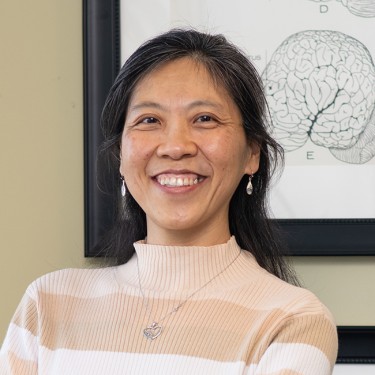
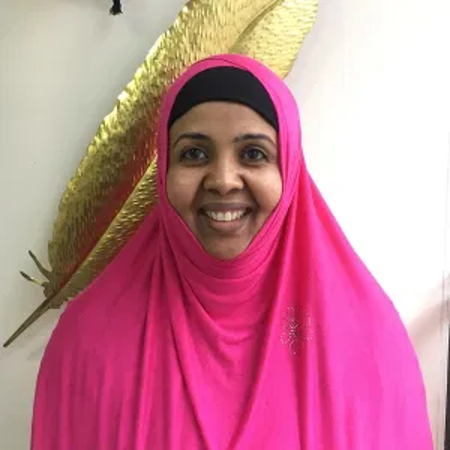
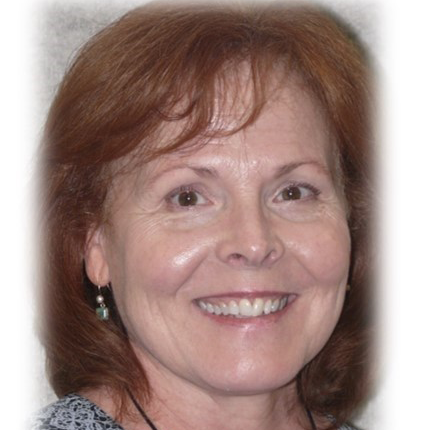
  • Ling Cao

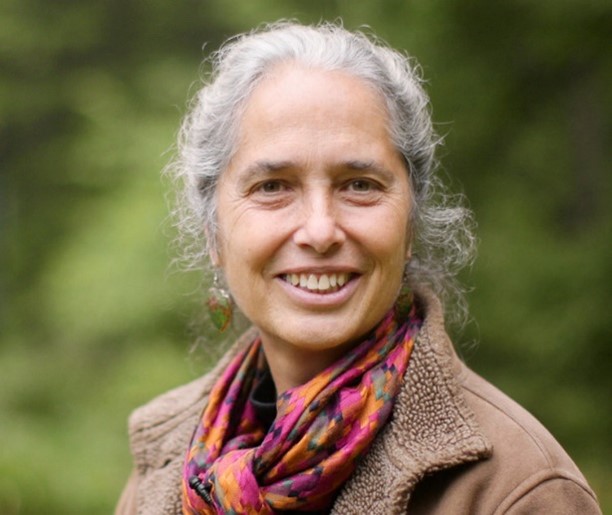
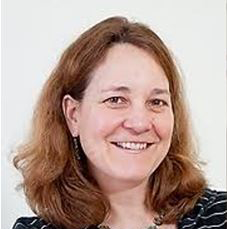
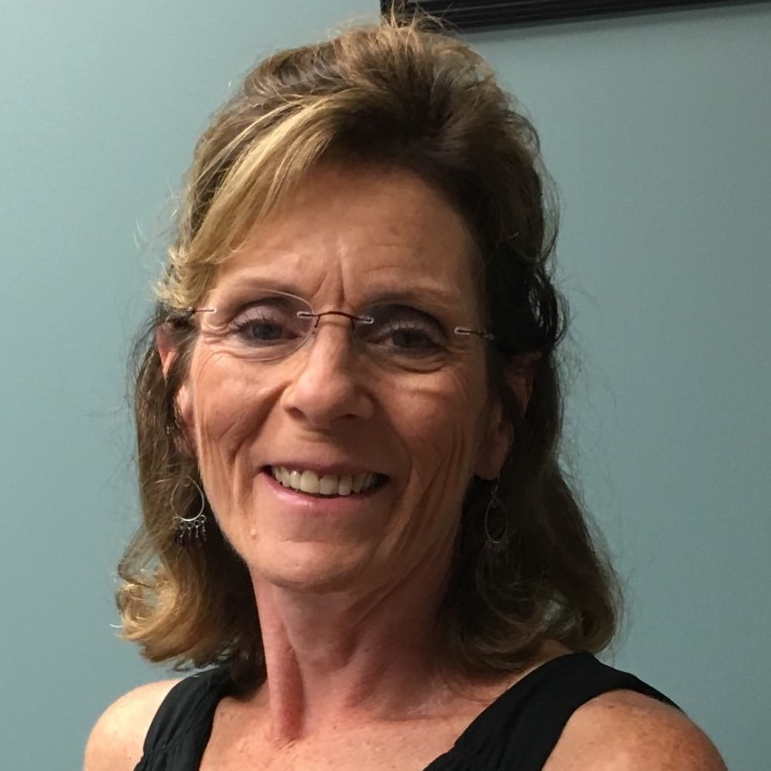
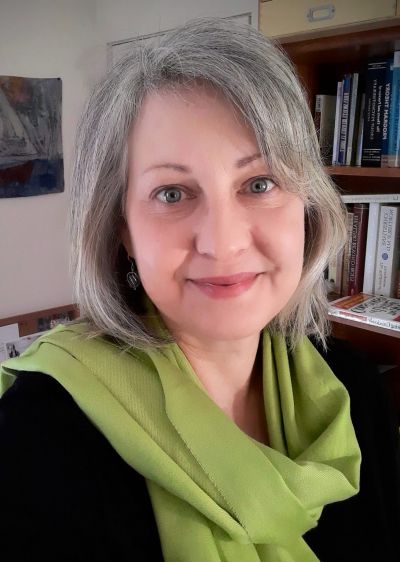
    Dr. Ling Cao

  • Dr. Ling Cao is a professor of biomedical science at the University of New England College of Osteopathic Medicine. She is a biomedical researcher and educator, and an advocate and practitioner in interprofessional education. As an independent researcher, she continues to advance biomedical/translational research to delineate the neuroimmune mechanisms in neuropathic pain. As a medical educator, she promotes learning in interprofessional/interdisciplinary teams. Her recent research interest in population health and health informatics led her to create the first pain registry in Maine. Dr. Cao earned her M.D. from Beijing Medical University (Currently Peking University Health Science Center), her Ph.D. in Toxicology from SUNY Albany, and her Master of Public Health from the Johns Hopkins Bloomberg School of Public Health.

Registration

Select the Enroll Me button below to register for this recording. If you have any trouble accessing the recording, contact support@nephtc.org.


Acknowledgement:
This project is supported by the Health Resources and Services Administration (HRSA) of the U.S. Deparment of Health and Human Services (HHS) as part of award 2 UB6HP31685‐05‐00 “Public Health Training Centers.” The contents are those of the author(s) and do not necessarily represent the official views of, nor an endorsement, by HRSA, HHS or the U.S. Government.


Category: Access

Gun Violence is a Public Health Issue: Policy Solutions Can Save Lives

What policy actions can we take to reduce gun violence, promote gun safety, and protect public health?

MPHA Maine Public Health Association Logo


Register

Course Information

  • Audience: All public health professionals working in nonprofits, healthcare, educational institutions, government and private sector
  • Format: Webinar
  • Date/Time: Thursday, November 9th, 6:30 PM – 7:30 PM ET
  • Price: Free
  • Length: 1 hour
  • Credential(s) eligible for contact hours: Sponsored by New England Public Health Training Center (NEPHTC), a designated provider of continuing education contact hours (CECH) in health education by the National Commission for Health Education Credentialing, Inc. This program is designated for Certified Health Education Specialists (CHES) and/or Master Certified Health Education Specialists (MCHES) to receive up to 1 total Category I continuing education contact hours. Maximum advanced-level continuing education contact hours are 1. Provider ID: 1131137 Event ID:PM1131137_11092023
    If you are not seeking a CHES/MCHES contact hours, if you complete the evaluations, you will receive a Certificate of Completion. The Certificate will include the length of the course.
  • Competencies: Policy Development and Program Planning Skills
  • Learning Level: Awareness
  • Companion Trainings: None
  • Supplemental materials:PowerPoint and follow-up email with any links mentioned during presentation.
  • Pre-requisites: None
  • Technical Requirements: This webinar is hosted on the Zoom platform. Please refer to the Zoom System Specifications to ensure your system meets the minimum requirements for connecting.

About this Webinar

Gun violence is a threat to public health. As of November 1, 2023, according to the Gun Violence Archive, there have been 586 mass shootings in the United States just this year. Join us to hear from national and state experts, advocates, and policymakers about evidence-based strategies to reduce gun violence and promote gun safety, and what actions you can take to help make our communities safer.

What you'll learn

At the end of the recording, participants will be able to:

  • Describe gun-related data and research.
  • Identify evidence-based policy proposals to reduce gun violence, promote gun safety, and protect public health.
  • Identify actions that can be taken to support gun safety.


Subject Matter Experts

  • Shannon Frattaroli

    Shannon Frattaroli
    PhD, MPH, Professor and Core Faculty with the Johns Hopkins Center for Gun Violence Solutions

  • Vicki Doudera

    State of Maine
    Representative Vicki Doudera
    Co-Chair of Maine Legislature's Gun Safety Caucus

  • Margaret Groban

    Margaret Groban
    Board Member, Maine Gun Safety Coalition, former federal prosecutor, and adjunct faculty at University of Maine School of Law


Registration

Select the Enroll Me button below to register for this recording. If you have any trouble accessing the recording, contact support@nephtc.org.


Acknowledgement:
This project is supported by the Health Resources and Services Administration (HRSA) of the U.S. Deparment of Health and Human Services (HHS) as part of award 2 UB6HP31685‐05‐00 “Public Health Training Centers.” The contents are those of the author(s) and do not necessarily represent the official views of, nor an endorsement, by HRSA, HHS or the U.S. Government.
Category: Access

Maine Oral Health Dialogue

How can we continue to improve oral health and access to dental care in Maine?

MPHA Maine Public Health Association Logo  NEPTHC New England Public Health Training Center Logo UME University of Maine Logo

NCHEC CHES Logo    

Register

Course Information

  • Audience: Dental Health Professionals, Dental Health students, Dental Health Policy Makers
  • Format: Webinar
  • Date/Time: Friday 2nd April 2021, 12 PM – 1PM ET
  • Price: Free
  • Length: 1 hour
  • Credential(s) eligible for contact hours: Sponsored by New England Public Health Training Center (NEPHTC), a designated provider of continuing education contact hours (CECH) in health education by the National Commission for Health Education Credentialing, Inc. This program is designated for Certified Health Education Specialists (CHES) and/or Master Certified Health Education Specialists (MCHES) to receive up to 1 total Category I continuing education contact hours. Maximum advanced-level continuing education contact hours are 1. Provider ID: 1131137 Event ID: SS1131137_HEDMOHE
     If you are not seeking a CHES/MCHES contact hours, if you complete the post-test and evaluation, you will receive a Certificate of Completion. The Certificate will include the length of the course.
  • Competencies: Leadership and Systems Thinking Skills
  • Learning Level: Awareness
  • Companion Trainings: None
  • Supplemental materials:Power point
  • Pre-requisites: None

About this Webinar

In this webinar, we will host a panel of experts on oral health. We will be discussing access to care, barriers and inequalities prevalent in Maine in relation to dental care. Speakers from UMA’s Dental Health Programs, From the First Tooth, and Partnership for Children’s Oral Health, will share their expertise on the topic.


What you'll learn

At the end of the webinar, participants will be able to:

  • Describe oral health inequity in Maine
  • List 2 ways to increase access to dental care in Maine
  • Describe 3 resources for professionals who are improving Maine’s Dental Health

Subject Matter Experts


  • Jennifer Crittenden, PhD, MSW

    Assistant Professor in the UMaine School of Social Work

  • Jennifer Crittenden, PhD, MSW is an assistant professor in the UMaine School of Social Work as well as the Associate Director of the University of Maine Center on Aging. Dr. Crittenden has over fifteen years of experience in professional and community education, program evaluation and program planning. Nearly all research projects and grant-funded programs under her management entail the translation of academic research into professional and public education programs, events, and dissemination activities. Her experience in healthcare research and evaluation includes a variety of initiatives aimed at prevention and quality improvement across the care spectrum. Dr. Crittenden is currently the evaluation co-lead for the statewide AgingME Geriatrics Workforce Enhancement Program. She is also co-PI for The Mayer-Rothschild Foundation Designation of Excellence in Person-Centered Long-Term Care Project, a project that is developing a national framework from which person-centered care can be defined and implemented in long-term care settings. Dr. Crittenden has also spearheaded a primary care elder abuse screening project, served as a consultant for an educational initiative focused on care transitions, and has served as a lead evaluator for two oral health initiatives implemented within primary care and long-term care settings.


  • Kellie A Stanhope RDH, BSDH, EFDA

    Program Coordinator at Northern Light
    Health

  • Kellie Stanhope has worked for 36 years as a clinical dental hygienist, practicing in many settings, including private practice, Indian Health Services public health, and as a clinical instructor. She is a graduate of University of Maine, Orono and University of Maine Augusta-Bangor, and is currently employed at Northern Light Health as Program Coordinator, Child Health within the Community Health and Grants Department. She works directly with the Raising Readers and From the First Tooth Programs and is a Professional Clinical Teacher II in the Dental Health Programs at the University of Maine at Augusta-Bangor campus. She provides clinical instruction in the senior Dental Hygiene Clinic and is clinical lead for the Local Anesthesia and Expanded Function Dental Auxiliary labs.


  • Kalie Hess

    Associate Director for Partnership for Children’s Oral Health

  • Kalie Hess works at the Partnership for Children’s Oral Health, working to build a network of partners in Maine who are dedicated to eradicating dental disease in children. Dental disease is an equity issue, and she approaches this work through that perspective. Prior to working at PCOH, Kalie worked with Maine’s Federally Qualified Health Centers to implement quality improvement, policy, and systems solutions to increase access to health care for underserved people. Kalie has a background of working locally and at the state level to promote community health and wellbeing through community coalition efforts. Kalie brings to her work a commitment to addressing health equity and the underlying causes that prevent people from thriving – whether that is addressing barriers in transportation systems, improving confidence in public health efforts, or working to build new systems that better serve the people they are intended to help. Kalie received her Bachelor’s in Anthropology from the University of Maine and her Master of Public Health from the University at Albany.


  • Kathryn Walker, RDH, EFDA, MSEd

    Assistant Professor of Dental Health at UMA

  • Kathryn Walker is Assistant Professor of Dental Health at the University of Maine, Augusta. In April 2020, she was appointed by Governor Janet Mills to serve a five-year term as a member of the Maine Board of Dental Practice (MBDP). The MBDP is a state regulatory agency that meets monthly with a primary focus in the protection of the public through individual dental professional regulation.


  • Hibo Omer, MPH

    Consultant for Public Health

  • Hibo Omer is a consultant for public health and diversity who educates and advocates in Maine. Hibo earned her Bachelors of Science from the University of Southern Maine, and her Master’s in Public Health from University of New England. Hibo, who was born in Ethiopia and acculturated in Somali, identifies herself as Ethio-SoMainer because she has lived most of her life in Maine. Hibo’s history has included working in Social Service with the New Mainers’ community from resettlement to connecting New Mainers to service. Additionally, she worked with the NH-ME Leadership Education in Neurodevelopmental and Related Disabilities (LEND) Program as Public Health and Diversity Consultant. She is a co-founder of an international NGO called New Mainers Public Health–Horn of Africa, which provides public health consultation in public health disability and the program of Behavioral Health Professional (BHP) services. Hibo is a co-founder of Smart Health Consultant, a consulting firm that focuses on public health projects, diversity training, and strategic planning.


  • Carrie Woodcock

    Executive Director for Maine Parent Federation

  • Carrie Woodcock is a graduate from Saint Joseph's College in Maine with a BA in liberal arts. She spent 15 years after graduation in the filed of sales and marketing. Six years after the birth of her daughter she joined Maine Parent Federation as the Regional Family Support Coordinator for Southern Maine. Five years ago she became the Executive Director for Maine Parent Federation. She has a son who is 16 years old who is diagnosed with Dyslexia and ADHD a 14 year old daughter with Down Syndrome. She has been advocating for the needs of her children across all systems of care since 2007. Her work with Maine Parent Federation has allowed her to share my knowledge and experience with parents and professionals alike since 2013.


Registration

Select the Enroll Me button below to register for this webinar. If you have any trouble accessing the recording, contact support@nephtc.org.

Acknowledgement: This project is/was supported by the Health Resources and Services Administration (HRSA) of the U.S. Department of Health and Human Services (HHS) under grant number UB6HP31685 “Regional Public Health Training Center Program.” This information or content and conclusions are those of the author and should not be construed as the official position or policy of, nor should any endorsements be inferred by HRSA, HHS or the U.S. Government.

Category: Access

Course Information

  • Audience: Community health workers, public health professionals, social service providers, policymakers
  • Format: Webinar
  • Date/Time: Tuesday, May 24th 2022
    11:00 AM – 12:00 PM EST
  • Price: Free
  • Length: 1 hour
  • Credential(s) eligible for contact hours: Sponsored by New England Public Health Training Center (NEPHTC), a designated provider of continuing education contact hours (CECH) in health education by the National Commission for Health Education Credentialing, Inc. This program is designated for Certified Health Education Specialists (CHES) and/or Master Certified Health Education Specialists (MCHES) to receive up to 1 total Category I continuing education contact hours. Maximum advanced-level continuing education contact hours are 1. Provider ID: 1131137 Event ID: PM1131137_05242022.
    If you are not seeking a CHES/MCHES contact hours, if you complete the post-test and evaluation, you will receive a Certificate of Completion. The Certificate will include the length of the course.
  • Competencies: Policy Development and Program Planning Skills
  • Learning Level: Awareness
  • Companion Trainings: None
  • Supplemental materials:None
  • Pre-requisites: None

About this Webinar

This webinar will describe the intersection between homelessness and housing and public health and health outcomes. It will discuss how housing is a social determinant of health and identify local solutions to ending homelessness.


What you'll learn

At the end of the course, participants will be able to:

  • Describe what homelessness looks like in Maine
  • Describe how homelessness intersects with health promotion and disease prevention
  • Identify 1-2 services and solutions to homelessness
  • Identify 1-2 ways Maine is approaching the design and delivery of homelessness services


Subject Matter Experts

  • Lauren Bustard

    Lauren Bustard

  • Lauren Bustard is the Senior Director of Homeless Initiatives at MaineHousing. Prior to joining MaineHousing in 2012, she worked for many years in social service and education programs in Maine, and in refugee and international development programs in Latin America and Southeast Asia.

  • Courtney Pladsen

    Courtney Pladsen
    DNP, FNP-BC

  • Courtney Pladsen is the Clinical Director at the National Health Care for the Homeless Council where she leads national efforts to improve health care quality and access for people experiencing homelessness through quality improvement initiatives, technical assistance, research, policy/advocacy, and training. She is a current fellow in the Robert Wood Johnson Foundation Culture of Health Leader program for her work at the intersection of health and housing. She works clinically providing medical, mental health, and substance use treatment to people who are experiencing homelessness at the FQHC Greater Portland Health in Portland, Maine.

  • Cullen Ryan

    Cullen Ryan

  • Cullen Ryan has a 35-year career serving homeless and special needs populations. A formerly licensed clinician (LICSW) with a BA from the University of Vermont and a MA in Counseling and Psychological Services from St. Mary’s University (Minnesota), Cullen has provided street outreach, case management, family therapy, and individual/group psychotherapy to homeless adults, families, and adolescents in a variety of clinical and non-clinical settings in three states. Since 2004, Cullen Ryan has served as Executive Director of Community Housing of Maine, the largest housing provider for homeless populations in the state. Cullen currently co-chairs or chairs several Boards and Coalitions, and he serves as President of the Board of Directors for the Maine CoC. Cullen was a past Chair of the Maine Affordable Housing Coalition, and recent Acting Chair of Maine’s Statewide Homeless Council, and actively serves on both. For more on Community Housing of Maine, go to www.chomhousing.org

  • Erin Healy

    Erin Healy

  • Erin Healy is a Strategy Lead for Large Scale Change at Built for Zero. Her work focuses on implementing the Built for Zero model on a statewide level. She has worked on issues related to the homeless sector for over fifteen years. Erin specializes in systems improvement, movement building, and helping collaborative teams set and achieve clear, measurable goals. After several years as an independent consultant, Erin re-joined the Community Solutions team in 2021. She was a member of CS’s 100,000 Home Campaign team (2012 – 2014) and helped launch Built for Zero in 2016. Erin holds a JD from the University of Washington School of Law and an MFA in Writing from Sarah Lawrence College.

  • Donna Kelley

    Donna Kelley
    MSW, LCSW

  • Donna Kelley is the President and CEO of Waldo Community Action Partners. She is Licensed Clinical Social Worker in the state of Maine and joined WCAP in 2018. Prior to that she worked for Kennebec Behavioral Health for 19 years. Donna has been immersed in the community mental health and social services field for 32 years. She has worked to plan, develop, implement, and restructure mental health and community service programs and systems by working with local, regional, and statewide community-based organizations, groups, and governmental agencies to improved access and quality of services for consumers allowing for improved quality of life and greater self-sufficiency. Donna earned her undergraduate degree in Biology from the University of Maine, and her Master’s in Social Work from the University of New England in Biddeford.

  • Rich Hooks Wayman

    Rich Hooks Wayman

  • Rich Hooks Wayman serves as the President and CEO for Volunteers of America Northern New England (www.voanne.org), a nonprofit organization offering affordable housing, residential care and community based social services to communities in Maine and New Hampshire. Prior to his tenure at Volunteers of America, Richard served as the National Executive Director for the Children’s Defense Fund. Additionally, Richard was the CEO of a regional child welfare agency in Massachusetts, was the Executive Director of a statewide supportive housing program serving long term homeless persons in Minnesota, and conducted federal legislative advocacy and policy analysis for the National Alliance to End Homelessness. Richard attended the University of Iowa College of Law, graduating with a Juris Doctor in 1992, and the University of Iowa College of Law, graduating with a Juris Doctor in 1992. He is a member of the American Bar Association to has been appointed to the Commission on Homelessness and Poverty. Richard and his husband (Aaron) have six adoptive children.

Registration

Select the Enroll Me button below to register for this recording. If you have any trouble accessing the recording, contact support@nephtc.org.

Acknowledgement: This project is/was supported by the Health Resources and Services Administration (HRSA) of the U.S. Department of Health and Human Services (HHS) under grant number UB6HP31685 “Regional Public Health Training Center Program.” This information or content and conclusions are those of the author and should not be construed as the official position or policy of, nor should any endorsements be inferred by HRSA, HHS or the U.S. Government.

Category: Access
Person tightrope walking across a canyon in a mountainous region

Incarceration: A Public Health Crisis

Why are people who are without health insurance seven times more likely to become incarcerated?

MPHA Maine Public Health Association Logo  


Course Information

  • Audience: All public health professionals working in nonprofits, healthcare, educational institutions, government and private sector
  • Format: Webinar
  • Date/Time: Thursday, September 5th, 2024 12:00 PM – 1:00 PM ET.
  • Price: Free
  • Length: 1 hour
  • Credential(s) eligible for contact hours: Sponsored by New England Public Health Training Center (NEPHTC), a designated provider of continuing education contact hours (CECH) in health education by the National Commission for Health Education Credentialing, Inc. This program is designated for Certified Health Education Specialists (CHES) and/or Master Certified Health Education Specialists (MCHES) to receive up to 1 total Category I continuing education contact hours. Maximum advanced-level continuing education contact hours are 1. Provider ID:  Event ID: .
    If you are not seeking a CHES/MCHES contact hours, if you complete the post-test and evaluation, you will receive a Certificate of Completion. The Certificate will include the length of the course.
  • Competencies: Health Equity Skills
  • Learning Level: Awareness
  • Companion Trainings: None
  • Supplemental materials:None
  • Pre-requisites: None

About this Webinar

This presentation will provide an overview of how Maine’s current incarceration system reflects critical economic determinants of health and how incarceration affects Maine’s economy, community health and safety. It will also outline the steps necessary to prevent or mitigate the harm done to individuals, families and communities from our over reliance on incarceration.


What you'll learn

After attending this webinar, participants will be able to:

  • Identify the economic determinants of health at the center of the current failures of the carceral system.
  • Describe four specific health related problems associated with the carceral system and how they affect public health in Maine.
  • Identify three solutions that could improve health outcomes for incarcerated people and for the communities receiving these people on release.


Subject Matter Experts

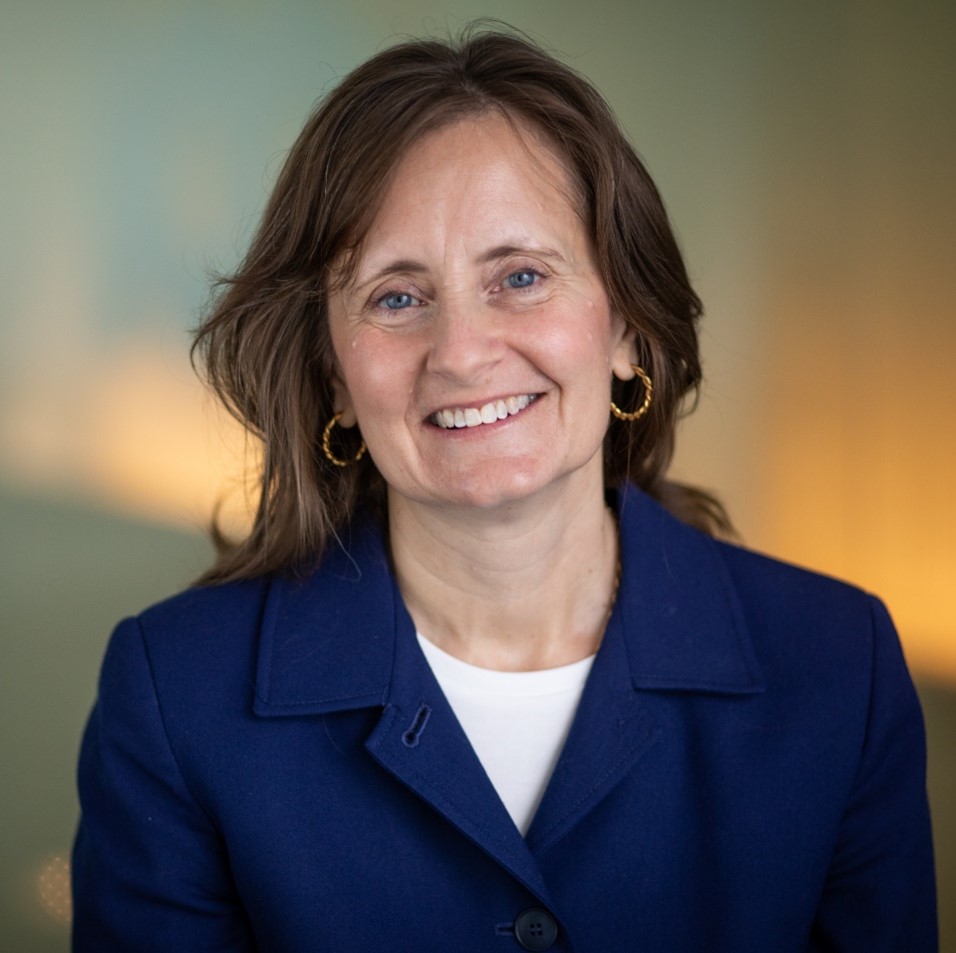
    Jan Collins

    Jan Collins

    Retired high school science teacher and blueberry farmer, Jan became involved with criminal justice reform when her son was incarcerated in 2012. Since then, she has served on the Board of Visitors for Franklin County Jail, acts as Maine Prisoner Advocacy Coalition’s liaison with the prison branch of the NAACP, and regularly testifies before the legislature on issues related to criminal justice reform. She is assistant director of Maine Prisoner Advocacy Coalition.


Registration

Select the Enroll Me button below to register for this recording. If you have any trouble accessing the recording, contact support@nephtc.org.

Enroll Me


Acknowledgement:
This project is supported by the Health Resources and Services Administration (HRSA) of the U.S. Department of Health and Human Services (HHS) as part of award 2 UB6HP31685‐05‐00 “Public Health Training Centers.” The contents are those of the author(s) and do not necessarily represent the official views of, nor an endorsement, by HRSA, HHS or the U.S. Government.
Category: Access

Course Information

  • Audience: Public Health Practitioners/ Professionals including Community Health Workers
  • Format: Webinar
  • Date/Time: October 28, 2020
    12:00 - 1:00 PM EST
  • Price: Free
  • Length: 1 hour
  • Credential(s) eligible for contact hours: Sponsored by New England Public Health Training Center (NEPHTC), a designated provider of continuing education contact hours (CECH) in health education by the National Commission for Health Education Credentialing, Inc. This program is designated for Certified Health Education Specialists (CHES) and/or Master Certified Health Education Specialists (MCHES) to receive up to 1 total Category I continuing education contact hours. Maximum advanced-level continuing education contact hours are 1. Provider ID: 1131137 Event ID: PM1131137_10282020.
    If you are not seeking CHES/MCHES contact hours, if you complete the evaluation, you will receive a Certificate of Completion. The Certificate will include the length of the course.
  • Competencies: Leadership and Systems Thinking Skills
  • Learning Level: Awareness
  • Companion Trainings: None
  • Supplemental materials:Session PowerPoint
  • Pre-requisites None


About this Webinar

What is the potential paradigm shift of applying human rights standards to your public health practice?


What you'll learn

At the end of the webinar, participants will be able to:

  • Define human rights
  • Apply questions to identify changes necessary for using human rights standards in your public health practice
  • Describe 2 websites for definitive resources for human rights standards

Subject Matter Expert

  • Sarah Levin-Lederer
    Loretta Ross

    Associate Professor at Smith College

  • Loretta Ross is a Visiting Associate Professor at Smith College in the Program for the Study of Women and Gender for the 2019-2021 academic years.

    She started her career in activism and social change in the 1970s, working at the National Football League Players’ Association, the D.C. Rape Crisis Center, the National Organization for Women (NOW), the National Black Women’s Health Project, the Center for Democratic Renewal (National Anti-Klan Network), the National Center for Human Rights Education, and SisterSong Women of Color Reproductive Justice Collective, until retiring as an organizer in 2012 to teach about activism. Her passion transforms anger into social justice to change the world.

    Her most recent books are Reproductive Justice: An Introduction co-written with Rickie Solinger, and Radical Reproductive Justice: Foundations, Theory, Practice, Critique, both published in 2017. Her forthcoming book is Calling In the Calling Out Culture: Detoxing Our Movement due out in 2020.

    She has appeared on CNN, BET, "Lead Story," "Good Morning America," "The Donahue Show," the National Geographic Channel, and "The Charlie Rose Show.” She has been quoted in the New York Times, Time Magazine, The Los Angeles Times, and the Washington Post, among others.

    Her activism began as a rape and incest survivor as a teen mother. She graduated college at age 55. She is from San Antonio, TX and lives in Atlanta, GA. She is a mother and grandmother, and an avid pinochle player. Her dream is to see Venus and Serena Williams play tennis in person.


    Registration

    Select the Enroll Me button below to register for this webinar. If you have any trouble accessing the webinar, contact support@nephtc.org.

    Acknowledgement: This project is/was supported by the Health Resources and Services Administration (HRSA) of the U.S. Department of Health and Human Services (HHS) under grant number UB6HP31685 “Regional Public Health Training Center Program.” This information or content and conclusions are those of the author and should not be construed as the official position or policy of, nor should any endorsements be inferred by HRSA, HHS or the U.S. Government.

    * Yale School of Public Health, Office of Public Health Practice, a New England Public Health Training Center partner, is a designated provider of continuing education contact hours (CECH) in health education by the National Commission for Health Education Credentialing, Inc. All CHES credit inquiries are managed by YSPH

Category: Access

On the Brink: Health Care in Maine and America

Why is the U.S. health care “system” so broken, and what will it take to fix it?

MPHA Maine Public Health Association Logo 

Register

Course Information

  • Audience: All public health professionals working in nonprofits, housing, healthcare, educational institutions, government and private sector
  • Format: Webinar
  • Date/Time: Thursday, April 4th, 2024 12:00 PM – 1:00 PM ET.
  • Price: Free
  • Length: 1 hour
  • Credential(s) eligible for contact hours: Sponsored by New England Public Health Training Center (NEPHTC), a designated provider of continuing education contact hours (CECH) in health education by the National Commission for Health Education Credentialing, Inc. This program is designated for Certified Health Education Specialists (CHES) and/or Master Certified Health Education Specialists (MCHES) to receive up to 1 total Category I continuing education contact hours. Maximum advanced-level continuing education contact hours are 1. Provider ID: 1131137 Event ID: PM1131137_02012024.
    If you are not seeking a CHES/MCHES contact hours, if you complete the post-test and evaluation, you will receive a Certificate of Completion. The Certificate will include the length of the course.
  • Competencies: Policy Development and Program Planning Skills
  • Learning Level: Awareness
  • Companion Trainings: None
  • Supplemental materials:None
  • Pre-requisites: None

About this Webinar


This webinar will briefly review the problematic state of health care in Maine and America and three interlocking factors contributing to its deterioration:  lack of access to care, increasing corporatization of health care, and provider shortages.  There is no one fix for health care in America, but a publicly funded, universal system of care would greatly improve the current situation.  We will discuss what such a system might look like in Maine, how we might get there, what challenges will hinder its establishment, and what problems it will not solve.


What you'll learn

At the end of the webinar, participants will be able to:

  • Identify and discuss several current problems with the health care system in Maine and America
  • Explain one model for publicly funded, universal health care in Maine
  • Describe several challenges to achieving such a system and assuring its effectiveness


Subject Matter Expert

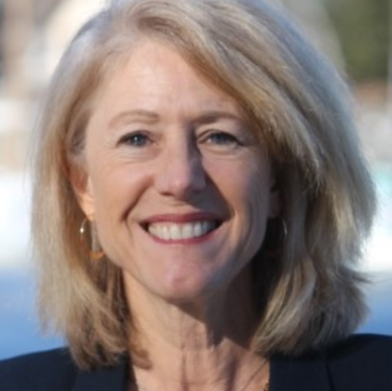
  • David Jolly

    David Jolly

  • David Jolly, DrPH retired after 17 years of teaching in the Department of Public Health Education at North Carolina Central University, where he conducted prevention research on HIV/AIDS, tobacco, and cancer. He also designed and taught a public health policy course focusing on access to health care. Prior to teaching, Dr. Jolly spent over 15 years working in public health, largely in the field of HIV/AIDS. He served as the first Head of the NC State AIDS Control Branch, the Manager of the North Carolina AIDS Training Network, and the Director of the American Social Health Association’s CDC Hotlines Project Office, where he coordinated the national AIDS, STD, and immunization hotlines. He currently volunteers at the Surry Elementary School and serves on the board of Maine AllCare.


Registration

Select the Enroll Me button below to register for this recording. If you have any trouble accessing the recording, contact support@nephtc.org.


Acknowledgement:
This project is supported by the Health Resources and Services Administration (HRSA) of the U.S. Department of Health and Human Services (HHS) as part of award 2 UB6HP31685‐05‐00 “Public Health Training Centers.” The contents are those of the author(s) and do not necessarily represent the official views of, nor an endorsement, by HRSA, HHS or the U.S. Government.
Category: Access

Public Health, Medicine and Poverty

How has housing policy contributed to the disproportionate and extreme housing cost burdens of people and families of color?

 BUSPH Boston University School of Public Health LogoNCHEC CHES Logo    


Register

Course Information

  • Audience: Public Health Professionals
  • Format: Recorded Webinar
  • Date/Time: Thursday, December 10th 2020 4:30 PM – 6 PM EST.
  • Price: Free
  • Length: 1.5 hours
  • Credential(s) eligible for contact hours: Sponsored by New England Public Health Training Center (NEPHTC), a designated provider of continuing education contact hours (CECH) in health education by the National Commission for Health Education Credentialing, Inc. This program is designated for Certified Health Education Specialists (CHES) and/or Master Certified Health Education Specialists (MCHES) to receive up to 1 total Category I continuing education contact hours. Maximum advanced-level continuing education contact hours are 1. Provider ID: 1131137 Event ID: SS1131137_PHMP. 
    If you are not seeking a CHES/MCHES contact hours, if you complete the post-test and evaluation, you will receive a Certificate of Completion. The Certificate will include the length of the course.
  • Competencies: Health Equity Skills
  • Learning Level: Awareness
  • Companion Trainings: None
  • Supplemental materials:Noe
  • Pre-requisites: None

About this Recording

Poverty poses a serious threat to the health of the public, as those living in poverty are less likely to be able to access the conditions that promote health. Panelists will discuss the intersections of health, medicine, and poverty, and how addressing the social factors that create health can lead to greater health for all.


What you'll learn

At the end of the recording, participants will be able to:

  • Describe the role of housing instability in health of individuals and of populations
  • List at least 3 risk factors for poor health outcomes that are associated with poverty
  • Describe the interrelationship among Medicaid, race, and poverty
  • Discuss the role of power as a social determinant of health and how it can be used to create change


Moderator

  • Natalia Linos

    Natalia Linos

    Executive Director, FXB Center at Harvard University


Subject Matter Experts

  • Soni Gupta

    Soni Gupta

    Director of Neighborhoods and Housing

  • Jamila Michener

    Jamila Michener

    Associate Professor, Cornell
    University

  • Phillomin Laptiste

    Phillomin Laptiste

    Executive Director, Beth Israel Deaconess Medical Center

  • Hermina Palacio

    Herminia Palacio

    President and CEO, Guttmacher
    Institute

  • Michael Stein

    Michael Stein

    Professor, Boston University School of Public Health

Registration

Select the Enroll Me button below to register for this recording. If you have any trouble accessing the recording, contact support@nephtc.org.

Acknowledgement: This project is/was supported by the Health Resources and Services Administration (HRSA) of the U.S. Department of Health and Human Services (HHS) under grant number UB6HP31685 “Regional Public Health Training Center Program.” This information or content and conclusions are those of the author and should not be construed as the official position or policy of, nor should any endorsements be inferred by HRSA, HHS or the U.S. Government.

Category: Access

Supporting Infant Feeding Goals in the First 4 Weeks

Do you ever feel conflicted about how to best support families' feeding goals when you also have concerns about infant weight gain?

MPHA Maine Public Health Association Logo 

Maine AAP
 

Course Information

  • Audience: All public health professionals working in nonprofits, healthcare, educational institutions, government and private sector
  • Format: Webinar
  • Date/Time: Thursday, November 14th, 12:00 PM – 1:00 PM ET
  • Price: Free
  • Length: 1 hour
  • Credential(s) eligible for contact hours: Sponsored by New England Public Health Training Center (NEPHTC), a designated provider of continuing education contact hours (CECH) in health education by the National Commission for Health Education Credentialing, Inc. This program is designated for Certified Health Education Specialists (CHES) and/or Master Certified Health Education Specialists (MCHES) to receive up to 1 total Category I continuing education contact hours. Maximum advanced-level continuing education contact hours are 1. Provider ID: 1131137 Event ID:PM1131137_CIMPART1.
    If you are not seeking a CHES/MCHES contact hours, if you complete the evaluations, you will receive a Certificate of Completion. The Certificate will include the length of the course.
  • Competencies: Communication Skills,
    Health Equity Skills,
    Community Partnership Skills
  • Learning Level: Awareness
  • Companion Trainings: None
  • Supplemental materials:PowerPoint and follow-up email with any links mentioned during presentation.
  • Pre-requisites: None
  • Technical Requirements: This webinar is hosted on the Zoom platform. Please refer to the Zoom System Specifications to ensure your system meets the minimum requirements for connecting.

About this Webinar

Maine Public Health Association, Maine Chapter of the American Academy of Pediatrics, and Maine State Breastfeeding Coalition are coming together for a discussion around supporting the breastfeeding dyad in the first month of life.

Join us for a refresher on the reasons why human milk is recommended, and how to support families' feeding goals while also ensuring proper weight gain. Hear how experts in the field handle particularly tricky scenarios in the first 4 weeks. From discharge planning before the second stage of lactogenesis starts, to that first post-discharge weight check, and the start of those especially gassy/fussy weeks, learn some different strategies and scripts for supporting families whose goals are to exclusively feed human milk.


What you'll learn

At the end of the recording, participants will be able to:

  1. Review reasons why exclusive human milk feeding is recommended and its connection to obesity prevention.
  2. Discuss appropriate weight loss and identify 3 tools for addressing higher than average weight loss for the exclusively breastfed baby in the first 4 weeks.
  3. Understand when to recommend pumping and/or supplementing in the first 4 weeks of the infant’s life
  4. Identify new parent and professional resources for breast/chestfeeding information and support

Subject Matter Experts

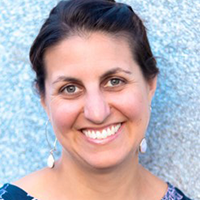
  • Kara Kaikini

    Kara Kaikini

  • Kara Kaikini is the Executive Director of the Maine State Breastfeeding Coalition. She has been an International Board Certified Lactation Consultant since 2009 and has supported new families for over 20 years as a home visitor, postpartum doula, lactation consultant, childbirth education and lactation services program manager, prenatal educator, and postpartum group facilitator. She was the Lactation Specialist for Maine CDC's Maternal Child Health Program/Perinatal Outreach & Education Consultant Program from 2016 - 2022 and is a member of the Perinatal Quality Collaborative of Maine (PQC4ME) Steering Committee. Kara is passionate about reducing barriers preventing families from meeting their infant feeding and maternal mental health goals through education, support, connection, and advocacy. Kara lives in Freeport with her husband and two energetic boys and also serves on the RSU5 School Board.

  • Paula Norcott

    Paula Norcott

  • Paula Norcott is the co-owner of Maine Mother and Company, a perinatal resource center in Brunswick, Maine. She is also the Breastfeeding Educator with Maine's Perinatal Outreach and Education Consultation Services. Paula is a lactation consultant with over 23 years of experience serving feeding parents. She got her start in this work as a peer counselor for WIC in Plymouth, Massachusetts in 1999. She worked in a fast-paced hospital setting for 5+ years. Paula currently works in private practice, in the infant feeding tech world and consults for both the state as well as a well-known pump company. Frustrated by how nipple pain is brushed off and how slow infant weight gain is blamed on feeding parents, Paula has made it her mission to help these families feel confident in their plan and their ability to feed their tiny humans with a mental health first approach. When not helping other families, Paula can be found at home, with her husband and at least a few of her five children, likely drinking GOOD chai, knitting and obsessing about when the next Percy Jackson episode will be released.

  • Scott Gagnon

    Dr. Kelsey Walton

  • Dr. Kelsey Walton is a primary care pediatrician at Kennebec Pediatrics in Augusta, ME. Prior to transitioning to primary care almost two years ago, she practiced as a pediatric hospitalist for 9 years at Maine General Medical Center. Kelsey is a mom to two boys ages 3 and 5 years. They love camping and spending time outdoors. Kelsey enjoys gardening, beekeeping, and reading.


Registration

Select the Enroll Me button below to register for this recording. If you have any trouble accessing the recording, contact support@nephtc.org.


Acknowledgement:
This project is supported by the Health Resources and Services Administration (HRSA) of the U.S. Deparment of Health and Human Services (HHS) as part of award 2 UB6HP31685‐05‐00 “Public Health Training Centers.” The contents are those of the author(s) and do not necessarily represent the official views of, nor an endorsement, by HRSA, HHS or the U.S. Government.
Category: Access

Course Information

  • Audience: Public health professionals, State and local health departments 
  • Format: Webinar
  • Date/Time: September 26, 2019
    12 PM - 1 PM EST
  • Price: Free
  • Length: 1 hour
  • Credential(s) eligible for contact hours: Certificate of completion
  • Competencies: Policy Development and Program Planning Skills
  • Learning Level: Awareness
  • Companion Trainings: None
  • Supplemental materials: Session PowerPoint
  • Pre-requisites: None

About this webinar

This webinar will highlight the City of Providence, Rhode Island’s efforts to integrate health into public policies across sectors. Examples will include working in collaboration with Providence public schools to address chronic absenteeism, working with fire stations and first responders to mitigate harms from opiate dependence, and working with the public works department.

What you'll learn

At the end of the course, participants will be able to:

  • Understand innovative strategies to work across sectors to address public health problems with innovative public sector partnerships.
  • To gain new understanding of novel strategies to mitigate the public health harms of opiate dependence by training firefighters and first responders in recovery coaching.
  • To understand how to reduce chronic absenteeism by working with public works departments to enhance snow removal in winter months.
  • To understand how to reduce chronic absenteeism by providing menstrual hygiene products in public schools.


Subject Matter Expert


  • Ellen Cynar
    Director of City Providence Healthy Communities Office

Ellen Cynar is the Healthy Communities Office Director for the City of Providence. She joined the office in January 2013. Ms. Cynar has worked in a wide variety of public and private settings as well as health education and promotion positions. Her public health interests include nutrition and food policy.

Ms. Cynar directs the City’s efforts on substance abuse prevention, and promotion of healthy eating, active living, and mental health initiatives. In this role, she provides leadership and advises on health and prevention issues, environmental policy changes, and public education efforts.

Ms. Cynar received a MS in Nutrition and Food Policy from Tufts University’s Friedman School of Nutrition, a MPH in Global Health from Tufts University’s School of Medicine, and a BS in International Affairs from Lewis and Clark College. She lives in Providence, RI with her husband and two children.


Registration and Contact Hours

Select the Enroll button below to register for this webinar. If you have any trouble accessing the webinar, contact trainingmanager@nephtc.org.

The Certificate of Completion will include the length of the webinar. Generally 50 – 60 minutes is equivalent to 1 contact hour. Contact hours may be applicable towards continuing education requirements for certain credentials. Check with your credentialing body to verify if the topic meets its continuing education requirements.

Category: Access

Course Information

  • Audience: Community health workers, public health professionals, nurses, people working with populations requiring chronic care
  • Format: Webinar
  • Date/Time: February 5, 2020
    12:00 - 1:00 PM EST
  • Price: Free
  • Length: 1 hour
  • Credential(s) eligible for contact hours: Sponsored by New England Public Health Training Center (NEPHTC), a designated provider of continuing education contact hours (CECH) in health education by the National Commission for Health Education Credentialing, Inc. This program is designated for Certified Health Education Specialists (CHES) and/or Master Certified Health Education Specialists (MCHES) to receive up to 1 total Category I continuing education contact hour.  Maximum advanced-level continuing education contact hour is 1.  Provider ID: SS1131137, Event ID: 02052020. If you are not seeking  CHES/MCHES contact hours, if you complete the evaluation, you will receive a Certificate of Completion. The Certificate will include the length of the course.
  • Competencies: Community Partnership Skills
  • Learning Level: Awareness
  • Companion Trainings: None
  • Supplemental materials: Session PowerPoint
  • Pre-requisites: None

About this Webinar

This webinar will provide a brief overview of Motivational Interviewing (MI) for community health workers and others who work with populations requiring chronic care. If you are curious about what is MI and how this style of conversation can influence chronic care. Learn the basic structure, mindset and history of MI.


What you'll learn

At the end of the course, participants will be able to:

  • Describe active listening, behavior change and how our approach can foster motivation or not
  • Describe Motivational Interviewing and how it can be applied in your chronic care practice
  • Illustrate the spirit of Motivational Interviewing and how it is used to elicit behavior change
  • Describe Motivational Interviewing skills including OARS and Elicit-Provide-Elicit approaches to patient engagement and education

Subject Matter Expert

  • LisaStockwell
    Lisa Stockwell

Lisa Stockwell, M.Ed., has over 20 years’ experience as a trainer, educator and coach working with organizations, groups and individuals in topics related to positive behavior change, effective communication skills, mindfulness, compassion fatigue and motivational interviewing. She believes that the style of the conversation is essential in helping clients move toward change that will improve their quality of life. Lisa is a certified Train the Trainer and Whole Life Coach. She is a member of MINT (Motivational Interviewing International Trainers), Master Trainer in Stanford Chronic Disease Self-Management (CDSMP) for workplaces, groups and individuals to manage their chronic condition (non-clinical). Lisa is an engaging and lively speaker and storyteller for conferences, organizations, and groups.


Registration and Contact Hours

Select the Enroll me button below to register for this webinar. If you have any trouble accessing the webinar, contact support@nephtc.org

Acknowledgement: This project is/was supported by the Health Resources and Services Administration (HRSA) of the U.S. Department of Health and Human Services (HHS) under grant number UB6HP31685 “Regional Public Health Training Center Program.” This information or content and conclusions are those of the author and should not be construed as the official position or policy of, nor should any endorsements be inferred by HRSA, HHS or the U.S. Government.

* Yale School of Public Health, Office of Public Health Practice, a New England Public Health Training Center partner, is a designated provider of continuing education contact hours (CECH) in health education by the National Commission for Health Education Credentialing, Inc. All CHES credit inquiries are managed by YSPH

Category: Chronic Disease

Course Information

  • Audience: Nurses, community health workers, public health professionals, organization leaders/directors, related disciplines
  • Format: Webinar
  • Date/Time: Wednesday, April 22, 2020 12:00 - 1:00 PM EST
  • Price: Free
  • Length: 2 part series, 1 hour each
  • Credential(s) eligible for contact hours: Sponsored by New England Public Health Training Center (NEPHTC), a designated provider of continuing education contact hours (CECH) in health education by the National Commission for Health Education Credentialing, Inc. This program is designated for Certified Health Education Specialists (CHES) and/or Master Certified Health Education Specialists (MCHES) to receive up to 1 total Category I continuing education contact hour.  Maximum advanced-level continuing education contact hour is 1.  Provider ID: 1131137 Event ID: PM1131137_05132020. 
    If you are not seeking  CHES/MCHES contact hours, if you complete the evaluation, you will receive a Certificate of Completion. The Certificate will include the length of the course.

  • Competencies: Community Partnership Skills 
  • Learning Level: Awareness
  • Companion Trainings:

    Building a Sustainable Arts-Based Health Program: the Hands in Harmony Experience

  • Supplemental materials: Course Schedule and PowerPoint
  • Pre-requisites: None


About this Webinar

This webinar will provide an introduction to music therapy.  The Hands in Harmony population wheel will be paired with infographics to provide an overview on the impact of evidence based music therapy interventions to address health outcomes as well as how to integrate music/music therapy in population health.


What you'll learn

At the end of the course, participants will be able to:

  • Describe the role of music therapy in health and behavioral health
  • Discuss lessons learned from the Hands in Harmony Story in developing self-sustaining arts-based services to increase accessibility to music therapy at the state level
  • Explore and discuss the role of music in addressing social health determinants applicable to populations in the Hands in Harmony population wheel
  • Integrate one applicable approach to increase the impact of music in your personal and/or professional life

Subject Matter Expert


  • Nicole O’Malley
    MA, MT-BC, LPMT, NMT/F

    Executive Director/President
    Neurologic Music Therapist
    Hands in Harmony
    Music Therapy Faculty-University of Rhode Island

Nicole O'Malley, Executive Director and Licensed Neurologic Music Therapist founded Hands in Harmony in 2003 after receiving her BM in Music Therapy from Anna Maria College. She completed training in Neurologic Music Therapy in 2007 and her Fellowship in Neurologic Music Therapy in 2016. Nicole received her MA in music therapy through Berklee college of music focusing on researching the neurobiology of the role of music in the stress and relaxation response.  Nicole received level 1 NICU training in 2017.  She serves as the chair of the Government Relations Committee for the New England Region American Music Therapy Association and chair of the music therapy task force of Rhode Island throughout the passing of the music therapy licensure in RI.  She is music therapy faculty at URI and is passionate about interdisciplinary opportunities, increasing impact through population health, and data collection. 


Registration

Select the Enroll Me button below to register for this webinar. If you have any trouble accessing the webinar, contact support@nephtc.org.

Acknowledgement: This project is/was supported by the Health Resources and Services Administration (HRSA) of the U.S. Department of Health and Human Services (HHS) under grant number UB6HP31685 “Regional Public Health Training Center Program.” This information or content and conclusions are those of the author and should not be construed as the official position or policy of, nor should any endorsements be inferred by HRSA, HHS or the U.S. Government.

* Yale School of Public Health, Office of Public Health Practice, a New England Public Health Training Center partner, is a designated provider of continuing education contact hours (CECH) in health education by the National Commission for Health Education Credentialing, Inc. All CHES credit inquiries are managed by YSPH

Category: Chronic Disease

Course Information

  • Audience: Public health professionals, program managers, people working in providers and community services, behavioral health, mental health
  • Format: Online Facebook Live interview series
  • Date/Time: FBLive Interview 1 - Tues, Feb 19, 2019, 12:00 ET
    FBLive Interview 2 - Tues, Mar 5, 2019, 12:00 ET
    FBLive Interview 3 - Tues, Mar 19, 2019, 12:00 ET
  • Price: Free
  • Length: 3 part series - 30-45 minutes each
  • Credential(s) eligible for contact hours: Certificate of completion
  • Competencies: Health Equity Skills
  • Learning Level: Awareness
  • Companion Trainings: None
  • Supplemental materials: None
  • Pre-requisites: None


About this Facebook Live Series

Join us for 3 Facebook live discussions about the state of men's wellbeing today. How can a greater understanding of what men face help us shape a more compassionate care delivery system and help men feel less isolated? What do we need to know about men to help them live better, healthier lives?


What you'll learn:

At the end of the course, participants will be able to:

Facebook Live Event 1 - Men’s Health & Wellness Today

  • Describe how men live in an environment of risk
  • Learn how isolation and loneliness can lead to an increase in self-harm and violence
  • Discuss the large increase in male suicide since 1999 reported by the CDC

Facebook Live Event 2 - Mapping the Future

  • Describe the primary cultural differences that affect how men approach health and wellness
  • Discuss how important it is to move beyond the distraction of the gender debate, shaping care delivery that is compassionate and reflective of how men approach care.
  • Learn from examples of how these forces can lead to better health and better access to health care

Facebook Live Event 3 - How Can We Better Support Men to Seek Care

  • Describe how communities can question the cultural view that showing vulnerability poses an unwelcome risk
  • List 3 things providers of services can do to make care more acceptable to men
  • Name 4 principles to help men as they seek care


Subject Matter Expert


  • Stephen R. Andrew
    LCSW, LADC, CCS, CGP

  • Co-author of Game Plan: A Man's Guide to Achieving Emotional Fitness, CEO of Health Education & Training Institute. He maintains a compassion-focused private practice in Portland, Maine (USA) where he also facilitates a variety of men’s, co-ed, couples, and caregiver groups. Stephen has been a member of the International Motivational Interviewing Network of Trainers (MINT) since 2003 as well as a MIA-STEP (Motivational Interviewing Assessment; Supervisor Tools for Enhancing Proficiency) trainer for the New England ATTC. Stephen has been MITI trained and has over 100 hours of training in Motivational Interviewing. He provides coaching and training domestically and internationally (Singapore, China, Iceland, Holland, Sweden, Poland, Turkey, & UK) for social service agencies, health care providers, substance abuse counselors, criminal justice, and other groups on Motivational Interviewing, addiction, co-occurring disorders, counseling theory, “challenging” adolescents, supervision, ethics for caring services professionals, men’s work, and the power of group work. Stephen also oversees our MITI Coding and coaching lab.


    Registration and Contact Hours

    Select the Enroll button below to register for this webinar. If you have any trouble accessing the webinar, contact trainingmanager@nephtc.org.

    The Certificate of Completion will include the length of the webinar. Generally 50 – 60 minutes is equivalent to 1 contact hour. Contact hours may be applicable towards continuing education requirements for certain credentials. Check with your credentialing body to verify if the topic meets its continuing education requirements.

Category: Chronic Disease

Course Information

  • Audience: Community health workers, CHW supervisors, Community Health Centers
  • Format: Webinar
  • Date/Time: Thursday, January 25, 2018
    09:00-10:00 AM
  • Price: Free
  • Length: 1 hour
  • Credential(s) eligible for contact hours Certificate of completion
  • Competencies: Public Health Science Skills
  • Learning Level: Awareness
  • Companion trainings:Role of Community Health Workers in the Prevention of Diabetes Part 2 (Friday, February 2, 2018, 1:00-2:00 pm ET)
  • Supplemental materials: PowerPoint
  • Pre-requisites: None

About this Webinar

This is a two-part, interactive webinar.

Part 1: Thursday, January 25, 2018, 09:00 - 10:00 am ET

Part 2: Friday, February 2, 2018, 1:00-2:00 pm ET

Community health workers play an important role in the prevention and treatment of diabetes.  Learn the basics of diabetes with a focus on prevention and see how CHW's are making a difference.


What you'll learn

At the end of the course, participants will be able to:

  • Describe 2 types of diabetes
  • List 3 risk factors for diabetes
  • State 3 types of prevention activities
  • List 2 prevention programs

Subject Matter Expert


Registration and Contact Hours

Select the Enroll button below to register for this webinar. If you have any trouble accessing the webinar, contact trainingmanager@nephtc.org.

The Certificate of Completion will include the length of the webinar. Generally 50 – 60 minutes is equivalent to 1 contact hour. Contact hours may be applicable towards continuing education requirements for certain credentials. Check with your credentialing body to verify if the topic meets its continuing education requirements.

Category: Chronic Disease

Course Information

  • Audience: Community health workers, CHW supervisors, Community Health Centers
  • Format: Webinar
  • Date/Time: Friday, February 2, 2018
    01:00-02:00 PM
  • Price: Free
  • Length: 1 hour
  • Credential(s) eligible for contact hours: Certificate of completion
  • Competencies: Public Health Science Skills
  • Learning Level: Awareness
  • Companion trainings:The Role of CHWs in Chronic Disease Self-Management - Diabetes Part I
  • Supplemental materials: PowerPoint
  • Pre-requisites: None

About this Webinar

This is Part 2 of a two-part, interactive webinar.  This webinar covers the the important role of community health workers in the prevention and treatment of diabetes. 


Click here to access the archived version of Part 1 of the webinar

What you'll learn

At the end of the course, participants will be able to:

  • Describe 2 types of diabetes
  • List 3 risk factors for diabetes
  • State 3 types of prevention activities
  • List 2 prevention programs

Subject Matter Expert


Registration and Contact Hours

Select the Enroll button below to register for this webinar. If you have any trouble accessing the webinar, contact trainingmanager@nephtc.org.

The Certificate of Completion will include the length of the webinar. Generally 50 – 60 minutes is equivalent to 1 contact hour. Contact hours may be applicable towards continuing education requirements for certain credentials. Check with your credentialing body to verify if the topic meets its continuing education requirements.

Category: Chronic Disease

Voting boxes at a polling place

Democracy is a Public Health Issue: Tools to Support Nonpartisan Voter Access

As trusted messengers, how can public health professionals use their role to protect both health and democracy?

MPHA Maine Public Health Association Logo

Course Information

  • Audience: All public health professionals working in nonprofits, healthcare, educational institutions, government and private sector
  • Format: Webinar
  • Date/Time: July 17, 2025 12:00 PM – 1:00 PM ET.
  • Price: Free
  • Length: 1 hour
  • Credential(s) eligible for contact hours: Sponsored by New England Public Health Training Center (NEPHTC), a designated provider of continuing education contact hours (CECH) in health education by the National Commission for Health Education Credentialing, Inc. This program is designated for Certified Health Education Specialists (CHES) and/or Master Certified Health Education Specialists (MCHES) to receive up to 1 total Category I continuing education contact hours. Maximum advanced-level continuing education contact hours are 1. Provider ID:  Event ID: .
    If you are not seeking a CHES/MCHES contact hours, if you complete the post-test and evaluation, you will receive a Certificate of Completion. The Certificate will include the length of the course.
  • Competencies:  Communication Skills
  • Learning Level: Awareness
  • Companion Trainings: None
  • Supplemental materials:Slides and follow-up email with any links mentioned during presentation
  • Pre-requisites: None

About this Webinar

Voting shapes the policies that impact every social determinant of health—from housing and education to clean air and access to care. In this session, you’ll learn how public health professionals can support nonpartisan voter access efforts that align with their mission and reach the most impacted communities. You'll leave with tools, real-world examples, and practical strategies you can apply right away.


What you'll learn

  • Understand the link between voting and public health outcomes.
  • Identify legally sound, nonpartisan ways to support voter access.
  • See real-life examples of voter registration integrated across communities.
  • Walk away with ready-to-use tools and ideas for your own work.

  • Subject Matter Expert

    Image of Yelena MalyutaMarcos Damian Noyola, Deputy Director of Partnerships at Vot-ER 

    Marcos Damian Noyola (he/him) is the Deputy Director of Partnerships at Vot-ER. With a background in public health and systems design, Marcos supports healthcare institutions and community-based organizations in integrating nonpartisan voter access into their programs. His work centers equity, storytelling, and sustainable infrastructure to build civic health.


    Enrollment and Contact Hours

    Select the Enroll button below to register for the course. If you have any trouble accessing the course, contact support@nephtc.org.

    Acknowledgement:  This project is supported by the Health Resources and Services Administration (HRSA) of the U.S. Department of Health and Human Services (HHS) as part of award 2 UB6HP31685‐05‐00 “Public Health Training Centers.” The contents are those of the author(s) and do not necessarily represent the official views of, nor an endorsement, by HRSA, HHS or the U.S. Government.

    This training was supported by the Health Resources and Services Administration (HRSA) of the U.S. Department of Health and Human Services (HHS) as part of a financial assistance award totaling $400,000 with 100% funded by HRSA/HHS and 0% funded by nongovernment source(s). The contents are those of the author(s) and do not necessarily represent the official views of, nor an endorsement, by HRSA/HHS, or the U.S. Government.

    * Yale School of Public Health, Office of Public Health Practice, a New England Public Health Training Center partner, is a designated provider of continuing education contact hours (CECH) in health education by the National Commission for Health Education Credentialing, Inc. All CHES credit inquiries are managed by YSPH


Registration

Select the Enroll Me button below to register for this recording. If you have any trouble accessing the recording, contact support@nephtc.org.

Acknowledgement: This project is supported by the Health Resources and Services Administration (HRSA) of the U.S. Department of Health and Human Services (HHS) as part of award 2 UB6HP31685‐05‐00 “Public Health Training Centers.” The contents are those of the author(s) and do not necessarily represent the official views of, nor an endorsement, by HRSA, HHS or the U.S. Government.

Category: Communication

Project REACH: Improving Research Dissemination in Maine and Beyond

"Did you know that, according to published research, we could save five times more lives by implementing existing findings rather than pursuing new discoveries or modernizing our healthcare system?"

MPHA Maine Public Health Association Logo 

Register

Course Information

  • Audience: All public health professionals working in nonprofits, healthcare, educational institutions, government and private sector
  • Format: Webinar
  • Date/Time: Thursday, July 11th, 12pm – 1pm ET
  • Price: Free
  • Length: 1 hour
  • Credential(s) eligible for contact hours: Sponsored by New England Public Health Training Center (NEPHTC), a designated provider of continuing education contact hours (CECH) in health education by the National Commission for Health Education Credentialing, Inc. This program is designated for Certified Health Education Specialists (CHES) and/or Master Certified Health Education Specialists (MCHES) to receive up to 1 total Category I continuing education contact hours. Maximum advanced-level continuing education contact hours are 1. Provider ID: 1131137 Event ID: TBA.
    If you are not seeking a CHES/MCHES contact hours, if you complete the post-test and evaluation, you will receive a Certificate of Completion. The Certificate will include the length of the course.
  • Competencies: Leadership and Systems Thinking Skills
  • Learning Level: Awareness
  • Companion Trainings: None
  • Supplemental materials:Powerpoint and follow-up emails with any links mentioned during presentation
  • Pre-requisites: None

About this Webinar

Join us to learn about Project REACH, a free resource for sharing information about community and health care interventions that could work in your community and/or health care setting. We have created easy-to- understand summaries of different studies and provided links to the full study materials if you want more in-depth information.


What you'll learn

After attending this webinar, participants will be able to:

  • Understand the importance of planning and ensuring research is disseminated in multiple ways to reach end users and increase the use of evidence to improve health outcomes.
  • Promote awareness of a new project called REACH: Research Evidence for Action for Community Health, which is testing strategies to enhance research dissemination.
  • Learn about the methods REACH uses to foster collaborations and increase stakeholder participation in the REACH process.
  • Discover opportunities to get involved: provide your input and ideas to help promote the REACH project.


Subject Matter Experts

  • Becca Boulos

    Lisbeth Balligan

  • Ms. Balligan brings over 15 years of experience in research and public health to provide overall programmatic support to investigators and project staff. Most of her work focuses on T4 research including clinical implementation and population health integration of research findings, including dissemination. Ms. Balligan coordinates activities and facilitates the development and maintenance of partnerships and research collaborations across clinical and community settings Maine by championing a community-engaged approach to research.
    In her role on the Northern New England Clinical and Translational Research Network, Ms. Balligan directs the development of regional community engagement research councils across Maine to allow for meaningful participation in evaluation and research among community members and partners, clinical investigators and researchers. In Western Maine, Ms. Balligan recently co-facilitated a project to elevate community voices about the impact of Adverse Childhood Experiences by developing a public awareness campaign in Western Maine. Ms. Balligan is serving as co- investigator on a Patient-Centered Outcomes Research Institute (PCORI) grant to build capacity for research dissemination and translation into practice. The study aims to create a robust, sustainable infrastructure for disseminating evidence to organizations and leaders to address the needs of patients and communities in rural Maine.

  • Matt Wellington

    Carrie Sullivan

  • Carolyn (Carrie) Sullivan is a member of the Research Navigation team at the MaineHealth Institute for Research. Her work focuses primarily on promoting health research in rural communities, particularly Midcoast Maine, as part of the Northern New England Clinical and Translational Research (NNE-CTR) Network.,
    Carrie has a bachelor’s degree in Community Health Education from University of Wisconsin and a Master’s in Public Health Administration from School of Public Health at the University of Minnesota. Her passion and training are in working at the community level to translate research into practice in ways the produce demonstrable improvements in public health. Carrie’s previously worked at the University of Wisconsin School of Medicine and Public Health, that National Cancer Institute, and the Rollins School of Public Health at Emory University before joining Maine Medical Research Institute.


Registration

Select the Enroll Me button below to register for this recording. If you have any trouble accessing the recording, contact support@nephtc.org.


Acknowledgement:
This project is supported by the Health Resources and Services Administration (HRSA) of the U.S. Department of Health and Human Services (HHS) as part of award 2 UB6HP31685‐05‐00 “Public Health Training Centers.” The contents are those of the author(s) and do not necessarily represent the official views of, nor an endorsement, by HRSA, HHS or the U.S. Government.
Category: Communication

Course Information

  • Audience: Public Health Professionals, Community Health Workers
  • Format: Webinar
  • Date/Time: Wednesday, September 29th 2021 12:15 PM – 2:00 PM EST.
  • Price: Free
  • Length: 1.75 hours
  • Credential(s) eligible for contact hours: Sponsored by New England Public Health Training Center (NEPHTC), a designated provider of continuing education contact hours (CECH) in health education by the National Commission for Health Education Credentialing, Inc. This program is designated for Certified Health Education Specialists (CHES) and/or Master Certified Health Education Specialists (MCHES) to receive up to 1.75 total Category I continuing education contact hours. Maximum advanced-level continuing education contact hours are 1. Provider ID: 1131137 Event ID: PM1133137_09292021. 
    If you are not seeking a CHES/MCHES contact hours, if you complete the post-test and evaluation, you will receive a Certificate of Completion. The Certificate will include the length of the course.
  • Competencies: Health Equity Skills
  • Learning Level: Awareness
  • Companion Trainings: None
  • Supplemental materials:None
  • Pre-requisites: None

About this Webinar

This webinar will use didactic and workshop techniques to inform participants of best practices in public health communication to promote equity and inclusion. An overview of health literacy will be discussed, as well as how it connects to health equity. We will also speak about health literacy efforts in our community, and review how health literacy can be improved using digital literacy, cross-cultural communication, and non-biased language.


What you'll learn

At the end of the recording, participants will be able to:

  • Describe the landscape of health literacy and choose inclusive language
  • Develop public health messaging that incorporates numerous aspects of literacy that impacts health
  • Identify communication strategies to promote the use of inclusive and non-stigmatizing language as part of public health communication

Subject Matter Experts

  • Jennifer Ceide

    Jennifer Ceide, MPH

  • Jennifer Ceide has worked in the field of public health since 2009, with a strong emphasis on health education and communication. Her focus on developing educational programs for patients with Asthma afforded her the opportunity to present her work to clinicians of the Shanghai Children Medical Center in Shanghai, China. Her leadership in guiding the implementation of tobacco cessation systems at Jamaica Hospital led to the Gold Star Recognition in the NYC Tobacco-Free Hospital Campaign Certification from the New York City Department of Health. She currently serves as Primary Faculty for the Master of Public Health program at the University of New England in Maine. Jennifer recently developed a Health Education Design course that has been described as challenging, practical, and enjoyable by MPH students. Jennifer is Haitian-American and was born and raised in Brooklyn, NY. She attributes much of her success to being raised in a richly diverse community and obtaining both undergraduate and graduate degrees from institutions in Jamaica-Queens, NY and New Orleans, LA, two culturally-vibrant US cities.

  • Liz Scharnetzki

    Liz Scharnetzki, Ph.D.

  • Liz Scharnetzki, Ph.D., is a Staff Scientist at the Center for Outcomes Research and Evaluation (CORE) at Maine Medical Center Research Institute (MMCRI). Dr. Scharnetzki completed her PhD in Experimental Social Psychology at the University of Vermont. Her research interests lie in understanding how stigma and identity threat impact the delivery and receipt of health care. Before joining CORE, Dr. Scharnetzki worked at Vermont’s Agency of Human Services, developing policy research projects aimed at promoting social capital within Vermont’s criminal justice system. Dr. Scharnetzki’s other prior positions include serving as a lecturer at universities and colleges in both California and Vermont, and working as a Research Technician at one of the NIH Building Infrastructure Leading to Diversity (BUILD) Initiative sites. Dr. Scharnetzki currently serves on the National Lung Cancer Roundtable Stigma Committee and co-leads MMCRI’s Diversity, Equity, and Inclusion Workgroup.

  • Leo Waterston

    Leo Waterston, M.A.

  • Leo Waterston, M.A., is the Program Director for the Center for Outcomes Research and Evaluation (CORE) at Maine Medical Center Research Institute, where he is responsible for the Center’s operations, strategic planning, and management of staff and resources to support CORE’s mission. Leo also serves as Project Director for the Maine Lung Cancer Coalition, a grant-funded lung cancer prevention and screening program with partners throughout the state of Maine. Leo has more than 15 years of experience working in health care research, management, and public health. He earned a B.A. in Psychology from Clark University and a M.A. in Clinical Psychology from Fordham University. He currently serves on the National Lung Cancer Roundtable and Maine's Impact Cancer Network. Orion Tucker (he/him) has a Bachelor of Arts in Political Science and Psychology from Temple University in Philadelphia, PA, where he completed his senior capstone in LGBTQ+ Politics. Orion, from his lived experiences, brings a passion for improving diversity, equity, and inclusion efforts in order to enact meaningful change for the LGBTQ+ community. He brings this drive to his work every day as Health Equity Alliance’s LGBTQ+ Program Manager. Over the years, Orion has provided education, training, consulting, and curriculum design to community-based agencies, healthcare organizations, colleges and universities, businesses, and others to expand competency and affirming experiences for LGBTQ+ identifying individuals in the various communities he has served. Orion is also a Certified Personal Trainer who values behavior change and meeting people where they are.

  • Orion Tucker

    Orion Tucker

  • Orion Tucker (he/him) has a Bachelor of Arts in Political Science and Psychology from Temple University in Philadelphia, PA, where he completed his senior capstone in LGBTQ+ Politics. Orion, from his lived experiences, brings a passion for improving diversity, equity, and inclusion efforts in order to enact meaningful change for the LGBTQ+ community. He brings this drive to his work every day as Health Equity Alliance’s LGBTQ+ Program Manager. Over the years, Orion has provided education, training, consulting, and curriculum design to community-based agencies, healthcare organizations, colleges and universities, businesses, and others to expand competency and affirming experiences for LGBTQ+ identifying individuals in the various communities he has served. Orion is also a Certified Personal Trainer who values behavior change and meeting people where they are.

  • Inza Ouattara

    Inza Ouattara

  • With a Doctorate in Educational Leadership, a Master of Public Policy and Management and as a Licensed Social Worker, Dr. Ouattara currently works as the State of Maine Refugee Health Coordinator. Dr. Ouattara has 21 years of experience working with refugees and immigrants in Africa and in the United States. In his current position, Dr. Ouattara oversees the domestic medical screening of refugees, asylees, and other ORR eligible populations in Maine. He is also an Adjunct Professor at the Southern New Hampshire University teaching Sociocultural Perspective.

  • Andrew Solomon

    Andrew Solomon

  • Andrew P. Solomon, MPH, is the Senior Program Manager for the federally funded Northeast Telehealth Resource Center (www.NETRC.org), a member of the National Consortium of Telehealth Resource Centers and a project of Medical Care Development, Inc. (www.MCD.org). Andrew has worked with over 600 health care provider organizations, government agencies, and others to design, implement, and optimize telehealth programs. NETRC’s scope of services cover the “A to Z” of telehealth program development, including legal and regulatory considerations, quality and equity best practices, training resources, and sustainability. Andrew’s experiences also include developing and managing a population health program at a Community Health Center in Rhode Island. There, he implemented projects such as text-messaging programs to improve patient engagement and a transportation program to assist patients in getting to appointments and other health-related services. Andrew holds a Master of Public Health from Boston University.

  • Kerri Barton

    Kerri Barton

  • Kerri earned her MPH at Boston University School of Public Health in 2011. She has since worked for the Massachusetts Department of Public Health as an infectious disease epidemiologist, at Maine Medical Center as a Rural Research Navigator, and now works for the City of Portland Public Health Division as the Interim Program Coordinator for Harm Reduction Services in the Needle Exchange Program.


Registration

Select the Enroll Me button below to register for this recording. If you have any trouble accessing the recording, contact support@nephtc.org.

Acknowledgement: This project is/was supported by the Health Resources and Services Administration (HRSA) of the U.S. Department of Health and Human Services (HHS) under grant number UB6HP31685 “Regional Public Health Training Center Program.” This information or content and conclusions are those of the author and should not be construed as the official position or policy of, nor should any endorsements be inferred by HRSA, HHS or the U.S. Government.
Category: Communication

Course Information

  • Audience: Public health professionals and project managers, non-profit organizations
  • Format: Online Webinar
  • Date/Time:

    Monday, July 16, 2018
    12:00-1:00 PM

  • Price: Free
  • Length: 1 Webinar Session, 1 hour
  • Credential(s) eligible for contact hours: Certificate of completion
  • Competencies: Communication Skills
  • Learning Level: Awareness
  • Companion Trainings Numbers in Health: Make the Meaning Clear
  • Supplemental materials: PowerPoint
  • Pre-requisites: None


About this Webinar

The Webinar will focus on developing participants' skills to communicate complex health information in ways people can understand. Clear and simple health messages & materials help all audiences and members of your community (especially those with limited literacy skills) read, understand, and act on health information. Participants will take an audience-centered approach to assessment and creating materials and messages that are readable, actionable and culturally relevant. We will pay close attention to what plain language writing and design look like and how to apply plain language writing and design principles in practice. Although not required, participants may work on a health communication project of their own during the applied activities.



What you'll learn

At the end of the course, participants will be able to:

  • Recognize health literacy, language and culture as potential barriers to communicating public health messages.
  • Use health literacy tools and techniques to assess the readability and actionability of materials & messages.
  • Apply plain language principles to public health materials & messages to enhance ease of use for all readers.


Subject Matter Expert


  • Sabrina Kurtz-Rossi, M.Ed.
    Assistant Professor, Director

    Tufts Health Literacy Leadership Institute


Registration and Contact Hours

Select the Enroll button below to register for this webinar. If you have any trouble accessing the webinar, contact trainingmanager@nephtc.org.

The Certificate of Completion will include the length of the webinar. Generally 50 – 60 minutes is equivalent to 1 contact hour. Contact hours may be applicable towards continuing education requirements for certain credentials. Check with your credentialing body to verify if the topic meets its continuing education requirements.

Category: Communication

Course Information

  • Audience: Public health Managers and leaders
  • Format: Webinar
  • Date/Time: March 9th, 2019 2:00 - 1:00 PM EST
  • Price: Free
  • Length: 1 hour
  • Credential(s) eligible for contact hours: Certificate of completion
  • Competencies: Communication Skills
  • Learning Level: Awareness
  • Companion Trainings Marketing Public Health
  • Supplemental materials: Session PowerPoint
  • Pre-requisites: None


About this Webinar

Creating Your Marketing Pitch is one-hour webinar for public health managers and leaders. An “express” version of the Creating Your Marketing Pitch half day workshop, this webinar draws from recent public health case studies to offer practical, actionable advice on creating concise, compelling messaging for programs and projects.


What you'll learn

At the end of the course, participants will be able to:

  • Name the four characteristics of effective messaging
  • Describe how to formulate a clear, concise, compelling elevator pitch for a program or project
  • Differentiate between the main message and the 4 – 6 supporting points.
  • Assess the value and nature of audience-level messaging

Subject Matter Expert

  • picture of Kristal Cleaver
    Michele Levy 
    Marketing Consultant
    ML Brand Strategy Consulting

Registration and Contact Hours

Select the Enroll button below to register for this webinar. If you have any trouble accessing the webinar, contact trainingmanager@nephtc.org.

The Certificate of Completion will include the length of the webinar. Generally 50 – 60 minutes is equivalent to 1 contact hour. Contact hours may be applicable towards continuing education requirements for certain credentials. Check with your credentialing body to verify if the topic meets its continuing education requirements.

Category: Communication