
MUCP

Courses with keyword "MUCP"

A Guided Approach to Public Health for Leaders at All Levels

What value-driven leadership actions will allow you to approach public health improvement through the lens of health for all?

 NEPTHC New England Public Health Training Center Logo      UT University of Texas Austin Logo   

UT University of Texas Austin Logo     NCHEC CHES Logo  

Course Information

  • Audience: Public health organizations and professionals interested in improving health equity; leaders and managers responsible for developing strategies, programs, policies and partnerships.
  • Format: Self-paced
  • Price: Free
  • Length: 1 hour
  • Credential(s) eligible for contact hours:

    Sponsored by New England Public Health Training Center (NEPHTC), a designated provider of continuing education contact hours (CECH) in health education by the National Commission for Health Education Credentialing, Inc. This program is designated for Certified Health Education Specialists (CHES) and/or Master Certified Health Education Specialists (MCHES) to receive up to 1 total Category I continuing education contact hour.  Maximum advanced-level continuing education contact hour is 1.  Provider ID: 1131137 Event ID:SS1131137_AEGAPHL.
    If you are not seeking a CHES/MCHES contact hours, if you complete the post-test and evaluation, you will receive a Certificate of Completion. The Certificate will include the length of the course.

  • Competencies: Leadership and Systems Thinking Skills
  • Learning Level: Awareness
  • Companion trainings:  None
  • Pre-requisites: None
  • Technical Requirements: This training was created with Articulate Storyline. Please refer to the Articulate 360 System Specifications to ensure your system meets the minimum requirements for viewing.

About this course

This course will teach you the definitions, value-driven actions and further learning needed to develop your leadership approach to health equity. You’ll think about applying the actions and skills in your scope of influence.  Over time, developing your equity guided approach will allow you to to incorporate health equity principles into public health strategies and programs, and increase engagement and partnership.

What you'll learn

After completing this course, you will be able to:

  • Define health equity and key terms related to health equity
  • Identify four value-driven leadership actions for health equity
  • Analyze the value-driven actions in your scope of influence
  • Explore further learning to strengthen leadership, including some strategic skills
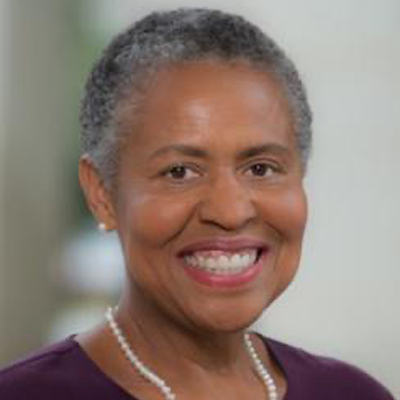
  • Sandro Galea

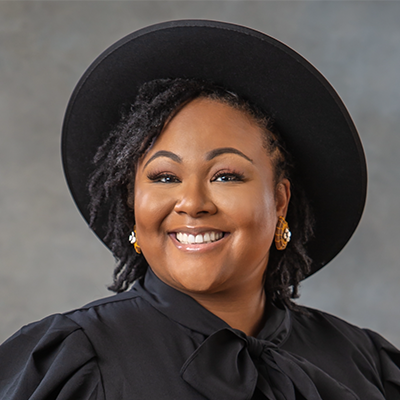
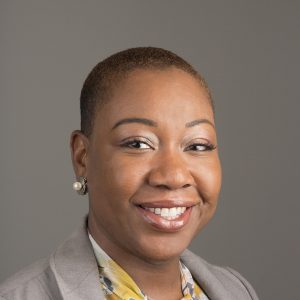
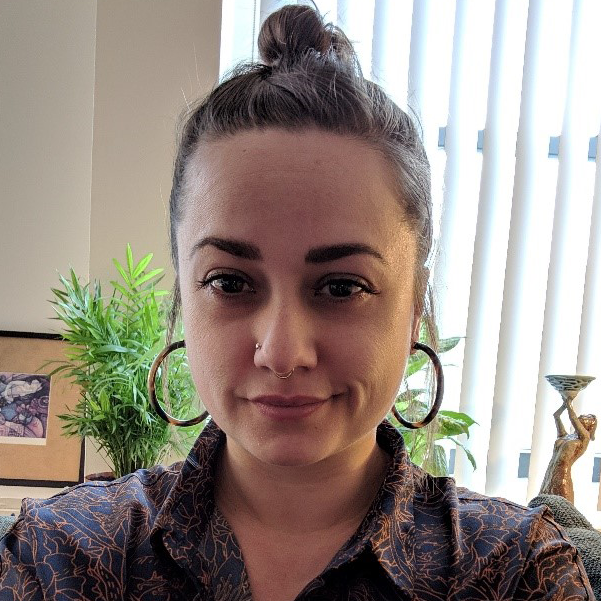
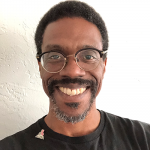
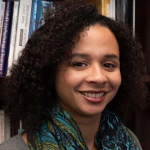
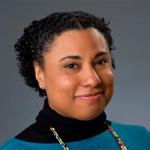
    Jewel Mullen, MD, MPD

    Associate Dean for Health Equity, University of Texas 
  • Jewel Mullen, M.D., MPH, is the associate dean for health equity at the Dell Medical School, as well as an associate professor in the school’s population health and internal medicine departments. She also serves as a senior consultant for Ascension Seton to help meet health equity goals across its system. Mullen is an internist, epidemiologist, public health physician leader and the former principal deputy assistant secretary for health in the U.S. Department of Health and Human Services (HHS). While at HHS, she also served as the acting assistant secretary for health and acting director of the National Vaccine Program Office during the months bridging the transition from the Obama to the Trump administrations. Prior to her time at HHS, Mullen served for five years as commissioner of the Connecticut Department of Public Health. Her career has spanned clinical, research, teaching and administrative roles focused on improving the health of all people, especially those who are underserved. She is recognized nationally and internationally as a leader in building effective community-based chronic disease prevention programs and for her commitment to improving individual and population health by strengthening coordination between community, public health and health care systems. Mullen is the former director of the Bureau of Community Health and Prevention at the Massachusetts Department of Public Health and medical director of Baystate Mason Square Neighborhood Health Center in Springfield, Massachusetts. She has held faculty appointments at the New York University, University of Virginia, Yale University and Tufts University schools of medicine. As Connecticut’s public health commissioner, Mullen created an Office of Health Equity Research, Evaluation and Policy to ensure that reducing disparities was included as a deliberate, measurable outcome of the department’s programmatic and regulatory efforts. She also successfully spearheaded initiatives to reduce racial disparities in low birth weight and infant mortality, advanced legislation to improve end-of-life care and led development of the state’s health assessment and health improvement plan as precursors to the department achieving accreditation by the Public Health Accreditation Board. As commissioner, she also directed her agency’s response to events such as natural disasters, the tragic shooting at Sandy Hook Elementary School and infectious disease outbreaks such as Ebola. Her accomplishments at HHS included participation in the coordination of the federal public health response to Zika, working closely with the Centers for Disease Control and Prevention (CDC), other federal partners and leaders in Puerto Rico. Mullen serves on the editorial board of the CDC’s Morbidity and Mortality Weekly Report, the Robert Wood Johnson Foundation’s Policies for Action National Advisory Committee, the Alzheimer’s Association/CDC Healthy Brain Initiative Leadership Committee and the Medical Education Committee for the Icahn School of Medicine at Mount Sinai. She also is a member of the Committee on a National Strategy for Cancer Control in the United States at the National Academies of Sciences, Engineering and Medicine. A former member of the Advisory Committee to the CDC Director and its subcommittee on health disparities, Mullen chaired the CDC’s Breast and Cervical Cancer Early Detection and Control Federal Advisory Committee. She is a former president of the Association of State and Territorial Health Officials. Board certified in internal medicine, Mullen received her bachelor’s degree and Master of Public Health from Yale University where she also completed a post-doctoral fellowship in psychosocial epidemiology. She graduated from the Mount Sinai School of Medicine, where she was elected to Alpha Omega Alpha national medical honor society, and completed her residency at the Hospital of the University of Pennsylvania. She also holds a Master of Public Administration from Harvard University’s John F. Kennedy School of Government.

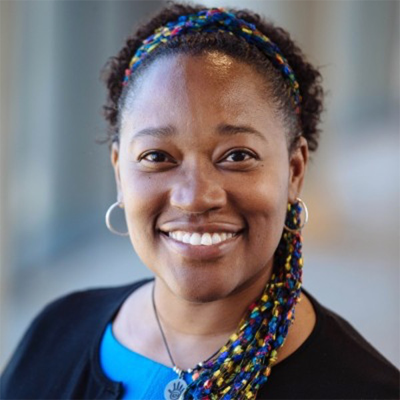
  • Sandro Galea

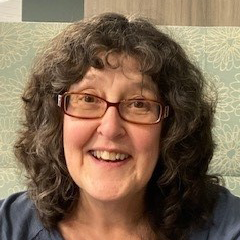
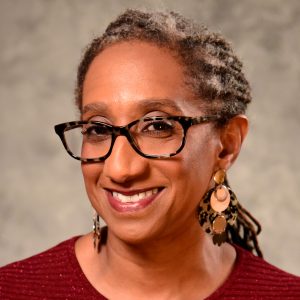
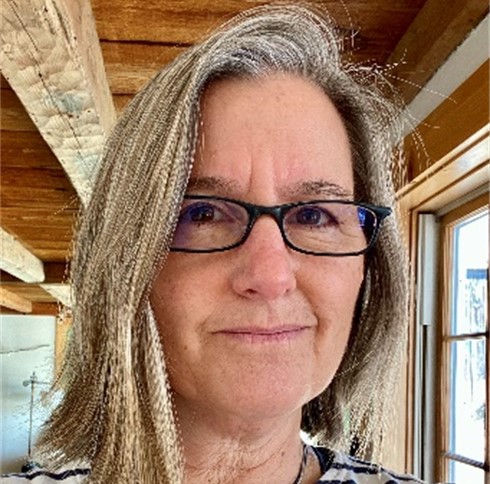
    Lailea Noel, PhD

    Assistant Professor, University of Texas

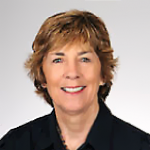
  • Lailea Noel is an assistant professor at the Steve Hicks School of Social Work. Noel’s research investigates the social and economic conditions that contribute to lower cancer treatment utilization and higher mortality rates in marginalized communities, particularly communities of color, and communities within residentially segregated urban and rural neighborhoods. She has a passion for conducting community-based participatory research and has a wealth of experience engaging communities, social scientists and medical professionals in such research partnerships. Her research interest and approach are informed by the two decades she spent as an oncology social work administrator at prestigious organizations — including the American Cancer Society and University of Michigan Comprehensive Cancer Center — prior to pursuing her Ph.D. During her doctoral studies at Washington University in St. Louis, Noel participated in a five-year, community-based participatory research project in an area with high rates of poverty and the worst cancer mortality rates in metropolitan St. Louis. Her dissertation work, supported by an American Cancer Society Doctoral Training Grant in Oncology Social Work, explored the experiences of African American women in St. Louis, who had not started treatment for breast cancer six-months to two years following diagnosis. Since she joined the NYU Silver faculty in 2016, and was the 2018-19 Donald D. Harrington Faculty Fellow at The University of Texas at Austin.

Enrollment and Contact Hours

Select the Enroll button below to register for the course. If you have any trouble accessing the course, contact support@nephtc.org.

Acknowledgement:

This project is/was supported by the Health Resources and Services Administration (HRSA) of the U.S. Department of Health and Human Services (HHS) under grant number UB6HP31685 “Regional Public Health Training Center Program.” This information or content and conclusions are those of the author and should not be construed as the official position or policy of, nor should any endorsements be inferred by HRSA, HHS or the U.S. Government.


Category: Leadership

Engaging the Community and Partners to Build Capacity to Prevent Problem Gambling 

How can your community's strengths help prevent problem gambling?


Course Information

  • Audience: •    Public health professionals
    •    Community health workers
    •    Social workers
    •    Behavioral health professionals
    •    Prevention specialists
    •    Educators and school counselors
    •    Healthcare providers (e.g., nurses, primary care physicians)
    •    Nonprofit and community organization staff
    •    Policy makers
    •    Substance use prevention professionals
    •    Advocates for health equity and community well-being
  • Format: Self-Paced
  • Price: Free
  • Length: 2 Hours
  • Credential(s) eligible for contact hours: Sponsored by New England Public Health Training Center (NEPHTC), a designated provider of continuing education contact hours (CECH) in health education by the National Commission for Health Education Credentialing, Inc. This program is designated for Certified Health Education Specialists (CHES) and/or Master Certified Health Education Specialists (MCHES) to receive up to 1 total Category I continuing education contact hour.  Maximum advanced-level continuing education contact hour is 1.  Provider ID: 1131137 Event ID: 08122020. If you are not seeking a CHES/MCHES contact hours, if you complete the post-test and evaluation, you will receive a Certificate of Completion. The Certificate will include the length of the course.
  • Competencies: Analytical / Assessment Skills,
    Cultural Competency Skills,
    Community Dimension of Practice Skills,
    Public Health Sciences Skills
  • Learning Level: Awareness
  • Companion Trainings: Foundational knowledge or skills such as:
    •    An understanding of problem gambling as a public health issue.
    •    Familiarity with concepts of equity and social determinants of health.
    •    Experience or interest in community engagement or public health initiatives.

  • Supplemental materials: Presentation Slides
  • Pre-requisites: None


About this Course

This training explores the importance of protecting and improving the health of people and their communities, problem gambling concepts and terminology, variables associated with an increased or decreased risk of problem gambling, groups at risk for developing problem gambling, and connections with related health issues.


What you'll learn

At the end of the course, you will be able to:

Better understand how to apply a public health approach to problem gambling

Describe levels of gambling and their associated risk

Identify problem gambling risk and protective factors 

Identify groups at disproportionate risk for developing problem gambling

Better understand the intersections between problem gambling and other behavioral health issues


Subject Matter Expert

  • Katy Milkman
    Haner Hernandez, PhD
    Training and Technical Assistance Associate
  • Dr. Hernández has worked for 31 years in the health and human service field developing, implementing, and evaluating culturally and linguistically competent youth and adult health prevention, intervention, treatment, and recovery support programs. He also has many years of experience in delivering addiction counseling and clinical supervision to professionals in the field. As a professional trainer and facilitator, he provides individualized technical assistance and support to organizations that provide addiction prevention, intervention, treatment, and recovery supports. Dr. Hernández is in long-term recovery from addiction himself and is committed to eliminating health disparities by working at the national, state, and local levels. Originally from Puerto Rico, Dr. Hernández is fluent in English and Spanish.

  • Katy Milkman
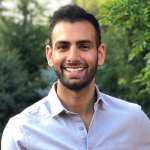
    Emily Bhargava, MA
    Training and Technical Assistance Associate

  • Emily has been providing technical assistance to support community-level prevention since 2005. Trained in medical anthropology, she brings a strong focus on cultural appropriateness and health equity as well as an interest in qualitative data to all of her work. She is also skilled in using collaborative art as a tool for health promotion. Emily served as a member of the statewide epidemiological work group that identified the emerging opioid epidemic in 2006, and has partnered with the Massachusetts Department of Public Health on multiple initiatives, including a toolkit for the application of culturally and linguistic appropriateness services standards to public health initiatives, a statewide plan to mitigate the harms of expanded gambling in Massachusetts, and a comprehensive workforce development plan for substance abuse prevention practitioners. She is a certified prevention specialist.


Enrollment and Contact Hours

Select the Enroll Me button below to register for this course. If you have any trouble accessing the recording, contact  support@nephtc.org.


Acknowledgement:
This project is supported by the Health Resources and Services Administration (HRSA) of the U.S. Department of Health and Human Services (HHS) as part of award 2 UB6HP31685‐05‐00 “Public Health Training Centers.” The contents are those of the author(s) and do not necessarily represent the official views of, nor an endorsement, by HRSA, HHS or the U.S. Government.

Understanding the Structural and Social Determinants of Health to Prevent Problem Gambling

How can addressing social determinants of health enhance your impact on preventing problem gambling?


Course Information

  • Audience: public health professionals, community health workers, social workers, counselors, prevention specialists, educators, nonprofit leaders, policy makers, program managers, healthcare providers, and anyone involved in problem gambling prevention or community health initiatives.
  • Format: Self-Paced
  • Price: Free
  • Length: 3 Hours
  • Credential(s) eligible for contact hours: Sponsored by New England Public Health Training Center (NEPHTC), a designated provider of continuing education contact hours (CECH) in health education by the National Commission for Health Education Credentialing, Inc. This program is designated for Certified Health Education Specialists (CHES) and/or Master Certified Health Education Specialists (MCHES) to receive up to 1 total Category I continuing education contact hour.  Maximum advanced-level continuing education contact hour is 1.  Provider ID: 1131137 Event ID: 08122020. If you are not seeking a CHES/MCHES contact hours, if you complete the post-test and evaluation, you will receive a Certificate of Completion. The Certificate will include the length of the course.
  • Competencies: Analytical / Assessment Skills,
    Policy Development / Program Planning Skills,
    Cultural Competency Skills,
    Community Dimension of Practice Skills
  • Learning Level: Awareness
  • Companion Trainings: None
  • Supplemental materials: None
  • Pre-requisites: None


About this Course

This training consists of a two-part presentation given in partnership with the Massachusetts Center of Excellence on Problem Gambling Prevention, you can find more information about trainings like this on their website,  www.mcoepgp.org

  • Part 1: What's Equity Got To Do with It? explores how to center health equity in problem gambling prevention by enhancing cultural proficiency and addressing structural and institutional factors that impact community health. Participants will examine the historical and policy influences shaping communities and identify practical strategies to apply health equity principles to improve the well-being of individuals and communities.

  • Part 2: Partnering for Change explores how the social determinants of health (SDOH) impact problem gambling and addresses ways to promote health equity. Participants learn strategies for using data to inform action plans and building authentic community partnerships to address key issues within their communities. It provides actionable insights for integrating SDOH into prevention efforts.

What you'll learn

After completing Part 1: What's Equity Got To Do With It? the training, you will be able to...

  • Define and describe common concepts and words associated with disparities, health equity, and cultural-linguistic responsiveness 
  • Describe how structural and institutional factors impact community health 
  • Identify how discrimination and oppression of all kinds are a threat to the health of communities 
  • Identify ways to apply health equity and cultural responsiveness to our work to improve the individuals we serve and the overall community’s health 

After completing Part 2: Partnering for Change the training, you will be able to...

  • Identify key issues to analyze and address when planning to eliminate health disparities caused by the social determinants of health.
  • Describe the social determinants of health and explore how they can be addressed through problem gambling prevention efforts.
  • Identify methods for collecting and analyzing data on health disparities to inform and prioritize key issues within the community, contributing to a health equity action plan.
  • Identify strategies for building authentic partnerships within the community to facilitate a process of community change.


Subject Matter Expert

  • Katy MilkmanDebra Morris, MPH,
    Health Equity Advisor and Trainer
  • Debra Gardner Morris, an expert in advanced training and technical assistance, helps build strong systems to promote health and support substance misuse prevention. She brings extensive experience in evidence-based prevention strategies, cultural competency, effective methods to address health disparities, school-based prevention, management of large national public health centers, and systems change. Morris is a lead training and technical assistance specialist for Prevention Solutions@EDC. Nationwide, she provides coaching to engage and mobilize communities to implement environmental prevention strategies. Drawing on a deep understanding of the needs and challenges of the public health workforce, she builds capacity to launch, monitor, improve, and sustain public health initiatives. Morris specializes in guiding agencies in coordinating their services to enhance efficiency and improve outcomes. She has managed and provided training and technical assistance at all levels of government and nonprofit organizations, and uses a wide range of on-site, virtual, and blended methods. Morris holds an MPH from Emory University focused on Behavioral Sciences and Health Education. She is a Master Certified Health Education Specialist (MCHES).

  • Katy MilkmanBen Spooner, BS, CPS
    Associate Project Director
  • Mr. Spooner is an experienced project manager and training and technical assistance (TA) provider, and has a passion for advancing cultural and linguistic responsiveness and helping communities do the same. He brings expertise in communications planning, sustainability planning, strategic planning, event organizing, and developing and facilitating virtual events. He specializes in providing training and developing tools that build the capacity of prevention professionals in key areas such as SAMHSA’s Strategic Prevention Framework. Mr. Spooner holds a BS in Marketing from the University of Connecticut and a PMD Pro Certification from APMG International. He is a Certified Prevention Specialist in Massachusetts.

  • Katy Milkman
    Carol Musallam,
    Training Coordinator

  • Carol holds a master’s degree in Global Studies and International Relations from Northeastern University, and she is passionate about social impact, health equity and international development. As a global development professional, she brings expertise in digital and communications strategy, project management, policy analysis and advocacy. She is fluent in English and Arabic with hands on experience in projects based in Jordan, Lebanon, Syria, and Mexico.

  • Katy Milkman
    Ivy Jones Turner,
    Training and Technical Assistance Manager

  • Ivy Jones Turner has provided training and technical assistance (T/TA) on the promotion and prevention of behavioral health issues with nonprofit, state, and community-based organizations, faith-based agencies, and school districts for more than 15 years. Her capacity-building skills include formative and summative program evaluation, program design and implementation, organizational development, and partnerships/collaborations. As the Training and Technical Assistance Manager of EDC’s Massachusetts Center of Excellence on Problem Gambling Prevention, Ms. Jones Turner oversees the Training and Technical Assistance Team in providing a range of capacity-building services to support local communities in understanding, addressing, and implementing projects focused on problem gambling prevention. In addition to working with MCOE PGP, Ms. Jones Turner provided TA to substance misuse prevention providers as part of SAMHSA’s Prevention Technology Transfer Center system and has assisted both urban and rural school districts with implementing and sustaining school and community interventions to prevent youth violence and promote social-emotional and mental health. Previously, Ms. Jones Turner served as a T/TA Specialist and Co-Director of the Center for Strategic Prevention Support (CSPS), providing TA and resources to Massachusetts communities seeking to prevent and reduce the misuse of alcohol and other drugs, assisted both urban and rural school districts with implementing and sustaining school and community interventions to prevent youth violence and promote social-emotional and mental health through the Safe Schools/Healthy Students initiative, and served as project director for The Center for the Advancement of Mentoring, a national T/TA center for youth mentoring programs serving youth who were in foster care, at risk of gang-involvement, were former juvenile offenders, or would have otherwise benefited from a mentor. She is a certified prevention specialist.


Enrollment and Contact Hours

Select the Enroll Me button below to register for this course. If you have any trouble accessing the recording, contact  support@nephtc.org.


Acknowledgement:
This project is supported by the Health Resources and Services Administration (HRSA) of the U.S. Department of Health and Human Services (HHS) as part of award 2 UB6HP31685‐05‐00 “Public Health Training Centers.” The contents are those of the author(s) and do not necessarily represent the official views of, nor an endorsement, by HRSA, HHS or the U.S. Government.

Engaging Indigenous Communities in Health Activities


How can we ensure that the needs of indigenous communities are not overlooked in public health efforts?

NEPTHC New England Public Health Training Center Logo CTPHA Connecticut Public Health Assocation Logo Health Education Center Logo 

NCHEC CHES Logo

Register

Course Information

  • Audience: Public health workforce
  • Format: Recorded Webinar
  • Date/Time: Recorded on November 10 2020
  • Price: Free
  • Length: 30 min
  • Credential(s) eligible for contact hours: Sponsored by New England Public Health Training Center (NEPHTC), a designated provider of continuing education contact hours (CECH) in health education by the National Commission for Health Education Credentialing, Inc. This program is designated for Certified Health Education Specialists (CHES) and/or Master Certified Health Education Specialists (MCHES) to receive up to 1 total Category I continuing education contact hours. Maximum advanced-level continuing education contact hours are 1. Provider ID: 1131137 Event ID: 01082021. 
    If you are not seeking a CHES/MCHES contact hours, if you complete the post-test and evaluation, you will receive a Certificate of Completion. The Certificate will include the length of the course.
  • Competencies: Health Equity Skills
  • Learning Level: Awareness
  • Companion Trainings:
  • Supplemental materials:None
  • Pre-requisites: None


About this Recording

Indigenous communities, people who identify as American Indian and Alaska Native, have long faced systemic oppression in this country which is reflected in poor health outcomes. For example, indigenous communities have a life expectancy that is 5.5 years shorter than the national average. Learn about how Connecticut has treated indigenous communities in the past, how these injustices impact policy today and how you can engage this population in health planning. While the focus is on Connecticut, this presentation has information useful for practice in any state.


What you'll learn

At the end of the recording, participants will be able to:

  • Name the indigenous communities in Connecticut
  • Describe how indigenous communities have been overlooked in health equity outcomes
  • Recall examples of state policies that resulted in unjust treatment of native peoples
  • Discuss strategies for outreach and inclusion for this population

Subject Matter Expert

  • Michele Scott
    Michele Scott Dixon (Mashantucket Pequot)
  • Michele Scott is the Executive Director of The Health Education Center located in Norwich, CT where she works diligently to ensure that the healthcare workforce pipeline reflects the communities it serves. She brings with her a background in community health, strategic planning, program evaluation and a commitment to equity within health systems. Michele serves as Chair of the Health Care Advisory Board of the Mashantucket Pequot Tribal Nation and is a member of The Arc Eastern Connecticut Board of Directors. Michele received her B.A in Psychology and American Studies from Columbia University and her M.S. in Organizational Leadership from Quinnipiac University. She resides on the Mashantucket Pequot Reservation with her family.

    Michele is available at scott@healtheducenter.org to answer any webinar follow up questions.


    Registration

    Select the Enroll Me button below to register for this recording. If you have any trouble accessing the recording, contact support@nephtc.org.

    Acknowledgement: This project is/was supported by the Health Resources and Services Administration (HRSA) of the U.S. Department of Health and Human Services (HHS) under grant number UB6HP31685 “Regional Public Health Training Center Program.” This information or content and conclusions are those of the author and should not be construed as the official position or policy of, nor should any endorsements be inferred by HRSA, HHS or the U.S. Government.
Category: Access

Course Information

  • Audience: Community health workers, public health professionals, social service providers, policymakers
  • Format: Webinar
  • Date/Time: Tuesday, May 24th 2022
    11:00 AM – 12:00 PM EST
  • Price: Free
  • Length: 1 hour
  • Credential(s) eligible for contact hours: Sponsored by New England Public Health Training Center (NEPHTC), a designated provider of continuing education contact hours (CECH) in health education by the National Commission for Health Education Credentialing, Inc. This program is designated for Certified Health Education Specialists (CHES) and/or Master Certified Health Education Specialists (MCHES) to receive up to 1 total Category I continuing education contact hours. Maximum advanced-level continuing education contact hours are 1. Provider ID: 1131137 Event ID: PM1131137_05242022.
    If you are not seeking a CHES/MCHES contact hours, if you complete the post-test and evaluation, you will receive a Certificate of Completion. The Certificate will include the length of the course.
  • Competencies: Policy Development and Program Planning Skills
  • Learning Level: Awareness
  • Companion Trainings: None
  • Supplemental materials:None
  • Pre-requisites: None

About this Webinar

This webinar will describe the intersection between homelessness and housing and public health and health outcomes. It will discuss how housing is a social determinant of health and identify local solutions to ending homelessness.


What you'll learn

At the end of the course, participants will be able to:

  • Describe what homelessness looks like in Maine
  • Describe how homelessness intersects with health promotion and disease prevention
  • Identify 1-2 services and solutions to homelessness
  • Identify 1-2 ways Maine is approaching the design and delivery of homelessness services


Subject Matter Experts

  • Lauren Bustard

    Lauren Bustard

  • Lauren Bustard is the Senior Director of Homeless Initiatives at MaineHousing. Prior to joining MaineHousing in 2012, she worked for many years in social service and education programs in Maine, and in refugee and international development programs in Latin America and Southeast Asia.

  • Courtney Pladsen

    Courtney Pladsen
    DNP, FNP-BC

  • Courtney Pladsen is the Clinical Director at the National Health Care for the Homeless Council where she leads national efforts to improve health care quality and access for people experiencing homelessness through quality improvement initiatives, technical assistance, research, policy/advocacy, and training. She is a current fellow in the Robert Wood Johnson Foundation Culture of Health Leader program for her work at the intersection of health and housing. She works clinically providing medical, mental health, and substance use treatment to people who are experiencing homelessness at the FQHC Greater Portland Health in Portland, Maine.

  • Cullen Ryan

    Cullen Ryan

  • Cullen Ryan has a 35-year career serving homeless and special needs populations. A formerly licensed clinician (LICSW) with a BA from the University of Vermont and a MA in Counseling and Psychological Services from St. Mary’s University (Minnesota), Cullen has provided street outreach, case management, family therapy, and individual/group psychotherapy to homeless adults, families, and adolescents in a variety of clinical and non-clinical settings in three states. Since 2004, Cullen Ryan has served as Executive Director of Community Housing of Maine, the largest housing provider for homeless populations in the state. Cullen currently co-chairs or chairs several Boards and Coalitions, and he serves as President of the Board of Directors for the Maine CoC. Cullen was a past Chair of the Maine Affordable Housing Coalition, and recent Acting Chair of Maine’s Statewide Homeless Council, and actively serves on both. For more on Community Housing of Maine, go to www.chomhousing.org

  • Erin Healy

    Erin Healy

  • Erin Healy is a Strategy Lead for Large Scale Change at Built for Zero. Her work focuses on implementing the Built for Zero model on a statewide level. She has worked on issues related to the homeless sector for over fifteen years. Erin specializes in systems improvement, movement building, and helping collaborative teams set and achieve clear, measurable goals. After several years as an independent consultant, Erin re-joined the Community Solutions team in 2021. She was a member of CS’s 100,000 Home Campaign team (2012 – 2014) and helped launch Built for Zero in 2016. Erin holds a JD from the University of Washington School of Law and an MFA in Writing from Sarah Lawrence College.

  • Donna Kelley

    Donna Kelley
    MSW, LCSW

  • Donna Kelley is the President and CEO of Waldo Community Action Partners. She is Licensed Clinical Social Worker in the state of Maine and joined WCAP in 2018. Prior to that she worked for Kennebec Behavioral Health for 19 years. Donna has been immersed in the community mental health and social services field for 32 years. She has worked to plan, develop, implement, and restructure mental health and community service programs and systems by working with local, regional, and statewide community-based organizations, groups, and governmental agencies to improved access and quality of services for consumers allowing for improved quality of life and greater self-sufficiency. Donna earned her undergraduate degree in Biology from the University of Maine, and her Master’s in Social Work from the University of New England in Biddeford.

  • Rich Hooks Wayman

    Rich Hooks Wayman

  • Rich Hooks Wayman serves as the President and CEO for Volunteers of America Northern New England (www.voanne.org), a nonprofit organization offering affordable housing, residential care and community based social services to communities in Maine and New Hampshire. Prior to his tenure at Volunteers of America, Richard served as the National Executive Director for the Children’s Defense Fund. Additionally, Richard was the CEO of a regional child welfare agency in Massachusetts, was the Executive Director of a statewide supportive housing program serving long term homeless persons in Minnesota, and conducted federal legislative advocacy and policy analysis for the National Alliance to End Homelessness. Richard attended the University of Iowa College of Law, graduating with a Juris Doctor in 1992, and the University of Iowa College of Law, graduating with a Juris Doctor in 1992. He is a member of the American Bar Association to has been appointed to the Commission on Homelessness and Poverty. Richard and his husband (Aaron) have six adoptive children.

Registration

Select the Enroll Me button below to register for this recording. If you have any trouble accessing the recording, contact support@nephtc.org.

Acknowledgement: This project is/was supported by the Health Resources and Services Administration (HRSA) of the U.S. Department of Health and Human Services (HHS) under grant number UB6HP31685 “Regional Public Health Training Center Program.” This information or content and conclusions are those of the author and should not be construed as the official position or policy of, nor should any endorsements be inferred by HRSA, HHS or the U.S. Government.

Category: Access

Public Health, Medicine and Poverty

How has housing policy contributed to the disproportionate and extreme housing cost burdens of people and families of color?

 BUSPH Boston University School of Public Health LogoNCHEC CHES Logo    


Register

Course Information

  • Audience: Public Health Professionals
  • Format: Recorded Webinar
  • Date/Time: Thursday, December 10th 2020 4:30 PM – 6 PM EST.
  • Price: Free
  • Length: 1.5 hours
  • Credential(s) eligible for contact hours: Sponsored by New England Public Health Training Center (NEPHTC), a designated provider of continuing education contact hours (CECH) in health education by the National Commission for Health Education Credentialing, Inc. This program is designated for Certified Health Education Specialists (CHES) and/or Master Certified Health Education Specialists (MCHES) to receive up to 1 total Category I continuing education contact hours. Maximum advanced-level continuing education contact hours are 1. Provider ID: 1131137 Event ID: SS1131137_PHMP. 
    If you are not seeking a CHES/MCHES contact hours, if you complete the post-test and evaluation, you will receive a Certificate of Completion. The Certificate will include the length of the course.
  • Competencies: Health Equity Skills
  • Learning Level: Awareness
  • Companion Trainings: None
  • Supplemental materials:Noe
  • Pre-requisites: None

About this Recording

Poverty poses a serious threat to the health of the public, as those living in poverty are less likely to be able to access the conditions that promote health. Panelists will discuss the intersections of health, medicine, and poverty, and how addressing the social factors that create health can lead to greater health for all.


What you'll learn

At the end of the recording, participants will be able to:

  • Describe the role of housing instability in health of individuals and of populations
  • List at least 3 risk factors for poor health outcomes that are associated with poverty
  • Describe the interrelationship among Medicaid, race, and poverty
  • Discuss the role of power as a social determinant of health and how it can be used to create change


Moderator

  • Natalia Linos

    Natalia Linos

    Executive Director, FXB Center at Harvard University


Subject Matter Experts

  • Soni Gupta

    Soni Gupta

    Director of Neighborhoods and Housing

  • Jamila Michener

    Jamila Michener

    Associate Professor, Cornell
    University

  • Phillomin Laptiste

    Phillomin Laptiste

    Executive Director, Beth Israel Deaconess Medical Center

  • Hermina Palacio

    Herminia Palacio

    President and CEO, Guttmacher
    Institute

  • Michael Stein

    Michael Stein

    Professor, Boston University School of Public Health

Registration

Select the Enroll Me button below to register for this recording. If you have any trouble accessing the recording, contact support@nephtc.org.

Acknowledgement: This project is/was supported by the Health Resources and Services Administration (HRSA) of the U.S. Department of Health and Human Services (HHS) under grant number UB6HP31685 “Regional Public Health Training Center Program.” This information or content and conclusions are those of the author and should not be construed as the official position or policy of, nor should any endorsements be inferred by HRSA, HHS or the U.S. Government.

Category: Access

Course Information

  • Audience: Community health worker, public health professional professionals serving communities of concern
  • Format: Online Webinar
  • Date/Time: June 23, 2020
    11:00 - 12:00 PM EST
  • Price: Free
  • Length: 1 hour
  • Credential(s) eligible for contact hours:  If you complete the post-test and evaluation, you will receive a Certificate of Completion. The Certificate will include the length of the course. Generally 50 – 60 minutes is equivalent to 1 contact hour and the contact hour(s) for this course may be applicable towards continuing education requirements for certain credentials. You may want to check with your credentialing body if you’re unsure if this course meets its continuing education requirements.
  • Competencies: Health Equity Skills
  • Learning Level: Awareness
  • Companion Trainings:
  • Supplemental materials:Session PowerPoint
  • Pre-requisites None

About this Webinar

Participants will explore the impact of the COVID-19 pandemic and this new moment in the civil rights movement for Black lives through a lens of trauma-informed care. The workshop will cover self- and community care, self-reflection for allyship and liberation, and resiliency-building through a lens of racial and gender justice.


What you'll learn

At the end of the course, participants will be able to:

  • Identify tools for self- and community care to help sustain health workers in a critical time
  • Name Principles of Trauma-Informed Care and some ways they can be applied to daily work with colleagues and clients/ patients
  • Think about how to hold trauma-informed, healing-centered space to talk about some of the major changes happening in our society right now.
  • Deepen a self-reflection practice for resiliency-building and improved collaboration.

Subject Matter Expert

  • Samantha Calero
    Samantha Calero
  • Samantha Isabel Calero (Sam, she/her) is a biracial Latinx public health consultant. Her work includes training and facilitation, technical assistance, policy analysis and development and organizational capacity building to address trauma, resiliency, racial and gender justice. She approaches her work with an intersectional, margins-to-center lens of relationship building and critical analysis for change. Sam is a member of Mijente and currently is completing her master's degree in health policy at the Harvard T.H. Chan School of Public Health. She lives in Roxbury with her daughter.


    Registration

    Select the Enroll Me button below to register for this webinar. If you have any trouble accessing the webinar, contact support@nephtc.org.

    Acknowledgement: This project is/was supported by the Health Resources and Services Administration (HRSA) of the U.S. Department of Health and Human Services (HHS) under grant number UB6HP31685 “Regional Public Health Training Center Program.” This information or content and conclusions are those of the author and should not be construed as the official position or policy of, nor should any endorsements be inferred by HRSA, HHS or the U.S. Government.

Housing Retrofits: Public Health Model

Why are housing retrofits at the intersection of housing? And how does climate change influence those relationships?

MPHA Maine Public Health Association Logo 

Register

Course Information

  • Audience: All public health professionals working in nonprofits, housing, healthcare, educational institutions, government and private sector
  • Format: Webinar
  • Date/Time: Thursday, Feburary 1st, 2024 12:00 PM – 1:00 PM ET.
  • Price: Free
  • Length: 1 hour
  • Credential(s) eligible for contact hours: Sponsored by New England Public Health Training Center (NEPHTC), a designated provider of continuing education contact hours (CECH) in health education by the National Commission for Health Education Credentialing, Inc. This program is designated for Certified Health Education Specialists (CHES) and/or Master Certified Health Education Specialists (MCHES) to receive up to 1 total Category I continuing education contact hours. Maximum advanced-level continuing education contact hours are 1. Provider ID: 1131137 Event ID: PM1131137_02012024.
    If you are not seeking a CHES/MCHES contact hours, if you complete the post-test and evaluation, you will receive a Certificate of Completion. The Certificate will include the length of the course.
  • Competencies: Health Equity Skills
  • Learning Level: Awareness
  • Companion Trainings: None
  • Supplemental materials:None
  • Pre-requisites: None

About this Webinar

Maine's aged building stock creates wide spread health challenges including asthma, exposures to toxins in building materials, stress in physical discomfort and vulnerability in extreme weather and anxiety of about heating and cooling costs. The barriers to retrofitting are multi-fold, the rewards of retrofitting combine the health benefits with carbon and reduction as part of our path to our carbon goals. Equitable approaches to improving the built environment are critical. passivhausMAINE is exploring bundling funding sources for systemic approaches to whole building renovation. We are preparing the case for cross/multi department communication and systems to ease the funding barriers and structure scalable retrofits across the state through pilot projects in Freeport and Lewiston, Maine. 


What you'll learn

After attending this webinar, participants will be able to:

  • Demonstrate the potential for wide scale retrofits through multi-agency funding approaches.
  • Analyse the comprehensive benefits of building retrofits to physical and mental health and the corollary benefits of carbon and energy reduction. 
  • Explore the overlapping issues of housing, gender, racial, education and economic justice. 


Subject Matter Experts

  • Naomi Beal

    Naomi Beal

  • Naomi Beal is the Executive Director and founding member of passivhausMAINE [phME] and a founding board member of the Passive House Network. Naomi embraces the challenge of developing phME into a sustainable and impactful organisation through local, national, and international partnerships. Naomi believes Maine’s economic development can be fostered through a framework of building efficiency and innovative and traditional wood products and prioritizes equitable retrofits as both climate mitigation and adaptation. Naomi lives in South Freeport, ME.


Registration

Select the Enroll Me button below to register for this recording. If you have any trouble accessing the recording, contact support@nephtc.org.


Acknowledgement:
This project is supported by the Health Resources and Services Administration (HRSA) of the U.S. Department of Health and Human Services (HHS) as part of award 2 UB6HP31685‐05‐00 “Public Health Training Centers.” The contents are those of the author(s) and do not necessarily represent the official views of, nor an endorsement, by HRSA, HHS or the U.S. Government.

Course Information

  • Audience: Public health professionals, medical professionals, researchers
  • Format: Webinar
  • Date/Time: Wednesday, June 29th 2022
    9:00 AM – 12:30 PM EST
  • Price: Free
  • Length: 2 part series, 3.5 hours each
  • Credential(s) eligible for contact hours: Sponsored by New England Public Health Training Center (NEPHTC), a designated provider of continuing education contact hours (CECH) in health education by the National Commission for Health Education Credentialing, Inc. This program is designated for Certified Health Education Specialists (CHES) and/or Master Certified Health Education Specialists (MCHES) to receive up to 3.5 total Category I continuing education contact hours. Maximum advanced-level continuing education contact hours are 0. Provider ID: 1131137 Event ID:  PM1131137_06292022.
    If you are not seeking a CHES/MCHES contact hours, if you complete the post-test and evaluation, you will receive a Certificate of Completion. The Certificate will include the length of the course.
  • Competencies: Health Equity Skills
  • Learning Level: Awareness
  • Companion Trainings: Race as a Social Construct in Data and Practice
  • Supplemental materials:None
  • Pre-requisites: None

About this Webinar

Participants will learn about the history of slavery and racism in Maine, including the role of eugenics and the term Vacationland. Presenters will talk about our shared ancestry and how the slavery has impacted the way the world functions today. Participants will also learn specific examples of racism and how it plays out in communities.


What you'll learn

At the end of the course, participants will be able to:

  • Describe how Maine’s history with slavery has impacted genocide, immigration, disinformation and racism in American culture.
  • Describe the hidden history of black communities in Maine.


Subject Matter Experts

  • Myron Beasley

    Myron M. Beasley, PhD

  • Myron M. Beasley, Ph.D. is Associate Professor and Chair of American Studies at Bates College. His ethnographic research explores the intersection of cultural politics, material culture and social change. His book, Disturbers of the peace: Performance, Art, and politics of the African Diaspora is currently in press by Routledge. Having conducted fieldwork in Morocco, Haiti, and Brazil he writes about art and food and the constructions of identity and culture. He is also an international curator and he is a trustee of the Maine Historic Society. He has been recognized with distinguished awards and fellowships by the Andy Warhol Foundation, the Whiting Foundation, National Endowment for the Humanities, the Kindling Fund, The Davis Family Foundation, the Reed Foundation, and Dorathea and Leo Rabkin Foundation. His writing appears in Liminalities: The Journal of Performance Studies, The Journal of Poverty, Text and Performance Quarterly, Museum & Social Issues, The Journal of Curatorial Studies and Performance Research, and Gastronomica.

  • Bob Greene

    Bob Greene

  • Bob Greene is a native of Portland and the eighth generation of his family to be born in Cumberland County. His roots in Maine stretch back into the 1700s. After graduating from Portland High, Bob went off to college and a career as a journalist, covering among other things airplane crashes, Mississippi River floods and the funeral of Dr. Martin Luther King Jr. He has met three presidents: Harry Truman, Lyndon Baines Johnson and Robert Mugabe of Zimbabwe. And, as The Associated Press Tennis Writer, Bob traveled the world covering the sport. After retiring he returned home to Maine where his genealogical research has led to his deep knowledge about Maine’s Black history. He currently teaches a Black History of Maine course at OLLI (Osher Lifelong Learning Institute} at the University of Southern Maine. Bob also is the 2021 recipient of the Maine Historical Society’s Neal Allen Award, which is presented each year for exceptional contributions to Maine History.

  • Pedro Vasquez

    Pedro Vazquez

  • Pedro A. Vázquez (he/him/his) is a community leader and organizer holding multiple roles dedicated to abolitionism, anti-racism, and uplifting of the community. His work highlights the need for just, equitable, diverse, and inclusive initiatives in all structures of society and demands accountability to aim beyond the cosmetic. A father of 6, he specifically engages with young people in recognition of their brilliance and natural ability to lead.


Registration

Select the Enroll Me button below to register for this recording. If you have any trouble accessing the recording, contact support@nephtc.org.

Acknowledgement: This project is/was supported by the Health Resources and Services Administration (HRSA) of the U.S. Department of Health and Human Services (HHS) under grant number UB6HP31685 “Regional Public Health Training Center Program.” This information or content and conclusions are those of the author and should not be construed as the official position or policy of, nor should any endorsements be inferred by HRSA, HHS or the U.S. Government.

Abolition, Incarceration, and the Public’s Health

Recently, the issue of prison reform has been gaining national attention, forcing policymakers to rethink the issue. As momentum grows to call for change, how does public health play a role in ending mass incarceration and reforming a criminal justice system?

BUSPH Boston University School of Public Health Logo   NCHEC CHES Logo      

Register

Course Information

  • Audience: Public Health Professionals
  • Format: Recorded Webinar
  • Date/Time: Wednesday, September 28, 2022, 1:00 PM – 2:30 PM ET
  • Price: Free
  • Length: 1.5 hours
  • Credential(s) eligible for contact hours: Sponsored by New England Public Health Training Center (NEPHTC), a designated provider of continuing education contact hours (CECH) in health education by the National Commission for Health Education Credentialing, Inc. This program is designated for Certified Health Education Specialists (CHES) and/or Master Certified Health Education Specialists (MCHES) to receive up to 1.5 total Category I continuing education contact hours. Maximum advanced-level continuing education contact hours are 0. Provider ID: 1131137 Event ID:  SS1131137_09282022
    If you are not seeking a CHES/MCHES contact hours, if you complete the post-test and evaluation, you will receive a Certificate of Completion. The Certificate will include the length of the course.
  • Competencies: Policy Development and Program Planning Skills
  • Learning Level: Awareness
  • Companion Trainings: None
  • Supplemental materials:None
  • Pre-requisites: None

About this Recording

The United States is the most incarcerated nation in the world. Decades of harmful policies have led to overcrowded prisons and a broken criminal justice system, leading to prison populations that are disproportionately poor and people of color. Recently, the issue of prison reform has been gaining national attention, forcing policymakers to rethink the issue. As momentum grows to call for change, how does public health play a role in ending mass incarceration and reforming a criminal justice system?


What you'll learn

At the end of the recording, participants will be able to:

  • Explain how housing can be a point of intervention to reduce the risk of incarceration
  • Describe the abolitionist approach to end cycles of incarceration
  • Compare community violence intervention and alternative community first responder programs to the criminal justice system approach currently in place in the United States
  • Give examples of courses that can train public health students to understand and develop strategies to address mass criminalization and mass incarceration 
  • Discuss how an integrated advocacy approach, using public health research, can support abolishment of major systems of oppression


Moderator

  • Deborah Douglas

    Deborah Douglas
    @DEBOFFICIALLY

    Co-Editor in Chief, The Emancipator

  • DEBORAH D. DOUGLAS is co-editor in chief of The Emancipator. She previously served as the Eugene S. Pulliam Distinguished Visiting Professor at DePauw University, senior leader with The OpEd Project, amplifying underrepresented expert voices, and founding managing editor of MLK50: Justice Through Journalism. While teaching at Northwestern University, she spearheaded a graduate investigative journalism capstone on the Civil Rights Act of 1964 and taught best practices in Karachi, Pakistan. Douglas’ adventures in thought leadership were seeded at the Chicago Sun-Times where she served as Deputy Editorial Page Editor/Columnist. Deborah is author of the “U.S. Civil Rights Trail: A Traveler’s Guide to the People, Places, and Events That Made the Movement” (Moon, 2021), the first-ever travel guide to follow the official civil rights trail in the South, and a contributor to “Four Hundred Souls: A Community History of African America, 1619-2019” (OneWorld, 2021). Among her many recognitions, she received Chicago’s prestigious Studs Terkel Award and the Society of American Travel Writers 2021 Guidebook of the Year.


    Subject Matter Experts

    • Angela Aidala

      Angela Aidala
      @COLUMBIAMSPH
      Associate Research Scientist, Columbia Mailman School of Public Health


    • Angela A. Aidala, Ph.D., is a Research Scientist at the Columbia University Mailman School of Public Health in the Department of Sociomedical Sciences. Her major interest is research, teaching, and service delivery strategies to work effectively with harder to reach or ‘hidden’ populations in urban settings crucial to understanding health disparities: disadvantaged and socially marginalized youth and adults challenged by unstable housing/ homeless experience, mental illness, substance use, and/or criminal justice involvement. She is committed to applied research — working with community members, policy makers, service providers, and advocates to translate research to inform policy and program decision making. Dr. Aidala currently leads a 10 year follow-up of a demonstration project that brought together multiple governmental agencies (Corrections, Homeless Services, Health), housing providers, and community stakeholders for a housing-based intervention for adults with complex needs and histories of cycling in and out of incarceration, homelessness, and crisis health care institutions – the Frequent Users Services Engagement (FUSE) initiative. Documented success of the original project has inspired multiple jurisdictions throughout the US to launch similar efforts. The FUSE long term follow-up study analyzes the role of stable housing as a critical component of successful community reentry, not just in the short term but considering impacts over the life course. We examine longitudinal trajectories among multiple life domains –incarceration, housing, and health – analyzing interdependencies and policy and institutional contexts.

    • Dana Rice

      Dana Rice
      @DKRICEDRPH

      Assistant Professor, University of North Carolina Gillings School of Global Public Health 

    • Dana Rice, DrPH, assistant professor, is a public health practitioner and researcher who examines best practices in public health leadership and community engagement with a health equity, social justice and human rights lens. Her primary focus is on the integration of public health and correctional health systems and the impact of mass criminalization and mass incarceration on public health. She was a recipient of the student-nominated Award for Excellence in Teaching and Innovation, the peer-nominated Delta Omega Faculty Award and a UNC Equity in Teaching fellow. Prior to joining the faculty at Gillings, Dr. Rice spent 20 years working in the public, private and non-profit sectors. Her most recent work was dedicated to designing, implementing and evaluating an HIV/STD screening program in a large urban jail and training graduate public health and medical students in translating applied public health practice skills to a variety of community settings.

    • Insha Rahman

      Insha Rahman
      @VERAINSTITUTE

      Vice President of Vera Action, Vice President of Advocacy and Partnerships

    • Insha Rahman is Vice President for Advocacy and Partnerships at the Vera Institute of Justice and Vice President of Vera Action, Vera’s 501c4 sister organization. She leads the development of Vera and Vera Action’s advocacy priorities and campaigns across the organization, partnering with government, advocates, and organizers to win policy change to end mass incarceration and build safe, thriving communities for all. Insha is a nationally recognized expert on bail reform and pretrial justice. In addition to overseeing Vera and Vera Action’s advocacy priorities, she supervises the organization’s place-based initiatives in California, Louisiana, and New York. She has been quoted as an expert in several outlets, including The New York Times, NPR, and PBS. Prior to joining Vera, she was a public defender at The Bronx Defenders. She graduated with a BA in Africana Studies from Vassar College and earned her J.D. from the City University of New York School of Law.

    • Emile DeWeaver

      Emile DeWeaver

      @PRSNRENAISSANCE

      Author; Co-founder,
      Prison  Renaissance

    • Emile is an African-American activist whose life sentence in prison was commuted by California’s Governor Brown after 21 years for his community work in prison. While in prison, he was a culture writer for Easy Street Magazine; he co-founded Prison Renaissance, and despite the criminalization of organizing in California prisons, he covertly organized in prison to pass legislation that changed the way California treats juveniles in its criminal legal system. Currently Emile holds workshops on abolitionist strategies to develop policy and programs, and he’s working on his memoir for The New Press titled Ghost in the Prison Industrial Machine.

    • Zal Shroff

      Zal Shroff
      @LCCRSF
      Senior Attorney, Racial Justice, Lawyers' Committee for Civil Rights


    • Zal is a Senior Staff Attorney on the Racial Justice team. Prior to joining LCCRSF, Zal was a Clinical Lecturer-in-Law at Yale Law School where he worked with students to improve ballot access for incarcerated individuals and supervised litigation against the federal Bureau of Prisons for its response to the pandemic. Before that, Zal was a Staff Attorney at the ACLU of Kansas where he worked on a variety of civil rights cases spanning conditions of confinement, prosecutorial/police accountability, voting rights, race and religious discrimination, and First Amendment issues. Immediately after law school, Zal was the Clifford Chance Foundation Fellow at the Vera Institute of Justice, where he worked on non-profit in-house regulatory and compliance matters, and spearheaded a project on accessing state financial aid dollars for college in prison programs nationwide. Zal is a graduate of Brown University and received his JD from Columbia Law School. He is admitted to practice in New York, Connecticut, and Kansas, and is an MJP Registered Legal Aid Attorney in the State of California.

    Registration

    Select the Enroll Me button below to register for this recording. If you have any trouble accessing the recording, contact support@nephtc.org.

    Acknowledgement: This project is supported by the Health Resources and Services Administration (HRSA) of the U.S. Department of Health and Human Services (HHS) as part of award 2 UB6HP31685‐05‐00 “Public Health Training Centers.” The contents are those of the author(s) and do not necessarily represent the official views of, nor an endorsement, by HRSA, HHS or the U.S. Government.

Annual Shine Lecture: Sheri Fink - Patient Rights in Emergencies: The Right to Treatment and the Right to Refuse Treatment.

Who should be part of the decision-making process for medical care allocation in an emergency? What is the appropriate role for the patients themselves? Who gets to make the final decision?

BUSPH Boston University School of Public Health Logo NCHEC CHES Logo    

Register

Course Information

  • Audience: Public Health Professionals
  • Format: Recorded Webinar
  • Date/Time: Wednesday, April 13th, 2022 1:00 PM – 2:00 PM EST
  • Price: Free
  • Length: 1 hour
  • Credential(s) eligible for contact hours: CHES credits for this course have expired.
  • Competencies: Public Health Sciences Skills
  • Learning Level: Awareness
  • Companion Trainings: None
  • Supplemental materials:None
  • Pre-requisites: None

About this Recording

Boston University School of Public Health’s Center for Health Law, Ethics & Human Rights presents the annual Cathy Shine lecture. The lectureship honors the memory of Cathy Shine and her dedication to the rights of all those in need of care. This year’s event will feature author and filmmaker Sherri Fink. Her best-selling book Five Days at Memorial: Life and Death in a Storm-Ravaged Hospital focused on the tough choices made in the aftermath of Hurricane Katrina. She is also the co-creator and executive producer of the Emmy-nominated documentary series Pandemic: How to Prevent an Outbreak.


What you'll learn

At the end of the recording, participants will be able to:

  • Describe common challenges to medical ethics and health equity
  • Discuss ethical framework for how to prioritize allocation of medical care in a crisis
  • Discuss the elements of a just decision-making process
  • Assess lessons learned from experience in 3 real-life cases (Hurricane Katrina, Superstorm Sandy, COVID-19)

Moderator

  • George Annas

    George Annas
    @GEORGEJANNAS

     William Fairfield Warren Distinguished Professor of Health Law, Ethics & Human Rights, Boston University School of Public Health


  • George J. Annas is William Fairfield Warren Distinguished Professor at Boston University and Director of the Center for Health Law, Ethics & Human Rights at Boston University School of Public Health, and a member of the Department of Health Law, Policy and Management at the School of Public Health. He is also a Professor at the School of Law and School of Medicine. He is author or editor of 20 books on health law and bioethics, including The Rights of Patients (3d ed 2004), Public Health Law (2d ed 2014), American Bioethics (2005), Worst Case Bioethics (2010), and Genomic Messages (2015). He is a member of the National Academy of Medicine and a Fellow of the American Association for the Advancement of Science. He is the co-founder of Global Lawyers & Physicians, a NGO dedicated to promoting health and human rights.

    Subject Matter Expert

    • Sheri Fink

      Sheri Fink
      @SHERIFINK

      Author, Five Days at Memorial: Life and Death in a Storm-Ravaged Hospital

    • Sheri Fink is the author of the New York Times bestselling book Five Days at Memorial: Life and Death in a Storm-Ravaged Hospital about choices made in the aftermath of Hurricane Katrina. She is a co-creator and an executive producer of the Emmy-nominated Netflix documentary television series Pandemic: How to Prevent an Outbreak (2020), filmed the year prior to the Covid-19 pandemic. Fink contributed to the New York Times’ Pulitzer Prize-winning coverage of the pandemic. Her and her colleagues’ stories on Ebola in West Africa were recognized with the 2015 Pulitzer Prize for international reporting, the George Polk Award for health reporting, and the Overseas Press Club Hal Boyle Award. Her story “The Deadly Choices at Memorial,” co-published by ProPublica and the New York Times Magazine, received a 2010 Pulitzer Prize for investigative reporting and a National Magazine Award for reporting. Fink is an adjunct associate professor at the Tulane School of Public Health and Tropical Medicine. A former relief worker in disaster and conflict zones, she received her M.D. and Ph.D. from Stanford University. Her first book, War Hospital: A True Story of Surgery and Survival (PublicAffairs), is about medical professionals under siege during the genocide in Srebrenica, Bosnia-Herzegovina. Five Days at Memorial was the winner of the National Book Critics Circle Award for nonfiction, the PEN/John Kenneth Galbraith Award for nonfiction, the Ridenhour Book Prize, the J. Anthony Lukas Book Prize, the Los Angeles Times Book Prize, the Southern Independent Booksellers Alliance Book Award, the American Medical Writers Association Medical Book Award, and the NASW Science in Society Journalism Book Award.


    Registration

    Select the Enroll Me button below to register for this recording. If you have any trouble accessing the recording, contact support@nephtc.org.


    Acknowledgement: This project is/was supported by the Health Resources and Services Administration (HRSA) of the U.S. Department of Health and Human Services (HHS) under grant number UB6HP31685 “Regional Public Health Training Center Program.” This information or content and conclusions are those of the author and should not be construed as the official position or policy of, nor should any endorsements be inferred by HRSA, HHS or the U.S. Government.

Course Information

  • Audience: Public Health Professionals
  • Format: Recorded Webinar
  • Date/Time: Monday, October 24, 2022, 1:00 PM – 2:30 PM ET
  • Price: Free
  • Length: 1.5 hours
  • Credential(s) eligible for contact hours: Sponsored by New England Public Health Training Center (NEPHTC), a designated provider of continuing education contact hours (CECH) in health education by the National Commission for Health Education Credentialing, Inc. This program is designated for Certified Health Education Specialists (CHES) and/or Master Certified Health Education Specialists (MCHES) to receive up to 1.5 total Category I continuing education contact hours. Maximum advanced-level continuing education contact hours are 0. Provider ID: 1131137 Event ID: SS1131137_CHMPHA.
    If you are not seeking a CHES/MCHES contact hours, if you complete the post-test and evaluation, you will receive a Certificate of Completion. The Certificate will include the length of the course.

  • Competencies: Health Equity Skills
  • Learning Level: Awareness
  • Companion Trainings: None
  • Supplemental materials:None
  • Pre-requisites: None

About this Recording

Approximately 4 million women give birth each year in the U.S. Yet, traditional public health approaches have continued to consider maternal and child health together. How do we put the needs of mothers at the heart of public health? And how do we ensure attention to the health of all persons who give birth?


What you'll learn

At the end of the recording, participants will be able to:

  • Describe the limited reproductive choices that black women, women of color, and immigrant women have due to structural racism.
  • Define reproductive justice and discuss the right of all people to have or not have children under safe conditions.
  • Discuss the need for culturally and linguistically appropriate healthcare for achieving reproductive autonomy.
  • Analyze the role popular visual culture has in depicting the fetus and the pregnant body.
  • Assess the maternal mental health difficulties during the perinatal period and identify the impacts this has on fetal health.
  • Discuss how campaigns and interventions used in the UK can be applied to the U.S. to improve maternal mental health outcomes.


Moderator

  • Priyanka Dayal McCluskey

    Priyanka Dayal McCluskey
    @PRIYANKA_DAYAL
    Senior Health Reporter, WBUR

  • Priyanka Dayal McCluskey is a senior health reporter for WBUR, Boston’s NPR news station. Her work airs on the radio and appears online at WBUR.org. Before joining WBUR in 2022, she spent eight years as a health care reporter at The Boston Globe. She previously covered health and medicine at the Boston Herald. She began her career writing local news for the Worcester Telegram & Gazette. Priyanka’s coverage spans health business and policy, medical research, and health disparities. She is focused on how the health care system serves — and doesn’t serve — patients. Her recent work chronicles the impact of the COVID-19 pandemic on patients, workers, and the health care system. She is a co-author of WBUR’s CommonHealth newsletter. Priyanka has a B.S. in Journalism and a B.A. in Political Science from Boston University.


    Subject Matter Experts

    • Marcela Howell

      Marcela Howell
      @BLACKWOMENSRJ
      President; CEO, In Our Own Voice: National Black Women's Reproductive Justice Agenda


    • Marcela Howell is the president & CEO of In Our Own Voice: National Black Women’s Reproductive Justice Agenda, a national-state partnership with eight Black women’s Reproductive Justice organizations with a goal of lifting up the voices of Black leaders on reproductive rights, health and justice. An advocate and policy strategist, Marcela is recognized for her expertise in strategic communications, leadership development and policy forecasting. With over 40 years of experience advocating for reproductive justice and women’s empowerment, she is devoted to enhancing the role of Black women in national policy debates on issues that impact their lives. Marcela has testified before Congress on abortion access, reproductive rights and justice and the empowerment of Black women and has been quoted in numerous publications, including Newsweek, Washington Post, Ms. Magazine, Blavity, and Essence Magazine. Marcela is the author of Walk in My Shoes: A Black Activist’s Guide to Surviving the Women’s Movement, a collection of inspirational essays to help young Black women navigate the women’s movement and empower them to become leaders in the fight for reproductive justice.

    • May Sudhinaraset

      May Sudhinaraset
      @UCLAFSPH
      Associate Professor, University of California Los Angeles Fielding School of Public Health


    • Dr. May Sudhinaraset, PhD is an Associate Professor in Community Health Sciences in the School of Public Health at UCLA. She is trained as a social epidemiologist from Johns Hopkins Bloomberg School of Public Health. Her research focuses on understanding the social determinants of migrant, adolescent, and women’s health both globally and in the US. Her work centers around three complementary streams of work: (1) social and cultural contexts of vulnerable adolescents and women; (2) global women’s health and quality of service delivery; and (3) social policies and immigration in the US. Her global work includes women’s experiences during childbirth, family planning, and abortion services, development of quality improvement interventions in Kenya and India, and large-scale maternal and child health evaluations in Myanmar. She currently is Principal Investigator of the BRAVE Study (Bridging communities Raising API Voices for health Equity), the first study to assess the health status and health care utilization of undocumented Asian and Pacific Islander young adults. Using community participatory approaches, this study explores the impact of social policies, including Deferred Action for Childhood Arrivals, on the social and health outcomes of undocumented young adults. She has collaborated with institutions and researchers in Myanmar, Kenya, India, Thailand and China.

    • Monica McLemore

      Monica McLemore
      @MCLEMOREMR

      Professor, Interim Director, Center for Anti-Racism in Nursing University of Washington, School of Nursing

    • Dr. Monica R. McLemore is a tenured professor in the Child, Family, and Population Health Department and the Interim Director for the Center for Anti-Racism in Nursing at the University of Washington School of Nursing. Prior to her arrival at UW, she was a tenured associate professor at the University of California, San Francisco and was named the Thelma Shobe Endowed Chair in 2021. She retired from clinical practice as a public health and staff nurse after a 28-year clinical nursing career in 2019, however, continues to provide flu and COVID-19 vaccines. Her program of research is focused on understanding reproductive health and justice. To date, she has 93 peer reviewed articles, OpEds and commentaries and her research has been cited in the Huffington Post, Lavender Health, five amicus briefs to the Supreme Court of the United States, and three National Academies of Science, Engineering, and Medicine reports, and a data visualization project entitled How To Fix Maternal Mortality: The first step is to stop blaming women that was published in the 2019 Future of Medicine edition of Scientific American. Her work has also appeared in publications such as Dame Magazine, Politico, ProPublica/NPR and she made a voice appearance in Terrance Nance’s HBO series Random Acts of Flyness. She is the recipient of numerous awards and currently serves as chair for Sexual and Reproductive Health section of the American Public Health Association. She was inducted as a fellow of the American Academy of Nursing in 2019. She became the Editor in Chief of Health Equity Journal in 2022.

    • Elizabeth Armstrong

      Elizabeth Armstrong
      @PRINCETON

      Head of Butler College, Associate Professor of Sociology and Public Affairs, Princeton University

    • Elizabeth M Armstrong is an Associate Professor in the Department of Sociology with joint affiliations in The Princeton School of Public and International Affairs and the Office of Population Research. Her research interests include public health, the history and sociology of medicine, risk in obstetrics, and medical ethics. She is currently conducting research on diseases and agenda-setting, and on fetal personhood and the evolution of obstetrical practice and ethics. She is the author or coauthor of articles in Health Affairs, Social Science and Medicine, Journal of Marriage and the Family, International Family Planning Perspectives, and Studies in Family Planning and is the author of Conceiving Risk, Bearing Responsibility: Fetal Alcohol Syndrome and the Diagnosis of Moral Disorder (Johns Hopkins University Press, 2003). She was a Robert Wood Johnson Foundation Scholar in Health Policy Research at the University of Michigan from 1998-2000. Ph.D. University of Pennsylvania.

    • Fiona Challacombe

      Fiona Challacombe
      @DRFIONACH

      NIHR Clinical
      Lecturer,
      Kings College London


    • Dr. Challacombe qualified as a clinical psychologist from the IOPPN, King’s College London in 2005. After working in clinical practice she gained a Peggy Pollak research fellowship from the Psychiatry Research Trust and completed a PhD at King’s College London in 2014. Her research examined the impact of perinatal obsessive-compulsive disorder on women and children. She conducted the first randomised controlled trial of CBT for postpartum OCD, investigating treatment effects on anxiety and parenting. She joined the Section of Women’s Mental Health at the IOPPN in 2017 and gained an NIHR fellowship to investigate treatments for perinatal anxiety disorders in 2018. She is a senior clinician at the Maudsley Centre for Anxiety Disorders and Trauma (CADAT) where she has developed and leads a sub-service for parents with anxiety disorders. She is author of the self-help book Break Free from OCD and a therapist treatment manual CBT for OCD.

    Registration

    Select the Enroll Me button below to register for this recording. If you have any trouble accessing the recording, contact support@nephtc.org.

    Acknowledgement: This project is supported by the Health Resources and Services Administration (HRSA) of the U.S. Department of Health and Human Services (HHS) as part of award 2 UB6HP31685‐05‐00 “Public Health Training Centers.” The contents are those of the author(s) and do not necessarily represent the official views of, nor an endorsement, by HRSA, HHS or the U.S. Government.

Challenging Public Health: Michelle Holder

How did COVID highlight and exacerbate economic and employment conditions disproportionately among women and persons of color? What can we learn to change those conditions as we move forward?

BUSPH Boston University School of Public Health Logo NCHEC CHES Logo    

Register

Course Information

  • Audience: Public Health Professionals
  • Format: Recorded Webinar
  • Date/Time: Tuesday, April 5th, 2022 1:00 PM – 2:00 PM EST
  • Price: Free
  • Length: 1 hour
  • Credential(s) eligible for contact hours: Sponsored by New England Public Health Training Center (NEPHTC), a designated provider of continuing education contact hours (CECH) in health education by the National Commission for Health Education Credentialing, Inc. This program is designated for Certified Health Education Specialists (CHES) and/or Master Certified Health Education Specialists (MCHES) to receive up to 1 total Category I continuing education contact hours. Maximum advanced-level continuing education contact hours are 0. Provider ID: 1131137 Event ID: SS1131137_CPHMH.
    If you are not seeking a CHES/MCHES contact hours, if you complete the post-test and evaluation, you will receive a Certificate of Completion. The Certificate will include the length of the course.
  • Competencies: Health Equity Skills
  • Learning Level: Awareness
  • Companion Trainings: None
  • Supplemental materials:None
  • Pre-requisites: None

About this Recording

Our Challenging Public Health series invites speakers from outside of public health to reflect on the public health response to the COVID-19 pandemic. This conversation features Michelle Holder, President and CEO of the Washington Center for Equitable Growth. Holder’s research focuses primarily on how the US job market discriminates against people of color, particularly Black women, who not only face a gender wage gap but a racial wage gap. She has written extensively on this subject, including The ‘Double Gap’ and the Bottom Line: African American Women’s Wage Gap and Corporate Profits, and more recently The Early Impact of Covid-19 on Job losses among Black Women in the United States.


What you'll learn

At the end of the recording, participants will be able to:

  • Describe how the public health system underperformed during COVID from policy and political perspectives
  • Discuss evidence for disparate effects of COVID on job loss and negative economic effects across gender, race, and class lines
  • Discuss lessons learned to improve public health response to combat more effectively the disparate outcomes of COVID along racial and ethnic lines


Moderator

  • Sandro Galea

    Sandro Galea
    @SANDROGALEA

    MODERATOR Dean and Robert A Knox Professor, Boston University School of Public Health

  • Sandro Galea, a physician, epidemiologist, and author, is dean and Robert A. Knox Professor at Boston University School of Public Health. He previously held academic and leadership positions at Columbia University, the University of Michigan, and the New York Academy of Medicine. He has published extensively in the peer-reviewed literature, and is a regular contributor to a range of public media, about the social causes of health, mental health, and the consequences of trauma. He has been listed as one of the most widely cited scholars in the social sciences. He is past chair of the board of the Association of Schools and Programs of Public Health and past president of the Society for Epidemiologic Research and of the Interdisciplinary Association for Population Health Science. He is an elected member of the National Academy of Medicine. Galea has received several lifetime achievement awards. Galea holds a medical degree from the University of Toronto, graduate degrees from Harvard University and Columbia University, and an honorary doctorate from the University of Glasgow.

    Subject Matter Expert

    • Rebecca Traister

      Michelle Holder
      @MLHOLDER999

      President of the Washington Center for Equitable Growth; Associate Professor of Economics, John Jay College, City University of New York
    • Michelle Holder is President and CEO of the Washington Center for Equitable Growth as well as Associate Professor of Economics at John Jay College, City University of New York. Prior to joining the John Jay College faculty, she worked as an applied economist for a decade in both the nonprofit and government sectors. Her research focuses on the Black community and women of color in the American labor market, and her economic policy reports have been covered by the New York Times, the Wall Street Journal, the New York Amsterdam News, El Diario, and Dollars & Sense magazine. Michelle has also appeared on, or been quoted in, media outlets such as CNN, the Washington Post, NPR, The New Yorker, Black News Channel (BNC), PBS, MSNBC, Al Jazeera-English, Marketplace, and Vox.com. Her second book, Afro-Latinos in the U.S. Economy, co-authored with Alan Aja, was released May 2021 by Lexington Books, an imprint of Rowman & Littlefield. Michelle received M.A. and Ph.D. degrees in economics from The New School for Social Research, and a bachelor’s degree in economics from Fordham University.


    Registration

    Select the Enroll Me button below to register for this recording. If you have any trouble accessing the recording, contact support@nephtc.org.


    Acknowledgement: This project is/was supported by the Health Resources and Services Administration (HRSA) of the U.S. Department of Health and Human Services (HHS) under grant number UB6HP31685 “Regional Public Health Training Center Program.” This information or content and conclusions are those of the author and should not be construed as the official position or policy of, nor should any endorsements be inferred by HRSA, HHS or the U.S. Government.


Course Information

  • Audience: Public Health Professionals
  • Format: Recorded Webinar
  • Date/Time: Monday, October 17, 2022, 2:00 PM – 3:00 PM ET
  • Price: Free
  • Length: 1 hour
  • Credential(s) eligible for contact hours: Sponsored by New England Public Health Training Center (NEPHTC), a designated provider of continuing education contact hours (CECH) in health education by the National Commission for Health Education Credentialing, Inc. This program is designated for Certified Health Education Specialists (CHES) and/or Master Certified Health Education Specialists (MCHES) to receive up to 1 total Category I continuing education contact hours. Maximum advanced-level continuing education contact hours are 0. Provider ID: 1131137 Event ID: SS1131137_EVTANE.
    If you are not seeking a CHES/MCHES contact hours, if you complete the post-test and evaluation, you will receive a Certificate of Completion. The Certificate will include the length of the course.
  • Competencies: Communication Skills
  • Learning Level: Awareness
  • Companion Trainings: None
  • Supplemental materials:None
  • Pre-requisites: None

About this Recording

The health of populations is shaped by politics and policies that create the world around us. Elections have real consequences for public health, making voting a central pillar of our community efforts towards creating a better, healthier world. America is Calling. Vote! is an effort to encourage voters under 35 to vote in the upcoming midterm elections. Join us for a conversation between BUSPH Board Member John Rosenthal and March for Our Lives leader David Hogg on the importance of voting and the responsibility of public health to promote voter engagement.


What you'll learn

At the end of the recording, participants will be able to:

  • Describe the mission and importance of the effort, America is Calling. Vote!
  • Discuss the impact that young voters can have on democracy and freedom in the U.S.
  • Discuss the correlation between voter turnout and positive change in past elections.
  • Recommend strategies for discussing politics with people who have opposing views.


Moderator

  • Craig Andrade

    Craig Andrade
    @DRCRAIGANDRADE
    Associate Dean for Practice, Boston University School of Public Health

  • Craig Andrade is Associate Dean of Practice and Director of the Activist Lab at Boston University’s School of Public Health (SPH) where he is serves to catalyze and encourage SPH’s public health practice portfolio locally and globally among all members of the school community, including faculty, staff, students, alumni, and community partners. He is also a member of the Dean’s Cabinet and the Governing Council and chairs the school’s permanent practice committee. Previously Dr. Andrade was the Director of the Bureau of Family Health & Nutrition (BFHN) at the Massachusetts Department of Public Health (DPH). BFHN’s programs include Early Intervention (EI), Pregnancy, Infancy and Early Childhood, Children and Youth with Special Health Needs, Women, Infants and Children (WIC) Nutrition Program, Home Visiting, Title V Maternal and Child Health Block Grant, Breastfeeding Initiative, Birth Defects Surveillance, Universal Newborn Hearing Screening Program, the Office of Data Translation and Birth Defects Research and Prevention. He also served as Director of the Division of Health Access at DPH, helped found the Racial Equity Leadership Team and Cross-Department Racial Equity Collaborative at DPH and was Associate Dean of Health and Wellness and Director of Student Health Services at Wheaton College in Norton, MA. He served as critical care, public health and ward nurse at Boston Medical Center; nurse manager and head athletic trainer at Buckingham Browne & Nichols School in Cambridge, MA; and was owner/operator of Active Health, a private health and fitness company. Craig is a registered nurse, athletic trainer, licensed massage therapist and strength and condition specialist with masters and doctoral degrees in public health from Boston University. His research interests include behavioral risk management and resilience-building among children, adolescents and young adults.


    Subject Matter Experts

    • John Rosenthal

      John Rosenthal
      @JOHNROSENTHAL_
      Founder, Stop Handgun Violence; President, Meredith Management


    • John Rosenthal is the President of Meredith Management. He is a successful real estate developer and manager in Massachusetts who has distinguished himself in his ability to balance corporate and individual responsibility. John is also very active in community based environmental and renewable energy issues as well as social and economic justice. He has organized and advocated extensively in support of safe and renewable energy and against nuclear power and weapons. In February 2022, John partnered with world renowned branding and creative designer, Bruce Mau, and the Massive Change Network to create the America is Calling – VOTE! initiative to rebrand democracy and freedom in America by countering the voter suppression efforts and motivating Americans to vote to help save Democracy.

    • David Hogg

      David Hogg
      @DAVIDHOGG11

      Co-founder,
      March for our Lives


    • Thrust into the world of activism by the largest school shooting in American history, Parkland survivor David Hogg has become one of the most compelling voices of his generation. His call to “get over politics and get something done” challenges Americans to stand up, speak out and work to elect morally just leaders, regardless of party affiliation. Passionate in his advocacy to end gun violence, David’s mission of increasing voter participation, civic engagement and activism embraces a range of issues.

    Registration

    Select the Enroll Me button below to register for this recording. If you have any trouble accessing the recording, contact support@nephtc.org.

    Acknowledgement: This project is supported by the Health Resources and Services Administration (HRSA) of the U.S. Department of Health and Human Services (HHS) as part of award 2 UB6HP31685‐05‐00 “Public Health Training Centers.” The contents are those of the author(s) and do not necessarily represent the official views of, nor an endorsement, by HRSA, HHS or the U.S. Government.

Insecure Housing, Homelessness, and Health

How can we care for homeless individuals, and work to prevent homelessness in the future? 

BUSPH Boston University School of Public Health Logo   NCHEC CHES Logo      

Register

Course Information

  • Audience: Public Health Professionals
  • Format: Recorded Webinar
  • Date/Time: Tuesday, January 31, 2023, 1:00 PM – 3:30 PM ET
  • Price: Free
  • Length: 1.5 hours
  • Credential(s) eligible for contact hours: Sponsored by New England Public Health Training Center (NEPHTC), a designated provider of continuing education contact hours (CECH) in health education by the National Commission for Health Education Credentialing, Inc. This program is designated for Certified Health Education Specialists (CHES) and/or Master Certified Health Education Specialists (MCHES) to receive up to 1.5 total Category I continuing education contact hours. Maximum advanced-level continuing education contact hours are 1. Provider ID: 1131137 Event ID: SS1131137_IHHH.
    If you are not seeking a CHES/MCHES contact hours, if you complete the post-test and evaluation, you will receive a Certificate of Completion. The Certificate will include the length of the course.
  • Competencies: Policy Development and Program Planning Skills
  • Learning Level: Awareness
  • Companion Trainings: None
  • Supplemental materials:None
  • Pre-requisites: None

About this Recording

Public health is centrally concerned with supporting those who are most vulnerable. This discussion will explore the factors that threaten the health of those who are precariously housed or homeless. How can we better care for homeless and housing insecure individuals? What can we do to prevent homelessness? How can we ensure that the voices of the homeless and precariously housed are centered in these discussions?


What you'll learn

At the end of the recording, participants will be able to:

  • Define homelessness and housing insecurity.
  • Identify the drivers of homelessness and how they intersect with public policy and social issues.
  • Discuss the need to reframe homelessness as a systems problem and the need for quantitative and qualitative data to move towards an equity-built system.
  • Address the health-related impacts of the criminalization of homelessness.
  • Discuss the structural issues we must address to end homelessness and achieve the overall goal for everyone to live with dignity and health.


Moderator

  • Marisol Bello

    Marisol Bello

    Executive Director, Housing Narrative Lab

  • Marisol Bello has spent a career championing the stories and voices of people with lived experience, so they lead in creating the solutions that help every family thrive. First as a career journalist – most recently at USA TODAY – telling the stories of families working to make ends meet, and then in the nonprofit world, where she led narrative strategies to change hearts and minds about those living on the brink and move people to action. A first generation American from a Caribbean family full of colorful storytellers, Marisol is originally from the Bronx and yes, she is a Yankees fan. She’s still on the East Coast, where she lives with her family and a pandemic puppy named Chloe.


    Subject Matter Experts

    • Donald Whitehead

      Donald Whitehead, Jr.
      Executive Director, National Coalition for the Homeless

    • Donald Whitehead is one of the country’s leading experts on Homelessness. Donald serves as the Executive Director of the National Coalition for the Homeless and is also one of the co-founders of Racial Equity Partners. Donald’s career includes 28 years of service that has spanned every facet of homeless service from outreach to Executive Director. Donald has served on many organizational boards, including two terms as President of the board of Directors for the National Coalition for the Homeless, two on the Board of Directors for Faces and Voices of Recovery, and two on the Georgetown Center for Cultural Competency. Donald served two terms on The State of Maryland Drug and Alcohol Policy Council, The Baltimore Ten-Year Planning Committee to end Homelessness and The Cincinnati Continuum of Care Board. Donald was one of only 100 advocates invited to the first National Symposium on Homeless Research. Donald testified before committees in the 107th and 108th Congress. Donald, along with members of the staffs of the offices of Representatives John Conyers, Julie Carson, and Barbara Lee and the staff of the National Coalition, directed the creation and introduction of the “Bringing America Home Act, the most comprehensive legislation to date to address Homelessness in America. Donald provided policy advice to Presidents Bush, Clinton, Bush II, Obama, and Biden. In 2005, Donald received a distinguished service award for his work on Homelessness from the Congressional Black Caucus. Donald received a second award of Special Recognition from Congress in 2008. In 2011 Donald completed the prestigious American Express Leadership Academy. Donald has provided written and verbal testimony to the United States Congress and the United Nations, Donald has recently appeared on the Dr. Phil show and has been interviewed on numerous occasions in the printed media, radio, and television. Donald has been featured on CBS News, ABC News, FOX TV, CNN, MSNBC, and many local stations. Radio appearances have included CBS Radio, NPR, The Tavis Smiley Show, The Tom Joyner Morning Show and local stations throughout the US along with stations in Great Britain, Germany, Canada and Mexico. Donald has been a dinner guest of former President and Senator Bill and Hillary Clinton. Donald majored in Communications at the City College of Chicago, The University of Cincinnati, and Union College and University in Ohio. Donald served as a Journalist in the United States Navy. On a personal note, Donald is a stand-up comedian and actor. Donald has performed in six movies, multiple commercials, stage plays, and network television shows and has received a regional Emmy for a role in the movie “Open the Sky”. Donald lives with his beautiful wife, Tracy Whitehead, in Laurel, Maryland.

    • Rosanne Haggerty

      Rosanne Haggerty
      President and Chief Executive Officer, Community Solutions

    • Rosanne Haggerty is the President and Chief Executive Officer of Community Solutions. She is an internationally recognized leader in developing innovative strategies to end homelessness and strengthen communities. Community Solutions assists communities throughout the U.S and internationally in solving the complex housing problems facing their most vulnerable residents. Their large scale change initiatives include the 100,000 Homes and Built for Zero Campaigns to end chronic and veteran homelessness, and neighborhood partnerships that bring together local residents and institutions to change the conditions that produce homelessness. Earlier, she founded Common Ground Community, a pioneer in the design and development of supportive housing and research-based practices that end homelessness. Ms. Haggerty was a Japan Society Public Policy Fellow, and is a MacArthur Foundation Fellow, Ashoka Senior Fellow, Hunt Alternative Fund Prime Mover and the recipient of honors including the Jane Jacobs Medal for New Ideas and Activism from the Rockefeller Foundation, Social Entrepreneur of the year from the Schwab Foundation, Cooper Hewitt/Smithsonian Design Museum’s National Design Award and Independent Sector’s John W. Gardner Leadership Award. She is a graduate of Amherst College and Columbia University’s Graduate School of Architecture, Planning and Preservation.

    • Ann Oliva

      Ann Oliva
      Executive Director, National Coalition for the Homeless

    • Ann Oliva is CEO of the National Alliance to End Homelessness, a public education, advocacy, and capacity building organization dedicated to ending homelessness in the United States. A career veteran of homelessness and housing policy, she is recognized as one of the foremost experts on homelessness in the nation. In her role, Ms. Oliva works closely with members of Congress and the Administration, as well as with officials and advocates at the state and local levels. As part of that role, she also collaborates closely with Alliance partners to educate the public on the real nature of homelessness and its solutions, and to advance known best practices within the homeless services sector. Ms. Oliva previously served as Vice President for Housing Policy for the Center on Budget and Policy Priorities, and as a Senior Policy Advisor at the Corporation for Supportive Housing. Her distinguished career is also marked by a decade of federal service at the U.S. Department of Housing and Urban Development (HUD). During her 10-year tenure at HUD, Ms. Oliva successfully designed and implemented a variety of initiatives and programs, including homelessness prevention, supportive housing, and rapid re-housing programs, as well as a demonstration to end youth homelessness. In 2015, Ms. Oliva was named one of the 50 Most Influential Leaders in the department’s first 50 years, and was honored with the True Colors Fund’s True Leader Award. She was a finalist for a Samuel J. Heyman Service to America Medal (Sammie) in management excellence in 2011, and was part of an inter-agency team that won a Sammie for the team’s work on reducing Veteran homelessness in 2012.

    Registration

    Select the Enroll Me button below to register for this recording. If you have any trouble accessing the recording, contact support@nephtc.org.

    Acknowledgement: This project is supported by the Health Resources and Services Administration (HRSA) of the U.S. Department of Health and Human Services (HHS) as part of award 2 UB6HP31685‐05‐00 “Public Health Training Centers.” The contents are those of the author(s) and do not necessarily represent the official views of, nor an endorsement, by HRSA, HHS or the U.S. Government.

Mental Health and Trauma: Context and Consequences, Session I

What are some opportunities for public health practitioners to contribute to the prevention of trauma and its after-effects in the community?

BUSPH Boston University School of Public Health Logo NCHEC CHES Logo    

Register

Course Information

  • Audience: Public Health Professionals
  • Format: Webinar
  • Date/Time: Monday, February 14th, 2022 10:30 PM – 12:00 PM EST
  • Price: Free
  • Length: 1.5 hours
  • Credential(s) eligible for contact hours: Sponsored by New England Public Health Training Center (NEPHTC), a designated provider of continuing education contact hours (CECH) in health education by the National Commission for Health Education Credentialing, Inc. This program is designated for Certified Health Education Specialists (CHES) and/or Master Certified Health Education Specialists (MCHES) to receive up to 1.5 total Category I continuing education contact hours. Maximum advanced-level continuing education contact hours are 0. Provider ID: 1131137 Event ID: SS1131137_MHTCC1.
    If you are not seeking a CHES/MCHES contact hours, if you complete the post-test and evaluation, you will receive a Certificate of Completion. The Certificate will include the length of the course.
  • Competencies: Data Analytics and Assessment Skills
  • Learning Level: Awareness
  • Companion Trainings: Mental Health and Trauma: Context and Consequences, Session II
  • Supplemental materials:None
  • Pre-requisites: None

About this Recording

This program will examine trauma, post-traumatic stress disorder (PTSD), and their effect on our physical and mental health and how our social and economic context influences this relation. How do racial, social, and economic inequities influence the consequences of PTSD? And is our health care system equipped to address the societal burden of mental and physical health due to trauma?


What you'll learn

At the end of the recording, participants will be able to:

  • Describe specific types of primary, secondary, and tertiary systemic or community-wide prevention strategies for trauma
  • Discuss the impact of racism, in terms of policies and practices, microaggressions, and other types of discriminatory behaviors, resulting in “racial trauma”
  • Describe the complicated relationship between traumatic brain injury and opioid use disorder
  • List 9 physical health conditions shown to be associated with experiencing trauma
  • Discuss the link between trauma, post-traumatic stress disorder (PTSD), and cardiovascular disease in women

Moderator

  • Paula Schnurr

    Paula Schnurr
    @VA_PTSD_INFO

    MODERATOR Executive Director, National Center for PTSD and Professor of Psychiatry, Geisel School of Medicine

  • Subject Matter Experts

    • Rachel Sayko Adams

      Rachel Sayko Adams
      @RSAYKO_ADAMS

      Senior Scientist,
      Inst. for Behavioral Health, Heller School for Social Policy Management
      Brandeis University

    • Rachel Sayko Adams, PhD, MPH is a Senior Scientist at the Institute for Behavioral Health at the Heller School for Social Policy & Management at Brandeis University and a proud alum of Boston University’s School of Public Health where she completed her Master’s in Public Health. She is a health services researcher with expertise examining co-occurring substance use and mental health conditions following traumatic brain injury in military/Veteran and civilian populations, with a particular focus on at-risk alcohol use and prescription opioid use. Dr. Adams is the Co-PI of the INROADS study at Brandeis, Intersecting Research on Opioid Misuse, Addiction, and Disability Services, which is examining the intersection between addiction, disability, and service provision in an effort to address the rise of opioid use disorders among people with disabilities, funded by the National Institute on Disability, Independent Living, and Rehabilitation Research. She is a MPI of an R01 from the National Institute of Mental Health which is integrating data from the Department of Defense and Veterans Health Administration to enhance suicide prevention efforts for military members returning from deployments using machine learning. Dr. Adams has an appointment as a health services researcher with the Veterans Health Administration Rocky Mountain Mental Illness Research Education and Clinical Center in Aurora, Colorado.

    • Jennifer Sumner

      Jennifer Sumner
      @SUMNERSTRESSLAB

      Assistant Professor, Department of Psychology,
      University of California, Los Angeles

    • Dr. Jennifer Sumner is a clinical psychologist and Assistant Professor of Psychology at the University of California, Los Angeles (UCLA). She is the Director of the Sumner Stress Lab at UCLA, and her program of research lies at the intersection of the psychological and physical health consequences of trauma exposure. The work of the Sumner Stress Lab examines how experiences of trauma and severe stress relate to accelerated aging and risk for chronic disease, with a particular focus on cardiovascular disease—the leading cause of death and disability worldwide. The goal of this research is to delineate the pathways by which trauma and severe stress get embedded under the skin to contribute to poor health and to use this information to develop targeted interventions to offset risk for adverse health outcomes after trauma. Dr. Sumner received her Bachelor’s degree in Psychology from Pomona College and her Masters and PhD in Clinical Psychology from Northwestern University. She completed her predoctoral internship program at the Charleston Consortium (Traumatic Stress Track) and received postdoctoral training as an Epidemiology Merit Fellow at the Columbia University Mailman School of Public Health. Prior to joining UCLA, Dr. Sumner was an Assistant Professor of Behavioral Medicine at the Center for Behavioral Cardiovascular Health at Columbia University Medical Center.

    • Juliette McClendon

      Juliette McClendon
      @WEAREBIGHEALTH

      Director of Medical
      Affairs,
      Big Health
    • Kathryn Magruder

      Kathryn Magruder
      @MUSCHEALTH

      Professor, Medical University of South Carolina


Registration

Select the Enroll Me button below to register for this recording. If you have any trouble accessing the recording, contact support@nephtc.org.

Acknowledgement: This project is/was supported by the Health Resources and Services Administration (HRSA) of the U.S. Department of Health and Human Services (HHS) under grant number UB6HP31685 “Regional Public Health Training Center Program.” This information or content and conclusions are those of the author and should not be construed as the official position or policy of, nor should any endorsements be inferred by HRSA, HHS or the U.S. Government.

Mental Health and Trauma: Context and Consequences, Session II

How can public health practitioners work with community partners to address underlying causes (social determinants) of trauma in their community?

BUSPH Boston University School of Public Health Logo NCHEC CHES Logo    

Register

Course Information

  • Audience: Public Health Professionals
  • Format: Webinar
  • Date/Time: Monday, February 14th, 2022 1:15 PM – 2:45 PM EST
  • Price: Free
  • Length: 1.5 hours
  • Credential(s) eligible for contact hours: Sponsored by New England Public Health Training Center (NEPHTC), a designated provider of continuing education contact hours (CECH) in health education by the National Commission for Health Education Credentialing, Inc. This program is designated for Certified Health Education Specialists (CHES) and/or Master Certified Health Education Specialists (MCHES) to receive up to 1.5 total Category I continuing education contact hours. Maximum advanced-level continuing education contact hours are 0. Provider ID: 1131137 Event ID: SS1131137_MHTCC2.
    If you are not seeking a CHES/MCHES contact hours, if you complete the post-test and evaluation, you will receive a Certificate of Completion. The Certificate will include the length of the course.
  • Competencies: Data Analytics and Assessment Skills
  • Learning Level: Awareness
  • Companion Trainings: Mental Health and Trauma: Context and Consequences, Session I
  • Supplemental materials:None
  • Pre-requisites: None

About this Recording

This program will examine trauma, post-traumatic stress disorder (PTSD), and their effect on our physical and mental health and how our social and economic context influences this relation. How do racial, social, and economic inequities influence the consequences of PTSD? And is our health care system equipped to address the societal burden of mental and physical health due to trauma?


What you'll learn

At the end of the recording, participants will be able to:

  • Describe how trauma (interpersonal, collective, cultural, and experience of loss) can be seen as a social determinant of health
  • Explain race and racism as a risk factor for trauma and adverse health outcomes
  • Describe prevalence and predictors of adverse childhood experiences (ACEs) among youth based on results of Maryland Youth Risk Behavior Survey
  • Discuss non-uniform policing practices as a contributor for trauma as a social determinant of health

Moderator

  • Jaimie Gradus

    Jaimie Gradus
    @JAIMIEGRADUS

    MODERATOR Associate Professor of Epidemiology, Boston University School of Public Health

  • Jaimie L. Gradus is an Associate Professor of Epidemiology at Boston University School of Public Health and an Associate Professor of Psychiatry at Boston University School of Medicine. She received her BA in psychology from Stony Brook University, her MPH with a concentration in epidemiology and biostatistics and DSc in epidemiology at Boston University and her DMSc at Aarhus University. Dr. Gradus’s research interests are in the epidemiology of trauma and trauma-related disorders, with a particular focus on suicide outcomes. She was the winner of the 2009 Lilienfeld Student Prize from the Society for Epidemiologic Research for her paper on the association between PTSD and death from suicide in the population of Denmark. Dr. Gradus has been the recipient of multiple National Institute of Mental Health and foundation grant awards to conduct psychiatric epidemiologic research in both veterans and the general population.

    Subject Matter Experts

    • Maryam Jernigan-Noesi

      Maryam Jernigan-Noesi
      @JERNIGMA

      Founder, Jernigan & Associates Psychology and Educational Consulting

    • Addressing the needs of diverse youths, adults, and families has been the primary focus of Dr. Jernigan-Noesi’s work as a clinician and scholar. She recognizes that not all traditional psychological approaches that serve to meet the needs of some, are effective for persons from all backgrounds. Dr. Jernigan-Noesi prides herself on the integration of context, culture, and social factors that may influence health and wellbeing. Clinically, Dr. Jernigan-Noesi has worked alongside a multidisciplinary team of health providers in inpatient and outpatient mental health, community, medical, and academic settings. She has extensive training in pediatric psychology and adolescent health, as well as specialized training in adult and family interventions. Dr. Jernigan maintains a private practice serving a diverse clientele with a range of clinical concerns including, but not limited to: treatment of eating and weight concerns, mood disorders, anxiety, trauma, grief and loss, relational concerns, and career coaching. She also provides couple counseling focused on major life transitions such as, marriage and parenting. Her approach to therapy utilizes an intersectional framework emphasizing the role of identity (e.g., racial identity, sexual identity, gender identity) and culture in mental health and wellbeing.

    • Renee Johnson

      Renee Johnson
      @RENEE_M_JOHNSON

      Associate Professor,
      Johns Hopkins Bloomberg School of Public Health

    • Dr. Renee M. Johnson is an Associate Professor and Vice Chair for Diversity, Equity, and Inclusion in the Department of Mental Health at the Johns Hopkins Bloomberg School of Public Health. She earned her MPH and PhD at the University of North Carolina Gillings School of Global Public Health, and conducted post-doctoral studies at Harvard TH Chan School of Public Health. At Hopkins, she is core faculty with the Center for Adolescent Health and the Center for Injury Research & Policy. Dr. Johnson has more than 100 publications addressing adolescent health, and is on the editorial board for JAMA Pediatrics. Her areas of expertise include: substance use among adolescents and emerging adults; violence and injury prevention; and evaluating the public health response to the overdose crisis. Much of her work addresses how adversity and social inequity shape behavioral health. She works with behavioral surveillance data (e.g., CDC’s Youth Risk Behavior Survey, SAMHSA’s National Survey on Drug Use & Health), as well as with morbidity and mortality data (e.g., State Unintentional Drug Overdose Reporting System, or SUDORS). Dr. Johnson is deeply engaged in training the next generation of public health professionals. She teaches a course on substance use epidemiology and directs a NIDA-funded training program for doctoral and post-doctoral students studying the epidemiology of substance use.

    • Emily Mendenhall

      Emily Mendenhall
      @MENDENHALL_EM

      Professor, Edmund A. Walsh School of Foreign Service, Georgetown University

    • Emily Mendenhall, PhD, MPH is a medical anthropologist and Professor at the Edmund A. Walsh School of Foreign Service at Georgetown University. She has published widely at the boundaries of anthropology, psychology, medicine, and public health and is the inaugural co-editor-in-chief of Social Science and Medicine—Mental Health. Dr. Mendenhall led a Series of articles in on Syndemics in The Lancet in 2017, and was awarded the George Foster Award for Practicing Medical Anthropology by the Society for Medical Anthropology. She has published several books, including Rethinking Diabetes: Entanglements with Trauma, Poverty, and HIV (2019), Syndemic Suffering: Social Distress, Depression, and Diabetes among Mexican Immigrant Women (2012), and Global Mental Health: Anthropological Perspectives (2015). Her newest book is Unmasked: COVID, Community, and the Case of Okoboji.

    • John Pamplin

      John Pamplin

      @JOHNPAMPLINII

      Assistant Professor
      and Faculty Fellow,
      New York
      University

    • John R. Pamplin II is an “Assistant Professor/Faculty Fellow” in the NYU Center for Urban Science and Progress and with the Center for Opioid Epidemiology and Policy at the NYU Grossman School of Medicine. Dr. Pamplin’s research studies the consequences of structural racism and systemic inequity on mental health and substance use outcomes. His program of research includes work identifying the social and structural drivers of racial patterns in DSM diagnosed major depression, as well as work evaluating policy interventions for the opioid crisis in terms of their potential to either alleviate of exacerbate racial inequities in overdose and criminal legal system outcomes. Prior to joining NYU, Dr. Pamplin received his PhD in Epidemiology from the Columbia University Mailman School of Public health, where he was a predoctoral fellow in the Department of Epidemiology’s National Institute of Mental Health-funded Psychiatric Epidemiology Training program. Upon graduation, Dr. Pamplin received the Bill Jenkins Award (formerly the William Farr Award) for commitment to addressing the causes of social inequalities in health and promise in the field of Epidemiology. Dr. Pamplin also holds an MPH in Epidemiology from Columbia University, as well as a BS in Biology from Morehouse College, and currently serves as President of the Student and Postdoc Committee of the Society for Epidemiologic Research.


Registration

Select the Enroll Me button below to register for this recording. If you have any trouble accessing the recording, contact support@nephtc.org.

Acknowledgement: This project is/was supported by the Health Resources and Services Administration (HRSA) of the U.S. Department of Health and Human Services (HHS) under grant number UB6HP31685 “Regional Public Health Training Center Program.” This information or content and conclusions are those of the author and should not be construed as the official position or policy of, nor should any endorsements be inferred by HRSA, HHS or the U.S. Government.

Migration and Health

What are the causes and consequences of human migration?

BUSPH Boston University School of Public Health Logo   NCHEC CHES Logo      

Register

Course Information

  • Audience: Public Health Professionals
  • Format: Recorded Webinar
  • Date/Time: Wednesday, February 8, 2023, 1:00 PM – 2:30 PM ET
  • Price: Free
  • Length: 1.5 hours
  • Credential(s) eligible for contact hours: Sponsored by New England Public Health Training Center (NEPHTC), a designated provider of continuing education contact hours (CECH) in health education by the National Commission for Health Education Credentialing, Inc. This program is designated for Certified Health Education Specialists (CHES) and/or Master Certified Health Education Specialists (MCHES) to receive up to 1.5 total Category I continuing education contact hours. Maximum advanced-level continuing education contact hours are 0. Provider ID: 1131137 Event ID:  SS1131137_MAH.
    If you are not seeking CHES/MCHES contact hours, if you complete the post-test and evaluation, you will receive a Certificate of Completion. The Certificate will include the length of the course.
  • Competencies: Policy Development and Program Planning Skills
  • Learning Level: Awareness
  • Companion Trainings: None
  • Supplemental materials:None
  • Pre-requisites: None

About this Recording

Population migration is one of the central demographic shifts shaping the world around us. This conversation will feature several contributing authors from Migration and Health, an edited anthology that aims to advance our understanding of the causes and consequences of human migration.


What you'll learn

At the end of the recording, participants will be able to:

  • Describe the 5 core functions of the World Health Organization Health and Migration Programme.
  • Outline the importance of access to health care in the migration process and the barriers to access to health care.
  • Examine the relationship between labor migration and mental health.
  • Explain the transnational impacts of migration and the policy implications that limit eligibility for health care.


Moderator

  • Muhammad Zaman

    Muhammad Zaman

    Director, Center on Forced Displacement, Boston University

  • Dr. Zaman is a Howard Hughes Medical Institute Professor of Biomedical Engineering and Global Health at Boston University. He also serves as the Director of Boston University’s Center on Forced Displacement. He received his master’s and P.h.D from the University of Chicago. In addition to five books and over 130 peer-reviewed research articles, Professor Zaman has written extensively on innovation, refugee and global health in newspapers around the world. His newspaper columns have appeared in over 30 countries and have been translated into eight languages. He has won numerous awards for his teaching and research, the most recent being Guggenheim Fellowship (2020) for his work on antibiotic resistance in refugee camps.


    Subject Matter Experts

    • Santino Severoni

      Santino Severoni
      Director, Health and Migration Programme, Office of the Deputy Director-General, WHO

    • Dr. Severoni is Director of the global Health and Migration Programme, Office of the Deputy Director-General, at the World Health Organization Headquarters in Geneva. He is a medical doctor, health economist, epidemiologist, and experienced systems manager. He has over 24 years of experience as an international senior technical advisor and executive, having worked for WHO, governments, NGOs, and foundations in Eastern Africa, the Balkans, Central Asia, and Europe. He has dedicated his work to global health, focusing on health sector reforms, health systems strengthening, health diplomacy, aid coordination/effectiveness, and management of complex emergencies. He previously served as a WHO Representative in Albania and Tajikistan. Since 2011 he has been leading the WHO EURO work on health and migration. In 2019 he was appointed EURO Special Representative on health & migration and Director a.i. on health systems and public health. In June 2020, he was appointed to his current role to lead the WHO global work on health and migration.

    • Marie Nørredam

      Marie Nørredam

      Professor, Department of Public Health, University of Copenhagen

    • Marie Nørredam is Professor with special responsibilities in the Section of Health Services Research at the University of Copenhagen Department of Public Health. Professor Nørredam’s scientific main interest lies within the field of equity and health, migration and health, and health services research. A particular focus is on the impact of ethnicity and migration on health conditions and access to health care; vulnerable migrant groups; mental health and chronic diseases among migrants.

    • Ayesha Kadir

      Ayesha Kadir

      Senior Humanitarian Health Advisor, Save the Children

    • Ayesha Kadir is a paediatrician and Senior Humanitarian Health Advisor for Save the Children. She works in clinical care, public health research, health policy, and advocacy. Her clinical work is in paediatric emergency medicine and social paediatrics in Europe and in humanitarian settings. Her research, advocacy and policy work focuses on the effects of migration, armed conflict, and other forms of violence on children and families, and in finding effective ways to protect and promote children’s and families’ health, wellbeing, and rights. Dr. Kadir has worked in east, west, and southern Africa, the Middle East, Haiti, western and eastern Europe, and the United States. She has worked with international NGOs, universities, governments and the World Health Organization before starting her current role with Save the Children.

    • Joshua Breslau

      Joshua Breslau

      Senior Behavioral and Social Scientist, RAND Corporation

    • Joshua Breslau is a senior behavioral and social scientist at the RAND Corporation whose work focuses on social and cultural influences on psychiatric disorders and their treatment. An anthropologist and epidemiologist with over two decades of research experience, Breslau’s research examines racial/ethnic disparities in risk for psychiatric disorders and treatment use, life course consequences of psychiatric disorders, and impacts of policy on treatment for people with behavioral health conditions. Breslau’s work has been continuously supported by grants from the National Institutes of Health for over 15 years. He is currently principal investigator of NIH-funded studies of integrated primary and mental health care for adults with serious mental illness and policy impacts on racial/ethnic disparities in behavioral health service use. He also leads the RAND team in the national evaluation of the Certified Community Behavioral Health Centers demonstration project. Breslau has published in leading peer-reviewed journals in psychiatry, public health, pediatrics, and health policy, and he is a fellow and council member of the American Psychopathological Association. He earned his Ph.D. in anthropology from Harvard University and his Sc.D. in epidemiology from Harvard School of Public Health.

    • Sana Loue

      Sana Loue
      Professor, Bioethics, Case Western Reserve University School of Medicine

    • Sana Loue, JD, PhD, MPH, MSSA, MA, LISW-S, CST-T, AVT is a professor in the Department of Bioethics at Case Western Reserve University (CWRU) School of Medicine in Cleveland, Ohio. She holds secondary appointments in Psychiatry and Global Health at the School of Medicine and in Social Work at the Mandel School of Applied Social Sciences at CWRU. Dr. Loue practiced immigration law for 14 years prior to joining the faculty of CWRU, focusing primarily on deportation defense and health-related immigration. Dr. Loue served as the School of Medicine’s inaugural Vice Dean for Faculty Development and Diversity from 2012 to 2020. Dr. Loue holds degrees in law (JD), epidemiology (PhD), medical anthropology (PhD), social work (MSSA), secondary education (MA), public health (MPH), theology (MA), and history (MA). Her past research in both the domestic and international contexts has focused on HIV risk and prevention, severe mental illness, family violence, and research ethics. Her current research addresses the interplay between religion, society, and bioethics; the integration of cultural humility into clinical care and research settings; and past and current formulations of eugenics. She has authored or edited more than 30 books and more than 100 peer-reviewed journal articles. Loue has been serving as the editor-in-chief of the Journal of Immigrant and Minority Health (previously titled the Journal of Immigrant Health) since its inception.

    Registration

    Select the Enroll Me button below to register for this recording. If you have any trouble accessing the recording, contact support@nephtc.org.

    Acknowledgement: This project is supported by the Health Resources and Services Administration (HRSA) of the U.S. Department of Health and Human Services (HHS) as part of award 2 UB6HP31685‐05‐00 “Public Health Training Centers.” The contents are those of the author(s) and do not necessarily represent the official views of, nor an endorsement, by HRSA, HHS or the U.S. Government.

Course Information

  • Audience: Public Health Professionals
  • Format: Recorded Webinar
  • Date/Time: Wednesday, October 11, 2023, 1:00 PM – 2:30 PM ET
  • Price: Free
  • Length: 1.5 hours
  • Credential(s) eligible for contact hours: Sponsored by New England Public Health Training Center (NEPHTC), a designated provider of continuing education contact hours (CECH) in health education by the National Commission for Health Education Credentialing, Inc. This program is designated for Certified Health Education Specialists (CHES) and/or Master Certified Health Education Specialists (MCHES) to receive up to 1.5 total Category I continuing education contact hours. Maximum advanced-level continuing education contact hours are 0. Provider ID: 1131137 Event ID:  PM1131137_10262023.
    If you are not seeking a CHES/MCHES contact hours, if you complete the post-test and evaluation, you will receive a Certificate of Completion. The Certificate will include the length of the course.
  • Competencies: Policy Development and Program Planning Skills
  • Learning Level: Awareness
  • Companion Trainings: None
  • Supplemental materials:None
  • Pre-requisites: None

About this Recording

Gun violence is a national public health crisis. As an academic public health community, we have a fundamental role in advancing long-term solutions to this epidemic. This program convened members of the ASPPH Gun Violence Prevention Task Force to discuss actions that we can take, with a focus on four core areas of intervention, including education and training, research, policy and advocacy, and practice. This event was cohosted with the Association of Schools and Programs of Public Health (ASPPH).


What you'll learn

At the end of the recording, participants will be able to:

  • Discuss the availability of firearms in the United States and how it relates to suicide risk and death rate.
  • Using an intersectional lens, describe the spectrum of gun violence and the ways in which it affects different populations, immediately and over time.
  • Describe how successful public health interventions can inform our approach to preventing and mitigating gun violence.


Moderator

  • Jennifer Mascia

    Jennifer Mascia

    Senior News Writer, The Trace

  • Jennifer is a senior news writer and founding staffer at The Trace. She previously covered gun violence at The New York Times. In her decade on this beat, she’s covered community gun violence, the intersection of domestic violence and guns, and the growing role of firearms in public life. She currently presides over the Ask The Trace series and tracks news developments on the gun beat.


    Subject Matter Experts

    • Linda Degutis

      Linda Degutis

      Lecturer, Yale University School of Public Health


    • Dr. Degutis, a native of Chicago, received her Bachelor of Science degree from DePaul University, and her MSN and DrPH from Yale University. She is a consultant in injury and violence prevention and policy, public health preparedness, and public health policy. Some of her current work focuses on suicide prevention in veterans, and firearm violence prevention, as well as public health practice. She is former Executive Director of Defense Health Horizons, a program of the Henry M. Jackson Foundation for the Advancement of Military Medicine, based at the Uniformed Services University. In addition, she was the Chief Science Officer for The Avielle Foundation. She chaired the Board of the Pacific Institute for Research and Evaluation (PIRE), is past president of the Society for the Advancement of Violence and Injury Research (SAVIR), and a member of the Advisory Board of the College of Science and Health of DePaul University. She currently chairs the board of the Stop Abuse Campaign. Previously, she was the Director of the National Center for Injury Prevention and Control at the CDC. At Yale, she was Associate Professor of Emergency Medicine and Public Health and was the Director and Co-PI of the Yale Center for Public Health Preparedness, which designed and implemented education in disaster preparedness, response and recovery. She served as a Robert Wood Johnson Health Policy Fellow in the Office of the late Senator Paul Wellstone (D-MN). She is a Past President of the American Public Health Association (APHA), the oldest and largest public health association in the world. Dr. Degutis, a member of the National Academy of Medicine, received a the Lifetime Achievement Award from the Robert Wood Johnson Health Policy Fellowship Alumni, has received the Distinguished Career and Public Service Awards from the Injury Control and Emergency Health Services Section of APHA, and was named an Honorary Fellow of the Royal Society for Public Health. Her work has focused on public health policy, injury and violence, gun violence prevention, suicide prevention substance abuse and policy, as well as disaster preparedness and mitigation.

    • Laura Magaña

      Laura Magaña

      President & CEO, ASPPH


    • Dr. Laura Magaña is the President and CEO of the Association of Schools and Programs of Public Health (ASPPH). Under Dr. Magaña’s leadership, ASPPH has continued to advance its mission to advance academic public health by mobilizing the collective power of its members to drive excellence and innovation in education, research, and practice. During her tenure, ASPPH has strengthened academic public health research through the Data Center, launched the academic public health leadership institute, and enhanced the voice of academic public health through advocacy efforts. She expanded the association’s global reach by welcoming international members and led ASPPH to join with other regional associations that represent schools and programs of public health around the world to found the Global Network for Academic Public Health, which enhances academic public health worldwide through mutual learning and collaborations between academic public health institutions globally. Dr. Magaña has also launched five strategic initiatives to address critical issues in public health as part of ASPPH’s Vision 2030: Dismantling Racism in Academic Public Health, Climate Change and Health, Framing the Future 2030, Gun Violence Prevention and the ASPPH Workforce Development Center. Prior to joining ASPPH, Dr. Magaña dedicated more than 35 years to successfully leading the transformation and advancements of public and private universities in Mexico; educational organizations in the United States; United Nations programs; and nongovernmental organizations in Central America and Europe. She was most recently the dean of the School of Public Health in Mexico at the ASPPH-member National Institute of Public Health (INSP). She has also been a faculty member and lecturer at universities around the world. Dr. Magaña’s diverse portfolio features 90 academic publications and educational technological developments—many of which relate to learning environments, the use of technology in education, and public health education. She frequently speaks with universities, partners, and at national and international conferences on issues such as social determinants of health, health equity, the future of education for public health, the public health workforce, and critical issues in global public health.

    • Corinne Peek-Asa

      Corinne Peek-Asa

      Vice Chancellor for Research, UC San Diego


    • Corinne Peek-Asa, Ph.D. is the Vice Chancellor for Research (VCR) overseeing the Office of Research Affairs (ORA) which plays a key role in the university’s billion-dollar research enterprise. VCR Peek-Asa guides the university’s research mission to provide the vision and support for our faculty, staff, postdoctoral scholars, and students to excel in scholarship, research and discovery, and ensure that our campus has the research administration structure needed for such a thriving research portfolio. Dr. Peek-Asa also oversees the UC San Diego Office of Innovation and Commercialization, which supports broad campus initiatives to accelerate integration of innovation activities with research, education, and engagement. VCR Peek-Asa is also a professor with distinction of epidemiology at UC San Diego. She was formerly the Associate Dean for Research in the College of Public Health and the William Battershell Distinguished Professor at the University of Iowa. Her research focuses on the epidemiology, implementation, and translation of programs and policies to prevent acute traumatic injuries and violence. She directs an NIH-funded International Trauma and Violence Research Training Program and was the Director of the CDC-funded Injury Prevention Research Center from 2004 to 2020. VCR Peek-Asa is an elected member of the National Academy of Medicine andco-chairs the NAM Accelerating Progress in Traumatic Brain Injury Forum. She was a 2010 ResearchAmerica! Public Health Hero. Her firearm violence prevention research has included policy evaluation; causal epidemiology research on firearm use in homicide, assault, and suicide; cost studies; and, surveillance research. The impact of VCR Peek-Asa’s work to reduce the burden of traumatic injury and violence led to numerous public health advancements, local and federal policies, and prevention programs.

    • John A. Rich

      John A. Rich

      Professor, Bioethics, Case Western Reserve University School of Medicine

    • Dr. John A. Rich is the director of the RUSH BMO Institute for Health Equity, a part of the Rush University System for Health. The RUSH BMO Institute coordinates health equity programs across the University System for Health and within its diverse communities. Prior to his appointment at RUSH, Dr. Rich was a professor and former Chair of the Department of Health Management and Policy at the Drexel Dornsife University School of Public Health. He was also the Co-Director of the Drexel Center for Nonviolence and Justice, a multidisciplinary effort to address violence and trauma to improve physical and mental health. Dr. Rich’s work has focused on issues of urban violence and trauma and health disparities, particularly as they affect the health of men of color. Dr. Rich is also an expert in qualitative research methods and narrative analysis. In 2006, Dr. Rich was granted a MacArthur Foundation Fellowship. In awarding this distinction, the Foundation cited his work to design “new models of healthcare that stretch across the boundaries of public health, education, social service, and justice systems to engage young men in caring for themselves and their peers.” Prior to joining Drexel University, Dr. Rich served as the Medical Director of the Boston Public Health Commission where he led the city’s initiatives on Men’s Health, Cancer, Cardiovascular Health and Health Disparities. As a primary care doctor at Boston Medical Center, he created the Young Men’s Health Clinic and initiated the Boston HealthCREW, a program to train inner city young men as peer health educators. His book about urban violence titled Wrong Place, Wrong Time: Trauma and Violence in the Lives of Young Black Men (The Johns Hopkins University Press, 2009) has drawn critical acclaim. Dr. Rich earned his AB degree in English from Dartmouth College, his MD from Duke University School of Medicine, and his MPH from the Harvard School of Public Health. He completed his internship and residency in primary care internal medicine at the Massachusetts General Hospital in Boston, and a fellowship in general internal medicine at the Harvard Medical School. In 2009, Dr. Rich was elected to the National Academy of Medicine of the National Academy of Sciences.

    • David Hemenway

      David Hemenway
      Director, Harvard Injury Control Research Center; Professor of Health Policy, Harvard T.H. Chan School of Public Health

    • David Hemenway, Ph.D., Professor of Health Policy, is Director of the Harvard Injury Control Research Center. He formerly spent a week each year at the University of Vermont as a James Marsh Visiting Professor-at-Large. Dr. Hemenway teaches classes on injury and on economics. At HSPH he has won ten teaching awards as well as the inaugural community engagement award. Dr. Hemenway has written widely on injury prevention, including articles on firearms, violence, suicide, child abuse, motor vehicle crashes, fires, falls and fractures. He headed the pilot for the National Violent Death Reporting System, which provides detailed and comparable information on suicide and homicide. In 2012 he was recognized by the Centers for Disease Control & Prevention as one of the “twenty most influential injury and violence professionals over the past twenty years.” In articles on insurance, Dr. Hemenway described a general reason why low-risk individuals often buy insurance, and coined the term “propitious selection.” Recent economic studies have focused on empirically determining which goods are more and less positional (e.g., bought largely to “keep up with the Joneses”). An early statistics article, Why Your Classes are Larger than Average, has been anthologized in various mathematical collections. Dr. Hemenway has written five books. Industrywide Voluntary Product Standards (1975) describes the role of voluntary standards and standardization in the U.S. economy. Monitoring and Compliance: the Political Economy of Inspection (1985) describes the importance of inspection processes in ensuring that regulations are followed, and the reasons the system often fails. Prices and Choices (3rd edition) (1993) is a collection of twenty-six of his original essays applying microeconomic theory to everyday life. Private Guns Public Health (2006, 2017) describes the public health approach to reducing firearm violence, and summarizes the scientific studies on the firearms and health. While You Were Sleeping: Success Stories in Injury and Violence Prevention (2009) describes more than sixty successes, and over thirty heroes who have made the world safer. This readable book helps answer the questions “What is public health?” and “What is the public health approach?” To read more about this ode to public health, click here for Dr. Hemenway’s book blog.

    Registration

    Select the Enroll Me button below to register for this recording. If you have any trouble accessing the recording, contact support@nephtc.org.

    Acknowledgement: This project is supported by the Health Resources and Services Administration (HRSA) of the U.S. Department of Health and Human Services (HHS) as part of award 2 UB6HP31685‐05‐00 “Public Health Training Centers.” The contents are those of the author(s) and do not necessarily represent the official views of, nor an endorsement, by HRSA, HHS or the U.S. Government.

The Health Consequences of War

How can an understanding of the range of war’s effects on refugees allow public health and healthcare practitioners in the US to provide appropriate and effective care for wartime refugees in our communities?

BUSPH Boston University School of Public Health Logo NCHEC CHES Logo    


Register

Course Information

  • Audience: Public Health Professionals
  • Format: Webinar
  • Date/Time: Tuesday, March 29th, 2022
    1:00 PM – 2:00 PM EST
  • Price: Free
  • Length: 1 hour
  • Credential(s) eligible for contact hours: Sponsored by New England Public Health Training Center (NEPHTC), a designated provider of continuing education contact hours (CECH) in health education by the National Commission for Health Education Credentialing, Inc. This program is designated for Certified Health Education Specialists (CHES) and/or Master Certified Health Education Specialists (MCHES) to receive up to 1 total Category I continuing education contact hours. Maximum advanced-level continuing education contact hours are 0. Provider ID: 1131137 Event ID: SS1131137_HCW
    If you are not seeking a CHES/MCHES contact hours, if you complete the post-test and evaluation, you will receive a Certificate of Completion. The Certificate will include the length of the course.
  • Competencies: Leadership and Systems Thinking
  • Learning Level: Awareness
  • Companion Trainings: None
  • Supplemental materials:None
  • Pre-requisites: None

About this Recording

As the war in Ukraine unfolds, the world is beginning to bear witness to the consequences being experienced by the Ukrainian people. This Conversation brings together experts who have studied other conflicts to discuss what we know about the long-term effects of war on the health of populations.


What you'll learn

At the end of the recording, participants will be able to:

  • Describe the effects of war on the mental health of children, youth, and families and types of interventions that have shown to be effective in addressing those effects
  • Describe the challenges to and lessons learned from providing nutritional support and medical care to persons in the Syrian conflict
  • Discuss the impact of violence on health care providers and facilities in Ukraine, as well as historical experience of prior conflicts (Afghanistan, sub-Saharan Africa)
  • Compare and contrast effects of conventional warfare (effects on battlefield relatively well understood) vs. “hybrid” warfare (effects on civilians and society; medical consequences unknown)

Moderator

  • Tiziana Dearing

    Tiziana Dearing
    @TIZIANA_DEARING

    Host, WBUR’s Radio Boston

  • Tiziana Dearing is the host of Radio Boston on WBUR. She’s been a commentator and contributor to WBUR for more than a decade, and has contributed to a number of other regional and national news outlets. Prior to joining the Radio Boston team, Tiziana was a professor at Boston College in the School of Social Work, where she taught social innovation and leadership. A longtime anti-poverty advocate, Tiziana also ran Boston Rising, a startup antipoverty fund to end generational poverty in Boston, and was the first woman president of Catholic Charities for the Archdiocese of Boston. She’s won a number of awards in the city, including a Pinnacle Award from the Greater Boston Chamber of Commerce and Boston Business Journal’s 40 Under 40.

    Subject Matter Experts

    • Theresa Betancourt

      Theresa Betancourt

      Salem Professor
      in Global Practice,
      Boston College

    • Theresa S. Betancourt is the inaugural Salem Professor in Global Practice at the Boston College School of Social Work and Director of the Research Program on Children and Adversity (RPCA). Her primary research interest is to understand the protective processes that contribute to risk and resilience in the mental health and development of children and adolescents facing adversity in a variety of cultures and settings. Dr. Betancourt has led several initiatives to adapt and test evidence-based behavioral and parenting interventions for children, youth, and families facing adversity due to poverty, illness, and violence. Dr. Betancourt additionally focuses on strategies for scaling out these interventions using implementation science approaches. She is Principal Investigator of an intergenerational study of war/prospective longitudinal study of war-affected youth in Sierra Leone. Dr. Betancourt has also developed and evaluated the impact of a Family Strengthening Intervention for HIV-affected children and families and is leading the investigation of a home-visiting early childhood development (ECD) intervention to promote enriched parent-child relationships and prevent violence that can be integrated within poverty reduction/social protection initiatives in Rwanda. In the US, she is engaged in community-based participatory research on family-based prevention of emotional and behavioral problems in refugee children and adolescents resettled in the U.S. through the collaborative development and evaluation of parenting programs led by refugees for refugees that can be linked to prevention services involving refugee community health workers. Dr. Betancourt has served on the advisory board for the 2021 UNICEF State of the World’s Children report, titled, “On My Mind: Promoting, Protecting, and Caring for Children’s Mental health.” Additionally, she has advised Amnesty International on a key advocacy report on mental health in Sierra Leone entitled ““They are forgetting about us:” The Long-term mental health impact of war and Ebola in Sierra Leone.” Dr. Betancourt serves on a high-level World Health Organization Mental Health Gap Topic Expert Group (TEG), the Lancet Commission on Gender Based Violence and Maltreatment of Young People, as well as serve as a thematic advisor for the United States Institute of Peace (USIP) for a series of workshops on Violent Extremist Disengagement, Reconciliation, Trauma Recovery. Dr. Betancourt has been profiled in the New Yorker, National Geographic, NPR, CNN.com, and in an interview with Larry King on the program, “PoliticKing.”

    • Abdulkarim Ekzayez

      Abdulkarim Ekzayez

      Doctor & Research Associate, King's College, London

    • Dr. AbdulKarim Ekzayez is a Syrian medical doctor specializing in epidemiology and health systems. His current work at King’s College focuses on health systems strengthening in conflict areas and on building the research and policy capacity of the health sector in conflict-affected areas of the Middle East. He is currently a lead applicant for a large project funded by the National Institute for Health Research called “Research for Health System Strengthening in Northern Syria R4HSSS”. He is also involved in several other projects and research with other academic and policy institutes including LSHTM, AUB, Chatham House and others. His research focuses on issues related to health system building in conflict settings and early recovery, health care protection challenges, and the health impact of conflict. In 2013, Karim was training to be a neurosurgeon when his residency was interrupted by the war. He joined Save the Children in North West Syria, where he led the health response until 2017 – helping build the primary health care system, restarting routine vaccinations, and supporting the rebuilding of the health system in northern Syria using a bottom up approach. Dr. Ekzayez is a regular contributor to several medical and civil society institutions in Syria, and has been active in advocacy for Syria through media and conferences. He is a trustee member of two NGOs, Shafak and Refugee Trauma Initiative and a managing director of the Syrian British Council which is a lobbying and advocacy body in the UK. He received his MD from Aleppo University and his MSc from London School of Hygiene and Tropical Medicine. Also, he completed a one-year residential fellowship on leadership in international affairs from The Queen Elizabeth II Academy for Leadership in International Affairs at Chatham House; and another one-year fellowship in international cultural relations from the Institute for International Cultural Relations at The University of Edinburgh. He is also pursuing his PhD in public policy from King’s College London.

    • Larissa Fast

      Larissa Fast

      Doctor, Humanitarian and Conflict Studies, University of Manchester

    • Professor Fast is working at the intersection of the worlds of academia, policy, and practice. Her research addresses two fundamental problems: how best to protect civilians, particularly those who intervene in violent conflict, and how to make such intervention more effective, ethical, and responsive to local needs and circumstances. In addition to her book Aid in Danger: The Perils and Promise of Humanitarianism, she has published numerous peer-reviewed articles and policy reports. Professor Fast worked for both government and non-government agencies as a project manager, consultant, and analyst, and provided training to individuals and organizations in peace building and conflict analysis. Prior to her current position at Manchester, she was a Senior Research Fellow at ODI’s Humanitarian Policy Group, a Fulbright-Schuman Research Scholar (2016-2017), and a AAAS Science and Technology Policy Fellow (2014-2016) at USAID’s Global Development Lab. She has also held faculty positions at the Kroc Institute at the University of Notre Dame (USA) and Conrad Grebel University College (University of Waterloo, Canada).

    • Amir Khorram-Manesh

      Amir Khorram-Manesh

      Doctor & Senior University Lecturer, University of Gothenburg

    • Dr. Khorram-Manesh serves as university lecturer in surgery with particular focus on disaster medicine, mass casualty management and trauma. He is also a Visiting professor at numerous universities, currently the National Institute of Emergency Medicine of Thailand and Mahidol University in Bangkok. He has published over 100 papers, book chapters and books. His current research interests are in multiagency collaboration in emergencies, introduction of the Flexible Surge Capacity concept, Civilian-Military collaboration and its related challenges, development of emergency medicine in middle and low-income countries, hospital safety in disasters and public health emergencies. He is equally active in introduction of educational initiatives such as simulation trainings and exercises within the field of disaster and emergency medicine.

        Registration

        Select the Enroll Me button below to register for this recording. If you have any trouble accessing the recording, contact support@nephtc.org.


        Acknowledgement: This project is/was supported by the Health Resources and Services Administration (HRSA) of the U.S. Department of Health and Human Services (HHS) under grant number UB6HP31685 “Regional Public Health Training Center Program.” This information or content and conclusions are those of the author and should not be construed as the official position or policy of, nor should any endorsements be inferred by HRSA, HHS or the U.S. Government.