Beyond the Dental Office: Building an Oral Health System That Works for Everyone
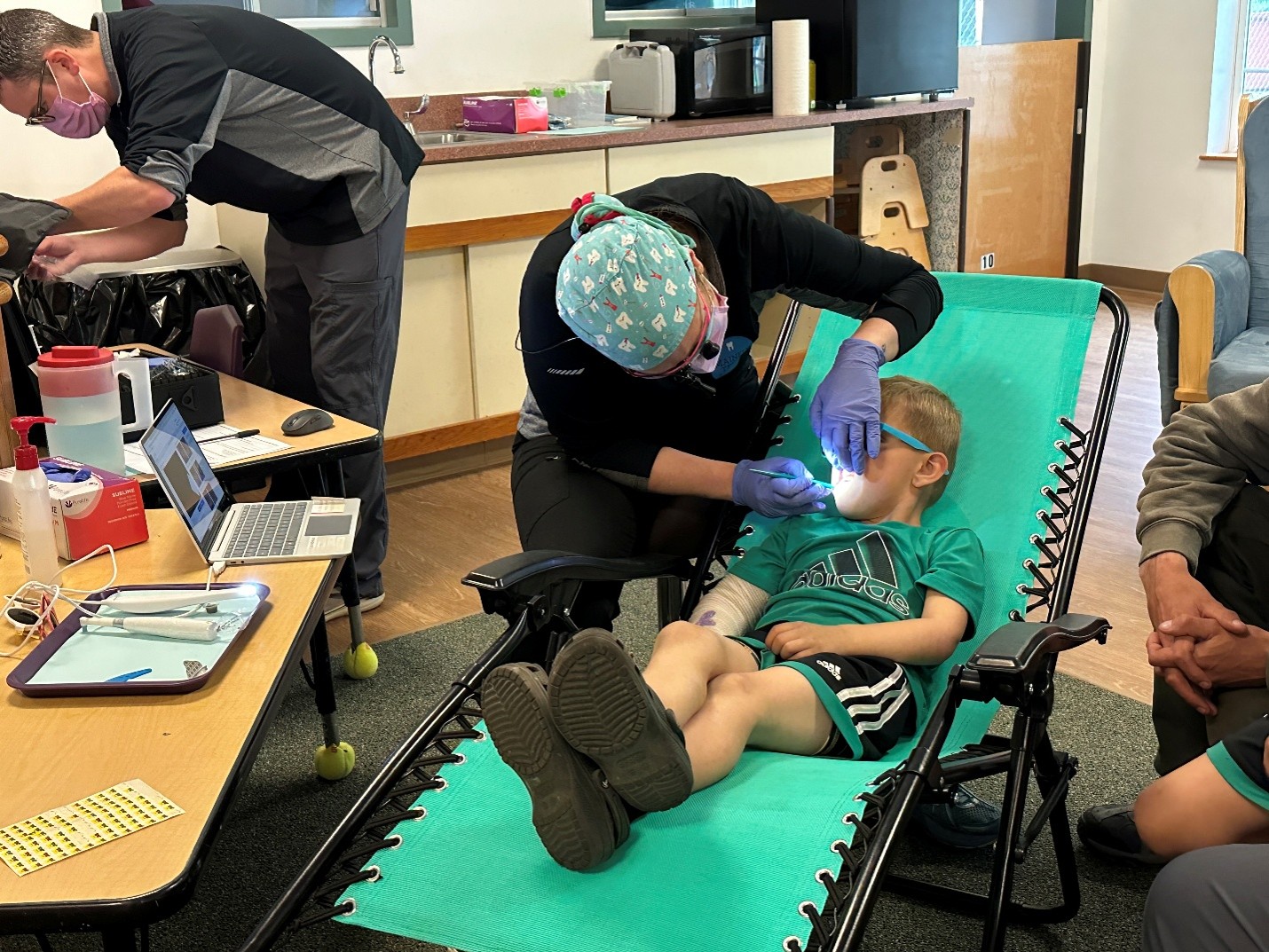
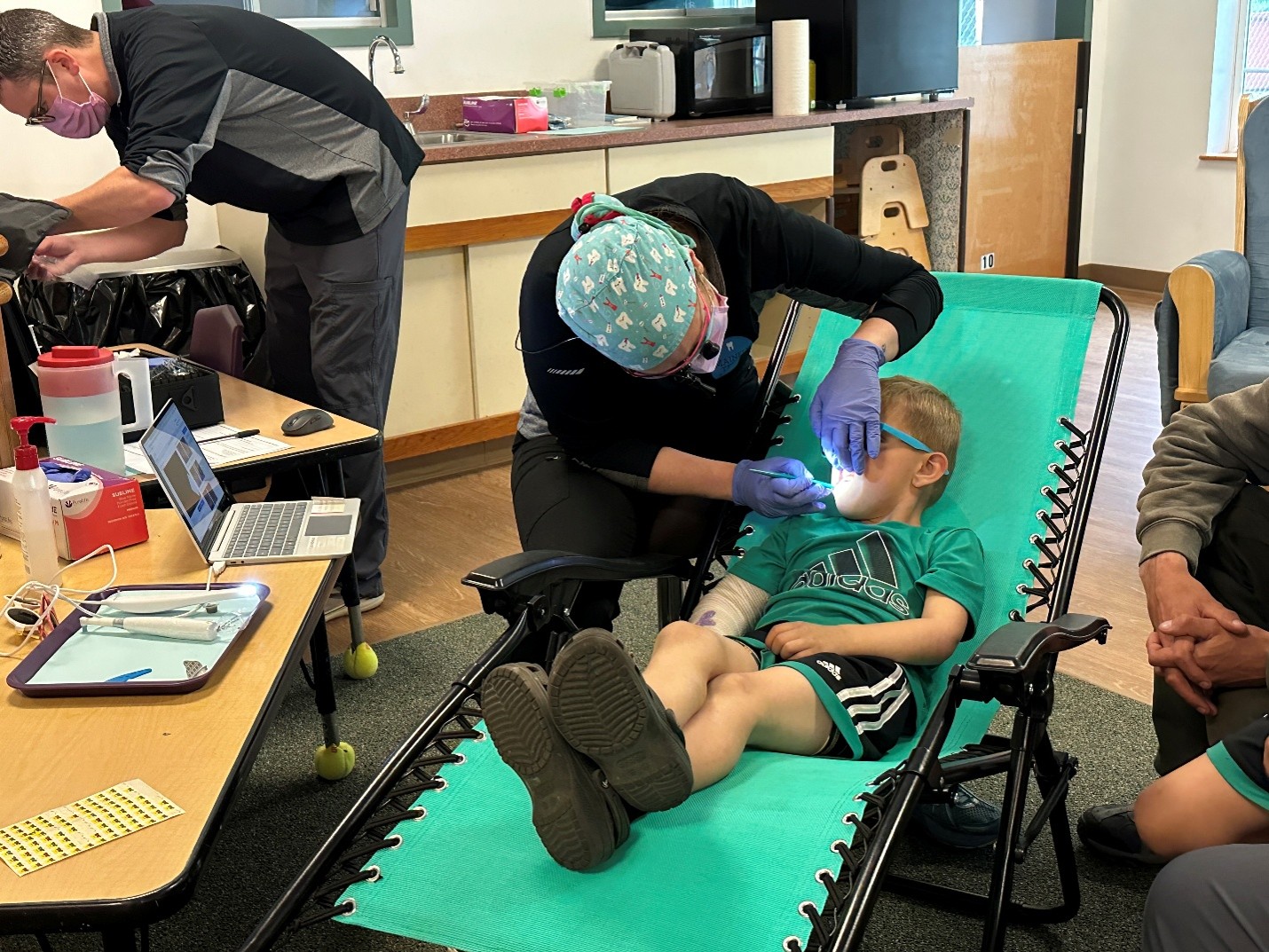
In 2022, only 35% of insured Maine children received a
dental exam and cleaning. If tooth decay is the most common chronic disease of
childhood, and even insured children struggle to access care, how can we look
beyond the dental office to ensure children get the care they need?

Course Information
- Audience:
Public health professionals, oral healthcare workforce, primary care workforce
- Format: Recorded Webinar
- Date/Time: July 28th, 2026 12:00 PM – 1:00 PM ET.
- Price: Free
- Length: 1 hour
- Credential(s) eligible for contact
If you are not seeking a CHES/MCHES contact hours, if you complete the post-test and evaluation, you will receive a Certificate of Completion. The Certificate will include the length of the course. NEPHTC is a designated provider of continuing education contact hours (CECH) in health education by the National Commission for Health Education Credentialing, Inc. This program is designated for Certified Health Education Specialists (CHES) and/or Master Certified Health Education Specialists (MCHES) to receive up to 1 total Category I continuing education contact hours. Maximum advanced-level continuing education contact hours are 1.
-
Provider ID:
-
Event ID:
-
Competencies: Public Health Science Skills
-
Learning Level: Awareness
-
Companion Trainings:
-
Supplemental materials: None
-
Pre-requisites: None
About this Webinar
Oral health is closely connected to overall health, educational success, workforce participation, and quality of life, yet oral health systems often operate separately from broader public health and health care efforts. Drawing on Maine's experience, this session will explore how systems change, cross-sector collaboration, policy, and innovative care delivery models can help create a more effective and accessible oral health system. Participants will leave with practical examples and ideas that can be applied in communities throughout New England.
Learning Objectives
-
Describe oral health as a public health issue and identify common barriers that limit access to care.
-
Differentiate between traditional dental delivery systems and community-based oral health models.
-
Explain how innovations such as medical-dental integration, tele dentistry, and minimally invasive care can expand access to preventive services.
Identify opportunities for public health organizations, healthcare systems, schools, and community partners to advance oral health care.
Subject Matter Expert(s)
 Kalie Hess, MPH
Kalie Hess is Associate Director of the Children’s Oral Health Network of Maine (COHN), where she leads policy, partnership, and systems change efforts to improve oral health outcomes and advance health equity across Maine. She supports a statewide network of partners working to ensure all children can grow up free from preventable dental disease, focusing on the systems, policies, and cross-sector collaborations needed to create lasting population-level change. Prior to joining COHN, Kalie worked with Maine’s Federally Qualified Health Centers to advance quality improvement initiatives, policy development, and systems change strategies that expanded access to care for underserved communities. Her background includes work in both state-level public health and local community health coalitions, with a focus on building partnerships and advancing solutions that improve community health and well-being. Kalie holds a Bachelor’s degree in Anthropology from the University of Maine and a Master of Public Health from the University at Albany.
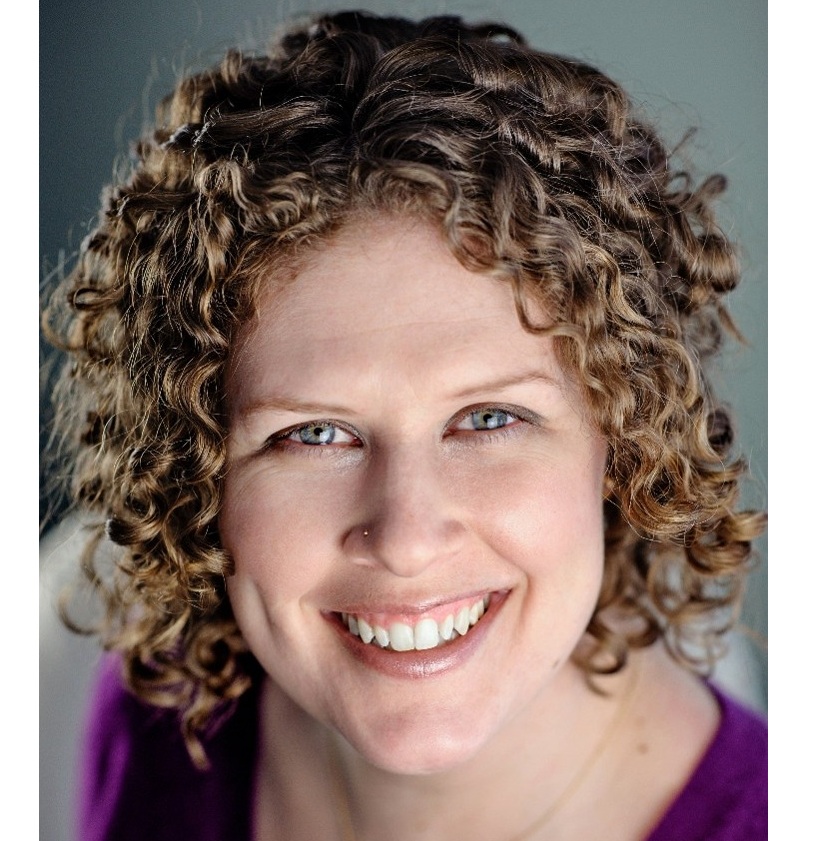 Molly Williams, MPH
Molly Williams is Data and Impact Communications Lead for the Children’s Oral Health Network of Maine (COHN). She produces annual publications, develops public presentations, and supports events to increase awareness of and engagement in COHN initiatives. Molly brings to this role a diverse set of skills and experiences developed over a career in events management, communications, and fundraising. She has worked for the Peabody Awards, Apple, Inc., Churchill Events, and the San Francisco Museum of Modern Art, with a focus on cultivating relationships, managing collaborative projects, developing efficient systems, and working towards greater equity and expanded access to resources. Molly holds a Bachelor’s degree in English from Amherst College and a Master of Public Health Policy from the University of Southern Maine’s Muskie School of Public Service.
Enrollment and Contact Hours
Select the Enroll button below to register for the course. If you have any trouble accessing the course, contact support@nephtc.org.
Acknowledgement: This project is supported by the Health Resources and Services Administration (HRSA) of the U.S. Department of Health and Human Services (HHS) as part of award 2 UB6HP31685‐05‐00 “Public Health Training Centers.” The contents are those of the author(s) and do not necessarily represent the official views of, nor an endorsement, by HRSA, HHS or the U.S. Government.This training was supported by the Health Resources and Services Administration (HRSA) of the U.S. Department of Health and Human Services (HHS) as part of a financial assistance award totaling $400,000 with 100% funded by HRSA/HHS and 0% funded by nongovernment source(s). The contents are those of the author(s) and do not necessarily represent the official views of, nor an endorsement, by HRSA/HHS, or the U.S. Government.
* Yale School of Public Health, Office of Public Health Practice, a New England Public Health Training Center partner, is a designated provider of continuing education contact hours (CECH) in health education by the National Commission for Health Education Credentialing, Inc. All CHES credit inquiries are managed by YSPH
Registration
Select the Enroll Me button below to register for this recording. If you have any trouble accessing the recording, contact support@nephtc.org.
Acknowledgement: This project is supported by the Health Resources and Services Administration (HRSA) of the U.S. Department of Health and Human Services (HHS) as part of award 2 UB6HP31685‐05‐00 “Public Health Training Centers.” The contents are those of the author(s) and do not necessarily represent the official views of, nor an endorsement, by HRSA, HHS or the U.S. Government.