Behavioral Health

Courses with keyword "Behavioral Health"

 988 Maine Logo

988 Maine: The Front Door of a Community-based Crisis System

How is 988 transforming Maine’s behavioral health crisis response—and what can public health professionals learn from Maine’s experience to strengthen community-based crisis care in their own work?

MPHA Maine Public Health Association Logo

Course Information

  • Audience: All public health professionals working in nonprofits, healthcare, educational institutions, government and private sector
  • Format: Webinar
  • Date/Time: March 5th, 2026 12:00 PM – 1:00 PM ET.
  • Price: Free
  • Length: 1 hour
  • Credential(s) eligible for contact
    If you are not seeking a CHES/MCHES contact hours, if you complete the post-test and evaluation, you will receive a Certificate of Completion. The Certificate will include the length of the course. NEPHTC is a designated provider of continuing education contact hours (CECH) in health education by the National Commission for Health Education Credentialing, Inc. This program is designated for Certified Health Education Specialists (CHES) and/or Master Certified Health Education Specialists (MCHES) to receive up to 1 total Category I continuing education contact hours. Maximum advanced-level continuing education contact hours are 1. 
  • Provider ID:  
  • Event ID: 
  • Competencies:  Community Dimensions of Practice Skills     
  • Learning Level: Awareness    
  • Companion Trainings: None  
  • Supplemental materials: None  
  • Pre-requisites: None
  •                   

About this Webinar

The launch of the 988 Suicide & Crisis Lifeline in July 2022 was a pivotal moment for mental health and substance use crisis response in Maine. In 2024, Maine’s crisis hotlines answered about 150,000 calls/chats/texts, and 988 has been a catalyst for the expansion and enhancement of the state's broader crisis system. This panel presentation explores how the 988 service works in Maine, how 988 is driving critical national and statewide reform, and how the crisis hotline service is fostering a more accessible continuum of care for all Mainers experiencing behavioral health crises. This panel brings together partners responsible for establishing 988 in Maine. It will share about the immediate impacts of 988, such as increased access to skilled crisis support and diversion of mental health calls from engagement with law enforcement. It will also demonstrate how the sustained investment and evolving infrastructure around 988 and mobile crisis response are propelling the development of a robust statewide crisis response system. Attendees will gain valuable insights into the current landscape and future vision of Maine's behavioral health crisis system, with a focus on data demonstrating the role in fostering community-based care. Maine's journey with 988 offers a compelling case study for public health professionals dedicated to improving mental well-being and strengthening community-based care.


Learning Objectives

  • Identify the services provided by, and relationships between the components of the Maine Behavioral Health Crisis System, including the 988 Suicide & Crisis Lifeline.

  • Describe how Maine's 988 service has enhanced the accessibility of crisis services, particularly with regard to diversion of behavioral health crises away from unnecessary contact with law enforcement and hospital settings.

Subject Matter Expert(s)

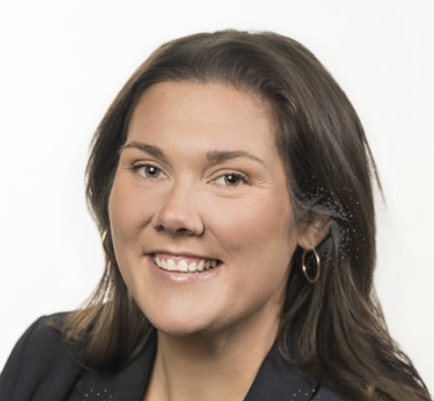
  • Christine CookChristina Cook, MSW, The Opportunity Alliance: Maine Crisis Line/988

Christina Cook is the Director of the Maine Crisis Line/988 (MCL/988) at The Opportunity Alliance in Portland, ME. She earned her undergraduate degree in Business Psychology from the University of Maine at Farmington and her graduate degree in Social Work from the University of Southern Maine. Throughout her career, Christina has worked with individuals in both community and residential settings, supporting programs that serve people experiencing homelessness, high-risk substance use, and suicidal crises. Before her current role at MCL/988, Christina served as a Clinical Manager of a PNMI program and as a supervisor for the Project for Assistance in Transition from Homelessness (PATH). She is passionate about building systems of care that are accessible to all and truly meet the needs of individuals in crisis.
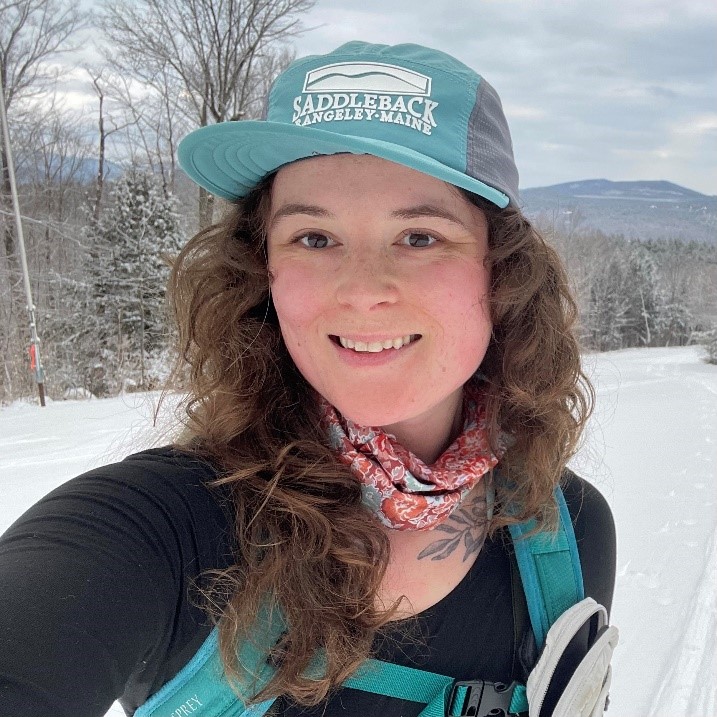
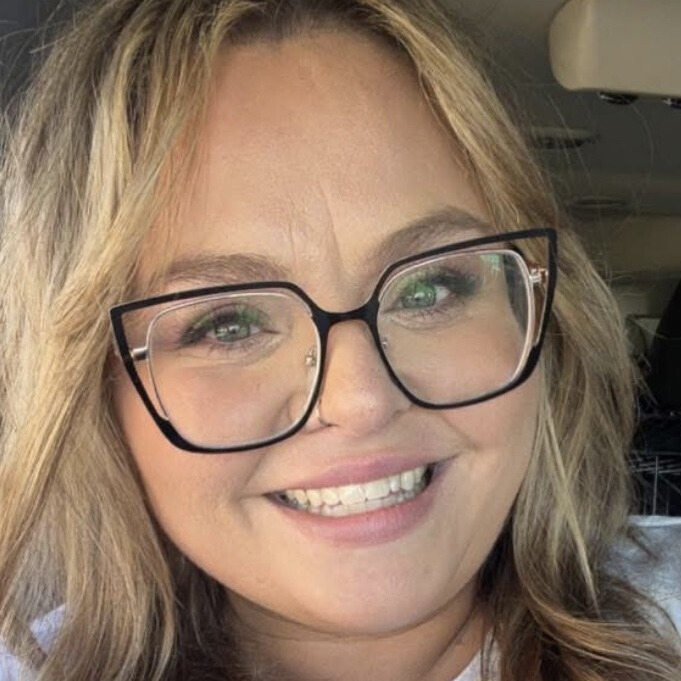
  • Harley HighHarley High, The Opportunity Alliance: Maine Crisis Line/988

Harley High is the 988 Coordinator, Maine Crisis Line/988 (MCL/988) at The Opportunity Alliance in Portland, ME. Harley works to strengthen partnerships with national and state organizations to enhance outreach, engagement, and operations for the MCl/988. Drawing on frontline experience, Harley contributes to quality assurance processes and supports training for new staff to ensure best practices in crisis intervention. Harley also assists with key projects such as reaccreditation preparation and organizes awareness initiatives, including 988 Day activities. Passionate about mental health advocacy, Harley is dedicated to improving access to compassionate, effective care for individuals in crisis.

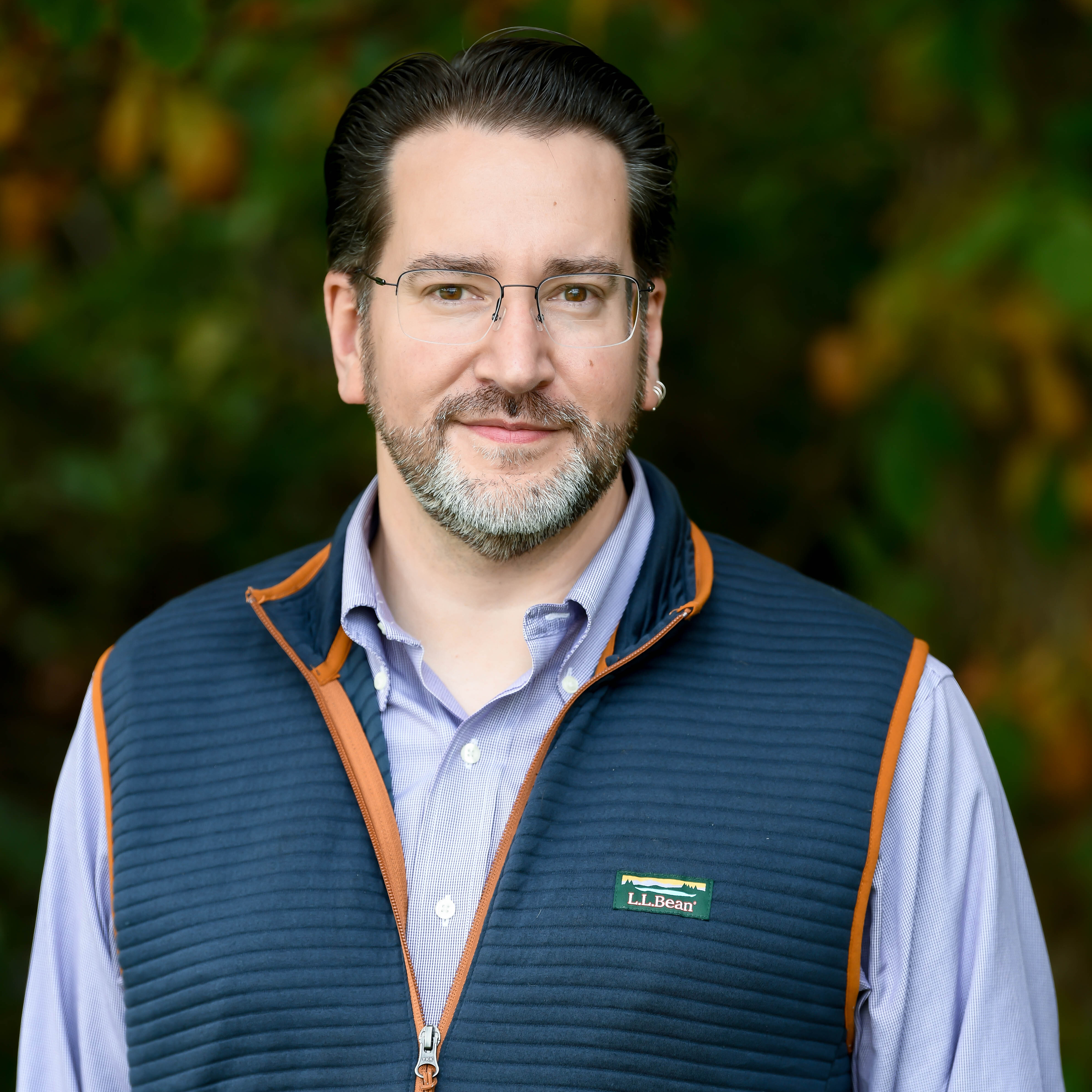
  • Abby BridgersAbby Bridgers, MPS, Maine DHHS: Office of Behavioral Health

Abby Bridgers is a data analyst and program evaluator at the Maine Department of Health and Human Services, Office of Behavioral Health. She holds a bachelor’s degree in politics from Mount Holyoke College and a master’s degree in analytics from Northeastern University’s Roux Institute. Abby has health data experience spanning health policy, industry consulting, and clinical settings. In her current role, she analyzes and presents data for state and federal audiences to support crisis system monitoring and reform efforts.
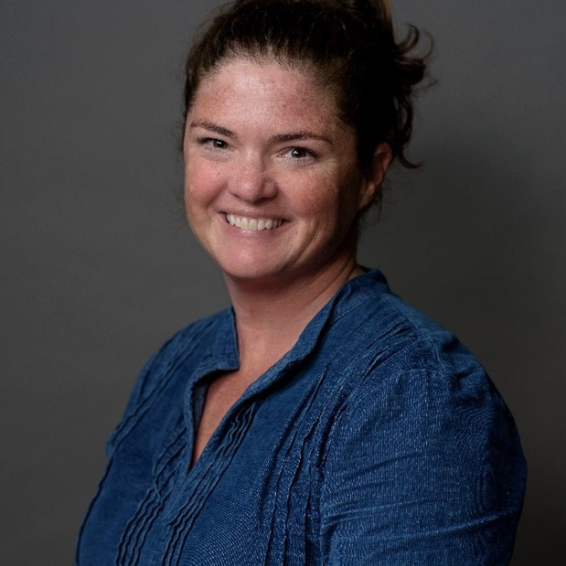
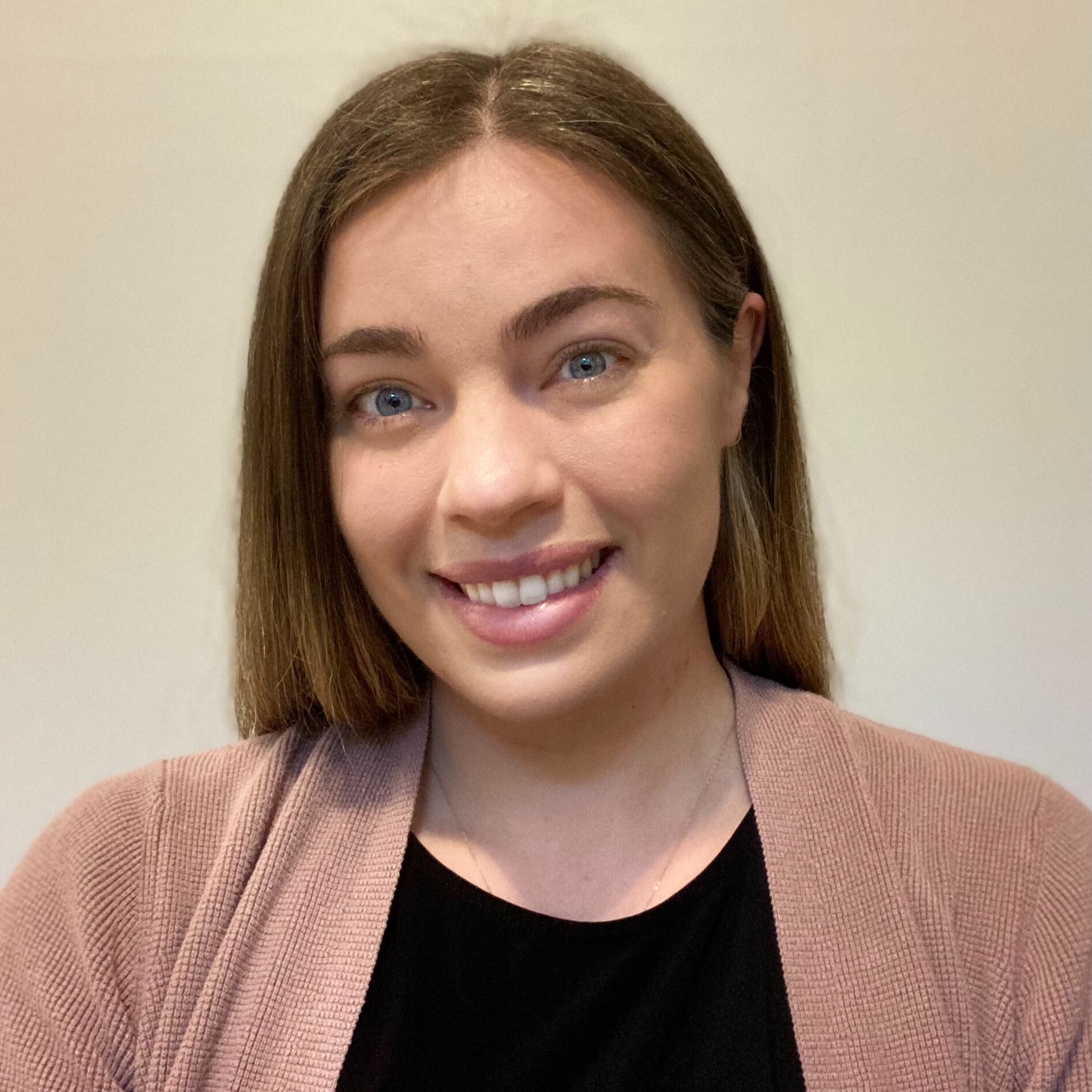
  • Brooke Pochee-SmithBrooke Pochee-Smith, Maine DHHS: Office of Behavioral Health

Brooke Pochee-Smith is an experienced public health and systems change professional with deep experience spanning healthcare, government policy and planning, community organizing, and organizational leadership. She currently serves as Project Director for Maine’s 988 and Crisis System Reform at the Maine Department of Health and Human Services, where she leads the statewide implementation of the 988 Suicide & Crisis Lifeline, manages multi-sector collaborations, and supports broad access to behavioral health crisis services across Maine. Holding a Master of Public Health and a Master of International and Intercultural Management, Ms. Pochee-Smith brings a multidisciplinary approach to public health policy, evaluation, and community engagement, with experience in program evaluation, international public health research, and systems change initiatives in both higher education and government.

Enrollment and Contact Hours
Select the Enroll button below to register for the course. If you have any trouble accessing the course, contact support@nephtc.org.


Acknowledgement:  This project is supported by the Health Resources and Services Administration (HRSA) of the U.S. Department of Health and Human Services (HHS) as part of award 2 UB6HP31685‐05‐00 “Public Health Training Centers.” The contents are those of the author(s) and do not necessarily represent the official views of, nor an endorsement, by HRSA, HHS or the U.S. Government.
This training was supported by the Health Resources and Services Administration (HRSA) of the U.S. Department of Health and Human Services (HHS) as part of a financial assistance award totaling $400,000 with 100% funded by HRSA/HHS and 0% funded by nongovernment source(s). The contents are those of the author(s) and do not necessarily represent the official views of, nor an endorsement, by HRSA/HHS, or the U.S. Government.


* Yale School of Public Health, Office of Public Health Practice, a New England Public Health Training Center partner, is a designated provider of continuing education contact hours (CECH) in health education by the National Commission for Health Education Credentialing, Inc. All CHES credit inquiries are managed by YSPH

    Registration

    Select the Enroll Me button below to register for this recording. If you have any trouble accessing the recording, contact support@nephtc.org.

    Acknowledgement: This project is supported by the Health Resources and Services Administration (HRSA) of the U.S. Department of Health and Human Services (HHS) as part of award 2 UB6HP31685‐05‐00 “Public Health Training Centers.” The contents are those of the author(s) and do not necessarily represent the official views of, nor an endorsement, by HRSA, HHS or the U.S. Government.


    Category: Mental Health
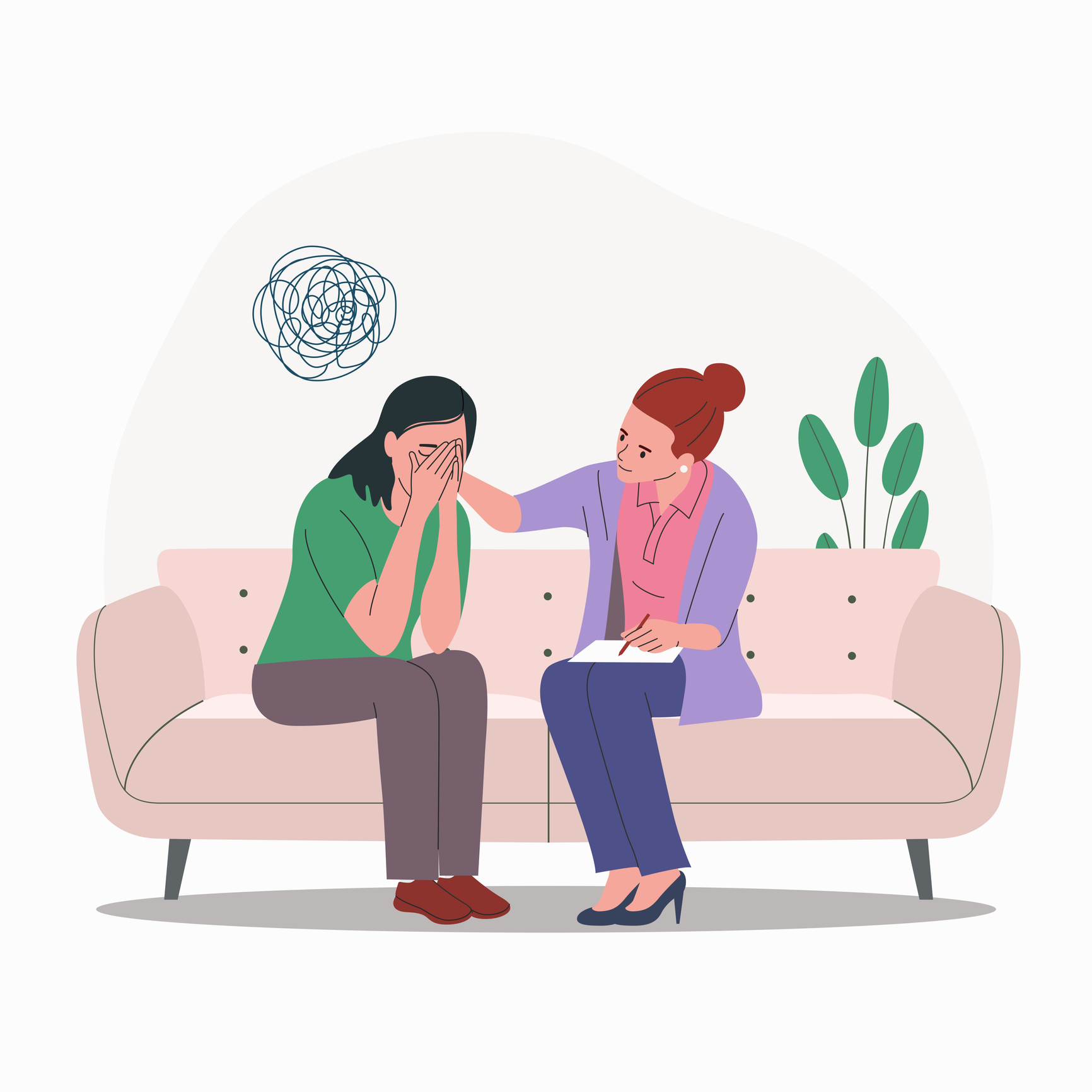
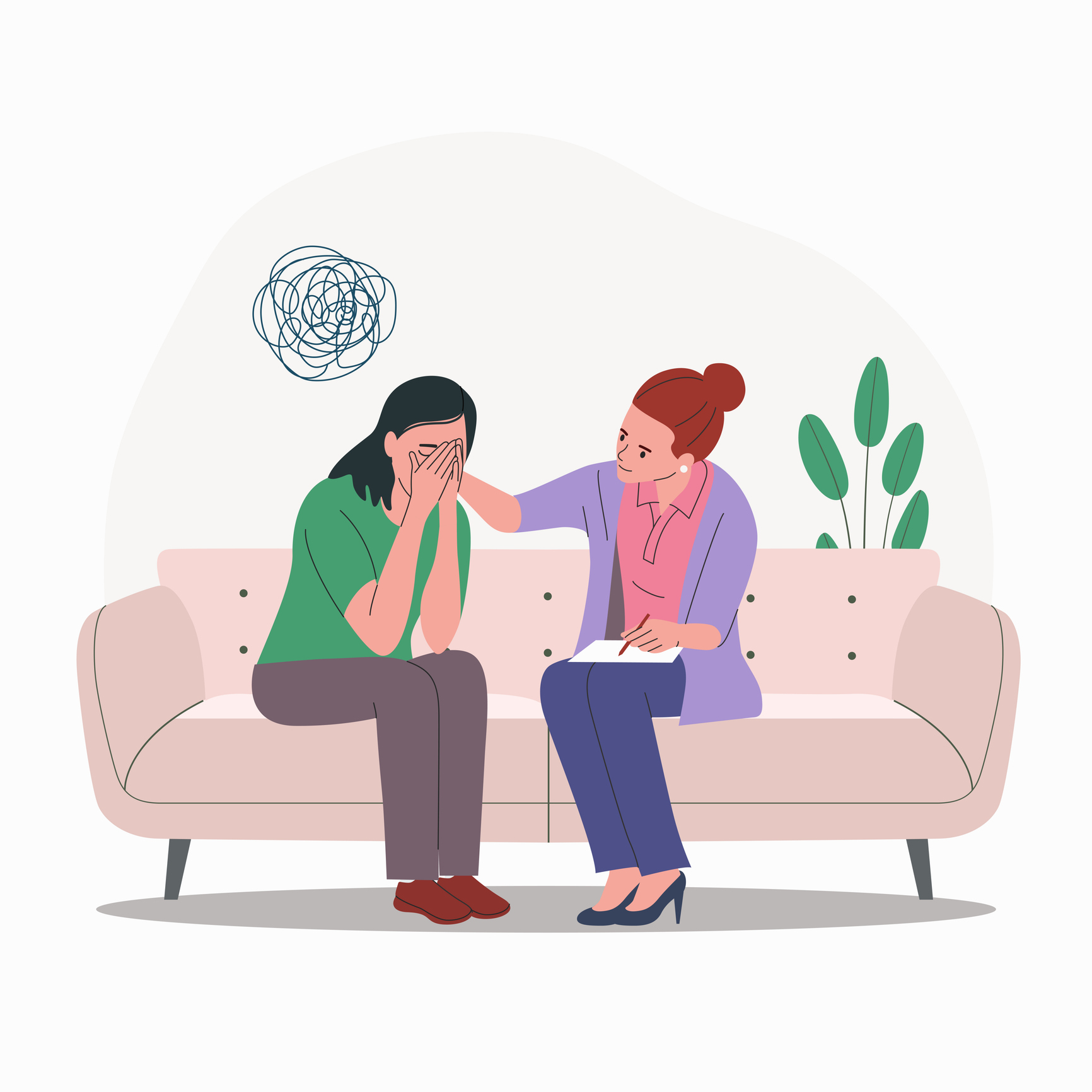
     Sad woman sitting with his head in his hands. Psychological support. Doldrums concept. Vector flat cartoon illustration.

    Spurwink's Crisis Receiving Center: In the Comfort of Our Living Room - A Beacon of Belonging and Care

    Have you ever been in a situation where someone you cared about was in crisis and you weren’t sure how to help them?

    MPHA Maine Public Health Association Logo

    Course Information

    • Audience: All public health professionals working in nonprofits, healthcare, educational institutions, government and private sector
    • Format: Recorded Webinar
    • Date/Time: February 5th, 2026 12:00 PM – 1:00 PM ET.
    • Price: Free
    • Length: 1 hour
    • Credential(s) eligible for contact
      If you are not seeking a CHES/MCHES contact hours, if you complete the post-test and evaluation, you will receive a Certificate of Completion. The Certificate will include the length of the course. NEPHTC is a designated provider of continuing education contact hours (CECH) in health education by the National Commission for Health Education Credentialing, Inc. This program is designated for Certified Health Education Specialists (CHES) and/or Master Certified Health Education Specialists (MCHES) to receive up to 1 total Category I continuing education contact hours. Maximum advanced-level continuing education contact hours are 1. 
    • Provider ID:  
    • Event ID: 
    • Competencies:  Community Dimensions of Practice Skills     
    • Learning Level: Awareness    
    • Companion Trainings: None  
    • Supplemental materials: None  
    • Pre-requisites: None
    •                   

    About this Webinar

    The phrase “in the comfort of our living room” evokes a sense of warmth, safety, and belonging—an experience often taken for granted. For individuals facing homelessness, mental health crises, or substance use challenges, such comfort can feel out of reach. Spurwink’s Crisis Receiving Center, also known as The Living Room, reimagines this concept by offering a welcoming, trauma-informed space where individuals in crisis are met with dignity, compassion, and immediate support from a multidisciplinary team that includes clinical professionals and peers with lived experience. The center provides timely access to psychiatric nurse practitioners, medication management, suboxone inductions, and referrals to community-based services. Whether someone arrives seeking a peer conversation, a crisis assessment, or simply to explore available resources, the Living Room adapts to meet them where they are. The ethos of “try again tomorrow” underscores the Center’s commitment to ongoing, person-centered care. This presentation will share information about the core principles of the Living Room Crisis Receiving Center model, the work being done, data from recent years, and describe how this receiving center positively impacts individual outcomes and public health.


    Learning Objectives

    • Describe the core principles of the Living Room Crisis Receiving Center model, including its trauma-informed, low-barrier, and person-centered approach to crisis care.

    • Identify the ways in which the Living Room Crisis Receiving Center fosters a sense of belonging, dignity, and psychological safety for those experiencing behavioral health crises.

    • Analyze the impact of peer support and lived experience in creating a welcoming and effective crisis intervention environment.

    Subject Matter Expert(s)

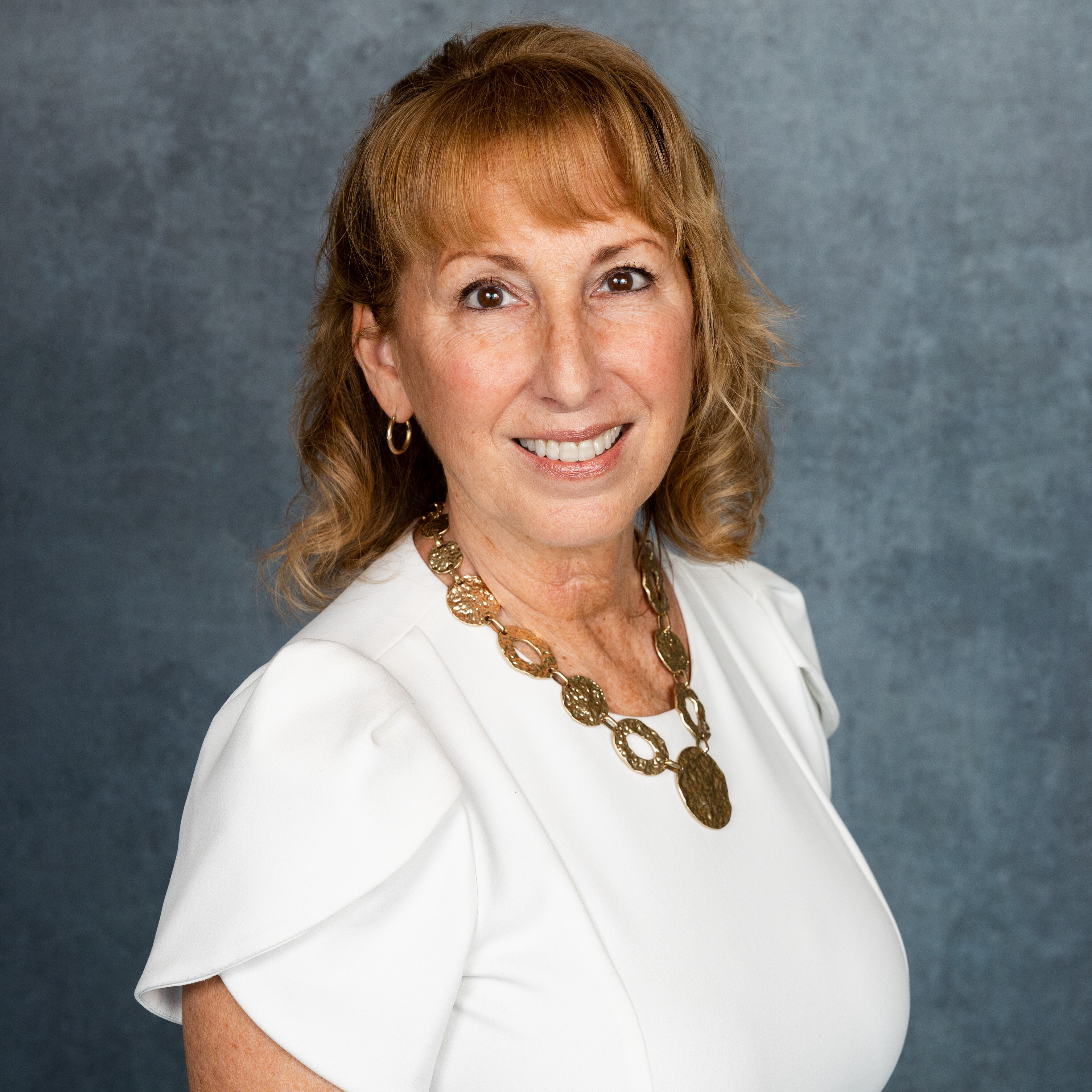
    • Catherine RyderCatherine Ryder, LCPC, NCC

    Catherine serves as the Senior Director of Strategic Initiatives for Spurwink Services in Maine. Her professional work has been focused on developing models that provide excellence in clinical care and yield exceptional outcomes. She is passionate about ensuring access for those in need, bending the cost curve to achieve fiscal sustainability, and reducing the stigma associated with behavioral health. Catherine is a Licensed Clinical Professional Counselor with a MS in Counselor Education, and a Nationally Certified Counselor. She has completed the certificate program in Primary Care Behavioral Health from University of MA and is a graduate of the Hanley Leadership Development program for healthcare leaders in Maine. Catherine currently serves as a board member for the Maine Council on Aging (MCOA), the Portland Recovery Community Center (PRCC), is chair for the Hanley Center for Health Leadership, and is a corporator for Bangor Savings Bank.

    • Megan DuestMegan DuEst, LCSW, LADC, CCS, MHRT-CSP, RN

    Senior Director of Outpatient and Community Services (Portland) Megan DuEst is an experienced clinician and leader with over 12 years in the behavioral health field. Currently serving as the Senior Director of OCS Portland, Megan oversees a variety of critical programs and services, including the first crisis receiving center in the State of Maine, Spurwink’s Assertive Community Treatment Program, and Ashlea's Place. She also manages contracted programs through Mercy Hospital and MaineHealth. Throughout her career, Megan has demonstrated a deep commitment to improving access to mental health services, particularly in high-need communities. Her prior experience includes providing intensive in-home support to children and families, outpatient counseling, school-based services, supporting resource/foster parents and children in DHHS custody, and crisis intervention.

    • Ben StrickBen Strick, LCSW

    Ben is a Licensed Clinical Social Worker who currently serves as Spurwink’s Vice President of Outpatient and Community Services. Ben has worked across Spurwink serving children, youth, families, and adults. He received his undergraduate degree from Bates College, and his MSW from the University of New England. He also serves as the complaint officer for the State Board of Social Work Licensure and is a member of the Deadly Force Review Panel. Ben helped design and implement the State’s first 24/7 crisis receiving center and has worked closely with the Commissioner of Public Safety to offer statewide 24/7 telehealth weapons restriction assessments.

    • Amanda SpilmanAmanda Spilman, Peer

    Amanda is a Certified Intentional Peer Support Specialist working at Spurwink's Living Room Crisis Center for the past three years. In addition to her work at Spurwink, Amanda is a program manager and resource coordinator at Seeds of Hope Neighborhood Center. Amanda is committed to harm reduction, mutuality, and person-centered care. Her work is grounded in the belief that people are the experts in their own lives and deserve support that honors autonomy, dignity, and lived experience. She strives to create nonjudgmental, collaborative spaces where individuals feel heard, respected, and empowered to define their own goals.

    • Katherine Rodney,Katherine Rodney, LCSW, MHRT/CSP, CRMA

    Katherine graduated with an undergraduate degree in public health from the College of Charleston in 2017. After graduation, she completed an AmeriCorps Year as a Family Enrichment and Volunteer Manager with a federally qualified health center in New Hampshire. Katherine then went on to study social work with Simmons University in 2018. While completing her graduate degree, she worked as a community health educator. She graduated in 2020 with her master's degree in social work and began working as a school-based adolescent therapist. After moving to Maine in 2021, Katherine continued as a community mental health youth and family therapist before joining the Spur wink Living Room Crisis Center team as a Clinician in 2023. The following year, Katherine transitioned to the role of Director at the Living Room Crisis Center. As a Licensed Clinical Social Worker, Katherine enjoys supervising and mentoring the Living Room's multidisciplinary team, connecting with clients, and working closely with community partners.

    Enrollment and Contact Hours
    Select the Enroll button below to register for the course. If you have any trouble accessing the course, contact support@nephtc.org.


    Acknowledgement:  This project is supported by the Health Resources and Services Administration (HRSA) of the U.S. Department of Health and Human Services (HHS) as part of award 2 UB6HP31685‐05‐00 “Public Health Training Centers.” The contents are those of the author(s) and do not necessarily represent the official views of, nor an endorsement, by HRSA, HHS or the U.S. Government.
    This training was supported by the Health Resources and Services Administration (HRSA) of the U.S. Department of Health and Human Services (HHS) as part of a financial assistance award totaling $400,000 with 100% funded by HRSA/HHS and 0% funded by nongovernment source(s). The contents are those of the author(s) and do not necessarily represent the official views of, nor an endorsement, by HRSA/HHS, or the U.S. Government.


    * Yale School of Public Health, Office of Public Health Practice, a New England Public Health Training Center partner, is a designated provider of continuing education contact hours (CECH) in health education by the National Commission for Health Education Credentialing, Inc. All CHES credit inquiries are managed by YSPH

      Registration

      Select the Enroll Me button below to register for this recording. If you have any trouble accessing the recording, contact support@nephtc.org.

      Acknowledgement: This project is supported by the Health Resources and Services Administration (HRSA) of the U.S. Department of Health and Human Services (HHS) as part of award 2 UB6HP31685‐05‐00 “Public Health Training Centers.” The contents are those of the author(s) and do not necessarily represent the official views of, nor an endorsement, by HRSA, HHS or the U.S. Government.

      Category: Mental Health