
MPHA

Related Keywords:

Courses with keyword "MPHA"


Building a Shared Learning Community for Pediatric Behavioral Health in Maine

How can a statewide learning community help pediatric, school-based, and behavioral health professionals connect, learn, and strengthen support for children, youth, and families?

 

Course Information

  • Audience:

    Pediatric providers, school-based professionals,

    public health professionals,  behavioral health providers

  • Format: Webinar
  • Date/Time: October 6th, 2026 12:00 PM – 1:00 PM ET.
  • Price: Free
  • Length: 1 hour
  • Credential(s) eligible for contact
    If you are not seeking a CHES/MCHES contact hours, if you complete the post-test and evaluation, you will receive a Certificate of Completion. The Certificate will include the length of the course. NEPHTC is a designated provider of continuing education contact hours (CECH) in health education by the National Commission for Health Education Credentialing, Inc. This program is designated for Certified Health Education Specialists (CHES) and/or Master Certified Health Education Specialists (MCHES) to receive up to 1 total Category I continuing education contact hours. Maximum advanced-level continuing education contact hours are 1. 
  • Provider ID:  
  • Event ID: 
  • Competencies:  Community Dimensions of Practice Skills
  • Learning Level: Awareness    
  • Companion Trainings:
  • Supplemental materials: None  
  • Pre-requisites: None
  •                   

About this Webinar

The Maine Pediatric and Behavioral Health Partnership is Maine’s Pediatric Mental Health Care Access Program, created to strengthen behavioral health support for professionals caring for children, youth, and families across the state. This webinar will introduce MPBHP’s work and share how the partnership supports pediatric behavioral health access, learning, consultation, and cross-sector connection. Presenters will highlight MPBHP learning opportunities, including the Pediatric Psychiatry in the Primary Care Setting ECHO, the School-Based Behavioral Health ECHO, webinars, videos, and enduring materials. The session will include examples from recent programming and explore how clinical, school-based, public health, and community partners are being brought into shared learning spaces. Participants will also learn how to connect with MPBHP programming, access available resources, and participate in future learning opportunities.


Learning Objectives

  • Explain how the Maine Pediatric and Behavioral Health Partnership uses a Pediatric Mental Health Care Access Program model to strengthen access to behavioral health education, consultation, and support across Maine.

  • Describe how MPBHP learning opportunities, including ECHO series, webinars, videos, consultation resources, and enduring materials, help connect professionals across clinical, school-based, public health, and community settings.

  • Examine examples from MPBHP programming that illustrate how shared learning and cross-sector collaboration can strengthen care coordination, resource awareness, and support for children, youth, families, and the professionals who serve them.

  • Identify practical ways to access MPBHP resources, participate in future programming, and apply shared learning approaches within participants’ own professional settings.

Subject Matter Expert(s)
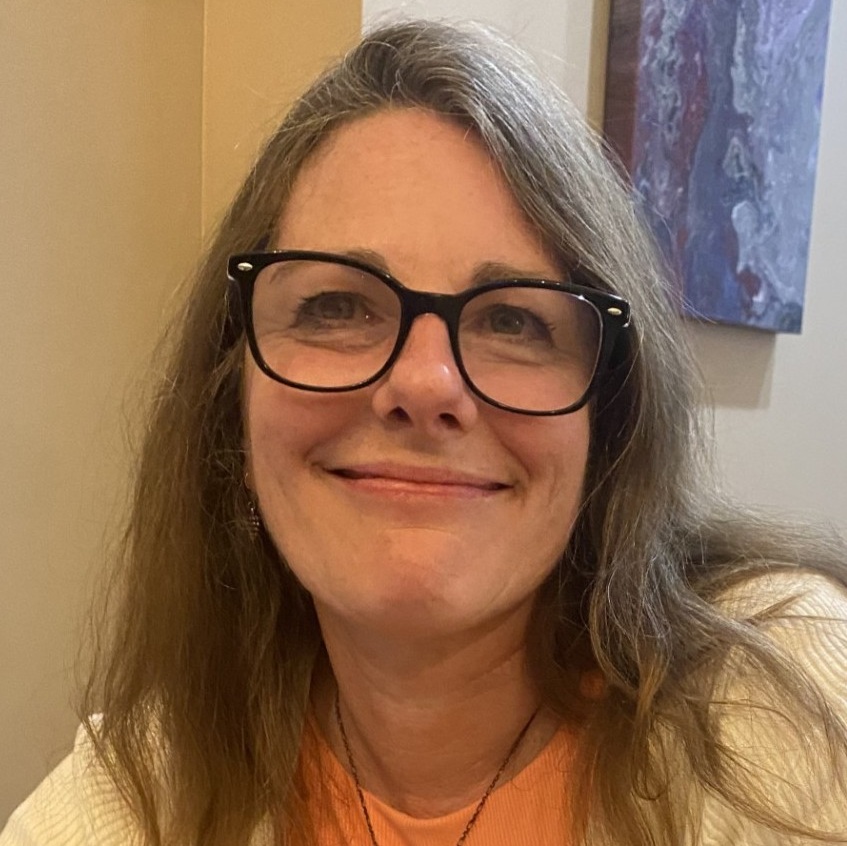
  • Sherri Billings, MCD Global Health

Sherri Billings is the Program Manager for Project ECHO and eLearning at MCD Global Health, where she supports the planning, implementation, evaluation, and dissemination of ECHO and online learning programs focused on pediatric and behavioral health. Her work centers on creating meaningful learning communities that help professionals connect, problem-solve, and strengthen care for children and families. sbillings@mcd.org

  • Melissa Maurais, Maine DOHHS

Melissa Maurais is Program Manager with the Maine Department of Health and Human Services and supports the Maine Pediatric and Behavioral Health Partnership, Maine’s Pediatric Mental Health Care Access Program. Her work focuses on strengthening access to behavioral health support, consultation, and learning opportunities for professionals serving children, youth, and families across Maine. Melissa.Maurais.gov

Enrollment and Contact Hours
Select the Enroll button below to register for the course. If you have any trouble accessing the course, contact support@nephtc.org.


Acknowledgement:  This project is supported by the Health Resources and Services Administration (HRSA) of the U.S. Department of Health and Human Services (HHS) as part of award 2 UB6HP31685‐05‐00 “Public Health Training Centers.” The contents are those of the author(s) and do not necessarily represent the official views of, nor an endorsement, by HRSA, HHS or the U.S. Government.


This training was supported by the Health Resources and Services Administration (HRSA) of the U.S. Department of Health and Human Services (HHS) as part of a financial assistance award totaling $400,000 with 100% funded by HRSA/HHS and 0% funded by nongovernment source(s). The contents are those of the author(s) and do not necessarily represent the official views of, nor an endorsement, by HRSA/HHS, or the U.S. Government.


* Yale School of Public Health, Office of Public Health Practice, a New England Public Health Training Center partner, is a designated provider of continuing education contact hours (CECH) in health education by the National Commission for Health Education Credentialing, Inc. All CHES credit inquiries are managed by YSPH

    Registration

    Select the Enroll Me button below to register for this recording. If you have any trouble accessing the recording, contact support@nephtc.org.

    Acknowledgement: This project is supported by the Health Resources and Services Administration (HRSA) of the U.S. Department of Health and Human Services (HHS) as part of award 2 UB6HP31685‐05‐00 “Public Health Training Centers.” The contents are those of the author(s) and do not necessarily represent the official views of, nor an endorsement, by HRSA, HHS or the U.S. Government.

    Category: Mental Health
     

    Mobile Health for Rural Communities

    Are you looking to explore or expand mobile health services?


    Course Information

    • Audience:

       Public Health Leadership and Management, Public Health Professionals, Mobile Health Program Managers, etc. 

    • Format: Recorded Webinar
    • Date/Time: July 9th, 2026 12:00 PM – 1:00 PM ET.
    • Price: Free
    • Length: 1 hour
    • Credential(s) eligible for contact
      If you are not seeking a CHES/MCHES contact hours, if you complete the post-test and evaluation, you will receive a Certificate of Completion. The Certificate will include the length of the course. NEPHTC is a designated provider of continuing education contact hours (CECH) in health education by the National Commission for Health Education Credentialing, Inc. This program is designated for Certified Health Education Specialists (CHES) and/or Master Certified Health Education Specialists (MCHES) to receive up to 1 total Category I continuing education contact hours. Maximum advanced-level continuing education contact hours are 1. 
    • Provider ID:  
    • Event ID: 
    • Competencies:  Program Planning Skills
    • Learning Level: Awareness    
    • Companion Trainings:
    • Supplemental materials: None  
    • Pre-requisites: None
    •                   

    About this Webinar

    Join the Maine Mobile Health Program for an interactive discussion on mobile healthcare delivery in Maine. We’ll explore proven strategies, real-world challenges, funding considerations, and innovative partnerships that drive successful mobile health initiatives. Learn how communities across Maine are leveraging mobile medical units to expand access, improve outcomes, and meet people where they are.


    Learning Objectives

    • Describe current mobile health initiatives and models in the state of Maine.

    • Evaluate different considerations for effective mobile healthcare delivery.

    • Demonstrate the value of mobile healthcare for underserved populations.

    Subject Matter Expert(s)

    • Amelia Lyons Rukema, CEO

    Amelia has served as CEO of the Maine Mobile Health Program, the state’s only entirely mobile Federally Qualified Health Center, for the past two years. Her leadership is grounded in a commitment to community-led solutions and centering lived expertise.

    Enrollment and Contact Hours
    Select the Enroll button below to register for the course. If you have any trouble accessing the course, contact support@nephtc.org.


    Acknowledgement:  This project is supported by the Health Resources and Services Administration (HRSA) of the U.S. Department of Health and Human Services (HHS) as part of award 2 UB6HP31685‐05‐00 “Public Health Training Centers.” The contents are those of the author(s) and do not necessarily represent the official views of, nor an endorsement, by HRSA, HHS or the U.S. Government.
    This training was supported by the Health Resources and Services Administration (HRSA) of the U.S. Department of Health and Human Services (HHS) as part of a financial assistance award totaling $400,000 with 100% funded by HRSA/HHS and 0% funded by nongovernment source(s). The contents are those of the author(s) and do not necessarily represent the official views of, nor an endorsement, by HRSA/HHS, or the U.S. Government.


    * Yale School of Public Health, Office of Public Health Practice, a New England Public Health Training Center partner, is a designated provider of continuing education contact hours (CECH) in health education by the National Commission for Health Education Credentialing, Inc. All CHES credit inquiries are managed by YSPH

      Registration

      Select the Enroll Me button below to register for this recording. If you have any trouble accessing the recording, contact support@nephtc.org.

      Acknowledgement: This project is supported by the Health Resources and Services Administration (HRSA) of the U.S. Department of Health and Human Services (HHS) as part of award 2 UB6HP31685‐05‐00 “Public Health Training Centers.” The contents are those of the author(s) and do not necessarily represent the official views of, nor an endorsement, by HRSA, HHS or the U.S. Government.

      Category: Access
       

      Advancing CHW Skills in Early Child Development

      How can YOU, as a CHW, support children’s development and help families navigate early childhood services?


      Course Information

      • Audience:

        Community health workers, public health professionals

      • Format: Recorded Webinar
      • Date/Time: June 2nd, 2026 12:00 PM – 1:00 PM ET.
      • Price: Free
      • Length: 1 hour
      • Credential(s) eligible for contact
        If you are not seeking a CHES/MCHES contact hours, if you complete the post-test and evaluation, you will receive a Certificate of Completion. The Certificate will include the length of the course. NEPHTC is a designated provider of continuing education contact hours (CECH) in health education by the National Commission for Health Education Credentialing, Inc. This program is designated for Certified Health Education Specialists (CHES) and/or Master Certified Health Education Specialists (MCHES) to receive up to 1 total Category I continuing education contact hours. Maximum advanced-level continuing education contact hours are 1. 
      • Provider ID:  
      • Event ID: 
      • Competencies:  Community Dimensions of Practice Skills
      • Learning Level: Awareness    
      • Companion Trainings:
      • Supplemental materials: Access the free course here (registration required): Course Details - MCD Learn: https://mcdlearn.org/program-detail.php?id=29
      • Pre-requisites: None
      •                   

      About this Webinar

      Community Health Workers often support families with young children but may have limited training in early childhood development systems. This webinar introduces MCD's CHW Child Development Specialty Track, designed to strengthen CHW capacity in developmental milestones, early intervention, and culturally responsive family support. Participants will learn how specialty training can expand the CHW role in supporting child development and connecting families to services.


      Learning Objectives

      • Describe the role of CHWs in supporting early childhood development and family systems.

      • Identify key components of early childhood development, including developmental milestones and early intervention.

      • Recognize strategies for culturally responsive engagement with families navigating child development systems.

      Subject Matter Expert(s)

      • Zakiya Sheikh

      Zakiya Sheikh is the Community Outreach and Training Coordinator at MCD Global Health dedicated to advancing health equity through education, communications, and culturally responsive community engagement. Her work focuses on maternal and child health, early childhood development, and family well-being.

      • Cristina Leal

      Cristina Leal is Senior Program Manager at MCD Global Health and a public health professional with deep experience in community health, adult learning, and workforce development who supports CHW initiatives across Maine and the U.S., contributing to leadership development, workforce strategies, and national training efforts.

      • Elizabeth Foley

      Elizabeth Foley, MCD U.S. Programs Co-Director, brings more than 30 years of experience in healthcare and public health across domestic and international organizations. She has advised national and state health initiatives, including the Maine CDC, the National Health Disparities Collaborative, and the Institute for Healthcare Improvement. At MCD, she leads eLearning and workforce development programs that provide training and technical assistance to public health professionals, healthcare providers, and community health workers across the U.S. and globally. Prior to joining MCD, Ms. Foley worked for the global NGO Partners In Health and the Harvard Medical School Department of Global Health and Social Medicine, designing and facilitating community health worker initiatives in the United States and developing countries.

      Enrollment and Contact Hours
      Select the Enroll button below to register for the course. If you have any trouble accessing the course, contact support@nephtc.org.


      Acknowledgement:  This project is supported by the Health Resources and Services Administration (HRSA) of the U.S. Department of Health and Human Services (HHS) as part of award 2 UB6HP31685‐05‐00 “Public Health Training Centers.” The contents are those of the author(s) and do not necessarily represent the official views of, nor an endorsement, by HRSA, HHS or the U.S. Government.
      This training was supported by the Health Resources and Services Administration (HRSA) of the U.S. Department of Health and Human Services (HHS) as part of a financial assistance award totaling $400,000 with 100% funded by HRSA/HHS and 0% funded by nongovernment source(s). The contents are those of the author(s) and do not necessarily represent the official views of, nor an endorsement, by HRSA/HHS, or the U.S. Government.


      * Yale School of Public Health, Office of Public Health Practice, a New England Public Health Training Center partner, is a designated provider of continuing education contact hours (CECH) in health education by the National Commission for Health Education Credentialing, Inc. All CHES credit inquiries are managed by YSPH

        Registration

        Select the Enroll Me button below to register for this recording. If you have any trouble accessing the recording, contact support@nephtc.org.

        Acknowledgement: This project is supported by the Health Resources and Services Administration (HRSA) of the U.S. Department of Health and Human Services (HHS) as part of award 2 UB6HP31685‐05‐00 “Public Health Training Centers.” The contents are those of the author(s) and do not necessarily represent the official views of, nor an endorsement, by HRSA, HHS or the U.S. Government.


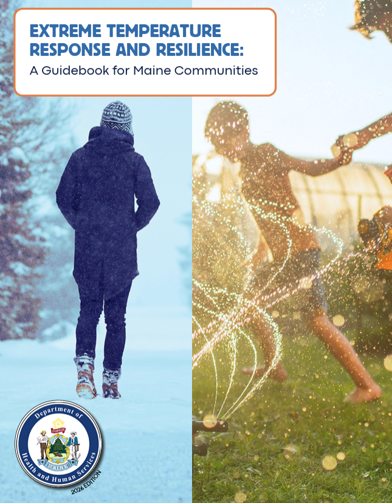
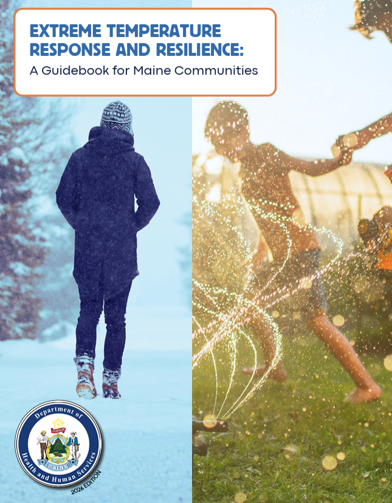
        Extreme Temperature Response and Resilience: A Guidebook for Maine Communities

        What would you do tomorrow if extreme heat or cold hit your community? Would you have the tools and information necessary to keep your most vulnerable residents safe?


        Course Information

        • Audience:


          Public health professionals, Community health workers, Municipal and Community Leaders.

        • Format: Webinar
        • Date/Time: August 6th, 2026 12:00 PM – 1:00 PM ET.
        • Price: Free
        • Length: 1 hour
        • Credential(s) eligible for contact
          If you are not seeking a CHES/MCHES contact hours, if you complete the post-test and evaluation, you will receive a Certificate of Completion. The Certificate will include the length of the course. NEPHTC is a designated provider of continuing education contact hours (CECH) in health education by the National Commission for Health Education Credentialing, Inc. This program is designated for Certified Health Education Specialists (CHES) and/or Master Certified Health Education Specialists (MCHES) to receive up to 1 total Category I continuing education contact hours. Maximum advanced-level continuing education contact hours are 1. 
        • Provider ID:  
        • Event ID: 
        • Competencies:  Policy development and program planning skills
        • Learning Level: Awareness    
        • Companion Trainings:
        • Supplemental materials: None  
        • Pre-requisites: None
        •                   

        About this Webinar

        Join us for an overview of Extreme Temperature Response and Resilience: A Guidebook for Maine Communities, a practical resource designed to help municipal and community leaders prepare for, respond to, and recover from extreme heat and cold. In this webinar, we’ll walk through key tools and strategies from the Guidebook, including how to strengthen preparedness, implement scalable response actions during temperature events, and build long-term resilience through policy and infrastructure improvements. We’ll also highlight ready-to-use resources such as temperature-based action tables and guidance for operating cooling and warming centers. Whether you’re updating an existing response plan or starting from scratch, this session will help you identify actionable steps to protect community health – especially for populations most at risk.


        Learning Objectives

        • Describe the health risks of extreme heat and cold for Maine communities and priority populations.

        • Identify at least three preparedness actions and three in-event response strategies from the Guidebook that can be implemented at the local level.

        • Discuss long-term resilience approaches, including indoor and outdoor infrastructure strategies that reduce health impacts from extreme temperatures.

        Use the Guidebook’s tools (temperature-based action table, shelter checklist, and communication resources) to support planning and decision-making for extreme temperature events.

        Subject Matter Expert(s)

        • CJ Miles, Project Coordinator

        CJ Miles received her master’s degree in public health from Yale School of Public Health in Environmental Health, with a concentration in climate change and health. She has been a member of the Maine CDC’s Climate and Health team since 2024 and serves as Project Coordinator of the Building Resilience Against Climate Effects (BRACE) and Environmental Public Health Tracking (EPHT) cooperative agreements. Ms. Miles coordinates, oversees, and collaborates on environmental health-related activities associated with these two US CDC-funded environmental health grants and supports the management of a third grant. She also convenes and supports a variety of other partner groups, facilitates meetings, and gathers and summarizes partner feedback.

        • Erin Arneson, Health Communication Specialist


        Erin Arneson received her master’s degree in public health from the University of Iowa in Health Communications. She has been a member of Maine CDC’s Environmental Health Program (EHP) since 2018 and serves as the health communication specialist for EHP which is comprised Environmental Epidemiology Unit (which includes BRACE, EPHT, and an environmental health capacity grant), the Environmental Toxicology Unit, and the Childhood Lead Poisoning Prevention Program. As Health Communication Specialist, Ms. Arneson plans, implements, and evaluates statewide and targeted communication efforts for a variety of topics and audiences, using social marketing or other health communication frameworks and best practices as well as a variety of channels, including mass media, web- based, social media, interpersonal, and community channels.

        Enrollment and Contact Hours
        Select the Enroll button below to register for the course. If you have any trouble accessing the course, contact support@nephtc.org.


        Acknowledgement:  This project is supported by the Health Resources and Services Administration (HRSA) of the U.S. Department of Health and Human Services (HHS) as part of award 2 UB6HP31685‐05‐00 “Public Health Training Centers.” The contents are those of the author(s) and do not necessarily represent the official views of, nor an endorsement, by HRSA, HHS or the U.S. Government.
        This training was supported by the Health Resources and Services Administration (HRSA) of the U.S. Department of Health and Human Services (HHS) as part of a financial assistance award totaling $400,000 with 100% funded by HRSA/HHS and 0% funded by nongovernment source(s). The contents are those of the author(s) and do not necessarily represent the official views of, nor an endorsement, by HRSA/HHS, or the U.S. Government.


        * Yale School of Public Health, Office of Public Health Practice, a New England Public Health Training Center partner, is a designated provider of continuing education contact hours (CECH) in health education by the National Commission for Health Education Credentialing, Inc. All CHES credit inquiries are managed by YSPH

          Registration

          Select the Enroll Me button below to register for this recording. If you have any trouble accessing the recording, contact support@nephtc.org.

          Acknowledgement: This project is supported by the Health Resources and Services Administration (HRSA) of the U.S. Department of Health and Human Services (HHS) as part of award 2 UB6HP31685‐05‐00 “Public Health Training Centers.” The contents are those of the author(s) and do not necessarily represent the official views of, nor an endorsement, by HRSA, HHS or the U.S. Government.


          Practical Financial Strategies for Nonprofit Sustainability

          What lessons can be learned from other non-profits to help improve financial security and long-term organizational management and sustainability?


          Course Information

          • Audience:

            Non-Profit Leadership and Management, Public Health Professionals, Grant Managers

          • Format: Recorded Webinar
          • Date/Time: June 4th, 2026 12:00 PM – 1:00 PM ET.
          • Price: Free
          • Length: 1 hour
          • Credential(s) eligible for contact
            If you are not seeking a CHES/MCHES contact hours, if you complete the post-test and evaluation, you will receive a Certificate of Completion. The Certificate will include the length of the course. NEPHTC is a designated provider of continuing education contact hours (CECH) in health education by the National Commission for Health Education Credentialing, Inc. This program is designated for Certified Health Education Specialists (CHES) and/or Master Certified Health Education Specialists (MCHES) to receive up to 1 total Category I continuing education contact hours. Maximum advanced-level continuing education contact hours are 1. 
          • Provider ID:  
          • Event ID: 
          • Competencies:  Financial Planning and Management Skills
          • Learning Level: Awareness    
          • Companion Trainings:
          • Supplemental materials: None  
          • Pre-requisites: None
          •                   

          About this Webinar

          Strong financial management is essential to sustaining nonprofit organizations and their programs. This educational webinar will cover best practices in nonprofit budgeting and grants management, including aligning budgets with program goals, ensuring compliance with funder requirements, and using data to support decision-making. Participants will leave with practical tools and strategies to effectively manage nonprofit budgets and grant funds.

          In this webinar, you will hear experiences and strategies from three organizations:

          ● New Ventures Maine will share insights on budgeting, grants management, compliance, and using data to make informed decisions that support organizational goals, innovation, and long-term program success.

          ● Healthy Acadia will share information about what they do, the evolution of the organization over the years, how the non-profit is structured, and its primary funding sources. They will discuss differences in state, federal, foundation, community, and other income funding management, strategies, and alignment with goals, as well as tools they have found successful in nonprofit management. They will share challenges and opportunities encountered, and the organization’s financial management goals for the future.

          ● Ronald McDonald House Charities of Maine will discuss general nonprofit management and the key to successful fundraising events, including growing a unique winter fundraiser from $40K annually to $1M annually.


          Learning Objectives

          • Identify key principles of nonprofit financial management, including budgeting, ensuring grant compliance, and diversifying funding sources.

          • Explain how organizational structure and data-informed decision-making support long-term nonprofit sustainability.

          • Identify opportunities and strategies for non-profit growth and sustainability.

          Subject Matter Expert(s)

          • Janet Smith

          Janet Smith is Executive Director of New Ventures Maine, a statewide organization helping Maine people build careers, start and grow businesses, and strengthen their financial lives. With experience leading mission-driven programs and managing resources to support community impact, Janet brings a practical perspective on the role of strong financial management in nonprofit sustainability.

          • Elsie Flemings

          Elsie Flemings is the Executive Director of Healthy Acadia, a community health organization primarily serving Washington and Hancock counties in Downeast Maine, with offices in Calais, Ellsworth, and Machias. She is responsible for ensuring that the organization is responsive to local community health needs and priorities, while assuring effective program management, communication and coordination with partners, community mobilization, financial management, ambassadorship, and resource development. Prior to her role as Executive Director of Healthy Acadia, Elsie served as a Maine State Legislator from 2008 to 2012, and concurrently served in several other roles at Healthy Acadia. Elsie splits her time between Bar Harbor and East Machias with her husband, their two daughters, and their dog.

          • Julie Mulkern

          Julie has spent the last 25 years dedicating her professional life to improving the health of Maine kids. She is currently the CEO of Ronald McDonald House Charities of Maine, offering essential services, lodging, meals, and transportation to families needing pediatric specialty care. Julie was also the Executive Director of WinterKids, a Maine nonprofit dedicated to helping children build healthy lifelong habits through education and fun, outdoor winter activity. Previously, she held leadership and fundraising positions with Maine Public Health Association, Spring Harbor Hospital, American Cancer Society, and Community Counseling Center. Julie currently serves on the Advisory Committee for Time to Compete and on the board of the Gorham Youth Basketball Association. She lives in Gorham with her husband, Ric, and their boys, Johnny and Benny.

          Enrollment and Contact Hours
          Select the Enroll button below to register for the course. If you have any trouble accessing the course, contact support@nephtc.org.


          Acknowledgement:  This project is supported by the Health Resources and Services Administration (HRSA) of the U.S. Department of Health and Human Services (HHS) as part of award 2 UB6HP31685‐05‐00 “Public Health Training Centers.” The contents are those of the author(s) and do not necessarily represent the official views of, nor an endorsement, by HRSA, HHS or the U.S. Government.
          This training was supported by the Health Resources and Services Administration (HRSA) of the U.S. Department of Health and Human Services (HHS) as part of a financial assistance award totaling $400,000 with 100% funded by HRSA/HHS and 0% funded by nongovernment source(s). The contents are those of the author(s) and do not necessarily represent the official views of, nor an endorsement, by HRSA/HHS, or the U.S. Government.


          * Yale School of Public Health, Office of Public Health Practice, a New England Public Health Training Center partner, is a designated provider of continuing education contact hours (CECH) in health education by the National Commission for Health Education Credentialing, Inc. All CHES credit inquiries are managed by YSPH

            Registration

            Select the Enroll Me button below to register for this recording. If you have any trouble accessing the recording, contact support@nephtc.org.

            Acknowledgement: This project is supported by the Health Resources and Services Administration (HRSA) of the U.S. Department of Health and Human Services (HHS) as part of award 2 UB6HP31685‐05‐00 “Public Health Training Centers.” The contents are those of the author(s) and do not necessarily represent the official views of, nor an endorsement, by HRSA, HHS or the U.S. Government.


            Care at the Community Level: A Mattering-Centered Approach to Careworker and Youth Mental Health 

            What possibilities would be unlocked if we were to pour care back into those who give it most? What could we achieve collectively if we were to truly value carework as the work that makes all other work possible?

            Course Information

            • Audience:


              Public health professionals, Community health workers, behavioral health providers

            • Format: Recorded Webinar
            • Date/Time: September 3rd, 2026 12:00 PM – 1:00 PM ET.
            • Price: Free
            • Length: 1 hour
            • Credential(s) eligible for contact
              If you are not seeking a CHES/MCHES contact hours, if you complete the post-test and evaluation, you will receive a Certificate of Completion. The Certificate will include the length of the course. NEPHTC is a designated provider of continuing education contact hours (CECH) in health education by the National Commission for Health Education Credentialing, Inc. This program is designated for Certified Health Education Specialists (CHES) and/or Master Certified Health Education Specialists (MCHES) to receive up to 1 total Category I continuing education contact hours. Maximum advanced-level continuing education contact hours are 1. 
            • Provider ID:  
            • Event ID: 
            • Competencies:  Community Dimensions of Practice Skills
            • Learning Level: Awareness    
            • Companion Trainings:
            • Supplemental materials: None  
            • Pre-requisites: None
            •                   

            About this Webinar

            Across Maine, careworkers in behavioral health, education, healthcare, and unpaid caregiver roles face unprecedented burnout—directly impacting the youth they serve. High levels of stress drives nearly 30% of new Maine educators out of the profession within three years, while one-third of state healthcare workers report anxiety or depression. Nationally, 48% of parents are completely overwhelmed by stress most days, while 41% are so stressed they frequently feel they cannot function. Simply put: Youth cannot thrive if the adults caring for them are not thriving, too. This workshop with Maine Youth Thriving connects the dots between the mental health of youth and those in caring roles. Participants will be presented with the growing body of research on mattering as a powerful protective factor for youth in Maine and beyond. They will be invited to explore mattering as a practice that can be implemented intergenerationally and through networks of relationships. While recognizing the need for systems-level change, participants will learn how mattering can be applied at the community-level to increase the social connection and resilience of careworkers and youth. This workshop will deepen one’s appreciation for mattering as a vibrant and adaptable community practice steeped in dignity, reciprocity, and collective care.


            Learning Objectives

            • Explain the relationship between the health and well-being of careworkers and youth mental health in Maine.

            • Identify the key ingredients of mattering as a community-level practice.

            • Name 1-2 mattering strategies that can support intergenerational thriving and resilience in Maine communities.

            Subject Matter Expert(s)

            • Meg LeMay, PhD

            Director of Strategy and Impact, meg@maineresilience.org, Dr. Meg LeMay is an award-winning educator and community-centered leader dedicated to mobilizing cross-sector partners toward stronger social connectedness and intergenerational thriving. At Maine Youth Thriving, she transforms public health knowledge into embodied practice and positive experiences into collective resilience so that all Maine youth and caring adults can thrive.

            Enrollment and Contact Hours
            Select the Enroll button below to register for the course. If you have any trouble accessing the course, contact support@nephtc.org.


            Acknowledgement:  This project is supported by the Health Resources and Services Administration (HRSA) of the U.S. Department of Health and Human Services (HHS) as part of award 2 UB6HP31685‐05‐00 “Public Health Training Centers.” The contents are those of the author(s) and do not necessarily represent the official views of, nor an endorsement, by HRSA, HHS or the U.S. Government.
            This training was supported by the Health Resources and Services Administration (HRSA) of the U.S. Department of Health and Human Services (HHS) as part of a financial assistance award totaling $400,000 with 100% funded by HRSA/HHS and 0% funded by nongovernment source(s). The contents are those of the author(s) and do not necessarily represent the official views of, nor an endorsement, by HRSA/HHS, or the U.S. Government.


            * Yale School of Public Health, Office of Public Health Practice, a New England Public Health Training Center partner, is a designated provider of continuing education contact hours (CECH) in health education by the National Commission for Health Education Credentialing, Inc. All CHES credit inquiries are managed by YSPH

              Registration

              Select the Enroll Me button below to register for this recording. If you have any trouble accessing the recording, contact support@nephtc.org.

              Acknowledgement: This project is supported by the Health Resources and Services Administration (HRSA) of the U.S. Department of Health and Human Services (HHS) as part of award 2 UB6HP31685‐05‐00 “Public Health Training Centers.” The contents are those of the author(s) and do not necessarily represent the official views of, nor an endorsement, by HRSA, HHS or the U.S. Government.

              Category: Mental Health