



Course Information
- Audience: Public Health Professionals
- Format: Recorded Webinar
- Date/Time: Wednesday, February 8, 2023, 1:00 PM – 2:30 PM ET
- Price: Free
- Length: 1.5 hours
- Credential(s) eligible for contact hours: Sponsored by New England Public Health Training Center (NEPHTC), a designated provider of continuing education contact hours (CECH) in health education by the National Commission for Health Education Credentialing, Inc. This program is designated for Certified Health Education Specialists (CHES) and/or Master Certified Health Education Specialists (MCHES) to receive up to 1.5 total Category I continuing education contact hours. Maximum advanced-level continuing education contact hours are 0. Provider ID: 1131137 Event ID: SS1131137_MAH.If you are not seeking CHES/MCHES contact hours, if you complete the post-test and evaluation, you will receive a Certificate of Completion. The Certificate will include the length of the course.
- Competencies: Policy Development and Program Planning Skills
- Learning Level: Awareness
- Companion Trainings: None
- Supplemental materials:None
- Pre-requisites: None
About this Recording
Population migration is one of the central demographic shifts shaping the world around us. This conversation will feature several contributing authors from Migration and Health, an edited anthology that aims to advance our understanding of the causes and consequences of human migration.
What you'll learn
At the end of the recording, participants will be able to:
- Describe the 5 core functions of the World Health Organization Health and Migration Programme.
- Outline the importance of access to health care in the migration process and the barriers to access to health care.
- Examine the relationship between labor migration and mental health.
- Explain the transnational impacts of migration and the policy implications that limit eligibility for health care.
Moderator
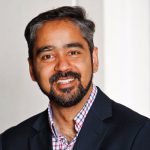
Muhammad Zaman
Director, Center on Forced Displacement, Boston University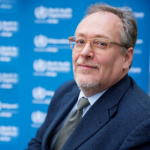
Santino Severoni
Director, Health and Migration Programme, Office of the Deputy Director-General, WHO
Marie Nørredam
Professor, Department of Public Health, University of Copenhagen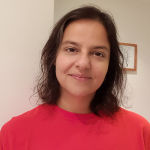
Ayesha Kadir
Senior Humanitarian Health Advisor, Save the Children
Joshua Breslau
Senior Behavioral and Social Scientist, RAND Corporation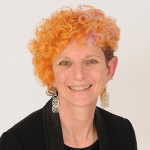
Sana Loue
Professor, Bioethics, Case Western Reserve University School of Medicine
Dr. Zaman is a Howard Hughes Medical Institute Professor of Biomedical Engineering and Global Health at Boston University. He also serves as the Director of Boston University’s Center on Forced Displacement. He received his master’s and P.h.D from the University of Chicago. In addition to five books and over 130 peer-reviewed research articles, Professor Zaman has written extensively on innovation, refugee and global health in newspapers around the world. His newspaper columns have appeared in over 30 countries and have been translated into eight languages. He has won numerous awards for his teaching and research, the most recent being Guggenheim Fellowship (2020) for his work on antibiotic resistance in refugee camps.
Subject Matter Experts
Dr. Severoni is Director of the global Health and Migration Programme, Office of the Deputy Director-General, at the World Health Organization Headquarters in Geneva. He is a medical doctor, health economist, epidemiologist, and experienced systems manager. He has over 24 years of experience as an international senior technical advisor and executive, having worked for WHO, governments, NGOs, and foundations in Eastern Africa, the Balkans, Central Asia, and Europe. He has dedicated his work to global health, focusing on health sector reforms, health systems strengthening, health diplomacy, aid coordination/effectiveness, and management of complex emergencies. He previously served as a WHO Representative in Albania and Tajikistan. Since 2011 he has been leading the WHO EURO work on health and migration. In 2019 he was appointed EURO Special Representative on health & migration and Director a.i. on health systems and public health. In June 2020, he was appointed to his current role to lead the WHO global work on health and migration.
Marie Nørredam is Professor with special responsibilities in the Section of Health Services Research at the University of Copenhagen Department of Public Health. Professor Nørredam’s scientific main interest lies within the field of equity and health, migration and health, and health services research. A particular focus is on the impact of ethnicity and migration on health conditions and access to health care; vulnerable migrant groups; mental health and chronic diseases among migrants.
Ayesha Kadir is a paediatrician and Senior Humanitarian Health Advisor for Save the Children. She works in clinical care, public health research, health policy, and advocacy. Her clinical work is in paediatric emergency medicine and social paediatrics in Europe and in humanitarian settings. Her research, advocacy and policy work focuses on the effects of migration, armed conflict, and other forms of violence on children and families, and in finding effective ways to protect and promote children’s and families’ health, wellbeing, and rights. Dr. Kadir has worked in east, west, and southern Africa, the Middle East, Haiti, western and eastern Europe, and the United States. She has worked with international NGOs, universities, governments and the World Health Organization before starting her current role with Save the Children.
Joshua Breslau is a senior behavioral and social scientist at the RAND Corporation whose work focuses on social and cultural influences on psychiatric disorders and their treatment. An anthropologist and epidemiologist with over two decades of research experience, Breslau’s research examines racial/ethnic disparities in risk for psychiatric disorders and treatment use, life course consequences of psychiatric disorders, and impacts of policy on treatment for people with behavioral health conditions. Breslau’s work has been continuously supported by grants from the National Institutes of Health for over 15 years. He is currently principal investigator of NIH-funded studies of integrated primary and mental health care for adults with serious mental illness and policy impacts on racial/ethnic disparities in behavioral health service use. He also leads the RAND team in the national evaluation of the Certified Community Behavioral Health Centers demonstration project. Breslau has published in leading peer-reviewed journals in psychiatry, public health, pediatrics, and health policy, and he is a fellow and council member of the American Psychopathological Association. He earned his Ph.D. in anthropology from Harvard University and his Sc.D. in epidemiology from Harvard School of Public Health.
Sana Loue, JD, PhD, MPH, MSSA, MA, LISW-S, CST-T, AVT is a professor in the Department of Bioethics at Case Western Reserve University (CWRU) School of Medicine in Cleveland, Ohio. She holds secondary appointments in Psychiatry and Global Health at the School of Medicine and in Social Work at the Mandel School of Applied Social Sciences at CWRU. Dr. Loue practiced immigration law for 14 years prior to joining the faculty of CWRU, focusing primarily on deportation defense and health-related immigration. Dr. Loue served as the School of Medicine’s inaugural Vice Dean for Faculty Development and Diversity from 2012 to 2020. Dr. Loue holds degrees in law (JD), epidemiology (PhD), medical anthropology (PhD), social work (MSSA), secondary education (MA), public health (MPH), theology (MA), and history (MA). Her past research in both the domestic and international contexts has focused on HIV risk and prevention, severe mental illness, family violence, and research ethics. Her current research addresses the interplay between religion, society, and bioethics; the integration of cultural humility into clinical care and research settings; and past and current formulations of eugenics. She has authored or edited more than 30 books and more than 100 peer-reviewed journal articles. Loue has been serving as the editor-in-chief of the Journal of Immigrant and Minority Health (previously titled the Journal of Immigrant Health) since its inception.
Registration
Select the Enroll Me button below to register for this recording. If you have any trouble accessing the recording, contact support@nephtc.org.
Acknowledgement: This project is supported by the Health Resources and Services Administration (HRSA) of the U.S. Department of Health and Human Services (HHS) as part of award 2 UB6HP31685‐05‐00 “Public Health Training Centers.” The contents are those of the author(s) and do not necessarily represent the official views of, nor an endorsement, by HRSA, HHS or the U.S. Government.


Monkeypox: Old Disease, New Fears
How can the public health system promote equitable access to monkeypox vaccine in a community?

Register
Course Information
- Audience: Public Health Professionals
- Format: Recorded Webinar
- Date/Time: Monday, August 29th, 2022
12:00 PM – 1:30 PM ET - Price: Free
- Length: 1.5 hours
- Credential(s) eligible for contact hours: Sponsored by New England Public Health Training Center (NEPHTC), a designated provider of continuing education contact hours (CECH) in health education by the National Commission for Health Education Credentialing, Inc. This program is designated for Certified Health Education Specialists (CHES) and/or Master Certified Health Education Specialists (MCHES) to receive up to 1.5 total Category I continuing education contact hours. Maximum advanced-level continuing education contact hours are 0. Provider ID: 1131137 Event ID: SS1131137_08292022.If you are not seeking a CHES/MCHES contact hours, if you complete the post-test and evaluation, you will receive a Certificate of Completion. The Certificate will include the length of the course.
- Competencies: Public Health Sciences Skills
- Learning Level: Awareness
- Companion Trainings: None
- Supplemental materials:None
- Pre-requisites: None
About this Recording
This program will explore the importance of stopping the spread of monkeypox without encouraging the spread of stigma. Speakers will address both the epidemiological and social challenges posed by the disease, including what we can learn from past disease outbreaks and from the COVID pandemic. As the country grapples with how best to address monkeypox, there is little doubt that doing so requires both an effective public health response and a clear eye on the challenges of stigma that can readily emerge around the disease. Cohosted with The LGBTQIA+ Center for Faculty & Staff and the Center for Emerging Infectious Diseases.
What you'll learn
At the end of the recording, participants will be able to:
- Describe the epidemiology and clinical manifestations of monkeypox
- Discuss the evidence for the nature of person-to-person transmission of monkeypox
- Describe elements of effective identity-based vs. behavior-based messaging for reducing transmission of monkeypox
- Analyze how distribution of monkeypox vaccine relates to racial injustice
- Describe status of research questions that address mechanisms of pathogenesis, routes of transmission, and vaccine efficacy
- Describe limitations in early federal governmental response to monkeypox in terms of policies and recommendations for testing and vaccinations, and opportunities to improve response going forward
Moderator

Craig S. Andrade
@DRCRAIGANDRADE
Associate Dean for Practice, Boston University School of Public Health
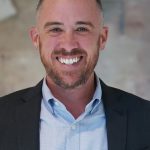
Kellan Baker
@KELLANEBAKER
Executive Director,
Whitman-Walker
Institute
Elle Lett
@ELLELETTMDPHDPostdoctoral Fellow, Computational
Health Informatics Program,
Boston Children's Hospital
Angela Rasmussen
@ANGIE_RASMUSSENResearch Scientist, Vaccine and Infectious Disease Organization, University of Saskatchewan
Sean Cahill
@DRSEANCAHILLDirector,
Health Policy
Research, Fenway Institute,
Adjunct Associate Professor,
Boston University
School of Public
Health
David Hamer
@BUCEIDActing Director, Center for Emerging Infectious Disease Research and Policy,
Professor, Global Health and Medicine, Boston University School of Public Health and School of Medicine
Craig Andrade is Associate Dean of Practice, Director of The Activist Lab, and Associate Professor of Community Health Sciences at Boston University School of Public Health (SPH). In these roles he works to catalyze bold public health practice locally, nationally and globally. Previously Dr. Andrade was the Director of the Bureau of Family Health & Nutrition (BFHN) at the Massachusetts Department of Public Health (DPH). BFHN’s programs include Early Intervention (EI), Pregnancy, Infancy and Early Childhood, Children and Youth with Special Health Needs, Women, Infants and Children (WIC) Nutrition Program, Home Visiting, Title V Maternal and Child Health Block Grant, Breastfeeding Initiative, Birth Defects Surveillance, Universal Newborn Hearing Screening Program, the Office of Data Translation and Birth Defects Research and Prevention. He also served as Director of the Division of Health Access at DPH, helped found the Racial Equity Leadership Team and Cross-Department Racial Equity Collaborative at DPH and was Associate Dean of Health and Wellness and Director of Student Health Services at Wheaton College in Norton, MA. Craig also served as cardiac critical care, public health and adult acute care nurse at Boston Medical Center; nurse manager and head athletic trainer at Buckingham Browne & Nichols School in Cambridge, MA; and was owner/operator of Active Health, a private health and fitness company. Craig is a registered nurse, athletic trainer, licensed massage therapist and strength and condition specialist with masters and doctoral degrees in public health from Boston University School of Public Health.
Subject Matter Experts
Dr. Kellan Baker is the Executive Director of Whitman-Walker Institute, the research, policy, and education arm of Whitman-Walker, a community health system in Washington, DC that also includes Whitman-Walker Health, a Federally Qualified Health Center. Kellan is a health services researcher, educator, and health policy professional with wide expertise in health equity research and policy, particularly with regard to LGBTQ populations. He is a frequent advisor for government and private entities, and he currently serves as an appointed member of a National Academy of Sciences consensus study committee that developed standards for the collection of sex, gender identity, and sexual orientation data by the National Institutes of Health. Kellan holds appointments as affiliate faculty in the Departments of Health Policy and Management at the George Washington University and the Johns Hopkins School of Public Health, and he received his PhD in health policy and management from Johns Hopkins, where he was a Health Policy Research Scholar and Centennial Scholar; an MPH and MA from George Washington University; and a BA with high honors from Swarthmore College.
Dr. Lett is a Black, transgender woman, statistician-epidemiologist and physician-in training. Through her work, she applies the theory and principles of Black feminism to understanding the health impacts of systemic racism, transphobia, and other forms of discrimination on oppressed groups in the United States. She holds a PhD in Epidemiology from the University of Pennsylvania, master’s degrees in Biostatistics and Statistics from Duke University and the Wharton School, respectively, and a bachelor’s degree in Molecular and Cellular Biology from Harvard College. To date, her work has focused on intersectional approaches to transgender health and the health impacts of state-sanctioned violence and other forms of systemic racism. Now, she is turning her focus to algorithmic fairness in clinical prediction models and mitigating systems of inequity in health services provision.
Dr. Rasmussen graduated from Smith College with a BA in Biological Sciences (2000) and received a MA (2005), MPhil (2006), and PhD (2009) in Microbiology and Immunology from Columbia University. She did her postdoctoral fellowship at the University of Washington and previously held faculty positions at the University of Washington and the Columbia Mailman School of Public Health. In addition to her primary appointment at VIDO, Angie is also affiliated with the Georgetown Center for Global Health Science and Security. She is a member of the Verena Consortium, a multi-disciplinary, international effort to predict and study emerging viral pathogens, as well as the Communications Director for the CoVaRR-Net research consortium. She is also a member of the WHO Ad Hoc Expert Committee for Preclinical Models of COVID-19 and sits on the Editorial Boards at Vaccine, mSphere, and Cell Reports. In addition to her research, Dr. Rasmussen is a prolific science communicator on both social media and in the mainstream press, as well as a writer for numerous publications including Forbes, Leaps.org, Slate, Foreign Affairs, the Washington Post, and the New York Times. She is passionate about advocating for equity in biomedical research and public health, and is a member of the US NIH Advisory Committee to the Director Working Group on Changing the Culture to End Sexual Harassment, as well as a faculty mentor for the volunteer science education group Wearing is Caring. She believes strongly that biosecurity and global public health must be collaborative international efforts and is eager to extend this outreach work in Canada and abroad.
Sean Cahill, PhD is Director of Health Policy Research at the Fenway Institute, Adjunct Associate Professor at Boston University School of Public Health, and Affiliate Associate Clinical Professor of Health Sciences at Northeastern University. Cahill serves on the Massachusetts Special Legislative Commission on LGBT Aging, and on the HIV and Aging Policy Action Coalition. An Associate Editor at LGBT Health, Cahill has authored or coauthored over 100 peer-reviewed journal articles, monographs, chapters, and books on LGBTQ+ health, LGBTQ+ public policy issues, and HIV/STI prevention and care.
Davidson Hamer, MD is a Professor of Global Health and Medicine at the Boston University Schools of Public Health and Medicine, the current Acting Director of the Boston University Center for Emerging Infectious Disease Research and Policy, a faculty member in the National Emerging Infectious Diseases Laboratory, and an attending physician in infectious diseases and Director of the Travel Clinic at Boston Medical Center. He is an infectious disease specialist and medical epidemiologist with particular interests in emerging diseases, tropical medicine, travel medicine, infection control, and antimicrobial resistance. Dr. Hamer has been involved in travel medicine for thirty years and from 2014 to 2021, Dr. Hamer served as the principal investigator and, since September 2021, as the Surveillance Lead, of GeoSentinel, a global surveillance network of 71 sites in 29 countries that uses returning travelers, immigrants, and refugees as sentinels of disease emergence and transmission patterns throughout the world. With his collaborators at GeoSentinel, Dr. Hamer has been actively involved in studying the epidemiology of monkeypox and planning a longitudinal study of the serological and virological response to monkeypox in non-endemic populations.
Registration
Select the Enroll Me button below to register for this recording. If you have any trouble accessing the recording, contact support@nephtc.org.
Acknowledgement: This project is supported by the Health Resources and Services Administration (HRSA) of the U.S. Department of Health and Human Services (HHS) as part of award 2 UB6HP31685‐05‐00 “Public Health Training Centers.” The contents are those of the author(s) and do not necessarily represent the official views of, nor an endorsement, by HRSA, HHS or the U.S. Government.


Moving the Needle on the Social Determinants of Health
What are specific actions that can be taken at the local level that will address social determinants of public health in terms of education, criminal justice, family support, economic equality, and other areas? How can public health officials actively support those policies and initiatives?

Register
Course Information
- Audience: Public Health Professionals
- Format: Webinar
- Date/Time: Tuesday, November 9th, 2021 4:30 PM – 5:30 PM EST
- Price: Free
- Length: 1 hour
- Credential(s) eligible for contact hours: Sponsored by New England Public Health Training Center (NEPHTC), a designated provider of continuing education contact hours (CECH) in health education by the National Commission for Health Education Credentialing, Inc. This program is designated for Certified Health Education Specialists (CHES) and/or Master Certified Health Education Specialists (MCHES) to receive up to 1 total Category I continuing education contact hours. Maximum advanced-level continuing education contact hours are 1. Provider ID: 1131137 Event ID: SS1131137_MNSDH.If you are not seeking a CHES/MCHES contact hours, if you complete the post-test and evaluation, you will receive a Certificate of Completion. The Certificate will include the length of the course.
- Competencies: Data Analytics and Assessment Skills
- Learning Level: Awareness
- Companion Trainings: None
- Supplemental materials:None
- Pre-requisites: None
About this Recording
Coincident with recent reports published by the Rockefeller-Boston University 3-D Commission and by the Robert Wood Johnson Foundation, join global experts for a discussion on leading-edge science on social determinants of health—and where we are headed from here. Cohosted with the Robert Wood Johnson Foundation.
What you'll learn
At the end of the recording, participants will be able to:
- Identify 3 themes shared by two recent reports (Rockefeller-Boston University 3-D Commission and Robert Woods Johnson Foundation) on using data to improve public health through understanding social determinants.
- List 3 key actions necessary to advance the recommendations of both reports areas in terms of educating the public health workforce and the general public
- Describe the types of data that can lead to action
- Discuss how COVID-19 pandemic has highlighted problems in health data infrastructure
Subject Matter Experts
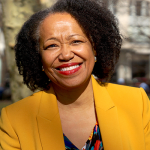
Gail Christopher
Executive Director, National Collaborative
@DRGCCHRISTOPHER
for Health
Equity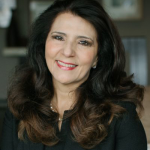
Laura Magaña
@LAURAMAGVALLPresident and CEO Association of Schools
and Programs of
Public Health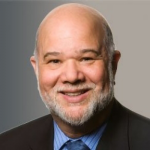
Alonzo Plough
@ALONZOPLOUGHVice President, Research-Evaluation-Learning and Chief Science Officer, Robert Wood Johnson Foundation

Rhitu Chatterjee
@RHITUCMODERATOR
Health Correspondent,
NPR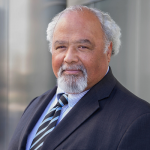
Eric Goosby
@DRERICGOOSBYProfessor of Medicine and Director of Global Health Delivery and Diplomacy, Institute for Global Health Sciences, UC San Francisco
Dr. Gail Christopher is an award-winning social change agent with expertise in the social determinants of health and well-being and in related public policies. She is known for her pioneering work to infuse holistic health and diversity concepts into public sector programs and policy discourse. In her role as the Senior Advisor and Vice President at the W.K. Kellogg Foundation (WKKF), she was the driving force behind the America Healing initiative and the Truth, Racial Healing and Transformation effort. Dr. Christopher also served as Kellogg’s Vice President for Program. In 2015 she received the Terrance Keenan Award from Grantmakers in Health. She chairs the Board of the Trust for America’s Health. In 2019, Dr. Christopher became the Executive Director of the National Collaborative for Health Equity (NCHE).
Dr. Laura Magaña joined the Association of Schools and Programs of Public Health (ASPPH) as President and CEO in August 2017. Under Dr. Magaña’s leadership, ASPPH has continued to advance its mission to strengthen the capacity of members by advancing leadership, excellence, and collaboration for academic public health. During her tenure, ASPPH has significantly grown its global engagement, established an academy for teaching excellence, launched the academic public health leadership institute and enhanced the voice of academic public health through advocacy efforts. Prior to joining ASPPH, Dr. Magaña dedicated more than 35 years to successfully leading the transformation and advancements of public and private universities in Mexico; educational organizations in the USA; United Nations programs; and NGO’s in Central America and Europe. She was most recently the dean of the School of Public Health in Mexico at the ASPPH-member National Institute of Public Health (INSP). Her diverse portfolio features academic publications, educational technological developments many of which relate to learning environments, the use of technology in education, and public health education. She has also been a faculty member and lecturer in diverse universities around the world.
Alonzo Plough joined the Robert Wood Johnson Foundation as chief science officer and vice president, Research-Evaluation-Learning in January 2014. He is responsible for aligning all of the Foundation’s work with the best evidence from research and practice and incorporating program evaluations into organizational learning. He also oversees the two grantmaking portfolios focused on innovation and emerging issues: Pioneer and Global Ideas for U.S. solutions. Plough has been a national leader in public health practice for over 25 years. He came to the Foundation from the Los Angeles County Department of Public Health, where he served as director of emergency preparedness and response from 2009–2013. In that role, he was responsible for the leadership and management of activities protecting the 10 million residents of Los Angeles County from natural disasters and threats related to disease outbreaks and other public health emergencies. He coordinated activities in emergency operations, infectious disease control, risk communication, planning, and community engagement. Prior to this position, Plough served as vice president of strategy, planning and evaluation for The California Endowment from 2005–2009. Before this, he served 10 years as director and health officer for the Seattle and King County Department of Public Health and previously served as director of public health in Boston for eight years. Plough earned his PhD and MA at Cornell University, and his MPH at Yale University School of Medicine’s Department of Epidemiology and Public Health. He has held academic appointments at Harvard University School of Public Health, Tufts University Department of Community Medicine, and Boston University School of Management. He is currently clinical professor of health services at the University of Washington School of Public Health in Seattle. He has been the recipient of numerous awards for public service and leadership and is the author of an extensive body of scholarly articles, books, and book chapters. Plough lives in Princeton and Los Angeles, and is married with two adult sons and two granddaughters. He is a jazz guitarist and vocalist.
Rhitu Chatterjee is a science and health correspondent with National Public Radio. She covers mental health and occasionally other science and health stories. Before starting this position, she was an editor with NPR’s popular blog, The Salt. She edited and reported a range of stories through the lens of food. Prior to coming to NPR in 2016, Rhitu was a New Delhi based multimedia journalist, specializing in global health, development, science and environmental reporting. She also covered gender issues, especially gender violence as well as women and children’s health, as a contributing correspondent with The World, a one-hour public radio program, co-produced by the BBC World Service, Public Radio International and WGBH radio in Boston, as well as with Science magazine. Her work has appeared on popular NPR blogs, like The Salt, Goats & Soda and Shots, and on the radio on shows like NPR’s like Morning Edition and All Things Considered. Her work has also appeared on the BBC World Service’s website and radio show, Boston Calling. Rhitu is also a former science correspondent at PRI’s The World. Her work has been nominated twice for the South Asian Journalism Association’s journalism awards and has been recognized by Gabriel Awards.
Eric Goosby, M.D., is an internationally recognized expert on infectious diseases, with a specialty in HIV/AIDS clinical care, research, and policy. During the Clinton Administration, Dr. Goosby was the founding director of the Ryan White CARE Act, the largest federally funded HIV/AIDS program in the U.S. He went on to become the interim director of the White House’s Office of National AIDS Policy. In the Obama Administration, Dr. Goosby was appointed Ambassador-at-Large and implemented the U.S. President’s Emergency Plan for AIDS Relief (PEPFAR), which significantly expanded under his tenure life-saving HIV treatment to millions in Sub Saharan Africa, SE Asia, and Eastern Europe. After serving as the U.S. Global AIDS Coordinator, he was appointed by the UN Secretary-General as the Special Envoy on Tuberculosis, where he focused on the first-ever UN High-Level Meeting on TB in 2019. He is currently a Professor of Medicine at the UCSF School of Medicine and leading the Center for Global Health Delivery, Diplomacy and Economics, Institute for Global Health Sciences. Additionally, he is a member of the Biden Covid-19 Advisory Board, a member of the Western States Scientific Safety Review Workgroup, and serves on the San Francisco Dept. of Public Health, Policy Group for the COVID-19 Response.
Registration
Select the Enroll Me button below to register for this recording. If you have any trouble accessing the recording, contact support@nephtc.org.
Acknowledgement: This project is/was supported by the Health Resources and Services Administration (HRSA) of the U.S. Department of Health and Human Services (HHS) under grant number UB6HP31685 “Regional Public Health Training Center Program.” This information or content and conclusions are those of the author and should not be construed as the official position or policy of, nor should any endorsements be inferred by HRSA, HHS or the U.S. Government.


Preventing Gun Violence: Next Steps for Academic Public Health
What are the causes and consequences of human migration?

Register
Course Information
- Audience: Public Health Professionals
- Format: Recorded Webinar
- Date/Time: Wednesday, October 11, 2023, 1:00 PM – 2:30 PM ET
- Price: Free
- Length: 1.5 hours
- Credential(s) eligible for contact hours: Sponsored by New England Public Health Training Center (NEPHTC), a designated provider of continuing education contact hours (CECH) in health education by the National Commission for Health Education Credentialing, Inc. This program is designated for Certified Health Education Specialists (CHES) and/or Master Certified Health Education Specialists (MCHES) to receive up to 1.5 total Category I continuing education contact hours. Maximum advanced-level continuing education contact hours are 0. Provider ID: 1131137 Event ID: PM1131137_10262023.
If you are not seeking a CHES/MCHES contact hours, if you complete the post-test and evaluation, you will receive a Certificate of Completion. The Certificate will include the length of the course.
- Competencies: Policy Development and Program Planning Skills
- Learning Level: Awareness
- Companion Trainings: None
- Supplemental materials:None
- Pre-requisites: None
About this Recording
Gun violence is a national public health crisis. As an academic public health community, we have a fundamental role in advancing long-term solutions to this epidemic. This program convened members of the ASPPH Gun Violence Prevention Task Force to discuss actions that we can take, with a focus on four core areas of intervention, including education and training, research, policy and advocacy, and practice. This event was cohosted with the Association of Schools and Programs of Public Health (ASPPH).
What you'll learn
At the end of the recording, participants will be able to:
- Discuss the availability of firearms in the United States and how it relates to suicide risk and death rate.
- Using an intersectional lens, describe the spectrum of gun violence and the ways in which it affects different populations, immediately and over time.
- Describe how successful public health interventions can inform our approach to preventing and mitigating gun violence.
Moderator

Jennifer Mascia
Senior News Writer, The Trace

Linda Degutis
Lecturer, Yale University School of Public Health
Laura Magaña
President & CEO, ASPPH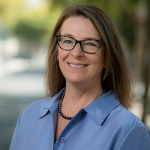
Corinne Peek-Asa
Vice Chancellor for Research, UC San Diego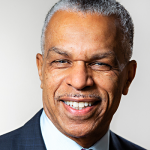
John A. Rich
Professor, Bioethics, Case Western Reserve University School of Medicine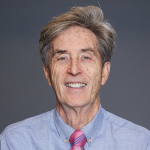
David Hemenway
Director, Harvard Injury Control Research Center; Professor of Health Policy, Harvard T.H. Chan School of Public Health
Jennifer is a senior news writer and founding staffer at The Trace. She previously covered gun violence at The New York Times. In her decade on this beat, she’s covered community gun violence, the intersection of domestic violence and guns, and the growing role of firearms in public life. She currently presides over the Ask The Trace series and tracks news developments on the gun beat.
Subject Matter Experts
Dr. Degutis, a native of Chicago, received her Bachelor of Science degree from DePaul University, and her MSN and DrPH from Yale University. She is a consultant in injury and violence prevention and policy, public health preparedness, and public health policy. Some of her current work focuses on suicide prevention in veterans, and firearm violence prevention, as well as public health practice. She is former Executive Director of Defense Health Horizons, a program of the Henry M. Jackson Foundation for the Advancement of Military Medicine, based at the Uniformed Services University. In addition, she was the Chief Science Officer for The Avielle Foundation. She chaired the Board of the Pacific Institute for Research and Evaluation (PIRE), is past president of the Society for the Advancement of Violence and Injury Research (SAVIR), and a member of the Advisory Board of the College of Science and Health of DePaul University. She currently chairs the board of the Stop Abuse Campaign. Previously, she was the Director of the National Center for Injury Prevention and Control at the CDC. At Yale, she was Associate Professor of Emergency Medicine and Public Health and was the Director and Co-PI of the Yale Center for Public Health Preparedness, which designed and implemented education in disaster preparedness, response and recovery. She served as a Robert Wood Johnson Health Policy Fellow in the Office of the late Senator Paul Wellstone (D-MN). She is a Past President of the American Public Health Association (APHA), the oldest and largest public health association in the world. Dr. Degutis, a member of the National Academy of Medicine, received a the Lifetime Achievement Award from the Robert Wood Johnson Health Policy Fellowship Alumni, has received the Distinguished Career and Public Service Awards from the Injury Control and Emergency Health Services Section of APHA, and was named an Honorary Fellow of the Royal Society for Public Health. Her work has focused on public health policy, injury and violence, gun violence prevention, suicide prevention substance abuse and policy, as well as disaster preparedness and mitigation.
Dr. Laura Magaña is the President and CEO of the Association of Schools and Programs of Public Health (ASPPH). Under Dr. Magaña’s leadership, ASPPH has continued to advance its mission to advance academic public health by mobilizing the collective power of its members to drive excellence and innovation in education, research, and practice. During her tenure, ASPPH has strengthened academic public health research through the Data Center, launched the academic public health leadership institute, and enhanced the voice of academic public health through advocacy efforts. She expanded the association’s global reach by welcoming international members and led ASPPH to join with other regional associations that represent schools and programs of public health around the world to found the Global Network for Academic Public Health, which enhances academic public health worldwide through mutual learning and collaborations between academic public health institutions globally. Dr. Magaña has also launched five strategic initiatives to address critical issues in public health as part of ASPPH’s Vision 2030: Dismantling Racism in Academic Public Health, Climate Change and Health, Framing the Future 2030, Gun Violence Prevention and the ASPPH Workforce Development Center. Prior to joining ASPPH, Dr. Magaña dedicated more than 35 years to successfully leading the transformation and advancements of public and private universities in Mexico; educational organizations in the United States; United Nations programs; and nongovernmental organizations in Central America and Europe. She was most recently the dean of the School of Public Health in Mexico at the ASPPH-member National Institute of Public Health (INSP). She has also been a faculty member and lecturer at universities around the world. Dr. Magaña’s diverse portfolio features 90 academic publications and educational technological developments—many of which relate to learning environments, the use of technology in education, and public health education. She frequently speaks with universities, partners, and at national and international conferences on issues such as social determinants of health, health equity, the future of education for public health, the public health workforce, and critical issues in global public health.
Corinne Peek-Asa, Ph.D. is the Vice Chancellor for Research (VCR) overseeing the Office of Research Affairs (ORA) which plays a key role in the university’s billion-dollar research enterprise. VCR Peek-Asa guides the university’s research mission to provide the vision and support for our faculty, staff, postdoctoral scholars, and students to excel in scholarship, research and discovery, and ensure that our campus has the research administration structure needed for such a thriving research portfolio. Dr. Peek-Asa also oversees the UC San Diego Office of Innovation and Commercialization, which supports broad campus initiatives to accelerate integration of innovation activities with research, education, and engagement. VCR Peek-Asa is also a professor with distinction of epidemiology at UC San Diego. She was formerly the Associate Dean for Research in the College of Public Health and the William Battershell Distinguished Professor at the University of Iowa. Her research focuses on the epidemiology, implementation, and translation of programs and policies to prevent acute traumatic injuries and violence. She directs an NIH-funded International Trauma and Violence Research Training Program and was the Director of the CDC-funded Injury Prevention Research Center from 2004 to 2020. VCR Peek-Asa is an elected member of the National Academy of Medicine andco-chairs the NAM Accelerating Progress in Traumatic Brain Injury Forum. She was a 2010 ResearchAmerica! Public Health Hero. Her firearm violence prevention research has included policy evaluation; causal epidemiology research on firearm use in homicide, assault, and suicide; cost studies; and, surveillance research. The impact of VCR Peek-Asa’s work to reduce the burden of traumatic injury and violence led to numerous public health advancements, local and federal policies, and prevention programs.
Dr. John A. Rich is the director of the RUSH BMO Institute for Health Equity, a part of the Rush University System for Health. The RUSH BMO Institute coordinates health equity programs across the University System for Health and within its diverse communities. Prior to his appointment at RUSH, Dr. Rich was a professor and former Chair of the Department of Health Management and Policy at the Drexel Dornsife University School of Public Health. He was also the Co-Director of the Drexel Center for Nonviolence and Justice, a multidisciplinary effort to address violence and trauma to improve physical and mental health. Dr. Rich’s work has focused on issues of urban violence and trauma and health disparities, particularly as they affect the health of men of color. Dr. Rich is also an expert in qualitative research methods and narrative analysis. In 2006, Dr. Rich was granted a MacArthur Foundation Fellowship. In awarding this distinction, the Foundation cited his work to design “new models of healthcare that stretch across the boundaries of public health, education, social service, and justice systems to engage young men in caring for themselves and their peers.” Prior to joining Drexel University, Dr. Rich served as the Medical Director of the Boston Public Health Commission where he led the city’s initiatives on Men’s Health, Cancer, Cardiovascular Health and Health Disparities. As a primary care doctor at Boston Medical Center, he created the Young Men’s Health Clinic and initiated the Boston HealthCREW, a program to train inner city young men as peer health educators. His book about urban violence titled Wrong Place, Wrong Time: Trauma and Violence in the Lives of Young Black Men (The Johns Hopkins University Press, 2009) has drawn critical acclaim. Dr. Rich earned his AB degree in English from Dartmouth College, his MD from Duke University School of Medicine, and his MPH from the Harvard School of Public Health. He completed his internship and residency in primary care internal medicine at the Massachusetts General Hospital in Boston, and a fellowship in general internal medicine at the Harvard Medical School. In 2009, Dr. Rich was elected to the National Academy of Medicine of the National Academy of Sciences.
David Hemenway, Ph.D., Professor of Health Policy, is Director of the Harvard Injury Control Research Center. He formerly spent a week each year at the University of Vermont as a James Marsh Visiting Professor-at-Large. Dr. Hemenway teaches classes on injury and on economics. At HSPH he has won ten teaching awards as well as the inaugural community engagement award. Dr. Hemenway has written widely on injury prevention, including articles on firearms, violence, suicide, child abuse, motor vehicle crashes, fires, falls and fractures. He headed the pilot for the National Violent Death Reporting System, which provides detailed and comparable information on suicide and homicide. In 2012 he was recognized by the Centers for Disease Control & Prevention as one of the “twenty most influential injury and violence professionals over the past twenty years.” In articles on insurance, Dr. Hemenway described a general reason why low-risk individuals often buy insurance, and coined the term “propitious selection.” Recent economic studies have focused on empirically determining which goods are more and less positional (e.g., bought largely to “keep up with the Joneses”). An early statistics article, Why Your Classes are Larger than Average, has been anthologized in various mathematical collections. Dr. Hemenway has written five books. Industrywide Voluntary Product Standards (1975) describes the role of voluntary standards and standardization in the U.S. economy. Monitoring and Compliance: the Political Economy of Inspection (1985) describes the importance of inspection processes in ensuring that regulations are followed, and the reasons the system often fails. Prices and Choices (3rd edition) (1993) is a collection of twenty-six of his original essays applying microeconomic theory to everyday life. Private Guns Public Health (2006, 2017) describes the public health approach to reducing firearm violence, and summarizes the scientific studies on the firearms and health. While You Were Sleeping: Success Stories in Injury and Violence Prevention (2009) describes more than sixty successes, and over thirty heroes who have made the world safer. This readable book helps answer the questions “What is public health?” and “What is the public health approach?” To read more about this ode to public health, click here for Dr. Hemenway’s book blog.
Registration
Select the Enroll Me button below to register for this recording. If you have any trouble accessing the recording, contact support@nephtc.org.
Acknowledgement: This project is supported by the Health Resources and Services Administration (HRSA) of the U.S. Department of Health and Human Services (HHS) as part of award 2 UB6HP31685‐05‐00 “Public Health Training Centers.” The contents are those of the author(s) and do not necessarily represent the official views of, nor an endorsement, by HRSA, HHS or the U.S. Government.


Preventing the Next Pandemic, Session 1: What Did We Get Right and What Did We Get Wrong?
A major lesson learned from the COVID experience is how critical coordination and collaboration in all realms have been. How can public health practitioners and researchers promote that within and across disciplines to prepare for the next pandemic?

Register
Course Information
- Audience: Public Health Professionals
- Format: Recorded Webinar
- Date/Time: Friday, April 8th, 2022
10:30 PM – 12:00 PM EST - Price: Free
- Length: 1.5 hours
- Credential(s) eligible for contact hours: Sponsored by New England Public Health Training Center (NEPHTC), a designated provider of continuing education contact hours (CECH) in health education by the National Commission for Health Education Credentialing, Inc. This program is designated for Certified Health Education Specialists (CHES) and/or Master Certified Health Education Specialists (MCHES) to receive up to 1.5 total Category I continuing education contact hours. Maximum advanced-level continuing education contact hours are 0. Provider ID: SS1131137_PNP1.If you are not seeking a CHES/MCHES contact hours, if you complete the post-test and evaluation, you will receive a Certificate of Completion. The Certificate will include the length of the course.
- Competencies: Leadership and Systems Thinking Skills
- Learning Level: Awareness
- Companion Trainings: Preventing the Next Pandemic, Session 2: How Do We Reduce the Risk of Another Pandemic and Also Prepare for Another?
- Supplemental materials:None
- Pre-requisites: None
About this Recording
COVID-19 has readily made the point that the era of infectious diseases is far from over. And there are good reasons to think that with increasing urbanization and climate change, more large outbreaks and pandemics are in store. As we move away from an emergency response to dealing with the lasting impacts of COVID-19, it is critical that we learn the lessons around what we did well and what we did poorly and develop clear plans for preventing, where possible, and mitigating the impact of, when not, any future pandemic. Cohosted with the Boston University Center for Emerging Infectious Disease Policy and Research.
What you'll learn
At the end of the recording, participants will be able to:
- Discuss lessons learned about the role of clinical research and clinical research infrastructure related to development and testing of COVID therapeutics and vaccine development
- Describe current state of evidence of the origin of the COVID virus and the ramifications of understanding the specific origin
- Describe how well lessons learned from previous infectious disease outbreaks (e.g., H1N1, SARS, Ebola) informed response to COVID
- Discuss the ramifications of different societal approaches to COVID across the range of personal autonomy and responsibility through collective action
Moderator

Nahid Bhadelia
@BHADELIAMD
Director, Boston University Center for Emerging Infectious Diseases Policy and Research; Associate Director, National Emerging Infectious Diseases Laboratories
Natalie Dean
@NATALIEXDEAN
Assistant Professor, Department of Biostatistics, Rollins School of Public Health, Emory University
Angela Rasmussen
@ANGIE_RASMUSSEN
Research Scientist, Vaccine and Infectious Disease Organization, University of Saskatchewan
Maria Sundaram
@MARIASUNDARAM
Associate Research Scientist, Center for Clinical Epidemiology and Population Health, Marshfield Clinic Research Institute
Rajeev Venkayya
@RVENKAYYA
Chief Executive Officer, Aerium Therapeutics; Board Member, Coalition for Epidemic Preparedness Innovations (CEPI)
Dr. Bhadelia is the founding director of BU Center for Emerging Infectious Diseases Policy and Research and an associate director of the National Emerging Infectious Diseases Laboratories (NEIDL), a state-of-the-art maximum containment research facility at BU. She is a board-certified infectious diseases physician and an internationally recognized leader in highly communicable and emerging infectious diseases (EIDs) with clinical, field, academic, and policy experience in pandemic preparedness and response. Over the last decade, Dr. Bhadelia designed and served as the medical director of the Special Pathogens Unit (SPU), a medical unit designed to care for patients with highly communicable diseases, and a state designated Ebola Treatment Center. She has prior and ongoing experience in health system response to pathogens such as H1N1, Zika, Lassa fever, Marburg virus disease, and COVID-19 at the state, national, and global levels, including medical countermeasure evaluation, diagnostic positioning, infection control policy development, and healthcare worker training. Dr. Bhadelia serves on state, national, and interagency groups focused on biodefense priority setting, development of clinical care guidelines, and medical countermeasures research. She has served as a subject matter expert to the US Centers for Disease Control and Prevention, Department of Defense (DoD), and World Bank.
Subject Matter Experts
Dr. Natalie Dean (CAS’09) is an Assistant Professor in the Department of Biostatistics and Bioinformatics and in the Department of Epidemiology at Emory’s Rollins School of Public Health. She received her PhD in Biostatistics from Harvard University, and previously worked as a consultant for the WHO’s HIV Department and as faculty at the University of Florida. Her primary research area is infectious disease epidemiology and study design, with a focus on developing innovative trial and observational study designs for evaluating vaccines during public health emergencies. She has previously worked on Ebola, Zika, dengue, chikungunya, and now COVID-19. She received the 2020 Provost Excellence Award for Assistant Professors at University of Florida. In addition to research, she has been active in public engagement during the COVID-19 pandemic. She is verified on Twitter with over 120k followers and has authored pieces in outlets such as the Washington Post, New York Times, and Stat News. Dr. Dean is also a proud alum of Boston University, receiving her bachelors in Biology and Mathematics/Statistics from the College of Arts and Sciences.
Dr. Angela (Angie) Rasmussen, PhD is a virologist at the Vaccine and Infectious Disease Organization (VIDO) at the University of Saskatchewan. Her research focuses on the role of the host response in viral pathogenesis, with a particular interest in emerging viruses that are or have the potential to be major threats to global health, such as avian influenza, dengue virus, Ebola virus, MERS-CoV, and SARS-CoV-2. Her work combines classical experimental virology and animal models with systems biology approaches to study the global response to infection and how that contributes to pathogenesis or protection from emerging pathogens. Dr. Rasmussen graduated from Smith College with a BA in Biological Sciences (2000) and received a MA (2005), MPhil (2006), and PhD (2009) in Microbiology and Immunology from Columbia University. She did her postdoctoral fellowship at the University of Washington and previously held faculty positions at the University of Washington and the Columbia Mailman School of Public Health. In addition to her primary appointment at VIDO, Angie is also affiliated with the Georgetown Center for Global Health Science and Security. She is a member of the Verena Consortium, a multi-disciplinary, international effort to predict and study emerging viral pathogens, as well as the Communications Director for the CoVaRR-Net research consortium. She is also a member of the WHO Ad Hoc Expert Committee for Preclinical Models of COVID-19 and sits on the Editorial Boards at Vaccine, mSphere, and Cell Reports. In addition to her research, Dr. Rasmussen is a prolific science communicator on both social media and in the mainstream press, as well as a writer for numerous publications including Forbes, Leaps.org, Slate, Foreign Affairs, the Washington Post, and the New York Times. She is passionate about advocating for equity in biomedical research and public health, and is a member of the US NIH Advisory Committee to the Director Working Group on Changing the Culture to End Sexual Harassment, as well as a faculty mentor for the volunteer science education group Wearing is Caring. She believes strongly that biosecurity and global public health must be collaborative international efforts and is eager to extend this outreach work in Canada and abroad.
Maria Sundaram, MSPH, PhD is an infectious disease epidemiologist and Associate Research Scientist in the Center for Clinical Epidemiology and Population Health at the Marshfield Clinic Research Institute. Her research focuses on respiratory viruses and the vaccines that prevent them, as well as vaccine promotion and policy. Her research has included estimating influenza vaccine effectiveness with the CDC-based US Influenza Vaccine Effectiveness Network, and describing the epidemiology of RSV in young children and older adults in rural areas. More recently, her research showed COVID-19 testing inequities had the potential to create bias in COVID-19 vaccine effectiveness estimates. She is also a weekly guest expert on the BBC World Service’s radio program Outside Source, where she answers listener questions about SARS-CoV-2, COVID-19, and vaccines.
Dr. Rajeev Venkayya is the CEO of Aerium Therapeutics, a venture-backed co. developing therapeutics against SARS-CoV-2 and other viruses with pandemic potential. He was the President of the Global Vaccine Business Unit at Takeda Pharmaceutical Company Ltd, a position he held until February 2022, where he led a vertically-integrated business developing vaccines for dengue and Zika. He also oversaw partnerships with the Japanese Government to supply COVID-19 and pandemic influenza vaccines. Dr. Venkayya serves as an independent member of the board of the Coalition for Epidemic Preparedness Innovations and the International AIDS Vaccine Initiative (IAVI) and is a life member of the Council on Foreign Relations. While at Takeda, he served as a member of the National Institutes of Health (NIH) Accelerating COVID-19 Therapeutic Interventions and Vaccines (ACTIV) Leadership Team, a public-private partnership to prioritize and speed development of the most promising treatments and vaccines. Prior to joining Takeda, Venkayya served as director of Vaccine Delivery at the Bill and Melinda Gates Foundation’s Global Health Program and served on the board of Gavi, the Vaccine Alliance. Before that, he was special assistant to the president for Biodefense at the White House. In this capacity, he oversaw US preparedness for bioterrorism and biological threats and was responsible for the development and implementation of the National Strategy for Pandemic Influenza. Venkayya trained in pulmonary and critical care medicine at the University of California, San Francisco, where he also served on the faculty. He was resident and chief medical resident in internal medicine at the University of Michigan.
Registration
Select the Enroll Me button below to register for this recording. If you have any trouble accessing the recording, contact support@nephtc.org.
Acknowledgement:
This project is/was supported by the Health Resources and Services Administration (HRSA) of the U.S. Department of Health and Human Services (HHS) under grant number UB6HP31685 “Regional Public Health Training Center Program.” This information or content and conclusions are those of the author and should not be construed as the official position or policy of, nor should any endorsements be inferred by HRSA, HHS or the U.S. Government.


Preventing the Next Pandemic, Session 2: How Do We Reduce the Risk of Another Pandemic and Also Prepare for Another?
How can we ensure that we prepare for the next pandemic by broadening the approach past the infectious disease scientists – i.e., by including political scientists, behavioral scientists, local public health practitioners, health educators, journalists, community leaders, etc?

Register
Course Information
- Audience: Public Health Professionals
- Format: Recorded Webinar
- Date/Time: Friday, April 8th, 2022
12:30 PM – 2:00 PM EST - Price: Free
- Length: 1.5 hours
- Credential(s) eligible for contact hours: Sponsored by New England Public Health Training Center (NEPHTC), a designated provider of continuing education contact hours (CECH) in health education by the National Commission for Health Education Credentialing, Inc. This program is designated for Certified Health Education Specialists (CHES) and/or Master Certified Health Education Specialists (MCHES) to receive up to 1.5 total Category I continuing education contact hours. Maximum advanced-level continuing education contact hours are 0. Provider ID: SS1131137_PNP2.If you are not seeking a CHES/MCHES contact hours, if you complete the post-test and evaluation, you will receive a Certificate of Completion. The Certificate will include the length of the course.
- Competencies: Data Analytics and Assessment Skills
- Learning Level: Awareness
- Companion Trainings: Preventing the Next Pandemic, Session 1: What Did We Get Right and What Did We get Wrong?
- Supplemental materials:None
- Pre-requisites: None
About this Recording
COVID-19 has readily made the point that the era of infectious diseases is far from over. And there are good reasons to think that with increasing urbanization and climate change, more large outbreaks and pandemics are in store. As we move away from an emergency response to dealing with the lasting impacts of COVID-19, it is critical that we learn the lessons around what we did well and what we did poorly and develop clear plans for preventing, where possible, and mitigating the impact of, when not, any future pandemic. Cohosted with the Boston University Center for Emerging Infectious Disease Policy and Research.
What you'll learn
At the end of the recording, participants will be able to:
- Identify 6 key elements of preparedness for a future pandemic
- Identify priorities to strengthen global clinical research capacities
- Identify current World Health Organization (WHO) activities intended to enhance surveillance, testing capacity, and public health intelligence
- Describe inequitable access to COVID vaccine and ideas to improve equitable access to medical countermeasures in future pandemics
- Describe ideas to improve health care system resilience in the event of a pandemic
- Discuss ideas to improve population-scale risk modeling, analytics, and forecasting
- Describe characteristics of rural communities that make them particularly susceptible to effects of pandemics
Moderator

Matthew Fox
@PROFMATTFOX
Professor in the Departments of Epidemiology and Global Health, Boston University School of Public Health
Krutika Kuppalli
@KRUTIKAKUPPALLIMedical Officer for COVID-19 Health Operations, Epidemic and Pandemic Preparedness and Prevention, Health Emergencies Program, World Health Organization

Jeffrey Shaman
Professor,
Department of Environmental
Health Sciences,
Columbia University Mailman School of Public Health

Megan Ranney
@MEGANRANNEY
Professor of
Emergency Medicine, Alpert Medical
School; Academic Dean, School of Public
Health, Brown University

Tara Smith
@AETIOLOGY
Professor of Epidemiology, Kent State University
Matthew Fox, (SPH’02,’07) DSc, MPH, is a Professor in the Departments of Epidemiology and Global Health at Boston University. Dr. Fox joined Boston University in 2001. His research interests include treatment outcomes in HIV-treatment programs, infectious disease epidemiology (with specific interests in HIV and pneumonia), and epidemiologic methods. Dr. Fox works on ways to improve retention in HIV-care programs in South Africa from the time of testing HIV-positive through long-term treatment. As part of this work, he is involved in analyses to assess the impact of changes in South Africa’s National Treatment Guidelines for HIV. Dr. Fox also does research on quantitative bias analysis and co-authored a book on these methods, Applying Quantitative Bias Analysis to Epidemiologic Data (http://www.springer.com/public+health/book/978-0-387-87960-4). He is also the host of a public health journal club podcast called Free Associations designed to help people stay current in the public health literature and think critically about the quality of research studies (https://bit.ly/30fPApj) and a podcast on Epidemiologic Methods called SERious Epi (https://seriousepi.blubrry.net/). He currently teaches a third-level epidemiologic methods class, Advanced Epidemiology as well as two other doctoral level epidemiologic methods courses. Dr. Fox is a graduate of the Boston University School of Public Health with a master’s degree in epidemiology and biostatistics and a doctorate in epidemiology.
Subject Matter Experts
Krutika Kuppalli, MD, FIDSA is a Medical Officer for COVID-19 Health Operations in the Department of Epidemic and Pandemic Preparedness and Prevention in the Health Emergencies Program at the World Health Organization. She completed her Internal Medicine residency and Infectious Diseases fellowship at Emory University, a Post-Doctoral Fellowship in Global Public Health at the University of California, San Diego and was an Emerging Leader in Biosecurity Fellow at the Johns Hopkins Center for Health Security. Dr. Kuppalli currently serves on the American Society of Tropical Medicine and Hygiene (ASTMH) Trainee Committee and is the Chair of the Infectious Diseases Society of America (IDSA) Global Health Committee. Dr. Kuppalli was previously a Fogarty International Clinical Research Fellow and conducted research in Southern India to understand barriers to care and how emerging infections impacted individuals living with HIV/AIDS. She was the medical director of a large Ebola Treatment Unit in Sierra Leone during the 2014 West Africa Ebola outbreak, helped lead the development and implementation of pandemic response preparedness activities in resource limited settings, and has consulted on the development of therapeutics for emerging pathogens. Her clinical and research interests focus on health systems strengthening in resource limited settings, research and clinical care for emerging infections, outbreak preparedness and response, and policy. She has worked in Ethiopia, India, Sierra Leone, Uganda, and Haiti.
Jeffrey Shaman is a Professor in the Department of Environmental Health Sciences and Director of the Climate and Health Program at the Columbia University Mailman School of Public Health. He studies the survival, transmission and ecology of infectious agents, including the effects of meteorological and hydrological conditions on these processes. Work-to-date has primarily focused on mosquito-borne and respiratory pathogens. He uses mathematical and statistical models to describe, understand, and forecast the transmission dynamics of these disease systems, and to investigate the broader effects of climate and weather on human health.
Dr. Ranney is an emergency physician, researcher, and national advocate for innovative approaches to public health. She holds the Warren Alpert Endowed Professor of Emergency Medicine at Alpert Medical School of Brown University and is Founding Director of the Brown-Lifespan Center for Digital Health. She is also the Academic Dean at the School of Public Health at Brown University. Dr. Ranney’s research focus is on developing, testing, and disseminating digital health interventions to prevent violence and mental illness. She has had continuous external funding from federal and foundation grants for over a decade, with over 130 peer-reviewed publications. She serves multiple national leadership roles, including co-founder and Senior Strategic Advisor for AFFIRM at the Aspen Institute (http://www.affirmresearch.org), a non-profit committed to ending the gun violence epidemic through a non-partisan public health approach, and President of the Board of GetUsPPE.org, a start-up non-profit that delivered donated personal protective equipment to those who needed it most. She is a Fellow of the fifth class of the Aspen Institute’s Health Innovators Fellowship Program and a member of the Aspen Global Leadership Network. She has received numerous awards for technology innovation, public health, and research, including Rhode Island “Woman of the Year” and the American College of Emergency Physicians’ Policy Pioneer Award. She is also a frequent media commentator on outlets ranging from the BBC to CNN to the New York Times. Dr. Ranney earned her bachelor’s degree in History of Science, graduating summa cum laude, from Harvard University; her medical doctorate, graduating Alpha Omega Alpha, from Columbia University; and her master’s in public health from Brown University. She completed her residency in Emergency Medicine and a fellowship in Injury Prevention Research at Brown University. She was previously a Peace Corps Volunteer in Cote d’Ivoire. She lives in Rhode Island with her husband and two children.
Dr. Smith’s research generally focuses on zoonotic infections (infections which are transferred between animals and humans). She has published over 100 peer-reviewed papers and book chapters, focusing on the epidemiology and transmission of livestock-associated Staphylococcus aureus and science communication. She has received over $3 million in funding from AHRQ, USDA, and NIOSH to carry out these studies. She has presented her research at numerous national and international platforms, including talks on Capitol Hill on the topic of agriculture and antibiotic resistance. Her work has been profiled in many major publications, including Science, Nature, and The New York Times, as well as in “Superbug: the Fatal Menace of MRSA” by Maryn McKenna and “Pig Tales: an Omnivore’s Quest for Sustainable Meat” by Barry Estabrook. Dr. Smith is also very active in science communication and outreach. She has written books on Group A Streptococcus, Group B Streptococcus, and Ebola. She also co-edited “Ebola’s Message,” published in 2016 with MIT Press. She writes about infectious disease for many outlets, including Slate, the Washington Post, SELF magazine, Quanta, NBC News, and Foreign Affairs. She serves as a member of the advisory board of the Zombie Research Society. She lives in rural Ohio with her partner and children.
Registration
Select the Enroll Me button below to register for this recording. If you have any trouble accessing the recording, contact support@nephtc.org.
Acknowledgement: This project is/was supported by the Health Resources and Services Administration (HRSA) of the U.S. Department of Health and Human Services (HHS) under grant number UB6HP31685 “Regional Public Health Training Center Program.” This information or content and conclusions are those of the author and should not be construed as the official position or policy of, nor should any endorsements be inferred by HRSA, HHS or the U.S. Government.


Stopping Suicide: A Population Health Approach to Preventing Suicide
PANEL 1: Understanding Suicide
What is known about the causes of suicide, risk factors and high risk populations in 2020?

Register
Course Information
- Audience: Public health workforce interested in suicide causes, evidence and prevention
- Format: Recorded Seminar/Webinar
- Date/Time: Recorded Thursday, October 1, 2020 4:30 PM - 6:00 PM ET
- Price: Free
- Length: 1.5 hours
- Credential(s) eligible for contact hours: Sponsored by New England Public Health Training Center (NEPHTC), a designated provider of continuing education contact hours (CECH) in health education by the National Commission for Health Education Credentialing, Inc. This program is designated for Certified Health Education Specialists (CHES) and/or Master Certified Health Education Specialists (MCHES) to receive up to 1 total Category I continuing education contact hour. Maximum advanced-level continuing education contact hour is 1. Provider ID: SS1131137, Event ID: SS1131137_SSPAN1.
If you are not seeking CHES/MCHES contact hours, if you complete the evaluation, you will receive a Certificate of Completion. The Certificate will include the length of the course. - Competencies: Community Dimensions of Practice Skills and Public Health Sciences Skills
- Learning Level: Awareness
- Companion Trainings: Stopping Suicide: A Population Health Approach to Preventing Suicide
PANEL 2: Stopping Suicide
Stopping Suicide: A Population Health Approach to Preventing Suicide PANEL 3: Addressing Suicide
- Supplemental materials: None
- Pre-requisites: None
About this Seminar Recording
This is the first part in a three-part symposium on suicide at BUSPH. BUSPH symposia are conversations about things that affect the health of populations. We know that economic stressors, such as those from COVID, are linked to suicide. How can we as a public health practice community mitigate these issues in coming years?
Note: This seminar was developed and recorded by BUSPH. Our Dean’s Signature Programs bring speakers to our campus to engage in thoughtful conversations about the pressing issues of public health. They are open to our entire community, designed to inform, stimulate, and encourage groundbreaking discussion.
What you'll learn
At the end of the seminar recording, participants will be able to:
- List 6 factors associated with higher suicide rates in geographic regions across the United States
- Discuss the comparative efficacy of suicide prevention strategies that focus on getting individuals into treatment vs. reducing access to lethal means
- Describe Thomas Joiner’s Interpersonal Theory of Suicide
- Discuss harm reduction activities aimed at reducing suicide by firearms
- Discuss factors that influence differing rates of suicide among African-Americans
- Describe methods for identifying at-risk individuals useful in healthcare settings
- Identify risk factors – related both to the individual and the campus environment – for suicide among college students
Moderator
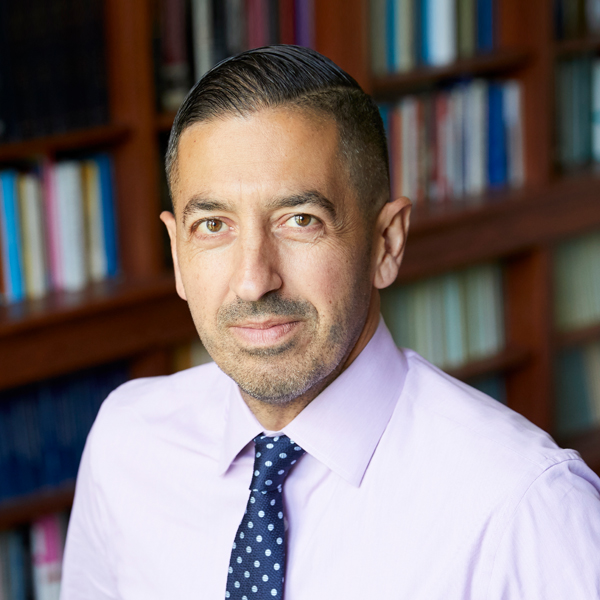
Sandro Galea, MD, DrPH
Dean and Robert A. Knox Professor, BU SPH
Amy Barnhorst
Vice Chair, Community Psychiatry, UC Davis
Jennifer Stuber
Associate Professor, University of Washington

Rheeda Walker
Professor, University of Houston
Matt Nock
Professor of Psychology, Harvard University

Sarah Lipson
Assistant Professor, Boston University

Lynn Jolicoeur
Producer and Reporter, WBUR
Sandro Galea, a physician, epidemiologist, and author, is dean and Robert A. Knox Professor at Boston University School of Public Health. He previously held academic and leadership positions at Columbia University, the University of Michigan, and the New York Academy of Medicine. He has published extensively in the peer-reviewed literature, and is a regular contributor to a range of public media, about the social causes of health, mental health, and the consequences of trauma. He has been listed as one of the most widely cited scholars in the social sciences. He is chair of the board of the Association of Schools and Programs of Public Health and past president of the Society for Epidemiologic Research and of the Interdisciplinary Association for Population Health Science. He is an elected member of the National Academy of Medicine. Galea has received several lifetime achievement awards. Galea holds a medical degree from the University of Toronto, graduate degrees from Harvard University and Columbia University, and an honorary doctorate from the University of Glasgow.
Subject Matter Experts
Sarah Ketchen Lipson, PhD, EdM is an assistant professor in the Department of Health Law Policy and Management at the Boston University School of Public Health. She is co-Principal Investigator of the Healthy Minds Study and Associate Director of the Healthy Minds Network. Dr. Lipson's research focuses on understanding and addressing mental health inequalities in adolescent and young adult populations, especially college students. She employs varied methodologies, including large-scale epidemiological surveys and population-level interventions. Her work has been featured in the Boston Globe, New York Times, Huffington Post, and on NPR. Dr. Lipson teaches Research Theory and Design and Applied Studies in Health Services Research, and is faculty director of the Master's of Science in Health Services and Systems Research at BUSPH. Dr. Lipson completed a dual PhD at University of Michigan in Health Services Organization and Policy at the School of Public Health and Higher Education at the School of Education, where she was awarded best dissertation of the year. She holds a master’s from Harvard University and was a Fulbright scholar. She received her bachelor’s degree from Tufts University where she graduated with honors.
Lynn Jolicoeur is a field producer, reporter and editor at WBUR. As field producer, she researches and writes host interview segments and feature stories on a vast array of topics for the signature early-evening news program, All Things Considered. Lynn also reports for the station’s local broadcasts (with some stories airing nationally on NPR, as well). She has developed beats covering mental illness and homelessness. She has reported in depth on efforts to end chronic homelessness, the weaknesses in the system for sheltering and housing adults experiencing homelessness, and the effects of the coronavirus pandemic on the homeless population. Lynn has become passionate about reporting on the issue of suicide. In 2015 she produced and reported a 15-part, yearlong series on the suicide crisis. Prior to working at WBUR, Lynn was a television reporter for 18 years – most recently at Boston’s WCVB-TV Channel 5. She covered areas from crime and the justice system to politics, medicine, and social issues.
Registration
Select the Enroll Me button below to register for this seminar recording. If you have any trouble accessing the recording, contact support@nephtc.org.
Acknowledgement: This project is/was supported by the Health Resources and Services Administration (HRSA) of the U.S. Department of Health and Human Services (HHS) under grant number UB6HP31685 “Regional Public Health Training Center Program.” This information or content and conclusions are those of the author and should not be construed as the official position or policy of, nor should any endorsements be inferred by HRSA, HHS or the U.S. Government.
* Yale School of Public Health, Office of Public Health Practice, a New England Public Health Training Center partner, is a designated provider of continuing education contact hours (CECH) in health education by the National Commission for Health Education Credentialing, Inc. All CHES credit inquiries are managed by YSPH


Stopping Suicide: A Population Health Approach to Preventing Suicide
PANEL 2: Stopping Suicide
What are the evidence based priorities and strategies for addressing suicide at the population level?


Register
Course Information
- Audience: Public health workforce interested in suicide causes, evidence and prevention
- Format: Recorded Seminar/Webinar
- Date/Time: Recorded Thursday, October 8, 2020 4:30 PM - 6:00 PM ET
- Price: Free
- Length: 1.5 hours
- Credential(s) eligible for contact hours: Sponsored by New England Public Health Training Center (NEPHTC), a designated provider of continuing education contact hours (CECH) in health education by the National Commission for Health Education Credentialing, Inc. This program is designated for Certified Health Education Specialists (CHES) and/or Master Certified Health Education Specialists (MCHES) to receive up to 1 total Category I continuing education contact hour. Maximum advanced-level continuing education contact hour is 1. Provider ID: SS1131137, Event ID: SS1131137_SSPAN2.
If you are not seeking CHES/MCHES contact hours, if you complete the evaluation, you will receive a Certificate of Completion. The Certificate will include the length of the course. - Competencies: Public Health Sciences Skills
- Learning Level: Awareness
- Companion Trainings: Stopping Suicide: A Population Health Approach to Preventing Suicide
PANEL 1: Understanding Suicide
Stopping Suicide: A Population Health Approach to Preventing Suicide PANEL 3: Addressing Suicide - Supplemental materials: None
- Pre-requisites: None
About this Seminar Recording
This is the second part in a three-part symposium on suicide at BUSPH, including two keynotes. BUSPH symposia are conversations about things that affect the health of populations. These keynotes aim to address the persistent and daunting challenge of suicide. We are bringing top experts in the world to discuss causes and potential ways to prevent suicide to improve the health of populations.
Note: This seminar was developed and recorded by BUSPH. Our Dean’s Signature Programs bring speakers to our campus to engage in thoughtful conversations about the pressing issues of public health. They are open to our entire community, designed to inform, stimulate, and encourage groundbreaking discussion.
What you'll learn
At the end of the seminar recording, participants will be able to:
- Describe the history of goals set by global agencies for prevention of suicide and the trends in suicide over time.
- Describe association of suicide rates and geographic region, gender, race, age, and income level
- Identify elements of WHO’s Live Life, evidence-based recommendations for suicide prevention
- Discuss the NIMH suicide prevention priorities in health care to achieve 2025 goal of reducing suicide by 20%
- Describe the experience of at least two evidence-based interventions (e.g., fast-acting therapeutics; long-term interventions in childhood (e.g., good behavior game))
- Discuss how to use risk identification strategies to target preventative interventions
Moderator

Sandro Galea, MD, DrPH
Dean and Robert A. Knox Professor, BU SPH

Josh Gordon
Director, National
Institute of
Mental Health
Devora Kestel
Director, WHO Dept. of Mental Health and Substance Abuse
Sandro Galea, a physician, epidemiologist, and author, is dean and Robert A. Knox Professor at Boston University School of Public Health. He previously held academic and leadership positions at Columbia University, the University of Michigan, and the New York Academy of Medicine. He has published extensively in the peer-reviewed literature, and is a regular contributor to a range of public media, about the social causes of health, mental health, and the consequences of trauma. He has been listed as one of the most widely cited scholars in the social sciences. He is chair of the board of the Association of Schools and Programs of Public Health and past president of the Society for Epidemiologic Research and of the Interdisciplinary Association for Population Health Science. He is an elected member of the National Academy of Medicine. Galea has received several lifetime achievement awards. Galea holds a medical degree from the University of Toronto, graduate degrees from Harvard University and Columbia University, and an honorary doctorate from the University of Glasgow.
Subject Matter Experts
Dévora Kestel is a senior mental health policy specialist with more than twenty five years of international experience in Europe, the Caribbean and Latin America, implementing and advising governments on national policies related to mental health systems. She is a strong advocate for the rights of people with mental health issues.
Ms Kestel obtained her MSc in Psychology from the Universidad Nacional de La Plata, in Argentina and her MSc in Public Health at the London School of Hygiene and Tropical Medicine, UK. After completing her university studies in Argentina she worked for 10 years in the development and supervision of community-based mental health services in Trieste, Italy. In 2000 she joined the World Health Organization (WHO) as a mental health officer first in Kosovo and then in Albania where she became the WHO Representative to Albania. In both countries, she worked closely with the Ministries of Health to help establish comprehensive community-based mental health systems.
In 2007 Ms Kestel joined the Pan American Health Organization (PAHO/WHO) as the Sub-regional Mental Health Advisor for the English Speaking Caribbean Countries, based in Barbados. In 2011 Ms. Kestel was appointed to the position of the Regional Mental Health Advisor, at the headquarters in Washington DC, providing technical cooperation in the mental health field to the entire region. In 2015 she became the Unit Chief for Mental Health and Substance Use at PAHO/WHO. Over the years, Ms. Kestel has contributed to and co-authored to publications in the area of mental health.
Since 2019 Ms Kestel is the WHO Director of the Department of Mental Health and Substance Use.
Registration
Select the Enroll Me button below to register for this seminar recording. If you have any trouble accessing the recording, contact support@nephtc.org.
Acknowledgement: This project is/was supported by the Health Resources and Services Administration (HRSA) of the U.S. Department of Health and Human Services (HHS) under grant number UB6HP31685 “Regional Public Health Training Center Program.” This information or content and conclusions are those of the author and should not be construed as the official position or policy of, nor should any endorsements be inferred by HRSA, HHS or the U.S. Government.
* Yale School of Public Health, Office of Public Health Practice, a New England Public Health Training Center partner, is a designated provider of continuing education contact hours (CECH) in health education by the National Commission for Health Education Credentialing, Inc. All CHES credit inquiries are managed by YSPH


Stopping Suicide: A Population Health Approach to Preventing Suicide
PANEL 3: Addressing Suicide
What are the ways to prevent suicide?

Register
Course Information
- Audience: Public health workforce interested in suicide causes, evidence and prevention
- Format: Recorded Seminar/Webinar
- Date/Time: Recorded Thursday, October 15, 2020 4:30 PM - 6:00 PM ET
- Price: Free
- Length: 1.5 hours
- Credential(s) eligible for contact hours: Sponsored by New England Public Health Training Center (NEPHTC), a designated provider of continuing education contact hours (CECH) in health education by the National Commission for Health Education Credentialing, Inc. This program is designated for Certified Health Education Specialists (CHES) and/or Master Certified Health Education Specialists (MCHES) to receive up to 1 total Category I continuing education contact hour. Maximum advanced-level continuing education contact hour is 1. Provider ID: SS1131137, Event ID: SS1131137_12102020.
If you are not seeking CHES/MCHES contact hours, if you complete the evaluation, you will receive a Certificate of Completion. The Certificate will include the length of the course. - Competencies: Public Health Sciences Skills
- Learning Level: Awareness
- Companion Trainings: Stopping Suicide: A Population Health Approach to Preventing Suicide
PANEL 1: Understanding Suicide
Stopping Suicide: A Population Health Approach to Preventing Suicide PANEL 2: Stopping Suicide - Supplemental materials: None
- Pre-requisites: None
About this Seminar Recording
This is the third part in a three-part symposium on suicide at BUSPH. BUSPH symposia are conversations about things that affect the health of populations. The first two parts looked at the research on causes and evidence around suicide prevention. Given the research, the relatively little progress public health has made on suicide, and worries during this time of economic and social stressors, this part of the symposia explores what public health can do to prevent suicide.
Note: This seminar was developed and recorded by BUSPH. Our Dean’s Signature Programs bring speakers to our campus to engage in thoughtful conversations about the pressing issues of public health. They are open to our entire community, designed to inform, stimulate, and encourage groundbreaking discussion.
What you'll learn
At the end of the seminar recording, participants will be able to:
- List 5 protective factors that are associated with reduced risk of suicide in youth
- Discuss importance of partnerships with faith communities in the prevention of suicide
- Describe effects of stigma and their possible interventions across levels of analysis (individual, interpersonal, structural) on suicide risk among LGBTQ youth
- List 5 community-based (“non-medical) intervention strategies that have been shown to be effective in preventing suicide
- Discuss possible reasons and potential interventions for elevated risk of suicide post-discharge from hospitalization for suicidality
- Discuss the association of suicide risk and the COVID pandemic and possible interventions to address it
Moderator
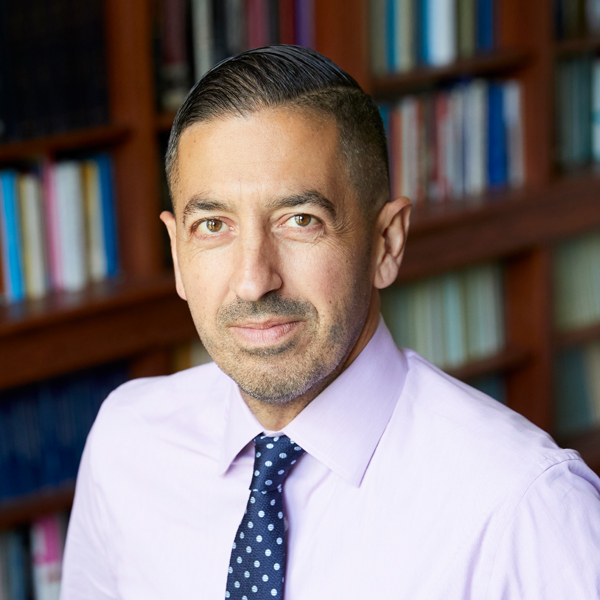
Sandro Galea, MD, DrPH
Dean and Robert A. Knox Professor, BU SPH

Sherry Molock
Associate Professor, George Washington University
Mark Hatzenbuehler
Associate Professor, Harvard
University
Lisa Wexler
Professor,
University of
Michigan
Natalie Riblet
Assistant Professor, Dartmouth Geisel School of Medicine
Julia Raifman
Assistant Professor, Boston
University
Jaimie Gradus
Associate Professor, Boston University School of Public Health
Sandro Galea, a physician, epidemiologist, and author, is dean and Robert A. Knox Professor at Boston University School of Public Health. He previously held academic and leadership positions at Columbia University, the University of Michigan, and the New York Academy of Medicine. He has published extensively in the peer-reviewed literature, and is a regular contributor to a range of public media, about the social causes of health, mental health, and the consequences of trauma. He has been listed as one of the most widely cited scholars in the social sciences. He is chair of the board of the Association of Schools and Programs of Public Health and past president of the Society for Epidemiologic Research and of the Interdisciplinary Association for Population Health Science. He is an elected member of the National Academy of Medicine. Galea has received several lifetime achievement awards. Galea holds a medical degree from the University of Toronto, graduate degrees from Harvard University and Columbia University, and an honorary doctorate from the University of Glasgow.
Subject Matter Experts
Mark L. Hatzenbuehler, PhD, is the John L. Loeb Associate Professor of the Social Sciences in the Department of Psychology at Harvard. He was previously an Associate Professor (with tenure) and Deputy Chair for Faculty Development and Research Strategy in the Department of Sociomedical Sciences at Columbia. Dr. Hatzenbuehler received his PhD in clinical psychology from Yale and completed his post-doctoral training in population health at Columbia, where he was a Robert Wood Johnson Foundation Health & Society Scholar. Dr. Hatzenbuehler’s work examines the role of stigma in shaping population health inequalities, with a particular focus on the mental health consequences of structural forms of stigma. His research has been continuously funded by the National Institutes of Health, the Centers for Disease Control and Prevention, and through the William T. Grant Foundation Scholars Program. He has received several early career and distinguished contribution awards from the Society for the Psychological Study of Social Issues, the American Psychological Association, and the Association for Psychological Science. In 2019, he was one of only 204 social scientists named to the prestigious Highly Cited Researcher List by Clarivate Analytics in recognition of his research influence, as demonstrated by the production of multiple highly-cited papers that rank in the top 1% by citations for field and year in Web of Science. Dr. Hatzenbuehler is an elected fellow of the Academy of Behavioral Medicine Research, the premier honorary organization for scientists working at the interface of behavior and medicine, and he has been appointed to serve on two consensus committees at the National Academies of Sciences, Engineering, and Medicine.
Lisa Wexler, Ph.D., MSW is a Professor in the School of Social Work and at the Institute for Social Research at the University of Michigan, and her research focuses on suicide prevention, wellness/resilience and praxis. Her community-engaged research engages participants in all levels of the process, responds to cultural and community priorities, and builds on and promotes personal and collective assets. Currently, she is working with community partners test the efficacy of a community mobilization approach to suicide prevention for rural Indigenous communities. The intervention, Promoting Community Conversations About Research to End Suicide (PC CARES), showed great promise in a pilot in Northwest Alaska (R34 MH096884) with results that showed learning and behavior change in attendees as well as close associates of participants. The ripple effect is important, and will be further tested in a larger trial in Bering Strait (R01 MH112458)( see: http://www.pc-cares.org/). Dr. Wexler with Drs. Rasmus and Allen (U19 MH113138) are working to identify vital community targets associated with reduced youth suicide risk within 3 rural and remote regions of Alaska. The study is a central component of a center called, Alaska Native Collaborative Hub for Research on Resilience (ANCHRR) (see: https://www.anchrr.org/). Her school-based research utilizes Intergenerational Dialogue Exchange and Action (IDEA)—a participatory research method—to engage young people in efforts to find local strengths, skills and wisdom through cross-generational and community-based investigations that—through the effort–enhance youth possibilities for action and strengthen their social connections within and outside of their home communities. Lastly, she has been working with tribal partners to develop a firearm lethal means restriction intervention called the Family Safety Net, which is a universal, clinic-based brief intervention to increase home safety. These various projects integrate Indigenous knowledge and participation in research to address local needs while maximizing the study’s public health impact.
Natalie Riblet is a staff psychiatrist at the White River Junction VA Medical Center, where she has both clinical and research roles. She graduated with an MD from Dartmouth Medical School in 2008 and an MPH from Dartmouth in 2012. She completed her residencies at Dartmouth, including general preventive medicine and public health in 2012 as well as general psychiatry in 2014. After completing a VA fellowship in Patient Safety in 2016, she completed a VA New England Early Research Career Development Award in 2019. As part of this VISN1 CDA, she developed a VA adaptation of the successful World Health Organization Brief Intervention and Contact Program. She is currently an assistant professor of psychiatry and of the Dartmouth Institute at the Geisel School of Medicine at Dartmouth.
In Natalie’s current research roles, she is focused on identifying and testing interventions to prevent death by suicide. This work is supported through funding from the Veterans Rural Health Resource Center White River Junction and the National Center for Patient Safety Center of Inquiry Program. Natalie was also recently awarded a VA Clinical Science Research & Development (CSR&D) Career Development Award. As part of the award period, Natalie will study a suicide prevention intervention that builds off of her prior work with the goal of improving social connectedness and engagement in treatment after psychiatric hospitalization.
Julia Raifman, ScD, SM conducts research on how health and social policies drive population health and health disparities. Much of her current work is focused on evaluating how state and federal policy responses to the COVID-19 pandemic and economic crisis are shaping the spread of COVID-19 and mental distress during the pandemic. She created the COVID-19 U.S. State Policy Database (CUSP) to facilitate widespread, rapid response research on how state policies are affecting health and well-being: https://tinyurl.com/statepolicies. Prior to the COVID-19 pandemic, her research includes analyses on associations between LGBT rights and mental distress and on associations between state firearm policies and adolescent suicide. She also conducts research on how structural stigma and structural racism shape disparities in the burden of infectious diseases such as HIV and COVID-19. Dr. Raifman's research has been covered in the New York Times, The Guardian, National Public Radio, and The Advocate. Dr. Raifman teaches Quantitative Methods for Health Services and Policy Research. She enjoys mentoring and is committed to promoting the success of diverse students. Dr. Raifman received her doctoral and masters degree from the Harvard T.H. Chan School of Public Health and completed a post-doctoral fellowship at Johns Hopkins prior to joining Boston University.
Jaimie L. Gradus is an Associate Professor Epidemiology at Boston University School of Public Health and an Associate Professor of Psychiatry at Boston University School of Medicine. She received her BA in psychology from Stony Brook University, her MPH with a concentration in epidemiology and biostatistics and DSc in epidemiology at Boston University and her DMSc at Aarhus University. Dr. Gradus's research interests are in the epidemiology of trauma and trauma-related disorders, with a particular focus on suicide outcomes. She was the winner of the 2009 Lilienfeld Student Prize from the Society for Epidemiologic Research for her paper on the association between PTSD and death from suicide in the population of Denmark. Dr. Gradus has been the recipient of multiple National Institute of Mental Health and foundation grant awards to conduct psychiatric epidemiologic research in both veterans and the general population.
Registration
Select the Enroll Me button below to register for this seminar recording. If you have any trouble accessing the recording, contact support@nephtc.org.
Acknowledgement: This project is/was supported by the Health Resources and Services Administration (HRSA) of the U.S. Department of Health and Human Services (HHS) under grant number UB6HP31685 “Regional Public Health Training Center Program.” This information or content and conclusions are those of the author and should not be construed as the official position or policy of, nor should any endorsements be inferred by HRSA, HHS or the U.S. Government.
* Yale School of Public Health, Office of Public Health Practice, a New England Public Health Training Center partner, is a designated provider of continuing education contact hours (CECH) in health education by the National Commission for Health Education Credentialing, Inc. All CHES credit inquiries are managed by YSPH


Tackling Climate Change: Mitigation or Adaptation
How can we present climate change science as “kitchen table” issues that resonate with the public, policymakers, and decision makers?

Register
Course Information
- Audience: Public health workforce, emergency management, health care workers, human services, agricultural workers, community leaders, and others interested in climate change.
- Format: Recorded Webinar
- Date/Time: Recorded Wednesday, February 10, 2021 1:00 PM - 2:30 PM
- Price: Free
- Length: 1.5 hours
- Credential(s) eligible for contact hours: Sponsored by New England Public Health Training Center (NEPHTC), a designated provider of continuing education contact hours (CECH) in health education by the National Commission for Health Education Credentialing, Inc. This program is designated for Certified Health Education Specialists (CHES) and/or Master Certified Health Education Specialists (MCHES) to receive up to 1 total Category I continuing education contact hour. Maximum advanced-level continuing education contact hour is 1. Provider ID: 1131137
Event ID: SS1131137_TCCMA.
If you are not seeking a CHES/MCHES contact hours, If you complete the evaluation, you will receive a Certificate of Completion. The Certificate will include the length of the course. - Competencies: Policy Development and Program Planning Skills
- Learning Level: Awareness
- Companion Trainings: None
- Supplemental materials: None
- Pre-requisites: None
About this Recording
The global climate has changed profoundly over the last century and now threatens the health and well-being of families and communities around the world. With continued climate change we can expect to see more severe and more frequent extreme weather events such as heat waves, wildfires, hurricanes, and floods. The global community must move quickly to avoid the worst impacts of climate change, but there are multiple ways to do so with no clear “one size fits all” solution. This program will ask, should future efforts focus on facilitating large scale mitigation efforts, helping communities and individuals adapt to a changing climate, or do we simply need more research? This year’s Bicknell Lecture will highlight the threats to human health posed by climate change and host a vibrant dialogue with leading experts on how to most productively move forward to address this global challenge.
What you'll learn
At the end of the recording, participants will be able to:
- List three criteria to assess level of international commitment to achieve net-zero carbon emissions by 2050
- Discuss importance of effective communication strategies to influence policy makers regarding climate change
- Discuss the role of economic investment in addressing climate change and strategies to engage investors in changing the management of their portfolios
Moderator

Gregory Wellenius
Professor, Boston University School of Public Health
Gregory Wellenius, ScD leverages his training in epidemiology, environmental health, and human physiology to lead research focused on assessing the human health impacts of the built environment in the context of a rapidly changing climate. His team has made a number of notable contributions to our understanding of the health risks associated with air pollution, noise pollution, other features of our physical environment, and those posed by a changing climate. A key goal of his team’s research is to provide the actionable scientific evidence needed to ensure that our communities are as resilient, sustainable, and healthy as possible, emphasizing the benefits to human health of climate change mitigation and adaptation efforts.
Before coming to Boston University, Dr. Wellenius served as faculty and Director of Brown University’s Center for Environmental Health and Technology and Elected Councilor of the International Society for Environmental Epidemiology (ISEE). He has previously taught courses on epidemiology methods, climate change and human health, and methods in environmental epidemiology. He has a strong track record of mentoring undergraduate students, graduate students and post-doctoral fellows. Dr. Wellenius is the 2019 recipient of the ISEE Tony McMichael Mid-Term Career Award and the 2018 recipient of the Dean’s Award for Excellence in Teaching from the Brown University School of Public Health.
Subject Matter Experts
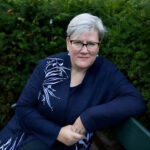
Rachel Kyte
Dean,
Fletcher School
at
Tufts University
Marshall Shepherd
Professor of Geography and Atmospheric Sciences, University of Georgia

Anne Simpson
Managing Investment Director, Board Governance & Sustainability, CalPERS

Madeleine Thomson
Head, Our Planet, Our Health program at Wellcome Trust
Registration and Contact Hours
Select the Enroll button below to register for this recording. If you have any trouble accessing the recording, contact support@nephtc.org.
Acknowledgement: This project is/was supported by the Health Resources and Services Administration (HRSA) of the U.S. Department of Health and Human Services (HHS) under grant number UB6HP31685 “Regional Public Health Training Center Program.” This information or content and conclusions are those of the author and should not be construed as the official position or policy of, nor should any endorsements be inferred by HRSA, HHS or the U.S. Government.
* Yale School of Public Health, Office of Public Health Practice, a New England Public Health Training Center partner, is a designated provider of continuing education contact hours (CECH) in health education by the National Commission for Health Education Credentialing, Inc. All CHES credit inquiries are managed by YSPH


The Double Bottom Line
How does compassionate leadership benefit not only the organization and individual employees, but the leaders themselves?


Register
Course Information
- Audience: Public Health Professionals
- Format: Webinar
- Date/Time: Thursday, October 7th, 2021 4:30 PM – 5:45 PM EST
- Price: Free
- Length: 1.25 hours
- Credential(s) eligible for contact hours: Sponsored by New England Public Health Training Center (NEPHTC), a designated provider of continuing education contact hours (CECH) in health education by the National Commission for Health Education Credentialing, Inc. This program is designated for Certified Health Education Specialists (CHES) and/or Master Certified Health Education Specialists (MCHES) to receive up to 1 total Category I continuing education contact hours. Maximum advanced-level continuing education contact hours are 1. Provider ID: 1131137 Event ID: SS1131137_DBL
If you are not seeking a CHES/MCHES contact hours, if you complete the post-test and evaluation, you will receive a Certificate of Completion. The Certificate will include the length of the course.
- Competencies: Leadership and Systems Thinking Skills
- Learning Level: Awareness
- Companion Trainings: None
- Supplemental materials:None
- Pre-requisites: None
About this Recording
Donato Tramuto’s new book, The Double Bottom Line: How Compassionate Leaders Captivate Hearts and Deliver Results explores the importance of compassion as the leading force to advance the well-being of a business and its people. Tramuto defines a new model of leadership, identifies the secrets of successful leaders who win hearts and deliver results, and examines how to cultivate more compassionate people.
What you'll learn
At the end of the recording, participants will be able to:
- Define compassionate leadership
- Identify the two most important ingredients in practicing compassionate leadership
- Provide examples of the value of compassionate leadership in businesses and institutions in building the bottom line
- Discuss the importance of storytelling and “storylistening” in meaningful connection within an organization and with the external world
- Describe lessons learned from the pandemic in working in and leading an organization
Subject Matter Experts

Donato Tramuto
Founder of the
@DONATOTRAMUTO
Tramuto Foundation
and Health
eVillages
Maria Bustos (SPH '18)
MODERATOR, Regional Market Access Manager, Neuroscience LATAM, The Janssen Pharmaceutical Companies of Johnson & Johnson
Donato J. Tramuto is the author of THE DOUBLE BOTTOM LINE: How Compassionate Leaders Captivate Hearts and Deliver Results (Fast Company Press, Jan 2022). He is a global health activist, former CEO of Tivity Health, and founder of the Tramuto Foundation and Health eVillages. He has nearly four decades of business leadership experience and is most notable for his ability to balance transactional and transformational leadership within organizations. He has launched two successful start-ups, successfully lead the turnaround of a public healthcare company, and has executed innovative programs leading to sustainable business results through his Compassionate Leadership approach. Tramuto was the recipient of the prestigious Robert F. Kennedy Ripple of Hope Award in 2014 and the 2017 Robert F. Kennedy Embracing His Legacy Award. The New York Times has recognized Tramuto as “a global health activist.” His first book, LIFE’S BULLDOZER MOMENTS: How Adversity Leads to Success in Life and Business, was published in 2016.
Maria Camila Bustos MD MPH, a BUSPH’18 graduate with concentrations in Healthcare Management and Pharmaceuticals, was the first recipient of a Tramuto Foundation Scholarship for International Students in 2017. After graduation, Maria returned to Bogotá Colombia working initially as an independent consultant for health economics studies on efficient resource management for high-cost diseases in the country and capacity building on public health policy. Soon after, she joined the pharmaceutical industry in market access roles generating evidence-based communication and strategies to make novel treatments accessible. Always with a public health lens and a collaborative spirit in all her endeavors to create a positive impact on the social aspects of health, in her recent years as Value & Access Manager for Amgen Colombia, Maria led public-private value-based partnerships across the country to improve quality care and the patient experience in oncology, hematology and bone health with a focus on the elderly. Today Maria works for Janssen, as Regional Market Access Manager for Neuroscience in LATAM, based in Bogotá. Her current challenge is achieving access to new therapies for neurodegeneration and mental health disorders in Latin America. A region of constrained budgets and widespread social inequities, where compassionate leadership will be needed to shape a stronger commitment of health systems to these pressing issues.
Registration
Select the Enroll Me button below to register for this recording. If you have any trouble accessing the recording, contact support@nephtc.org.
Acknowledgement: This project is/was supported by the Health Resources and Services Administration (HRSA) of the U.S. Department of Health and Human Services (HHS) under grant number UB6HP31685 “Regional Public Health Training Center Program.” This information or content and conclusions are those of the author and should not be construed as the official position or policy of, nor should any endorsements be inferred by HRSA, HHS or the U.S. Government.



Course Information
- Audience: Public Health Professionals
- Format: Recorded Webinar
- Date/Time: Wednesday, April 23, 2023, 12:00 PM – 1:30 PM ET
- Price: Free
- Length: 1.5 hours
- Credential(s) eligible for contact hours: Sponsored by New England Public Health Training Center (NEPHTC), a designated provider of continuing education contact hours (CECH) in health education by the National Commission for Health Education Credentialing, Inc. This program is designated for Certified Health Education Specialists (CHES) and/or Master Certified Health Education Specialists (MCHES) to receive up to 1.5 total Category I continuing education contact hours. Maximum advanced-level continuing education contact hours are 0. Provider ID: 1131137 Event ID: SS1131137_TFPHPART1.
If you are not seeking CHES/MCHES contact hours, if you complete the evaluations, you will receive a Certificate of Completion. The Certificate will include the length of the course.
- Competencies: Policy Development and Program Planning Skills
- Learning Level: Awareness
- Companion Trainings: The Future of Population Health (Part 2)
The Future of Population Health (Part 3) - Supplemental materials:None
- Pre-requisites: None
About this Recording
This conversation is the first program in a three-part series convening contributing authors from The Milbank Quarterly’s special issue celebrating its 100th anniversary, titled, “The Future of Population Health: Challenges and Opportunities."
The second session is “Population Health: Major Challenges” and the final session, “Policy, Governance, and Structural Determinants of Health.”
What you'll learn
At the end of the recording, participants will be able to:
Discuss the future of population health and the challenges we face as scholars, practitioners and policy makers
Explain the paradox of primary care and the implications of primary care in population health
Analyze the interacting roles of social policy, the healthcare system, and public health practice in population mental health
Describe the three core principles of racism and health and what they mean for our work
Moderator

Jamie Ducharme
Health Correspondent, Time
-
Jamie Ducharme is a correspondent at TIME magazine, where she covers health and science. Her work has won awards from the New York Press Club, the Deadline Club, and the Newswomen’s Club of New York. Previously, she was the health editor at Boston magazine. Her first book, Big Vape: The Incendiary Rise of Juul, was published by Henry Holt on May 25, 2021. It’s a deep-dive into the e-cigarette company Juul Labs and an exploration of the complicated search for an alternative to cigarettes.
Subject Matter Experts

Kurt Stange
Director, Center for Community Health Integration; Distinguished University Professor, Case Western Reserve University
Joshua M. Sharfstein
Vice Dean for Public Health Practice and Community Engagement; Bloomberg American Health Initiative;
Kushal Kadakia
M.D. Candidate,
Harvard Medical School
Beth McGinty
Division Chief, Health Policy and Economics, Weill Cornell Medical College
Tiffany N. Ford
Postdoctoral Fellow, Economic Studies, Brookings Institution;
Kurt C. Stange, MD, PhD is a family and public health physician who serves as Director of the Center for Community Health Integration (CHI). In that role, he is working to quietly nurture research and development for community health and for integrated, personalized care, and to develop the capacity for shared learning for collective impact. At Case Western Reserve University, he is a Distinguished University Professor and is the Dorothy Jones Weatherhead Professor of Medicine, and Professor of Family Medicine & Community Health, Population & Quantitative Health Sciences, Oncology, Sociology, and General Medical Sciences. For the Cleveland Clinical & Translational Science Collaborative he serves as a co-leader of the Community & Collaboration Shared Resource, and for the Case Comprehensive Cancer Center he is co-director of the Multimethod Cancer Outcomes Shared Resource. With Rebecca Etz, PhD at Virginia Commonwealth University, he serves as co-director of the Larry A. Green Center for the Advancement of Primary Health Care for the Public Good. The Green Center is working to measure what matters in family medicine and primary care. He is an American Cancer Society Clinical Research Professor, editor for the Annals of Family Medicine and serves as chair-elect for the Board of OCHIN a not-for-profit health information and innovation network. At the Nova Institute for Health, he is a Scholar. He practices at Neighborhood Family Practice a federally-qualified community health center in Cleveland, Ohio. He is working on Promoting Health Across Boundaries and is active in multimethod, participatory research and development that aims to understand and improve primary health care and community health. Recently he has been working to develop system science models that allow the complexity of primary health care and community health to be understood and acted upon. He has conducted many mixed methods quality improvement trials in health care, and research and demonstration projects at the interface between health care and community health. His research and development work has been funded by the National Institutes of Health, Agency for Health Care Research & Quality, Patient-Centered Outcomes Research Institute, Robert Wood Johnson Foundation, Cleveland Foundation, and others. He is a member of the Academy of Medicine of the US National Academy of Sciences.
Dr. Sharfstein is Vice Dean for Public Health Practice and Community Engagement, director of the Bloomberg American Health Initiative, and Professor of the Practice in Health Policy and Management. Previously, he served as the Secretary of the Maryland Department of Health and Mental Hygiene, the Principal Deputy Commissioner of the U.S. Food and Drug Administration, as Commissioner of Health for Baltimore City, and as health policy advisor for Congressman Henry A. Waxman. He is an elected member of the National Academy of Medicine and the National Academy of Public Administration.
Mr. Kadakia is an M.D. candidate at Harvard Medical School. Prior to medical school, he worked on delivery system transformation across the public (CMS, FDA, NC Medicaid), and private (Google Health, Cleveland Clinic London, Blue Cross NC) sectors. Kushal’s research has been published in journals such as NEJM and JAMA, and his writings on health care reform have been featured in outlets such as Harvard Business Review and STAT News. Originally from Houston, Texas, Kushal graduated summa cum laude from Duke University with degrees in biology and public policy as a Truman Scholar, and earned master’s degrees in epidemiology and history from the University of Oxford as a Rhodes Scholar.
Dr. Beth McGinty studies how health policies affect vulnerable populations with complex health and social needs, including people experiencing mental illness, substance use disorder, chronic pain, and others. Her work is characterized by integrating approaches from the fields of public policy, health economics, and implementation science to understand how policies affect population health. Dr. McGinty’s research has been funded by NIH, CDC, and foundations including the Commonwealth Fund and Arnold Ventures. She has served on multiple prominent advisory groups including a United Nations technical consultation panel on stigma reduction and drug use, a White House Task force on suicide prevention, and on the Joseph R. Biden campaign behavioral health committee. Dr. McGinty holds a Master of Science from Columbia University and a doctorate in health and public policy from Johns Hopkins Bloomberg School of Public Health. Prior to joining Weill Cornell Medicine in 2022, she was a professor and the associate chair for research and practice in the Department of Health Policy and Management at the Johns Hopkins Bloomberg School of Public Health, as well as the director of the Johns Hopkins Center for Mental Health and Addiction Policy and the Johns Hopkins ALACRITY Center for Health and Longevity in Mental Illness.
Tiffany N. Ford, MPH, PhD conducts mixed methods well-being research that examines gendered racism in the health, economic, and social lives of Black people in the United States and considers how racism operates via policy, governance, and social norms to unequally distribute the things we need to be well. Ford earned her PhD in Policy Studies from the University of Maryland College Park, is an alum of the UIC School of Public Health Community Health Sciences division, and completed her undergraduate training at the University of Miami. Dr. Ford’s policy writing is informed by her power-building and sharing relationships with community-based organizations, community-led coalitions, and individuals most impacted by structural oppression. These ongoing connections inform her work which traverses the social and structural determinants of health and well-being and policy interventions to advance health equity at institutional, systems, local, and state levels.
Registration
Select the Enroll Me button below to register for this recording. If you have any trouble accessing the recording, contact support@nephtc.org.
Acknowledgement: This project is supported by the Health Resources and Services Administration (HRSA) of the U.S. Department of Health and Human Services (HHS) as part of award 2 UB6HP31685‐05‐00 “Public Health Training Centers.” The contents are those of the author(s) and do not necessarily represent the official views of, nor an endorsement, by HRSA, HHS or the U.S. Government.



Course Information
- Audience: Public Health Professionals
- Format: Recorded Webinar
- Date/Time: Thursday, April 27, 2023, 12:00 PM – 1:30 PM ET
- Price: Free
- Length: 1.5 hours
- Credential(s) eligible for contact hours: Sponsored by New England Public Health Training Center (NEPHTC), a designated provider of continuing education contact hours (CECH) in health education by the National Commission for Health Education Credentialing, Inc. This program is designated for Certified Health Education Specialists (CHES) and/or Master Certified Health Education Specialists (MCHES) to receive up to 1.5 total Category I continuing education contact hours. Maximum advanced-level continuing education contact hours are 0. Provider ID: 1131137 Event ID: SS1131137_TFPHPART2.
If you are not seeking CHES/MCHES contact hours, if you complete the evaluations, you will receive a Certificate of Completion. The Certificate will include the length of the course.
- Competencies: Policy Development and Program Planning Skills
- Learning Level: Awareness
- Companion Trainings: The Future of Population Health (Part 1)
The Future of Population Health (Part 3) - Supplemental materials:None
- Pre-requisites: None
About this Recording
This conversation is the second program in a three-part series convening contributing authors from The Milbank Quarterly’s special issue celebrating its 100th anniversary, titled, “The Future of Population Health: Challenges and Opportunities”.
The first session is “Public Health Systems and Structures” and the final session, “Policy, Governance, and Structural Determinants of Health.”What you'll learn
At the end of the recording, participants will be able to:
- Discuss the importance of a society of engagement and partnerships across sectors
- Recognize the role of education in shaping health and the dynamic association between education and health
- Evaluate the historical and current perspectives of climate change and the strategies for solutions
- Discuss the challenges we have implementing population health solutions and strategies to overcome these challenges
Moderator
Barbara Moran
Correspondent, Climate and Environment, WBUR
-
Jamie Ducharme is a correspondent at TIME magazine, where she covers health and science. Her work has won awards from the New York Press Club, the Deadline Club, and the Newswomen’s Club of New York. Previously, she was the health editor at Boston magazine. Her first book, Big Vape: The Incendiary Rise of Juul, was published by Henry Holt on May 25, 2021. It’s a deep-dive into the e-cigarette company Juul Labs and an exploration of the complicated search for an alternative to cigarettes.
Subject Matter Experts
Georges Benjamin
Executive Director, American Public Health Association
Magdalena Cerdá
Professor and Director, Center for Opioid Epidemiology and Policy, NYU Grossman School of Medicine
Mateo Farina
Postdoctoral Scholar, USC Davis School of Gerontology; Research Affiliate, University of Texas at Austin
Amruta Nori-Sarma
Assistant Professor, Boston University School of Public Health-
Georges C. Benjamin is known as one of the nation’s most influential physician leaders because he speaks passionately and eloquently about the health issues having the most impact on our nation today. From his firsthand experience as a physician, he knows what happens when preventive care is not available and when the healthy choice is not the easy choice. As executive director of APHA since 2002, he is leading the Association’s push to make America the healthiest nation. He came to APHA from his position as secretary of the Maryland Department of Health and Mental Hygiene. Benjamin became secretary of health in Maryland in April 1999, following four years as its deputy secretary for public health services. As secretary, Benjamin oversaw the expansion and improvement of the state’s Medicaid program. Benjamin, of Gaithersburg, Maryland, is a graduate of the Illinois Institute of Technology and the University of Illinois College of Medicine. He is board-certified in internal medicine and a master of the American College of Physicians, a fellow of the National Academy of Public Administration, a fellow emeritus of the American College of Emergency Physicians, an honorary fellow of the Faculty of Public Health and an honorary fellow of the Royal Society of Public Health. An established administrator, author and orator, Benjamin started his medical career as a military physician in 1978 where he trained in internal medicine at the Brooke Army Medical Center. In 1981 he was assigned to the Madigan Army Medical Center in Tacoma, Washington, where he managed a 72,000-patient visit ambulatory care service as chief of the Acute Illness Clinic and was faculty and an attending physician within the Department of Emergency Medicine. A few years later, he was reassigned to the Walter Reed Army Medical Center in Washington, D.C., where he served as chief of emergency medicine. After leaving the Army, he chaired the Department of Community Health and Ambulatory Care at the District of Columbia General Hospital. He was promoted to acting commissioner for public health for the District of Columbia and later directed one of the busiest ambulance services in the nation an interim director of the Emergency Ambulance Bureau of the District of Columbia Fire Department. His academic career has consisted of the full range of academic endeavors from teaching, policy research and academic program development and management. Benjamin has combined his practice and academic experience as an emergency physician with public health to become one of the nation’s experts in public health emergency preparedness. At APHA, Benjamin also serves as publisher of the nonprofit’s monthly publication, The Nation’s Health, the association’s official newspaper, and the American Journal of Public Health, the profession’s premier scientific publication. He is the author of more than 200 scientific articles and book chapters. His recent book Public Health Under Siege: Improving Policy in Turbulent Times explores the impact of policy on our nation’s health and offers specific actions to improve health and extend life expectancy. He is also the author of The Quest for Health Reform: A Satirical History is an exposé of the nearly 100-year quest to ensure quality affordable health coverage for all using political cartoons. Benjamin is an active member of the National Academy of Medicine (Formally the Institute of Medicine) of the National Academies of Science, Engineering and Medicine. and the National Academy of Public Administration. He serves on the boards of many nonprofit organizations including Research!America, the Truth Initiative, the Reagan-Udall Foundation for the FDA, the Environmental Defense Fund and Ceres. Dr. Benjamin is also a former member of the National Infrastructure Advisory Council, a council that advises the president on how best to assure the security of the nation’s critical infrastructure. In 2008, 2014 and 2016 he was named one of the top 25 minority executives in health care by Modern Healthcare Magazine, in addition to being voted among the 100 most influential people in health care from 2007-2018 and in 2021-2022.
Magdalena Cerdá is a Professor and Director of the Center for Opioid Epidemiology and Policy, at the Department of Population Health at NYU Grossman School of Medicine. She obtained her doctorate from the Harvard University School of Public Health in 2006, and is a former Robert Wood Johnson Health and Society Scholar. Her research focuses on the effects that state and national drug and health policies have on substance abuse trends, and on the ways the urban context shapes violence. Current funded research focuses on the impact that national, state and local cannabis, opioid prescribing and harm reduction laws and programs have on substance use and overdose in the United States. In addition, she is evaluating the impact that urban violence prevention programs have on firearm violence in cities across the United States.
Mateo Farina is a Postdoctoral Scholar at the University of Southern California Davis School of Gerontology and will be an Assistant Professor in Human Development and Family Sciences at the University of Texas at Austin in Fall 2023. His research interests include life course origins of cognitive and biological aging, examining race inequalities in later life health, and evaluating social determinants of health (especially education). Supported by an NIA K99 grant, his current work examines the role of epigenetics in impacting cognitive health and aging in later life.
Amruta Nori-Sarma is an Assistant Professor in the Environmental Health Department at Boston University School of Public Health, where she studies the relationship between environmental exposures associated with climate change and health outcomes in vulnerable communities. Her previous work has examined the impact of heat waves and air pollution on health in vulnerable communities in India, South Korea, and across the US. Her current research aims to understand the impacts of interrelated extreme weather events on mental health across the US utilizing large claims datasets. She also has an interest in evaluating the success of policies put in place to reduce the health impacts of climate change.
Registration
Select the Enroll Me button below to register for this recording. If you have any trouble accessing the recording, contact support@nephtc.org.
Acknowledgement: This project is supported by the Health Resources and Services Administration (HRSA) of the U.S. Department of Health and Human Services (HHS) as part of award 2 UB6HP31685‐05‐00 “Public Health Training Centers.” The contents are those of the author(s) and do not necessarily represent the official views of, nor an endorsement, by HRSA, HHS or the U.S. Government.



Course Information
- Audience: Public Health Professionals
- Format: Recorded Webinar
- Date/Time: Friday, April 23, 2023, 12:00 PM – 1:30 PM ET
- Price: Free
- Length: 1.5 hours
- Credential(s) eligible for contact hours: Sponsored by New England Public Health Training Center (NEPHTC), a designated provider of continuing education contact hours (CECH) in health education by the National Commission for Health Education Credentialing, Inc. This program is designated for Certified Health Education Specialists (CHES) and/or Master Certified Health Education Specialists (MCHES) to receive up to 1.5 total Category I continuing education contact hours. Maximum advanced-level continuing education contact hours are 0. Provider ID: 1131137 Event ID: SS1131137_TFPHPART3.
If you are not seeking CHES/MCHES contact hours, if you complete the evaluations, you will receive a Certificate of Completion. The Certificate will include the length of the course.
- Competencies: Policy Development and Program Planning Skills
- Learning Level: Awareness
- Companion Trainings: The Future of Population Health (Part 1)
The Future of Population Health (Part 2) - Supplemental materials:None
- Pre-requisites: None
About this Recording
This conversation is the third program in a three-part series convening contributing authors from The Milbank Quarterly’s special issue celebrating its 100th anniversary, titled, “Policy, Governance, and Structural Determinants of Health."
The first session is “Public Health Systems and Structures” and the second session, “Population Health: Major Challenges.”
What you'll learn
At the end of the recording, participants will be able to:
- Describe a structural approach to the Social Determinants of Health and recommendations to address structural oppression.
- Discuss global health governance and reform of national health regulations.
- Explain the risks and harms that restrictive abortion policy brings to health.
- Discuss the gains, success, failures and continuing problems of immigration and immigrant policies.
Moderator
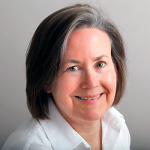
Felice J. Freyer
Health Care Reporter, The Boston Globe
Felice J. Freyer is a health care reporter for The Boston Globe, where she has covered almost every aspect of health and medicine, with a focus on public health, mental health and addiction. During the pandemic she embedded at a hospital ICU, revealed the plight of people with long COVID, and tracked the vaccine roll-out. Before the pandemic, she wrote series on chronic pain and on recovery from addiction. Previously, Freyer was the medical writer for The Providence (R.I.) Journal. She is president of the Association of Health Care Journalists, the world’s largest organization of reporters and editors who cover health care.
Subject Matter Experts
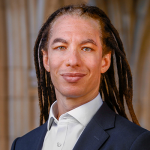
Tyson Brown
W.L.F. Associate Professor of Sociology, Duke University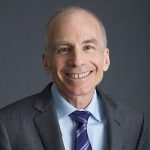
Lawrence Gostin
University Professor; Faculty Director, O’Neill Institute for National & Global Health Law, Georgetown University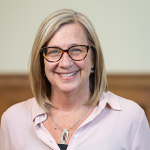
Paula Lantz
James B. Hudak Professor of Health Policy, Gerald R. Ford School of Public Policy, University of Michigan
Alana LeBrón
Assistant Professor of Public Health and Chicano/Latino Studies, University of California Irvine
Tyson H. Brown is an Associate Professor of Sociology at Duke University, where he holds the W.L.F. endowed chair. His program of research examines the who, when, and how questions regarding racial inequities in wealth and health. Dr. Brown has authored numerous articles in leading journals in the fields sociology, demography and population health (CV), and his research contributions have been recognized with awards from the American Sociological Association and through keynote addresses and research invitations from the National Academies of Sciences, Engineering, and Medicine (NASEM). In addition, Brown was the inaugural Duke Presidential Fellow, the recipient of Duke University’s Thomas Langford Award, and was a resident fellow at Oxford University. He has also been awarded funding for his training and research from the Robert Wood Johnson and Ford Foundations as well as the National Institutes of Health. Brown is currently working on several projects that investigate macro-level factors and psychosocial mechanisms that underlie social inequalities in health. The first project is on the conceptualization and measurement of structural racism and its effects on population health. The second project uses robust analytic techniques to quantify the contributions of structurally-rooted socioeconomic adversity and stress processes to racial inequities in health. Professor Brown is actively engaged in service at the university and national level. He has served in leadership position within professional organizations, including on the Board of Directors of the Population Association of America as well as on the editorial boards of top journals such as Social Forces, Demography, Social Psychology Quarterly, and the Journal of Health and Social Behavior. Brown also founded and co-organizes Duke’s Writing and ReseArch Productivity (WRAP) Group, which aims to promote excellence in scholarship and support Black faculty by creating protected writing time and a space that enhances faculty inclusion. In addition, professor Brown enjoys serving as a mentor to Duke students and postdocs as well as to early career scientists through programs funded by Russell Sage and Robert Wood Johnson Foundations to build the pipeline of future scholars.
Tyson H. Brown is an Associate Professor of Sociology at Duke University, where he holds the W.L.F. endowed chair. His program of research examines the who, when, and how questions regarding racial inequities in wealth and health. Dr. Brown has authored numerous articles in leading journals in the fields sociology, demography and population health (CV), and his research contributions have been recognized with awards from the American Sociological Association and through keynote addresses and research invitations from the National Academies of Sciences, Engineering, and Medicine (NASEM). In addition, Brown was the inaugural Duke Presidential Fellow, the recipient of Duke University’s Thomas Langford Award, and was a resident fellow at Oxford University. He has also been awarded funding for his training and research from the Robert Wood Johnson and Ford Foundations as well as the National Institutes of Health. Brown is currently working on several projects that investigate macro-level factors and psychosocial mechanisms that underlie social inequalities in health. The first project is on the conceptualization and measurement of structural racism and its effects on population health. The second project uses robust analytic techniques to quantify the contributions of structurally-rooted socioeconomic adversity and stress processes to racial inequities in health. Professor Brown is actively engaged in service at the university and national level. He has served in leadership position within professional organizations, including on the Board of Directors of the Population Association of America as well as on the editorial boards of top journals such as Social Forces, Demography, Social Psychology Quarterly, and the Journal of Health and Social Behavior. Brown also founded and co-organizes Duke’s Writing and ReseArch Productivity (WRAP) Group, which aims to promote excellence in scholarship and support Black faculty by creating protected writing time and a space that enhances faculty inclusion. In addition, professor Brown enjoys serving as a mentor to Duke students and postdocs as well as to early career scientists through programs funded by Russell Sage and Robert Wood Johnson Foundations to build the pipeline of future scholars. Lawrence Gostin University Professor; Faculty Director, O’Neill Institute for National & Global Health Law, Georgetown University Lawrence O. Gostin is University Professor, Georgetown University’s highest academic rank conferred by the University President. Prof. Gostin directs the O’Neill Institute for National and Global Health Law and is the Founding O’Neill Chair in Global Health Law. He served as Associate Dean for Research at Georgetown Law from 2004 to 2008. He is Professor of Medicine at Georgetown University and Professor of Public Health at the Johns Hopkins University. Prof. Gostin is the Director of the World Health Organization Collaborating Center on National and Global Health Law. The WHO Director-General has appointed Prof. Gostin to high-level positions, including the International Health Regulations (IHR) Roster of Experts and the Expert Advisory Panel on Mental Health. He served on the Director-General’s Advisory Committee on Reforming the World Health Organization, as well as numerous WHO expert advisory committees, including on the Pandemic Influenza Preparedness Framework, smallpox, genomic sequencing data, migrant health, and NCD prevention. He served on the WHO/Global Fund Blue Ribbon Expert Panel: The Equitable Access Initiative to develop a global health equity framework. He co-chaired the Lancet Commission on Global Health Law. Professor Gostin has been at the center of public policy and law through multiple epidemics from AIDS and SARS, to Ebola, MERS, and Zika. He currently works closely with the Biden administration and global institutions like WHO, the World Bank, and Gavi on the COVID-19 response. He served on two global commissions to report on the lessons learned from the 2015 West Africa Ebola epidemic. He was also senior advisor to the United Nations Secretary General’s post-Ebola Commission. Prof. Gostin also served on the drafting team for the G-7 Summit in Tokyo 2016, focusing on global health security and Universal Health Coverage. Prof. Gostin holds multiple international academic professorial appointments, including at Oxford University, the University of Witwatersrand (South Africa), and Melbourne University. Prof. Gostin served on the Governing Board of Directors of the Consortium of Universities for Global Health. Prof. Gostin holds editorial appointments in leading academic journals throughout the world. He is the Legal and Global Health Correspondent for the Journal of the American Medical Association. He was also Founding Editor-in-Chief of Laws (an international open access law journal). He was formally the Editor-in-Chief of the Journal of Law, Medicine & Ethics. Prof. Gostin holds several honorary degrees. In 1994, the Chancellor of the State University of New York conferred an Honorary Doctor of Laws Degree. In 2006, Her Majesty Queen Elizabeth II and the Vice Chancellor awarded Cardiff University’s (Wales) highest honor, an Honorary Fellow. In 2007, the Royal Institute of Public Health (United Kingdom) appointed Prof. Gostin as a Fellow of the Royal Society of Public Health (FRSPH). In 2012, the Chancellor of the University of Sydney – on the nomination of the Deans of the Law and Medical Schools – conferred a Doctor of Laws (honoris causa), presided by two Justices of Australia’s highest court—Justices Kirby and Haydon. In 2021, The Faculty of Public Health (United Kingdom) elected Prof. Gostin as an Honorary Member. Prof. Gostin is an elected lifetime Member of the National Academy of Medicine/National Academy of Sciences. He has served on the National Academy’s Board on Health Sciences Policy, the Board on Population Health, the Human Subjects Review Board, and the Committee on Science, Technology, and Law. He currently serves on the National Academies of Sciences Engineering, and Medicine, Board on Global Health. Gostin chaired the National Academy’s Committee on Global Solutions to Falsified, Substandard, and Counterfeit Medicines. He has chaired National Academy Committees on national preparedness for mass disasters, health informational privacy, public health genomics, and human subject research on prisoners. Prof. Gostin is also a Member of the Council on Foreign Relations and Fellow of the Hastings Center. In 2016, President Obama appointed Prof. Gostin to a six-year term on the President’s National Cancer Advisory Board to advise the nation on cancer prevention, research, and policy. He also serves on the National Institutes of Health Director’s Advisory Committee on the ethics of public/private partnerships to end the opioid crisis. Prof. Gostin has led major law reform initiatives in the U.S., including drafting the Model Emergency Health Powers Act (MEHPA) to combat bioterrorism (following the post-9/11 anthrax attacks) and the “Turning Point” Model State Public Health Act. He also spearheaded the World Health Organization and International Development Law Organization’s major report, Advancing the Right to Health: The Vital Role of Law. Prof. Gostin’s proposal for a Framework Convention on Global Health – an international treaty ensuring the right to health – is now part of a global campaign, endorsed by the UN Secretary-General and Director of UNAIDS. In the United Kingdom, Lawrence Gostin was the Legal Director of the National Association for Mental Health, Director of the National Council of Civil Liberties (the UK equivalent of the ACLU, now called “Liberty”), and a Fellow at Oxford University. He led Liberty during its 50th anniversary, started by George Orwell and EM Forster. He helped draft the Mental Health Act (England and Wales) and brought landmark cases before the European Court of Human Rights. Prof. Gostin’s books include: Global Health Security: A Blueprint for the Future (Harvard University Press, 2021); Global Health Law (Harvard University Press, 2014); Public Health Law: Power, Duty, Restraint (University of California Press, 3rd ed., 2016); Public Health Law and Ethics: A Reader (University of California Press, 3rd ed., 2018); Foundations of Global Health Law and Human Rights (Oxford University Press, 2020); Human Rights in Global Health: Rights-Based Governance for a Globalizing World (Oxford University Press, 2018); Law and the Health System (Foundation Press, 2014); Principles of Mental Health Law & Practice (Oxford University Press, 2010). Gostin’s classic text, Global Health Law (Harvard University Press, 2014) is read throughout the world—translated and published in both simplified and traditional Chinese, in Korean, and in Spanish. Paul Farmer, Partners in Health, says of his book: Global Health Law is “more than the definitive book on a dynamic field. Gostin harnesses the power of international law and human rights as tools to close unconscionable health inequities — the injustices that burden marginalized populations throughout the world. Gostin presents a forceful vision, one that deserves a wide embrace.” In a 2012 systematic empirical analysis of legal scholarship, independent researchers ranked Prof. Gostin 1st in the nation in productivity among all law professors, and 11th in in impact and influence. A 2017, 2018, and 2018 systematic empirical analysis all ranked Prof. Gostin 1st in the nation for citations and impact in health law.
Paula Lantz is the James B. Hudak Professor of Health Policy at the University of Michigan’s Gerald R. Ford School of Public Policy. She is also director of the Ford School’s BA program and holds an appointment as professor of health management and policy in the School of Public Health. Lantz, a social demographer/social epidemiologist, studies the role of public policy in improving population health and reducing social disparities in health. Lantz is currently engaged in research regarding abortion policy, housing policy, and on how COVID-19 continues to exacerbate existing social, economic, and health inequities in the United States. An elected member of the National Academy of Social Insurance and the National Academy of Medicine, Lantz received an MA in sociology from Washington University, St. Louis, and an MS in epidemiology and PhD in sociology with a focus on social demography from the University of Wisconsin.
Alana M.W. LeBrón, Ph.D., M.S., is an Assistant Professor of Public Health and Chicano/Latino Studies at the University of California, Irvine. She received her Ph.D. from the University of Michigan School of Public Health, her M.S. in Public Health from the Harvard T.H. Chan School of Public Health, and her A.B. in Gender and Women’s Studies from Bowdoin College. She completed her postdoctoral research fellowship at the National Center for Institutional Diversity at the University of Michigan. Dr. LeBrón’s research focuses on how policy, systems, and environmental factors shape health inequities and studies community-driven interventions designed to remedy unequal systems and mitigate health inequities. Much of Dr. LeBrón’s scholarship focuses on structural racism and health, including immigration-related structural barriers and stressors, racial discrimination, exposure to toxic substances, and health care inequities on health inequities among predominantly Latiné, immigrant, and low-income communities.
Registration
Select the Enroll Me button below to register for this recording. If you have any trouble accessing the recording, contact support@nephtc.org.
Acknowledgement: This project is supported by the Health Resources and Services Administration (HRSA) of the U.S. Department of Health and Human Services (HHS) as part of award 2 UB6HP31685‐05‐00 “Public Health Training Centers.” The contents are those of the author(s) and do not necessarily represent the official views of, nor an endorsement, by HRSA, HHS or the U.S. Government.


The Health Consequences of War
How can an understanding of the range of war’s effects on refugees allow public health and healthcare practitioners in the US to provide appropriate and effective care for wartime refugees in our communities?

Register
Course Information
- Audience: Public Health Professionals
- Format: Webinar
- Date/Time: Tuesday, March 29th, 2022
1:00 PM – 2:00 PM EST - Price: Free
- Length: 1 hour
- Credential(s) eligible for contact hours: Sponsored by New England Public Health Training Center (NEPHTC), a designated provider of continuing education contact hours (CECH) in health education by the National Commission for Health Education Credentialing, Inc. This program is designated for Certified Health Education Specialists (CHES) and/or Master Certified Health Education Specialists (MCHES) to receive up to 1 total Category I continuing education contact hours. Maximum advanced-level continuing education contact hours are 0. Provider ID: 1131137 Event ID: SS1131137_HCWIf you are not seeking a CHES/MCHES contact hours, if you complete the post-test and evaluation, you will receive a Certificate of Completion. The Certificate will include the length of the course.
- Competencies: Leadership and Systems Thinking
- Learning Level: Awareness
- Companion Trainings: None
- Supplemental materials:None
- Pre-requisites: None
About this Recording
As the war in Ukraine unfolds, the world is beginning to bear witness to the consequences being experienced by the Ukrainian people. This Conversation brings together experts who have studied other conflicts to discuss what we know about the long-term effects of war on the health of populations.
What you'll learn
At the end of the recording, participants will be able to:
- Describe the effects of war on the mental health of children, youth, and families and types of interventions that have shown to be effective in addressing those effects
- Describe the challenges to and lessons learned from providing nutritional support and medical care to persons in the Syrian conflict
- Discuss the impact of violence on health care providers and facilities in Ukraine, as well as historical experience of prior conflicts (Afghanistan, sub-Saharan Africa)
- Compare and contrast effects of conventional warfare (effects on battlefield relatively well understood) vs. “hybrid” warfare (effects on civilians and society; medical consequences unknown)
Moderator

Tiziana Dearing
@TIZIANA_DEARING
Host, WBUR’s Radio Boston
Theresa Betancourt
Salem Professor
in Global Practice,
Boston College
Abdulkarim Ekzayez
Doctor & Research Associate, King's College, London
Larissa Fast
Doctor, Humanitarian and Conflict Studies, University of Manchester
Amir Khorram-Manesh
Doctor & Senior University Lecturer, University of Gothenburg
Tiziana Dearing is the host of Radio Boston on WBUR. She’s been a commentator and contributor to WBUR for more than a decade, and has contributed to a number of other regional and national news outlets. Prior to joining the Radio Boston team, Tiziana was a professor at Boston College in the School of Social Work, where she taught social innovation and leadership. A longtime anti-poverty advocate, Tiziana also ran Boston Rising, a startup antipoverty fund to end generational poverty in Boston, and was the first woman president of Catholic Charities for the Archdiocese of Boston. She’s won a number of awards in the city, including a Pinnacle Award from the Greater Boston Chamber of Commerce and Boston Business Journal’s 40 Under 40.
Subject Matter Experts
Theresa S. Betancourt is the inaugural Salem Professor in Global Practice at the Boston College School of Social Work and Director of the Research Program on Children and Adversity (RPCA). Her primary research interest is to understand the protective processes that contribute to risk and resilience in the mental health and development of children and adolescents facing adversity in a variety of cultures and settings. Dr. Betancourt has led several initiatives to adapt and test evidence-based behavioral and parenting interventions for children, youth, and families facing adversity due to poverty, illness, and violence. Dr. Betancourt additionally focuses on strategies for scaling out these interventions using implementation science approaches. She is Principal Investigator of an intergenerational study of war/prospective longitudinal study of war-affected youth in Sierra Leone. Dr. Betancourt has also developed and evaluated the impact of a Family Strengthening Intervention for HIV-affected children and families and is leading the investigation of a home-visiting early childhood development (ECD) intervention to promote enriched parent-child relationships and prevent violence that can be integrated within poverty reduction/social protection initiatives in Rwanda. In the US, she is engaged in community-based participatory research on family-based prevention of emotional and behavioral problems in refugee children and adolescents resettled in the U.S. through the collaborative development and evaluation of parenting programs led by refugees for refugees that can be linked to prevention services involving refugee community health workers. Dr. Betancourt has served on the advisory board for the 2021 UNICEF State of the World’s Children report, titled, “On My Mind: Promoting, Protecting, and Caring for Children’s Mental health.” Additionally, she has advised Amnesty International on a key advocacy report on mental health in Sierra Leone entitled ““They are forgetting about us:” The Long-term mental health impact of war and Ebola in Sierra Leone.” Dr. Betancourt serves on a high-level World Health Organization Mental Health Gap Topic Expert Group (TEG), the Lancet Commission on Gender Based Violence and Maltreatment of Young People, as well as serve as a thematic advisor for the United States Institute of Peace (USIP) for a series of workshops on Violent Extremist Disengagement, Reconciliation, Trauma Recovery. Dr. Betancourt has been profiled in the New Yorker, National Geographic, NPR, CNN.com, and in an interview with Larry King on the program, “PoliticKing.”
Dr. AbdulKarim Ekzayez is a Syrian medical doctor specializing in epidemiology and health systems. His current work at King’s College focuses on health systems strengthening in conflict areas and on building the research and policy capacity of the health sector in conflict-affected areas of the Middle East. He is currently a lead applicant for a large project funded by the National Institute for Health Research called “Research for Health System Strengthening in Northern Syria R4HSSS”. He is also involved in several other projects and research with other academic and policy institutes including LSHTM, AUB, Chatham House and others. His research focuses on issues related to health system building in conflict settings and early recovery, health care protection challenges, and the health impact of conflict. In 2013, Karim was training to be a neurosurgeon when his residency was interrupted by the war. He joined Save the Children in North West Syria, where he led the health response until 2017 – helping build the primary health care system, restarting routine vaccinations, and supporting the rebuilding of the health system in northern Syria using a bottom up approach. Dr. Ekzayez is a regular contributor to several medical and civil society institutions in Syria, and has been active in advocacy for Syria through media and conferences. He is a trustee member of two NGOs, Shafak and Refugee Trauma Initiative and a managing director of the Syrian British Council which is a lobbying and advocacy body in the UK. He received his MD from Aleppo University and his MSc from London School of Hygiene and Tropical Medicine. Also, he completed a one-year residential fellowship on leadership in international affairs from The Queen Elizabeth II Academy for Leadership in International Affairs at Chatham House; and another one-year fellowship in international cultural relations from the Institute for International Cultural Relations at The University of Edinburgh. He is also pursuing his PhD in public policy from King’s College London.
Professor Fast is working at the intersection of the worlds of academia, policy, and practice. Her research addresses two fundamental problems: how best to protect civilians, particularly those who intervene in violent conflict, and how to make such intervention more effective, ethical, and responsive to local needs and circumstances. In addition to her book Aid in Danger: The Perils and Promise of Humanitarianism, she has published numerous peer-reviewed articles and policy reports. Professor Fast worked for both government and non-government agencies as a project manager, consultant, and analyst, and provided training to individuals and organizations in peace building and conflict analysis. Prior to her current position at Manchester, she was a Senior Research Fellow at ODI’s Humanitarian Policy Group, a Fulbright-Schuman Research Scholar (2016-2017), and a AAAS Science and Technology Policy Fellow (2014-2016) at USAID’s Global Development Lab. She has also held faculty positions at the Kroc Institute at the University of Notre Dame (USA) and Conrad Grebel University College (University of Waterloo, Canada).
Dr. Khorram-Manesh serves as university lecturer in surgery with particular focus on disaster medicine, mass casualty management and trauma. He is also a Visiting professor at numerous universities, currently the National Institute of Emergency Medicine of Thailand and Mahidol University in Bangkok. He has published over 100 papers, book chapters and books. His current research interests are in multiagency collaboration in emergencies, introduction of the Flexible Surge Capacity concept, Civilian-Military collaboration and its related challenges, development of emergency medicine in middle and low-income countries, hospital safety in disasters and public health emergencies. He is equally active in introduction of educational initiatives such as simulation trainings and exercises within the field of disaster and emergency medicine.
Registration
Select the Enroll Me button below to register for this recording. If you have any trouble accessing the recording, contact support@nephtc.org.
Acknowledgement: This project is/was supported by the Health Resources and Services Administration (HRSA) of the U.S. Department of Health and Human Services (HHS) under grant number UB6HP31685 “Regional Public Health Training Center Program.” This information or content and conclusions are those of the author and should not be construed as the official position or policy of, nor should any endorsements be inferred by HRSA, HHS or the U.S. Government.


The Next Normal: Children's Health
How can we improve the partnership of supporting individuals and organizations, including health care providers and community resources (e.g., schools, parks, libraries, childcare, public services, police, etc.) in addressing underlying causes of health problems among children and families? What is the role of public health practitioners in that partnership?

Register
Course Information
- Audience: Public Health Professionals
- Format: Webinar
- Date/Time: Monday, December 13th, 2021 4:30 PM – 5:45 PM EST
- Price: Free
- Length: 1.25 hours
- Credential(s) eligible for contact hours: Sponsored by New England Public Health Training Center (NEPHTC), a designated provider of continuing education contact hours (CECH) in health education by the National Commission for Health Education Credentialing, Inc. This program is designated for Certified Health Education Specialists (CHES) and/or Master Certified Health Education Specialists (MCHES) to receive up to 1.25 total Category I continuing education contact hours. Maximum advanced-level continuing education contact hours are 0. Provider ID: 1131137 Event ID: SS1131137_NNCH.If you are not seeking a CHES/MCHES contact hours, if you complete the post-test and evaluation, you will receive a Certificate of Completion. The Certificate will include the length of the course.
- Competencies: Data Analytics and Assessment Skills
- Learning Level: Awareness
- Companion Trainings: None
- Supplemental materials:None
- Pre-requisites: None
About this Recording
The COVID-19 pandemic drastically affected children’s lives, changing how they receive education and limiting their social development. How has the pandemic changed how we view children’s health, and how can we learn from the experience?
This program is a part of “The Next Normal” series, designed to take a moment to pause and ask, as we emerge from the pandemic, what we have learned and why, in order to promote the health of all, we cannot return to pre-pandemic normal.
What you'll learn
At the end of the recording, participants will be able to:
- List 5 mental/behavioral health symptoms experienced by children during the COVID-19 pandemic, and discuss implications for systems changes needed to address them
- Discuss the patterns of negative health effects due to the pandemic on children due to economic and racial disparities
- Describe the importance of an intersectionality approach to understanding and developing policy solutions to disparities in health effects on adults and children
- Discuss the importance of addressing root causes of maternal and child health issues to optimize child health going forward
- Describe the inequities in child care quality, access, and availability highlighted by the pandemic and the importance of addressing them in the “next normal”
- Discuss how partnership with public libraries can improve child health
- Describe future innovations to improve health care delivery highlighted by the pandemic
Subject Matter Experts
Kevin Churchwell
President and Chief Executive Officer, Boston Children's Hospital
Nancy López
@UNMProfessor, University of New Mexico

Rasheed Malik
@RAMSKULL
Director, Early Childhood Policy, Center for American Progress
Betsy McKay
@BETSWRITESMODERATOR Senior Writer, Wall Street Journal

Terrinieka W. Powell
@DRTERRIPOWELLPhD Associate Professor
& Vice Chair of Inclusion, Diversity, Anti-Racism
and Equity,
John Hopkins Bloomberg School of Public Health
Rachel Garfield
@RACHELLGARFIELD
VP/Associate Director for Program on Medicaid and the Uninsured, VP/Co-Director for the Program on Medicaid and the Uninsured, Kaiser Family Foundation
Michael Lu
@UCBERKELEYSPH
Dean, University of California Berkeley School of Public Health
Kevin B. Churchwell, MD, is the President and Chief Executive Officer of Boston Children’s Hospital, providing leadership, vision, and oversight for a team that’s dedicated to improving and advancing child health through their life-changing work in clinical care, research and innovation, medical education, and community engagement. Since joining Boston Children’s as its Executive Vice President of Health Affairs Chief Operating Officer in 2013, Dr. Churchwell has been instrumental in leading the hospital’s work to become a High Reliability Organization, one where zero avoidable harm impacts any patient, family member, or employee. He has brought to Boston the same passion for enhancing the patient family experience that defined his tenure as CEO of both Nemours/Alfred I. duPont Hospital for Children in Wilmington, DE, and Monroe Carell Jr. Children’s Hospital, part of the Vanderbilt University Medical Center in Nashville, TN. An advocate for equity, diversity and inclusivity, Dr. Churchwell is responsible for establishing three of the 11 Offices of Health Equity and Inclusion at hospitals across the U.S. and Canada, including the Office at Boston Children’s, which he founded in 2016. With the publication of Boston Children’s own Declaration for Equity, Diversity and Inclusivity in 2020, Dr. Churchwell has committed to the work required to make Boston Children’s a community that’s made stronger by our differences, and a leader in equity for all. A graduate of Massachusetts Institute of Technology and Vanderbilt Medical School in Nashville, Dr. Churchwell completed his pediatric residency and a clinical fellowship in Pediatric Critical Care at Boston Children’s Hospital. He is currently an Associate Professor of Pediatric Anesthesia at Harvard Medical School and Dr. Churchwell is the Robert and Dana Smith Associate Professor of Anesthesia at the Harvard Medical School. Disclosures: Dr. Churchwell is a member of the Massachusetts Business Roundtable, a board member of the Boston Chamber of Commerce, Massachusetts Hospital Association, the Whitehead Institute, Advisory Board for The Boston University School of Public Health, and the Boys and Girls Club of Boston.
Dr. Nancy López is professor of sociology, University of New Mexico. Dr. López co-founded/directs the Institute for the Study of “Race” and Social Justice and she is the founding coordinator of the New Mexico Statewide Race, Gender, Class Data Policy Consortium (Visit: race.unm.edu). Dr. López currently serves as Associate VP for the Division of Equity & Inclusion. Her scholarship and teaching are guided by the insights of intersectionality–the simultaneity of tribal status/settler colonialism race/structural racism, gender/heteropatriarchy, class/capitalism, ethnicity/nativism, sexuality/heterosexism as systems of oppression/resistance across a variety of social outcomes (education, health, employment, wealth and housing) and the importance of developing contextualized community-driven solutions that advance justice. Dr. López has been recognized for her contributions to engaged scholarship through the American Sociological Association William Foote Whyte Distinguished Career Award for Sociological Practice and Public Sociology. Dr. López has received funding from the National Institutes of Health that resulted in an edited volume, Mapping ”Race”: Critical Approaches for Health Disparities researchers where she talks about “pregnant while Black” and the racialized gendered social determinants of health. She is also coined the term “street race” as a measure of race the myth or race as biology, genetic ancestry or culture and instead focuses on race as social relationship of power that is not just about your personal identity (See conversation.com essay entitled the Census Bureau Keeps Confusing Race and Ethnicity and publications in Sociology of Race and Ethnicity and Critical Public Health Journals). Her current research funded by the WT Grant Foundation and the Hewlett Foundation includes a mixed method study in three research practice partnerships that examines the role of ethnic studies curriculum and culturally relevant pedagogy in reducing complex intersectional inequalities in high school (Albuquerque, San Francisco and Los Angeles. She has served on over 75 PhD/MA committees and she given over 130 seminars on at national conferences, invited lectures and community gatherings. She a Black Latina, the New York City-born daughter of Dominican immigrants parents who didn’t have an opportunity to go beyond a second grade education but were rich in funds of knowledge and cultural wealth. She grew up in public housing and graduated from a de facto segregated public high school. Spanish is Dr. López’s first language; she participated in Head Start and Upward Bound both federally funded programs designed to equity lifts for those who have historically been excluded from educational opportunities.
Rasheed A. Malik is the associate director of research for Early Childhood Policy at American Progress. His work focuses on child care infrastructure and supply, the economic benefits of child care, and bias and discrimination in early childhood policy. Malik’s research has been featured in or cited by The New York Times, Vox, The Washington Post, NPR, Slate, CNNBusiness, and CNBC, among others. Prior to joining American Progress, Malik was a government affairs and communications associate for the Metropolitan Waterfront Alliance, an organization with the goal of making the New York Harbor a shared, resilient, and accessible resource for all New Yorkers. Malik holds a master’s degree in public policy from the Gerald R. Ford School of Public Policy at the University of Michigan and a bachelor’s degree in public affairs from Baruch College. He lives in Northern Virginia with his wife and two young children.
Betsy McKay is a senior writer for The Wall Street Journal covering U.S. and global public health. She is a member of a team of Journal reporters awarded the 1999 Pulitzer Prize in the international reporting category for in-depth analytical coverage of the Russian financial crisis. She has won awards for stories on the rising threat of drug-resistant tuberculosis and a growing crisis with maternity care in the rural U.S.
Terrinieka W. Powell, PhD, is an Associate Professor and Vice Chair for Inclusion, Diversity, Anti-Racism and Equity in the Department of Population, Family and Reproductive Health at Johns Hopkins Bloomberg School of Public Health (JHSPH). After earning her BA in Psychology from Williams College, she earned her MA and PhD from DePaul University in Community Psychology. She spent two years as a Kellogg Health Scholars Postdoctoral Fellow at the University of Michigan School of Public Health before joining the faculty JHSPH. She has expertise in adolescent health, qualitative methods, intervention development and implementation science. Her research activities, publications and funding history all demonstrate her commitment to improving the lives of vulnerable young people. Dr. Powell leads the B Lab, a Baltimore-based research team helping to create a world where all youth are safe, healthy, hopeful and connected. Partnerships with churches, schools, libraries, families, and community-based organizations are a cornerstone of her research. She has collaborated with institutions across several states to prevent substance use and sexual risk-taking among young people. With partners, she creates interventions that are sustainable and take into account the social context of the environments. Most recently, she led the development of the Better Together (BT) intervention, an age-appropriate, culturally relevant 8-session library-based intervention designed to prevent early substance use among Black youth affected by parental drug use. Her goal is to ensure that youth, especially those affected by trauma, have multiple pathways to achieve optimal health.
Rachel Garfield is Vice President at the Henry J. Kaiser Family Foundation and Co-Director for its Program on Medicaid and the Uninsured. She has 20 years of experience in Medicaid policy research and is an expert in data analysis on insurance coverage and access to care for the low-income population. She also has conducted work in public financing for behavioral health services for low-income populations. Prior to joining KFF, Dr. Garfield was an Assistant Professor in the Department of Health Policy and Management at the University of Pittsburgh Graduate School of Public Health; she has also held positions as a policy analyst in Medicaid/CHIP policy and research consultant for hospital operations and management. Dr. Garfield has a BA from Harvard College, holds an M.H.S. in health policy from the Johns Hopkins School of Public Health, and received her PhD in health policy from Harvard University.
Dr. Lu possesses decades of expertise in maternal and child health policy. He is currently dean of the school of public health at the University of California, Berkeley, and previously a senior associate dean at the Milken Institute School of Public Health at George Washington University. Lu served as director of the federal Maternal and Child Health Bureau under the Obama Administration. During his tenure, he transformed key federal programs in maternal and child health, and launched major initiatives to reduce maternal, infant, and child mortality across the nation. He oversaw the launch and expansion of the federal Maternal, Infant, and Early Childhood Home Visiting (MIECHV) Program. For his leadership, he was awarded the prestigious U.S. Department of Health and Human Services’ Hubert H. Humphrey Service to America Award in 2013. Prior to his public service, Lu was a professor of obstetrics-gynecology and public health at UCLA, where his research focused on racial-ethnic disparities in birth outcomes from a life-course perspective. He co-directed the residency program in obstetrics and gynecology and a training grant in maternal and child health, and received several prestigious awards for his teaching. As a practicing obstetrician for nearly two decades, he has attended more than 1000 births, and has been voted one of the Best Doctors in America since 2005. Lu has served on three National Academy of Medicine Committees, and co-authored the recently released report Vibrant and Healthy Kids: Aligning Science, Practice, and Policy to Advance Health Equity. Lu received his bachelor’s degrees in political science and human biology from Stanford University, master’s degrees in health and medical sciences and public health from UC Berkeley, medical degree from UC San Francisco, and residency training in obstetrics and gynecology from UC Irvine.
Registration
Select the Enroll Me button below to register for this recording. If you have any trouble accessing the recording, contact support@nephtc.org.
Acknowledgement: This project is/was supported by the Health Resources and Services Administration (HRSA) of the U.S. Department of Health and Human Services (HHS) under grant number UB6HP31685 “Regional Public Health Training Center Program.” This information or content and conclusions are those of the author and should not be construed as the official position or policy of, nor should any endorsements be inferred by HRSA, HHS or the U.S. Government.


The Next Normal: Civil Liberties and Health
How can public health practitioners communicate effectively with communities about emerging science, to identify the trade-offs between individual civil liberties and health of the public, and engage in strategies that encourage communities to embrace the importance of working together to protect each other?

Register
Course Information
- Audience: Public Health Professionals
- Format: Webinar
- Date/Time: Thursday, October 21st 4:30 PM – 5:45 PM EST
- Price: Free
- Length: 1.25 hours
- Credential(s) eligible for contact hours: Sponsored by New England Public Health Training Center (NEPHTC), a designated provider of continuing education contact hours (CECH) in health education by the National Commission for Health Education Credentialing, Inc. This program is designated for Certified Health Education Specialists (CHES) and/or Master Certified Health Education Specialists (MCHES) to receive up to 1 total Category I continuing education contact hours. Maximum advanced-level continuing education contact hours are 1. Provider ID: 1131137 Event ID: SS1131137_NNCLH
If you are not seeking a CHES/MCHES contact hours, if you complete the post-test and evaluation, you will receive a Certificate of Completion. The Certificate will include the length of the course.
- Competencies: Data Analytics and Assessment Skills
- Learning Level: Awareness
- Companion Trainings: None
- Supplemental materials:None
- Pre-requisites: None
About this Recording
Many conversations surrounding the COVID-19 pandemic were framed as a trade-off between individual liberties and the health of the public. Was this the right framing?
What are the implications of the moment for future conversations? This program is a part of “The Next Normal” series, designed to take a moment to pause and ask, as we emerge from the pandemic, what we have learned and why, in order to promote the health of all, we cannot return to pre-pandemic normal.
What you'll learn
At the end of the recording, participants will be able to:
- List 5 specific ethical questions related to civil liberties posed by mandates (e.g., masks, vaccination) in response to the pandemic
- Discuss challenges and opportunities COVID-19 exposed in American bioethics
- Describe how systemic racial discrimination was highlighted and exacerbated by the COVID pandemic
- Discuss the relationship of social injustice and health inequities and the importance of focusing on avenues to address underlying injustices in future social and legal policies
Subject Matter Experts
Nancy Berlinger
Research Scholar,
@HASTINGSCENTER
The Hastings
Center
Colleen Flood
@COLLEENFLOOD2
Professor and University Research Chair,
University of Ottawa
Chantal Da Silva
@CHANTALADASILVAMODERATOR
Freelance journalist working for NBC News
Ruqaiijah Yearby
@RUQAIIJAHProfessor of Law and Executive Director and CO- Founder, Institute for Healing Justice and Equity, Saint Louis University
Nancy Berlinger is a Research Scholar at The Hastings Center, an independent bioethics research institute based in Garrison, NY. Her current research focuses on ethical and societal challenges arising from population aging; the bioethics of migration, and responding to and learning from the Covid-19 pandemic. She has longstanding research interests in decision-making and care in serious illness and near the end of life; the management of problems of safety and harm in health systems, and the moral dimensions of care work. She directs The Hastings Center’s Visiting Scholar Program, including the Sadler Scholars Program for doctoral students from underrepresented communities, here. Highlights of current and recent work: Bioethics for aging societies: Since 2016, Berlinger has overseen the development of research projects and public-facing work exploring the consequences of population aging, with close attention to what it means to flourish in late life, how to support experiences such as living with dementia, and how to apply concepts and data from housing-focused research and policy analysis to conceptualizing aging in community.
Colleen M. Flood is a Professor in the Faculty of Law at the University of Ottawa and University Research Chair in Health Law & Policy. In addition, she serves as the inaugural director of the university’s Centre for Health Law, Policy and Ethics. From 2006-2011, she was also a Scientific Director of the Institute for Health Services and Policy Research, one of the Canadian Institutes of Health Research. Professor Flood has pushed the boundaries of health law beyond its traditional focus to illuminate law’s role in the broad web of relationships within health systems. Her comparative research has brought new insights and knowledge to Canadian and global debates over privatization, health system design and governance, and the role of courts in defending rights in health care. She is the author/editor of 10 books (two of which are in multiple editions) and publishes broadly in academic journals and for the popular press. Her two most recent books are: The Right to Health at the Public/Private Divide (co-edited with Aeyal Gross, 2014) and Law & Mind: Mental Health Law and Policy in Canada (co-edited with Jennifer Chandler, 2016). You can read some of her work at: https://papers.ssrn.com/sol3/cf_dev/AbsByAuth.cfm?per_id=333684 In addition to her extensive research program, Professor Flood also contributes to various committee activities. From 2012 to 2016, she served on the governance board of the Institute for Clinical Evaluative Sciences. She is currently on the board of Associated Medical Services and a member of the Corporation of Massey College. Professor Flood has received several honours and distinctions for her work. Most recently, she was elected as a fellow of the Royal Society of Canada. In 2013, she was appointed an honorary member of the College of Family Physicians of Ontario. Colleen M. Flood holds degrees from the University of Auckland and the University of Toronto.
Chantal Da Silva is a freelance journalist working for NBC News. Her work has been featured by Newsweek, where she previously served as chief correspondent, as well as by CNN, The Independent, Forbes, The Bureau of Investigative Journalism, The Guardian and others. Affiliation and title: Freelance journalist working for NBC News.
Ruqaiijah Yearby, J.D., M.P.H is a full professor and member of the Center for Health Law Studies at Saint Louis University School of Law. She is also co-founder and Executive Director of Saint Louis University’s Institute for Healing Justice and Equity and Co-Principal Investigator for the Robert Wood Johnson Foundation grant entitled, “Are Cities and Counties Ready to Use Racial Equity Tools to Influence Policy?”. Additionally, she has served as an Instructor for the Harvard Medical School, Center for Bioethics. Professor Ruqaiijah Yearby is an expert in racial health disparities, who advocates for equal access to quality health care and fair wages for racial and ethnic minorities, women, and the poor. Recently, Professor Yearby authored Protecting Workers that Provide Essential Services and co-authored Racism is a Public Health Crisis. Here’s How to Respond, which was used to support the passage of Connecticut House Bill No. 6662, that declares racism as a public health crisis as well as cited in the American Psychological Association Resolution to Combat Racism and in the 2020 Health Equity report for Boone County, MO. Her work has been published in the American Journal of Bioethics, Health Affairs, and the Oxford Journal of Law and the Biosciences and used in law, medical school, and social science classes at schools such as Harvard, NYU, Fordham, and the University of California Berkeley.
Registration
Select the Enroll Me button below to register for this recording. If you have any trouble accessing the recording, contact support@nephtc.org.
Acknowledgement: This project is/was supported by the Health Resources and Services Administration (HRSA) of the U.S. Department of Health and Human Services (HHS) under grant number UB6HP31685 “Regional Public Health Training Center Program.” This information or content and conclusions are those of the author and should not be construed as the official position or policy of, nor should any endorsements be inferred by HRSA, HHS or the U.S. Government.


The Next Normal: Education and Health
How can we use lessons learned about modalities and systems that work well to improve personalized education and to widen access, fostering “equicovery” (i.e. recovery that promotes equity)?

Register
Course Information
- Audience: Public Health Professionals
- Format: Webinar
- Date/Time: Tuesday, October 5th 4:30 PM – 5:45 PM EST
- Price: Free
- Length: 1.25 hours
- Credential(s) eligible for contact hours: Sponsored by New England Public Health Training Center (NEPHTC), a designated provider of continuing education contact hours (CECH) in health education by the National Commission for Health Education Credentialing, Inc. This program is designated for Certified Health Education Specialists (CHES) and/or Master Certified Health Education Specialists (MCHES) to receive up to 1 total Category I continuing education contact hours. Maximum advanced-level continuing education contact hours are 1. Provider ID: 1131137 Event ID: SS1131137_NNEH
If you are not seeking a CHES/MCHES contact hours, if you complete the post-test and evaluation, you will receive a Certificate of Completion. The Certificate will include the length of the course.
- Competencies: Policy Development and Program Planning Skills
- Learning Level: Awareness
- Companion Trainings: None
- Supplemental materials:None
- Pre-requisites: None
About this Recording
The COVID-19 pandemic forced students and teachers out of the classroom and in front of computers. What did we learn from this unplanned shift to virtual learning and its impact on the future of education? This program is a part of “The Next Normal” series, designed to take a moment to pause and ask, as we emerge from the pandemic, what we have learned and why, in order to promote the health of all, we cannot return to pre-pandemic normal.
What you'll learn
At the end of the recording, participants will be able to:
- Discuss 6 key considerations for adapting disability research methods and practices in response to restrictions due to COVID pandemic
- Describe “best practices” of disability research, as learned from experience of international research teams
- Discuss inequalities in educational opportunities highlighted by COVID pandemic
- Identify positive aspects of educational experience prompted by COVID that will be used long-term going forward
- Describe the Times Higher Education (THE) Impact Rankings that assess how universities address social good by delivery of Sustainable Delivery Goals Describe the Times Higher Education (THE) Impact Rankings that assess how universities address social good by delivery of Sustainable Delivery Goals
Subject Matter Experts

Morgon Banks
Assistant Professor, London School of Hygiene & Tropical Medicine
@MORGONBANKS
Phil Baty
@PHIL_BATYChief Knowledge Officer, Times Higher Education

Chrishana Lloyd
@CHILDTRENDSSenior Research Scientist, Child Trends

Deborah Becker
@WBURDEBBECKERMODERATOR Senior Correspondent and Host, WBUR
Morgon is a mixed methods researcher working on a number of projects on disability. Her primary research focus is in disability, poverty and social protection in low- and middle-income countries. Current projects include: PENDA project (funded by FCDO): evaluates 8 interventions that aim to improve the well-being of people with disabilities in low and middle-income countries. COVID-19 and disability (funded by IDS): assessing the experience of people with disabilities in India, Zambia, Ghana, Bangladesh and Turkey (Syrian refugees in Istanbul) during the pandemic and their inclusion in COVID-19 response measures. Innovation to Inclusion (funded by UKAID): evaluates the i2i programme, which seeks to improve access of people with disabilities in Kenya and Bangladesh to waged employment. Impact evaluation of the Disability Allowance in the Maldives (funded by 3ie): explores the impact of the Disability Allowance, a monthly cash transfer, on poverty, well-being and quality of life amongst people with disabilities. Addressing Local Barriers to Inclusive Education for Children with a Disability in the Sahel (funded by Norwegian Research Council): identifies children with disabilities in Niger using the Key Informant Method and compares access to education between children with and without disabilites. Morgon has presented her research at the United Nations’ Conference of State Parties to the UN Convention on the Rights of Persons with Disabilities, the European Parliament and to a variety of academic, NGO/iNGO, and government audiences. She is a contributor to the UN Flagship Report on Disability & Development and the lead author on the Economic Costs of Exclusion and Gains of Inclusion of People with Disabilities.
Phil Baty is an international authority on university performance and strategy, with 25 years of experience in global higher education, including a decade (2009-2019) as Editor of the prestigious Times Higher Education (THE) World University Rankings and its derivative analyses. He is an award-winning journalist and a sought-after speaker and commentator. Phil was the creator of the THE World Academic Summit and he leads the team that organises the summit and THE’s extensive series of global university leadership events and awards. He tweets from @Phil_Baty
Chrishana M. Lloyd, PhD, is a nationally recognized expert on the study and implementation of interventions to support early childhood professionals in environments such as home, community, and Head Start child care settings. She has more than 20 years of experience in the social science and education fields and considerable experience with applied place-based research and technical assistance and has served as the primary investigator (PI) and/or lead implementation researcher on both federal and privately funded research projects. In addition to her research experience, Dr. Lloyd has led or served as a member of federal and state-level early childhood-focused workgroups and has consulted with many education and social service agencies, including the Bank Street Education Center and the National Association of Social Workers. She has also authored numerous reports, articles, and technical assistance resources focused on early childhood interventions and supports for implementation, and actively uses innovative research methods like eco mapping and audio and video taping strategies to support and understand the work of early care and education professionals. A common theme throughout Dr. Lloyd’s career is the integration of research and policy to inform and support the application of equitable and high-quality practices in early childhood.
Deborah Becker is a senior correspondent and host at WBUR. Her reporting focuses on the criminal legal system, mental health and addiction. She is a substitute host on several WBUR programs. Becker’s reporting also has been featured on National Public Radio and on radio stations throughout New England. Her work on the Massachusetts drug lab scandals was highlighted in the 2020 Netflix documentary “How to Fix a Drug Scandal.” Becker has received numerous awards for her reporting, interviewing, newscasts and investigative reporting. She has also completed several fellowships – including the 2015 Blue Cross Blue Shield of Massachusetts Health Coverage Fellowship, the 2016 Rosalynn Carter Mental Health Journalism Fellowship and the 2019 National Press Foundation Science Journalism Fellowship. Deborah studied journalism at St. Bonaventure University. She lives with her family in central Massachusetts.
Registration
Select the Enroll Me button below to register for this recording. If you have any trouble accessing the recording, contact support@nephtc.org.
Acknowledgement: This project is/was supported by the Health Resources and Services Administration (HRSA) of the U.S. Department of Health and Human Services (HHS) under grant number UB6HP31685 “Regional Public Health Training Center Program.” This information or content and conclusions are those of the author and should not be construed as the official position or policy of, nor should any endorsements be inferred by HRSA, HHS or the U.S. Government.


The Next Normal: Food and Health
How can the major players in improving food system planning (i.e., food systems, public health, and local government) assure that they work together effectively?

Register
Course Information
- Audience: Public Health Professionals
- Format: Webinar
- Date/Time: Thursday, October 14th 4:30 PM – 5:45 PM EST
- Price: Free
- Length: 1.25 hours
- Credential(s) eligible for contact hours: Sponsored by New England Public Health Training Center (NEPHTC), a designated provider of continuing education contact hours (CECH) in health education by the National Commission for Health Education Credentialing, Inc. This program is designated for Certified Health Education Specialists (CHES) and/or Master Certified Health Education Specialists (MCHES) to receive up to 1 total Category I continuing education contact hours. Maximum advanced-level continuing education contact hours are 1. Provider ID: 1131137 Event ID: SS1131137_NNFH
If you are not seeking a CHES/MCHES contact hours, if you complete the post-test and evaluation, you will receive a Certificate of Completion. The Certificate will include the length of the course.
- Competencies: Data Analytics and Assessment Skills
- Learning Level: Awareness
- Companion Trainings: None
- Supplemental materials:None
- Pre-requisites: None
About this Recording
The pandemic worsened health inequities across the world, including gaps in access to food. How can we learn from the pandemic to create a healthier world with equal access to health essentials?
This program is a part of “The Next Normal” series, designed to take a moment to pause and ask, as we emerge from the pandemic, what we have learned and why, in order to promote the health of all, we cannot return to pre-pandemic normal.What you'll learn
At the end of the recording, participants will be able to:
- Describe the specific goals and indicators included in the UN Summit’s 2015 Sustainable Development Goals that relate to food and hunger, and the current progress towards achieving them
- Discuss the current prevalence of food insecurity across the globe and the effect of the pandemic
- Define “sustainable diets” as promoted by EAT-Lancet Healthy Reference diet and discuss considerations for implementing such diets universally
- Discuss how the pandemic directly affected supply chains, food system workers, and consumers
- List 4 considerations that should be addressed in creating the “next normal” for food and health systems, especially in the context of urbanization and climate change
Subject Matter Experts

Yeeli Mui
Assistant Professor, Johns Hopkins Bloomberg School of Public Health
@DRYEELIMUI
Tolullah Oni
@DRTOLULLAHClinical Senior Research Associate, University of Cambridge
Usha Ramakrishnan
@EMORYROLLINSProfessor, Emory University Rollins School of Public Health
May Wang
Professor, University of California Los Angeles Fielding School of Public Health
@UCLAFSPH
Julia Belluz
MODERATOR
@JULIAOFTORONTO
Senior Health Correspondent, VOX
Yeeli Mui, PhD, MPH, is a Bloomberg Assistant Professor of American Health in the Department of International Health. Her participatory action research focuses on strengthening policy to create equitable, sustainable, and healthy communities. Dr. Mui applies an urban planning lens to obesity prevention and healthy eating by critically examining relationships between food and other systems of the built environment, such as land use, transportation, and housing. Part of a multi-country effort, she is leading an interdisciplinary team to mitigate food inequities of small-scale farmers experiencing urbanization and climate change pressures in Kerala, India. Dr. Mui is also evaluating the role of collective efficacy and collaborative governance models to drive policy and food systems change at the local level in different U.S. cities.
Tolullah Oni is a Public Health Physician Scientist and urban epidemiologist, and leads the Global Diet and Physical Activity group at the Unit. She completed her medical training at University College London, postgraduate medical training in the UK and Australia, a Masters in Public Health (Epidemiology) at the University of Cape Town, and her research doctorate in Clinical Epidemiology at Imperial College London. She spent 11 years conducting research in South Africa, where she also completed her public health medical specialty training. She established and leads (as an Honorary Associate Professor) a Research Initiative for Cities Health and Equity (RICHE) at the University of Cape Town, conducting transdisciplinary urban health research focused on generating evidence to support development and implementation of healthy public policies in rapidly growing cities, with a focus on Africa. Research activities include Systems for Health projects: investigating how urban systems (e.g. housing, food) can be harnessed for health; and Health Systems projects: integrated heath systems responses to changing patterns of disease and multimorbidity in the context of urbanisation. She continues this planetary health focus within the unit, focusing on meso- and macro-level determinants of diet and physical activity in the contexts of urbanisation and climate change worldwide. She has published over 80 manuscripts in high-impact journals, and has given presentations at international academic (urban health, HIV, TB) and non-academic meetings including the United Nations High Level Political Forum for Sustainable Development, New York; and the World Economic Forum (WEF) Annual Meeting, Davos 2018. Tolullah serves on several advisory boards including Future Earth and is an editorial board member of Lancet Planetary Health, Cities and Health, the Journal of Urban Health and PLOS Global Public Health. Profiled in the Lancet journal in 2016, she is a Fellow of Wolfson College, Cambridge a Fellow of the African Academy of Sciences and a World Economic Forum Young Global Leader.
Usha Ramakrishnan, PhD, is the Chair & Distinguished Richard N. Hubert Professor of the Hubert Department of Global Health in The Rollins School of Public Health, and Graduate Faculty member of the Doctoral Programs in a) Nutrition and Health Sciences (NHS) and b) Global Health and Development, Laney Graduate School, at Emory University, Atlanta, GA, USA. She is a leading expert in global maternal and child nutrition and health and has authored over 170 research articles in peer-reviewed professional journals, 19 book chapters, and, edited 4 Books, Monographs and Proceedings. Dr. Ramakrishnan has designed and led large randomized controlled trials (RCT) that test nutrient interventions during pregnancy and early childhood, and also participated in prospective longitudinal studies that examine pregnancy outcomes such as low birth weight, preterm birth and subsequent child growth and development. She has examined the effects of multiple micronutrient (MM) malnutrition during pregnancy, lactation, and early childhood, and more recently completed a large RCT of the effects of weekly pre-conception multiple micronutrient (MM) supplements on maternal and child health outcome in Vietnam (PRECONCEPT). Her current research projects also include examining the effects of omega-3 fatty acids, especially docosahexaenoic acid (DHA), during pregnancy on child health, growth and development. She was the PI of a large NIH-funded research project in collaboration with the National Institute of Public Health, Cuernavaca, Mexico, that examined the effects of prenatal DHA supplements on infant development (POSGRAD), and has followed up this cohort through 11 y of age. She has also led and participated in several collaborations with non-governmental organizations and research institutions based in Latin America, Sub-Saharan Africa, South Asia and Europe, and also serves on several expert review panels and has provided technical support for various projects in her field of expertise over the years.
Dr. May Wang joined the faculty as associate professor in the Department of Community Health Sciences in 2008. She received an undergraduate degree from the National University of Singapore, a master’s degree in nutritional science from the University of Texas at Austin, and master’s and doctorate degrees in public health from the University of California at Berkeley. After obtaining her doctorate degree, she completed a postdoctoral fellowship at Stanford University School of Medicine where she was trained in the emerging field of pediatric bone health research. Since then, she has conducted research related to child obesity and bone health with a focus on addressing health disparities. She is the recipient of several awards, including the Established Investigator Award from the American Heart Association and Excellence in Education Award from the California Dietetic Association. Areas of Interest: Social and physical environmental determinants of diet-related conditions with a focus on childhood obesity; immigrant food-related behaviors, and evaluations of nutrition programs for children
Julia Belluz is Vox’s senior health correspondent, focused on medicine, science, and public health. She’s covered topics as varied as the anti-vaccine movement, America’s staggering maternal mortality problem, how dark chocolate became a health food, and what makes America’s sickest county so unhealthy. She has also debunked numerous medical misinformation peddlers such as Dr. Oz, Gwyneth Paltrow, and Alex Jones. In 2015, Julia launched Vox’s Show Me the Evidence series, which goes beyond the frenzy of daily headlines to take a deeper look at the state of the science behind pressing health questions, from treatments for chronic back pain to why exercise is not helpful when it comes to weight loss. Before joining Vox, Julia was a Knight Science Journalism fellow at MIT and her writing appeared in a range of international publications, including the BMJ, the Chicago Tribune, the Economist and Economist’s Intelligent Life magazine, the Globe and Mail, the LA Times, Maclean’s, the National Post, Slate, and the Times of London. She holds an MSc from the London School of Economics. She is the recipient of numerous journalism awards, including the 2016 Balles Prize in Critical Thinking, the 2017 American Society of Nutrition Journalism Award, and several Canadian National Magazine Awards. Outside of reporting, she speaks regularly at universities and conferences the world over, and has been a fellow at McMaster University. Follow her on Twitter @juliaoftoronto.
Registration
Select the Enroll Me button below to register for this recording. If you have any trouble accessing the recording, contact support@nephtc.org.
Acknowledgement: This project is/was supported by the Health Resources and Services Administration (HRSA) of the U.S. Department of Health and Human Services (HHS) under grant number UB6HP31685 “Regional Public Health Training Center Program.” This information or content and conclusions are those of the author and should not be construed as the official position or policy of, nor should any endorsements be inferred by HRSA, HHS or the U.S. Government.


The Next Normal: Hospitals and Healthcare
How can individuals be empowered and motivated to participate in optimizing their own health? What can be the role of public health practitioners?


Register
Course Information
- Audience: Public Health Professionals
- Format: Webinar
- Date/Time: Thursday, December 2nd, 2021 4:30 PM – 5:45 PM EST
- Price: Free
- Length: 1.25 hours
- Credential(s) eligible for contact hours: Sponsored by New England Public Health Training Center (NEPHTC), a designated provider of continuing education contact hours (CECH) in health education by the National Commission for Health Education Credentialing, Inc. This program is designated for Certified Health Education Specialists (CHES) and/or Master Certified Health Education Specialists (MCHES) to receive up to 1.25 total Category I continuing education contact hours. Maximum advanced-level continuing education contact hours are 0. Provider ID: 1131137 Event ID: SS1131137_NNHH
If you are not seeking a CHES/MCHES contact hours, if you complete the post-test and evaluation, you will receive a Certificate of Completion. The Certificate will include the length of the course.
- CompetenciesCommunity Partnership Skills
- Learning Level: Awareness
- Companion Trainings: None
- Supplemental materials:None
- Pre-requisites: None
About this Recording
Domestically and globally, healthcare systems were overwhelmed by the COVID-19 pandemic. What have we learned from the pandemic about how care is delivered and how our systems can be improved to better deliver efficient and high-quality care? This program is a part of “The Next Normal” series, designed to take a moment to pause and ask, as we emerge from the pandemic, what we have learned and why, in order to promote the health of all, we cannot return to pre-pandemic normal.
What you'll learn
At the end of the recording, participants will be able to:
- Describe factors that influence the variability in charges for services across hospitals
- Describe major short-term and long-term consequences of COVID on hospitals and patients
- Explain concept of “coproducing” health (empowering people to engage with their own health) - and lessons learned from COVID experience that may promote it
- Discuss the role of community health centers, the impact of COVID on them, and challenges to adapting going forward
Moderator

Reed Abelson
@REEDABELSONReporter, The New York Times

Ge Bai
Associate Professor of Practice, John Hopkins Carey Business School
@GEBAIDC
Jerome Dugan
@PROFDUGANAssistant Professor, University of Washington

Vivian Lee
@VIVIANLEEMDPresident of Health Platforms, Verily Life Sciences

Peter Shin
@PETERSHINGWAssociate Professor, George Washington University Milken Institute School of Public Health
Reed Abelson has been a reporter for The New York Times since 1995. She currently covers the business of health care, focusing on health insurance and how financial incentives affect the delivery of medical care. She witnessed the Affordable Care Act become law and is actively keeping an eye on what happens next. Before she began covering health care in 2002, Ms. Abelson covered a broad range of topics, from the collapse of Enron to the oversight of charitable organizations to accounting to personal investing. Before joining The Times, Ms. Abelson was a staff writer for Smart Money from 1993 to 1995, where she wrote in-depth investing features. From 1990 to 1993, she was a reporter for Forbes, where she profiled public and private companies. She began her journalism career as a reporter at the Philadelphia Business Journal, where she covered health care, venture capital, technology and the ports of Philadelphia. She graduated cum laude from Bryn Mawr College in 1983 with an A.B. in English literature, and she earned an M.A. in English literature from Columbia University in 1984.
Subject Matter Experts
Ge Bai, PhD, CPA is an Associate Professor of Accounting at Johns Hopkins Carey Business School and an Associate Professor of Health Policy & Management (joint) at Johns Hopkins Bloomberg School of Public Health. She has received the Johns Hopkins Alumni Association’s Excellence in Teaching Award. An expert on health care pricing, policy, and management, Dr. Bai has testified before House Ways and Means Committee, written for the Wall Street Journal, and published her studies in leading academic journals such as the New England Journal of Medicine, JAMA, JAMA Internal Medicine, Annals of Internal Medicine, and Health Affairs. Her work has been widely featured in ABC, CBS, CNN, Fox News, Los Angeles Times, NBC, New York Times, NPR, PBS, Wall Street Journal, Washington Post, and other media outlets and used in government regulations and congressional testimonies.
Jerome Dugan is an Assistant Professor of Health Services and the Leo Greenawalt Endowed Professor of Health Policy in the School of Public Health at the University of Washington (UW) and an Adjunct Assistant Professor in the Evans School of Public Policy and Governance at UW. He is also the co-director of the Program in Health Economics and Outcomes Research Methodologies (PHEnOM), a joint program between the School of Public Health and the School of Pharmacy at UW. Dr. Dugan has expertise in modeling the financial and policy impacts of social and medical service interventions, evaluating the efficacy of cost containment strategies employed by payers and providers, and examining the structure and regulation of healthcare markets. In particular, his research focuses on the prevention and control of major chronic diseases – such as cardiovascular disease and mental health disorders – diagnoses that require a high level of coordination between individual patients, treating institutions, and insurers to minimize the probability of future acute events. Dr. Dugan holds an MA and PhD in Economics from Rice University and a BS in Economics from Clemson University. In addition to his academic appointments, he serves as a member of the Center for Health Innovation and Policy Science (CHIPS), the Health Economics Committee at the Washington Health Alliance, and the Health Care Cost Transparency Board’s Advisory Committee on Data Issues in Washington State.
Vivian S. Lee, M.D., Ph.D., M.B.A., is the author of The Long Fix: Solving America’s Health Care Crisis with Strategies that Work for Everyone (Norton). She is President of Health Platforms at Verily Life Sciences. A physician and health care executive, Lee also serves as a senior lecturer at Harvard Medical School. Prior to joining Verily, Lee served as the Dean of the Medical School and CEO of the University of Utah Health Care, an integrated health system with a budget of $3.6 billion, including a 1400 member physician group and health insurance plan. During her tenure, she led University of Utah Health to recognition for its health care delivery system innovations that enable higher quality at lower costs and with higher patient satisfaction, and superior financial performance. In 2016, University of Utah was ranked first among all university hospitals in quality and safety (Vizient). Dr. Lee previously was the inaugural Chief Scientific Officer of New York University’s Langone Medical Center. Elected to the National Academy of Medicine with over 200 peer-reviewed publications, Lee serves on the Board of Directors of the Commonwealth Fund, the Board of Trustees of Boston Children’s Hospital, and is also a director on the board of Zions Bancorporation, a publicly traded company. Dr. Lee is a magna cum laude graduate of Harvard, received a D.Phil in medical engineering from Oxford University as a Rhodes Scholar, earned her M.D. with honors from Harvard Medical School, and her MBA from NYU. She was named by Modern Healthcare as one of the 50 Most Influential Clinical Executives in 2020.
Peter Shin, PhD, MPH is an Associate Professor of Health Policy and Management at the George Washington University and Gibson Program in Community Health Policy and RCHN Community Health Foundation Research Director. Dr. Shin focuses on the study of community health systems and integration of care for vulnerable populations and is author of over 100 health policy reports and articles on community health centers, the health care safety net, medically underserved populations, health care financing, social determinants and health information technology. His research focuses on identifying innovative payment and health care delivery models, exploring population health initiatives, and assessing impacts of policy change. Dr. Shin teaches courses in analytic methods and public health leadership and is an expert in the management and analysis of data, regulatory and policy analysis, community-based participatory research, and qualitative and quantitative evaluations and has provided technical assistance to federal and state agencies. Dr. Shin received his doctorate in public policy and MPH from the George Washington University and his BA in Biology from Oberlin College.
Registration
Select the Enroll Me button below to register for this recording. If you have any trouble accessing the recording, contact support@nephtc.org.
Acknowledgement: This project is/was supported by the Health Resources and Services Administration (HRSA) of the U.S. Department of Health and Human Services (HHS) under grant number UB6HP31685 “Regional Public Health Training Center Program.” This information or content and conclusions are those of the author and should not be construed as the official position or policy of, nor should any endorsements be inferred by HRSA, HHS or the U.S. Government.