
Course Information
- Audience: Public Health Professionals, Public Health Nurses, Community Health Workers
- Format: Self-paced
- Price: Free
- Length: 1 hour
- Credential(s) eligible for contact hours:
Sponsored by New England Public Health Training Center (NEPHTC), a designated provider of continuing education contact hours (CECH) in health education by the National Commission for Health Education Credentialing, Inc. This program is designated for Certified Health Education Specialists (CHES) and/or Master Certified Health Education Specialists (MCHES) to receive up to 1 total Category I continuing education contact hour. Maximum advanced-level continuing education contact hour is 1. Provider ID: 1131137 Event ID: 08122020 .
If you are not seeking a CHES/MCHES contact hours, if you complete the post-test and evaluation, you will receive a Certificate of Completion. The Certificate will include the length of the course. - Competencies: Public Health Science Skills
- Learning Level: Awareness
- Companion trainings:
- Pre-requisites: None
- Technical Requirements: None
- Supplemental Materials Reflection guide within course
About this course
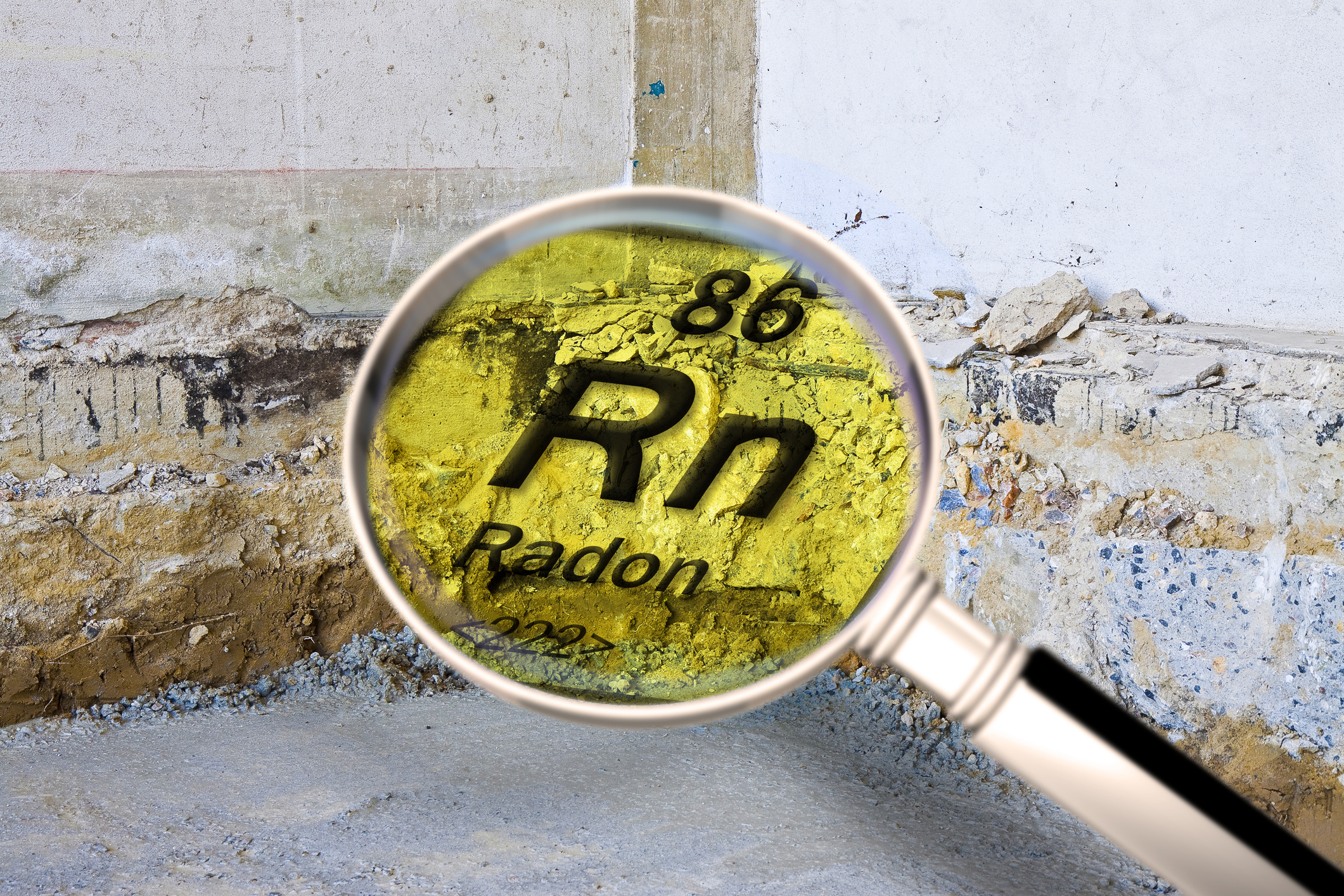
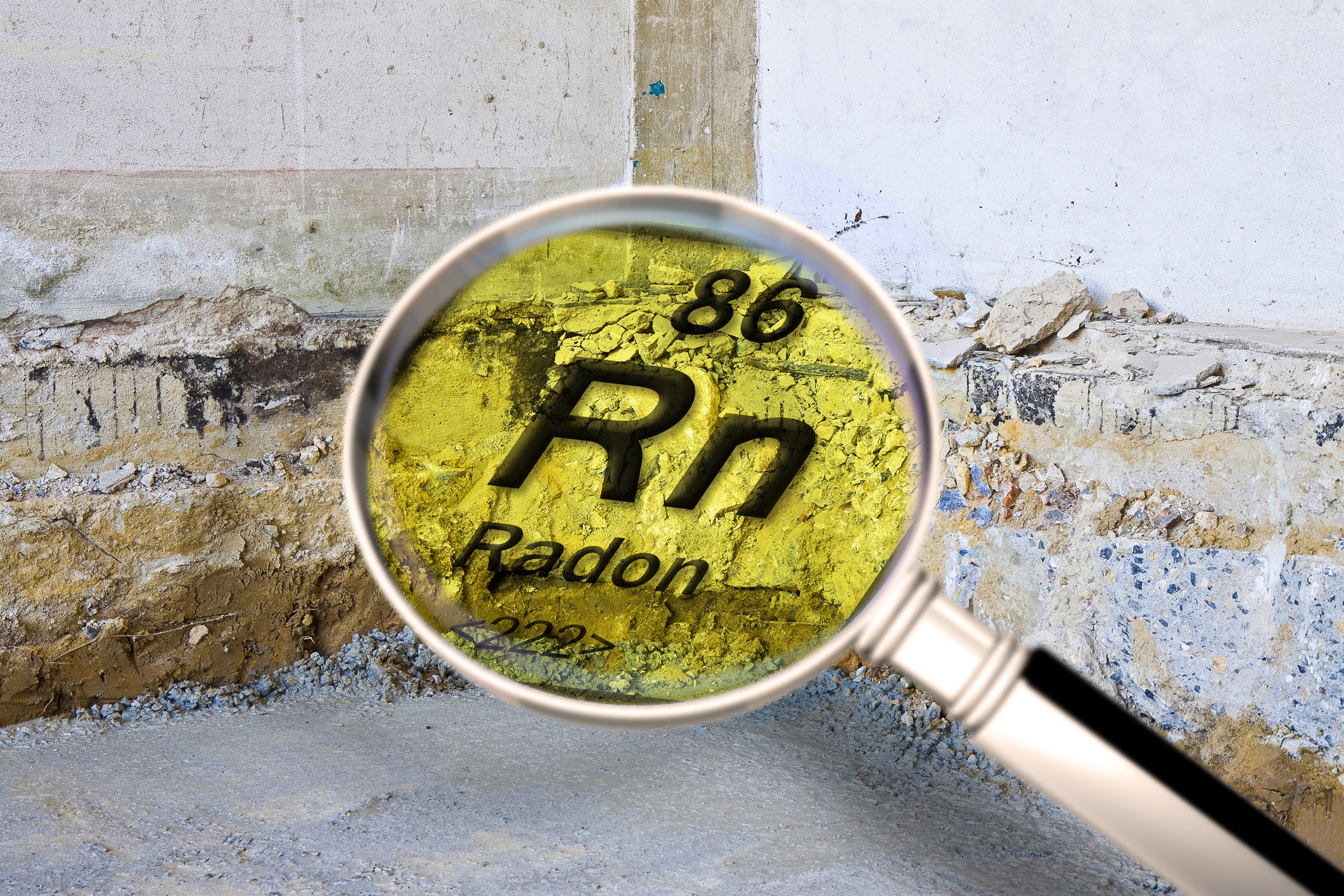
Through practical lessons and real-world examples, you'll be empowered to drive meaningful action and reduce radon-related health risks in your community.
Learning objectives
After completing the training, you will be able to:
- Outline why radon is an essential topic for public health professionals.
- Describe radon's properties and explain how it moves through environments.
- Summarize the health risks associated with radon exposure.
- Outline the recommended radon testing procedure and protocols.
- Identify strategies and resources for educating the public about radon.
Subject Matter Expert
-

Stefanie Santora, R.M.P.
Senior Radon Technologist Massachusetts Department of Public Health
Stefanie Santora has served as a Radon Professional for the Department of Public Health’s Bureau of Climate and Environmental Health for 20 years. As an Environmental Analyst, she is currently the Senior Radon Technologist for the Bureau’s Healthy Homes Radon Program. She is a member of the Indoor Environments Association and certified by their National Radon Proficiency Program as a Radon Measurement Professional.
Enrollment and Contact Hours
Select the Enroll button below to register for the course. If you have any trouble accessing the course, contact support@nephtc.org.
Acknowledgement:
This project is/was supported by the Health Resources and Services Administration (HRSA) of the U.S. Department of Health and Human Services (HHS) under grant number UB6HP31685 “Regional Public Health Training Center Program.” This information or content and conclusions are those of the author and should not be construed as the official position or policy of, nor should any endorsements be inferred by HRSA, HHS or the U.S. Government.
* Yale School of Public Health, Office of Public Health Practice, a New England Public Health Training Center partner, is a designated provider of continuing education contact hours (CECH) in health education by the National Commission for Health Education Credentialing, Inc. All CHES credit inquiries are managed by YSPH