 Conections in Primary Care.png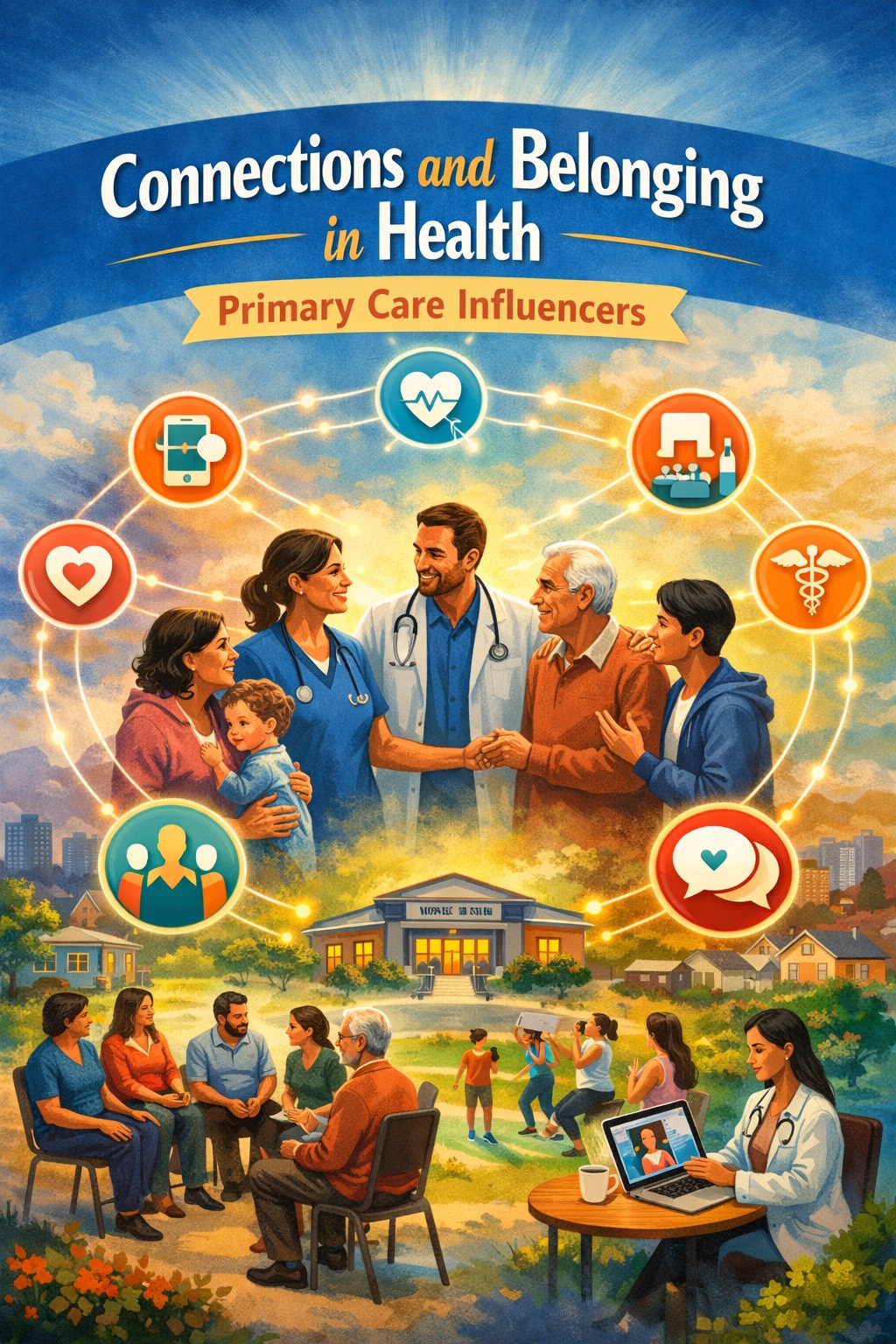
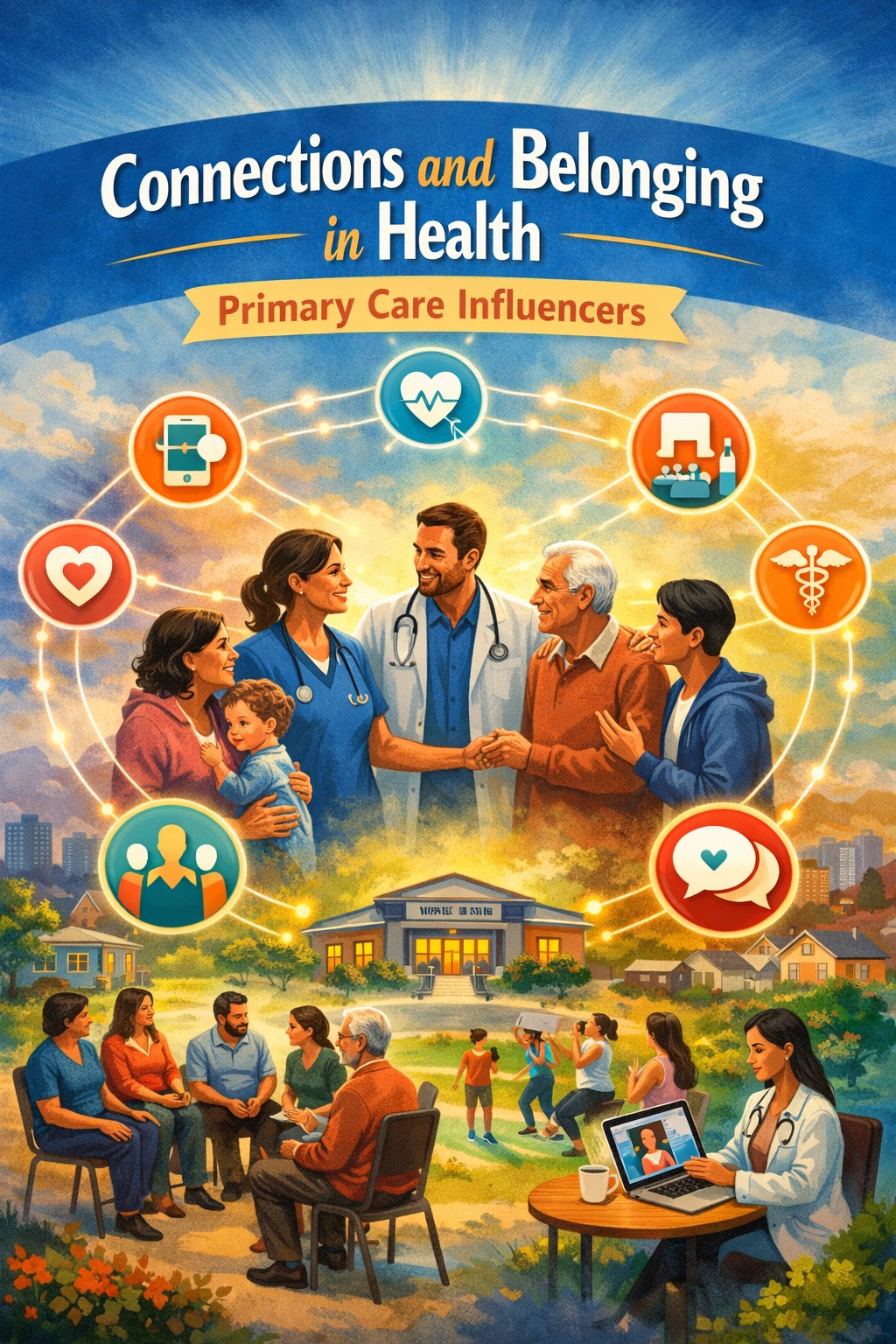
Connections and Belonging
in Health: Primary Care Influencers
How do
barriers to primary care impact outcomes, and how can we improve both patient
and provider satisfaction with primary care?
How do barriers to primary care impact outcomes, and how can we improve both patient and provider satisfaction with primary care?

Course Information
- Audience: Primary Care Providers, All public health professionals working in nonprofits, healthcare, educational institutions, government and private sector
- Format: Recorded Webinar
- Date/Time: April 2nd, 2026 1 hour
- Price: Free
- Length: 1 hour
- Credential(s) eligible for contact
If you are not seeking a CHES/MCHES contact hours, if you complete the post-test and evaluation, you will receive a Certificate of Completion. The Certificate will include the length of the course. NEPHTC is a designated provider of continuing education contact hours (CECH) in health education by the National Commission for Health Education Credentialing, Inc. This program is designated for Certified Health Education Specialists (CHES) and/or Master Certified Health Education Specialists (MCHES) to receive up to 1 total Category I continuing education contact hours. Maximum advanced-level continuing education contact hours are 1.
-
Provider ID:
-
Event ID:
-
Competencies: Community Dimensions of Practice Skills
-
Learning Level: Awareness
-
Companion Trainings: None
-
Supplemental materials: None
-
Pre-requisites: None
About this Webinar
Access to primary care is a cornerstone of health system effectiveness and patient well-being, yet in many regions, patients face unacceptably long wait times, sometimes exceeding two years, for an appointment with a primary care provider. These barriers to timely care not only undermine patient health outcomes but also erode the sense of belonging and connection that is vital to effective, person-centered health care. When individuals cannot access primary care, they are forced to seek help in urgent care or emergency room settings, which are ill-equipped to manage ongoing, preventative, or chronic health needs, and where continuity of care is often lost. This shift away from primary care disrupts the development of trusting patient-provider relationships, limits opportunities for holistic health management, and ultimately harms patient satisfaction and outcomes. The consequences of long waiting lists are compounded by high turnover among primary care providers, a trend driven by burnout, excessive workloads, and dissatisfaction with practice environments. When providers leave the workforce, continuity of care is further disrupted, and the remaining staff face even greater pressure, perpetuating a cycle of attrition and access challenges. Burnout and low job satisfaction are particularly acute among primary care clinicians, with studies showing that burnout directly predicts turnover and negatively impacts both provider and patient well-being. Addressing these challenges requires a multi-pronged approach. Increased funding for training and incentives for family nurse practitioners, physician associates, and physicians, especially those willing to practice in underserved areas, is essential to expand the primary care workforce. Equally important is the creation of practice settings that support healthy work-life balance, foster supportive team environments, and promote provider well-being. By investing in both workforce expansion and practice environment improvements, we can reduce wait times, enhance access to care, and restore the sense of belonging that is central to effective primary care.
Learning Objectives
-
Discuss the challenges of access to primary care that limits connection and belonging in health in Maine.
-
Identify opportunities to improve connection and belonging in health that are influenced by primary care in Maine.
Subject Matter Expert(s)
 Colleen Marzilli, PhD, DNP, MBA, APRN, FNP-BC, PHNA-BC, NEA-BC, CNE, CCM, MedSurg-BC, FNAP
Dr. Colleen Marzilli is a nurse leader, educator, and Family Nurse Practitioner dedicated to advancing nursing education, workforce development, and health equity. She serves as a professor at the University of Maine School of Nursing and Executive Director of the American Nurses Association–Maine, where she leads initiatives that strengthen nursing practice, advocacy, and professional development across the state. She also serves the community providing care in an urgent care setting. Dr. Marzilli is nationally recognized for her work in innovative teaching, patient-honoring care, leadership development, and integrating emerging technologies, artificial intelligence, into nursing education and healthcare practice.
Enrollment and Contact Hours
Select the Enroll button below to register for the course. If you have any trouble accessing the course, contact support@nephtc.org.
Acknowledgement: This project is supported by the Health Resources and Services Administration (HRSA) of the U.S. Department of Health and Human Services (HHS) as part of award 2 UB6HP31685‐05‐00 “Public Health Training Centers.” The contents are those of the author(s) and do not necessarily represent the official views of, nor an endorsement, by HRSA, HHS or the U.S. Government.This training was supported by the Health Resources and Services Administration (HRSA) of the U.S. Department of Health and Human Services (HHS) as part of a financial assistance award totaling $400,000 with 100% funded by HRSA/HHS and 0% funded by nongovernment source(s). The contents are those of the author(s) and do not necessarily represent the official views of, nor an endorsement, by HRSA/HHS, or the U.S. Government.
* Yale School of Public Health, Office of Public Health Practice, a New England Public Health Training Center partner, is a designated provider of continuing education contact hours (CECH) in health education by the National Commission for Health Education Credentialing, Inc. All CHES credit inquiries are managed by YSPH
Registration
Select the Enroll Me button below to register for this recording. If you have any trouble accessing the recording, contact support@nephtc.org.
Acknowledgement: This project is supported by the Health Resources and Services Administration (HRSA) of the U.S. Department of Health and Human Services (HHS) as part of award 2 UB6HP31685‐05‐00 “Public Health Training Centers.” The contents are those of the author(s) and do not necessarily represent the official views of, nor an endorsement, by HRSA, HHS or the U.S. Government.