How might we integrate creative expression into public health initiatives to improve health outcomes and cultivate community resilience?
Course Information
Audience:All public health professionals working in nonprofits, healthcare, educational institutions, government and private sector
Format:Webinar
Date/Time:June, 5, 2025 12:00 PM – 1:00 PM ET.
Price:Free
Length:1 hour
Credential(s) eligible for contact hours:Sponsored by New England Public Health Training Center (NEPHTC), a designated provider of continuing education contact hours (CECH) in health education by the National Commission for Health Education Credentialing, Inc. This program is designated for Certified Health Education Specialists (CHES) and/or Master Certified Health Education Specialists (MCHES) to receive up to 1 total Category I continuing education contact hours. Maximum advanced-level continuing education contact hours are 1. Provider ID: Event ID: .
If you are not seeking a CHES/MCHES contact hours, if you complete the post-test and evaluation, you will receive a Certificate of Completion. The Certificate will include the length of the course.
Competencies:Public Health Sciences Skills
Learning Level:Awareness
Companion Trainings:None
Supplemental materials:None
Pre-requisites:PowerPoint and follow up email with any links mentioned during the presentaiton
About this Webinar
Join music therapist Kate Beever to learn about ways health professionals can incorporate expressive arts into their lives and work. Learn specific ways the arts impact brain functioning, reduce burnout, and improve health outcomes. You’ll come away with at least one creative intervention to integrate into your own work.
What you'll learn
At the end of this training, you will have learned:
To examine the relationship between music and the brain for a clear
understanding of why music is able to help with speech, movement, and
expression.
Specific initiatives in healthcare settings that use the arts to
address multiple health goals at once, leaving with at least one
prototype for your own setting.
How to justify the addition of arts interventions by understanding
the way arts experiences generalize to other areas of health, improve
overall well-being, and reduce the need for care.
To evaluate the ethical implications involved in therapeutic music/adaptive music work
Subject Matter Expert
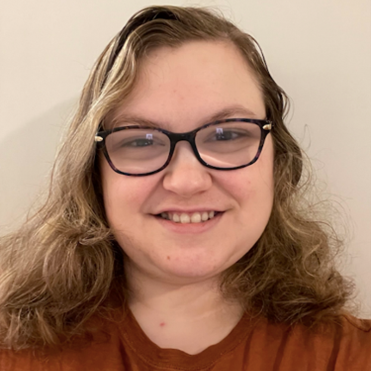
Kate Beever
Kate Beever is an experienced and professional advocate for access to arts and healthcare. Her business, Maine Music & Health, was founded in 2011 and has won awards from the SBA and INC Magazine. She works as a music therapist in pediatric palliative care and adult neuro rehab. Beever created the Creative Health Conference and co-founded Expressive Wellness Trainings; both endeavors build relationships between arts and health professionals. She is a fellow in the National Arts Strategies' Creative Communities. Beever is also a performing percussionist, having toured and recorded internationally.
Enrollment and Contact Hours
Select the Enroll button below to register for the course. If you have any trouble accessing the course, contact support@nephtc.org.
Acknowledgement: This project is supported by the Health Resources and Services Administration (HRSA) of the U.S. Department of Health and Human Services (HHS) as part of award 2 UB6HP31685‐05‐00 “Public Health Training Centers.” The contents are those of the author(s) and do not necessarily represent the official views of, nor an endorsement, by HRSA, HHS or the U.S. Government. This training was supported by the Health Resources and Services Administration (HRSA) of the U.S. Department of Health and Human Services (HHS) as part of a financial assistance award totaling $400,000 with 100% funded by HRSA/HHS and
0% funded by nongovernment source(s). The contents are those of the author(s) and do not necessarily represent the official views of, nor an endorsement, by HRSA/HHS, or the U.S. Government.
* Yale School of Public Health, Office of Public Health Practice, a New England Public Health Training Center partner, is a designated provider of continuing education contact hours (CECH) in health education by the National Commission for Health Education Credentialing, Inc. All CHES credit inquiries are managed by YSPH
Registration
Select the Enroll Me button below to register for this recording. If you have any trouble accessing the recording, contact support@nephtc.org.
Acknowledgement: This project is supported by the Health Resources and Services Administration (HRSA) of the U.S. Department of Health and Human Services (HHS) as part of award 2 UB6HP31685‐05‐00 “Public Health Training Centers.” The contents are those of the author(s) and do not necessarily represent the official views of, nor an endorsement, by HRSA, HHS or the U.S. Government.
How can safer streets and active transportation drive both economic growth and save lives in Maine's Downtown?
Course Information
Audience:All public health professionals working in nonprofits, healthcare, educational institutions, government and private sector
Format:Webinar
Date/Time:May, 1, 2025 12:00 PM – 1:00 PM ET.
Price:Free
Length:1 hour
Credential(s) eligible for contact hours:Sponsored by New England Public Health Training Center (NEPHTC), a designated provider of continuing education contact hours (CECH) in health education by the National Commission for Health Education Credentialing, Inc. This program is designated for Certified Health Education Specialists (CHES) and/or Master Certified Health Education Specialists (MCHES) to receive up to 1 total Category I continuing education contact hours. Maximum advanced-level continuing education contact hours are 1. Provider ID: Event ID: .
If you are not seeking a CHES/MCHES contact hours, if you complete the post-test and evaluation, you will receive a Certificate of Completion. The Certificate will include the length of the course.
Competencies:Public Health Sciences Skills
Learning Level:Awareness
Companion Trainings:None
Supplemental materials:None
Pre-requisites:None
About this Webinar
Explore how active transportation—biking and walking—can transform Maine’s downtown areas into vibrant, safe, and economically resilient places. Through the lens of Vision Zero and public health, we’ll highlight how mobility investments reduce injuries, boost local business, and support livable communities.
What you'll learn
How Complete Streets & Vision Zero applies to Maine’s downtowns and smaller communities.
The economic benefits of bike- and pedestrian-friendly design.
Real-world examples of active transportation enhancing local vitality.
Strategies for cross-sector collaboration between transportation, health, and community partners.
Subject Matter Expert
Andrew Zarro
Andrew Zarro is the Executive Director of the Bicycle Coalition of Maine. With a background in public policy, entrepreneurship, community development and sustainable transportation, Andrew leads statewide efforts to make biking and walking safer, more accessible, and more integrated into the fabric of Maine communities.
Enrollment and Contact Hours
Select the Enroll button below to register for the course. If you have any trouble accessing the course, contact support@nephtc.org.
Acknowledgement: This project is supported by the Health Resources and Services Administration (HRSA) of the U.S. Department of Health and Human Services (HHS) as part of award 2 UB6HP31685‐05‐00 “Public Health Training Centers.” The contents are those of the author(s) and do not necessarily represent the official views of, nor an endorsement, by HRSA, HHS or the U.S. Government. This training was supported by the Health Resources and Services Administration (HRSA) of the U.S. Department of Health and Human Services (HHS) as part of a financial assistance award totaling $400,000 with 100% funded by HRSA/HHS and
0% funded by nongovernment source(s). The contents are those of the author(s) and do not necessarily represent the official views of, nor an endorsement, by HRSA/HHS, or the U.S. Government.
* Yale School of Public Health, Office of Public Health Practice, a New England Public Health Training Center partner, is a designated provider of continuing education contact hours (CECH) in health education by the National Commission for Health Education Credentialing, Inc. All CHES credit inquiries are managed by YSPH
Registration
Select the Enroll Me button below to register for this recording. If you have any trouble accessing the recording, contact support@nephtc.org.
Acknowledgement: This project is supported by the Health Resources and Services Administration (HRSA) of the U.S. Department of Health and Human Services (HHS) as part of award 2 UB6HP31685‐05‐00 “Public Health Training Centers.” The contents are those of the author(s) and do not necessarily represent the official views of, nor an endorsement, by HRSA, HHS or the U.S. Government.
Audience:Members of the Massachusetts Association of Community Health Workers (MACHW)
Format:Online Workshop
Date/Time:Thursday July 8, 2021 10:00 AM to 11:30 AM EST
Price:Free
Length:1.5 hours
Credential(s) eligible for contact hours:Sponsored by New England Public Health Training Center (NEPHTC). MACHW and NEPHTC are pleased to offer a certificate of completion to all attendees and for Mass CHWS who complete this 1.5 hour webinar you will receive 1.5 CEUs for renewal of your CHW certification. Please return to nephtc.org complete the evaluation and you can obtain a downloadable certificate with your name and date of download.
Competencies: Effective Communication,
Cultural
Responsiveness and Mediation, Education to Promote Healthy Behavior Change, Use of Public Health Concepts and Approaches, Advocacy and
Community Capacity Building
This MACHW interactive workshop series aims to support CHWs as they strive to serve their clients during these challenging times. The workshop formats will include expert panels, Q and A, and case studies on critical issues from across Massachusetts.
Community Health Workers are central in supporting the health of the communities they work with, and yet, they are often at risk for burnout themselves due to inequitable work conditions. This workshop will discuss strategies for voice and reflect
on how to improve well-being at work.
At the end of the workshop, participants will be able to:
Explore the connection between workers’ voices and their well-being as individuals, and as a collective group.
Discuss benefits of worker unions and strategies for organizing workers in health and social services.
Discuss strategies for voicing and improving well-being at work
Recognize how systemic oppressions and practices impact our work and well being
Subject Matter Expert
Yaminette Diaz
Yaminette Díaz-Linhart is a PhD candidate at Brandeis University. Her research explores how worker voice and representation impact well-being outcomes for health care and social service workers. She is currently conducting a study to understand the well-being of community health workers in Massachusetts.
Kimberly Mendoza
Kimberly Mendoza Iraheta is a CHW and Regional Chapter Leader in Greater-Boston for the Massachusetts Association of Community Health Workers.
Lisette Blondet
Lissette Blondet is the director of the Massachusetts Association of Community Health Workers (MACHW). She has dedicated most of her professional life to anchoring community health workers (CHWs) as public health professionals.
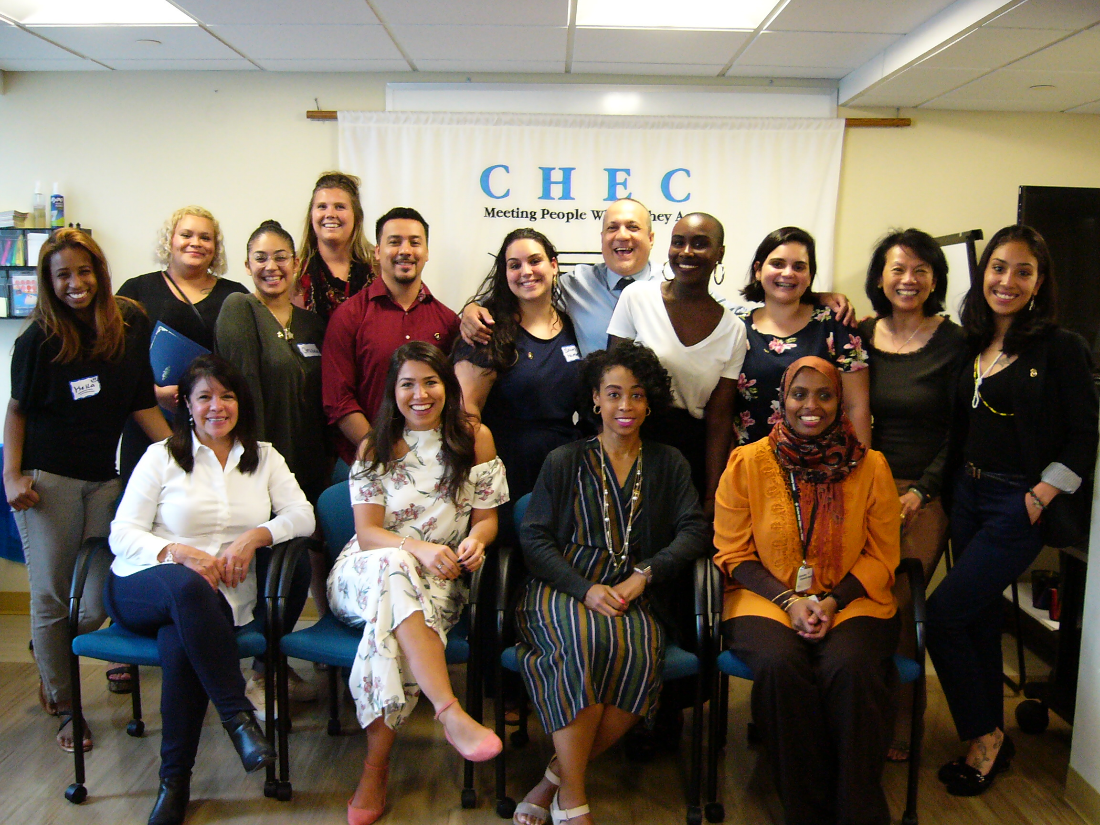
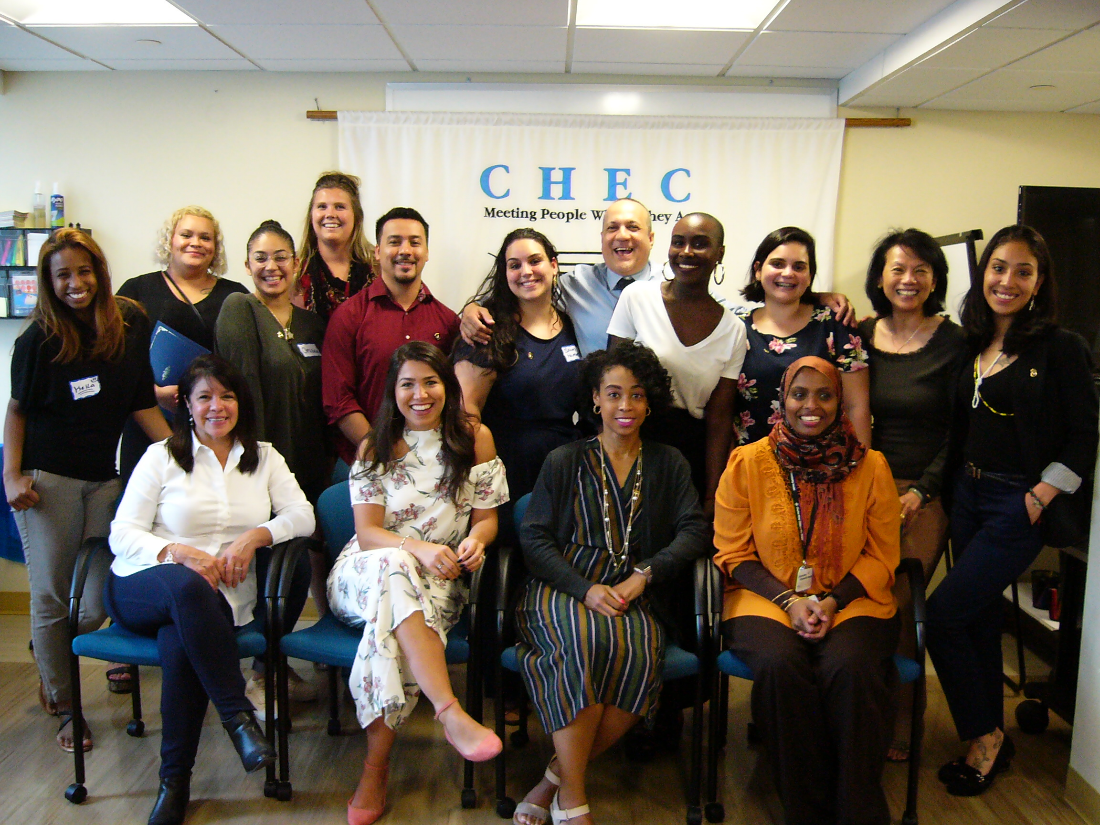
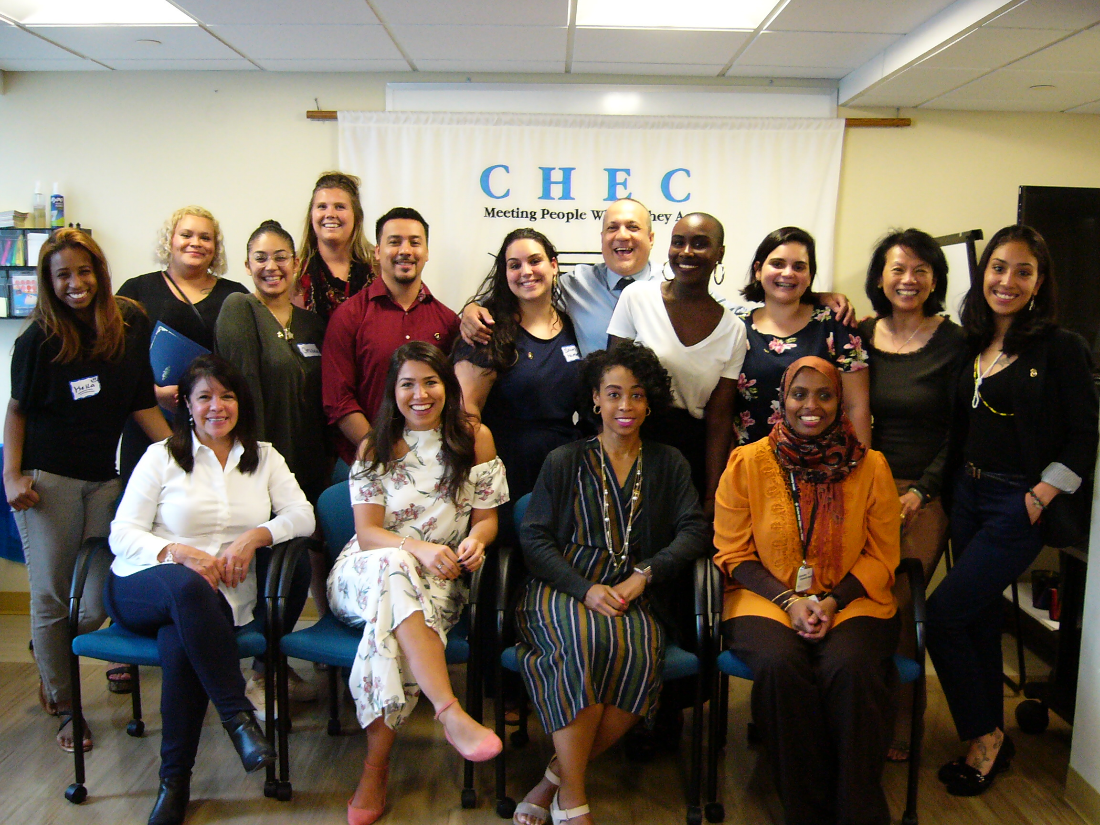
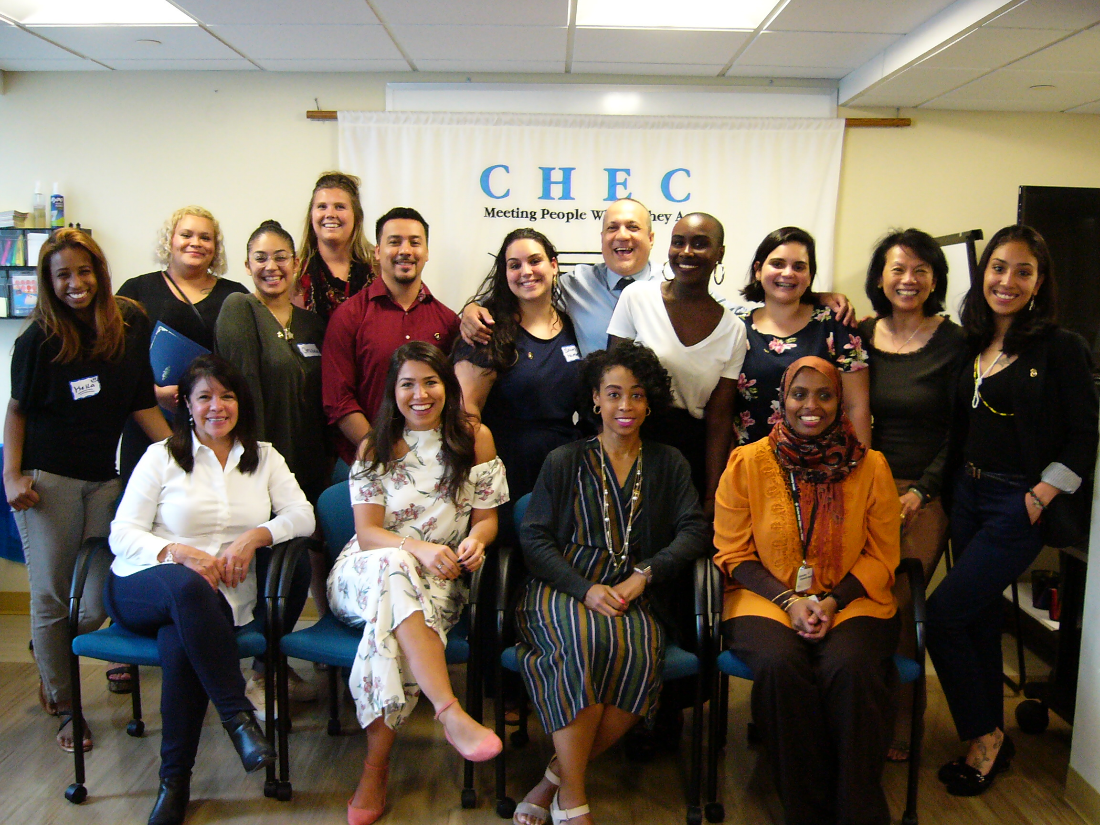
In 1993, she founded the Community Health Education Center (CHEC), one of the first training and resource centers for CHWs in the country. CHEC’s standards for CHW curricula and core competencies have been replicated in other states. The program was so successful that in 1997, the Massachusetts Department of Public Health funded its expansion to the northeast region of the state. Both centers, CHEC Boston and CHEC Northeast are still thriving and have graduated over a thousand CHWs.
More recently, Lissette provided technical assistance to the Prevention and Wellness Trust Fund on community health and community health workers. She also previously served as Director of Community Benefits for Cape Cod Healthcare, focusing on making healthcare accessible to the underserved while building her experience in healthcare financing.
As the director of MACHW, Lissette brings all her experience and skills to strengthen the association and strategically position the workforce to seize the many opportunities now available through health care reform, including reimbursement and broad recognition of the attributes and competencies of CHWs.
Jamie Berberena
Jamie Berberena is the Southeast Regional Leader and Advisory Board member with the Massachusetts Association of Community Health Workers. She is a passionate public health advocate focused on promoting racial equity throughout Massachusetts. With over a decade of experience promoting the health and well-being of diverse communities across Massachusetts by providing direct support and guidance through community-based programs, multi-disciplinary clinical programs and health policy initiatives.
Areliz Barbosa
Areliz Barbosa is a CHW and is the Regional Chapter Leader for Western Massachusetts for the Massachusetts Association of Community Health Workers.
Registration
Select the Enroll Me button below to register for this workshop. If you have any trouble accessing the workshop, contact support@nephtc.org.
Acknowledgement:
This project is supported by the Massachusetts Department of Public
Health
This project is/was supported by the Health Resources and Services Administration (HRSA) of the U.S. Department of Health and Human Services (HHS) under grant number UB6HP31685 “Regional Public Health Training Center Program”. This information or content and conclusions are those of the author and should not be construed as the official position or policy of, nor should any endorsements be inferred by HRSA, HHS or the U.S. Government.
To Learn more about the Massachusetts Association of Community Health Workers please visit:www.machw.org
How do public health and housing officials comprehensively and uniformly enforce housing-related laws and regulations in Massachusetts? Learn how to enforce State Sanitary Codes 105 CMR 400.000 and 410.000 in this blended course.
Audience:Inspectors from municipal and state agencies charged with enforcement of housing- related laws and regulations and laws as well as attorneys, court personnel, and others who work on housing-related matters.
Format:Blended
Start Date:May 6, 7, and 12 2020
Price:$100 for MHOA members, $150 for non-members.
Contact hours:Online learning: 8 contact hours for RS and CHO and RN; Classroom (3 days): 22.5 contact hours for RS and CHO
Length:Generally takes six to nine months to complete, with a one year maximum.
Competencies:Housing, Health Promotion and Disease Prevention
Four online self-paced trainings: (Note that you must select the Enroll option for all four prerequisite trainings in order to receive a Certificate of Completion.)
This course is designed to train public health and housing officials to comprehensively and uniformly enforce housing-related laws and regulations, including State Sanitary Codes (SSC) 105 CMR 400.000: General Administrative Procedures and 410.000:
Minimum Standards of Fitness for Human Habitation, which we will refer to as 400 and 410, respectively.
At the conclusion of the course, a Certificate of Completion will be provided to all learners who successfully complete the 5 course elements listed below. A contact hour certificate (7.5 hours/day) can be printed or saved after evaluations are submitted
at the conclusion of each of the three classroom days. Self-paced modules that you completed as part of the course offer additional certificates and credits.
Course Elements consist of the following:
Pre-Classroom Assignments (include prerequisite online trainings and a pre-test)
Classroom Training (3 days)
Virtual House Inspection
Supervised Field Training (minimum of 5)
Online Final Assessment (minimum grade of 70% to pass)
What you'll learn
After completing the course, participants will be able to:
Inspect various types of housing to protect the health, safety, and well-being of occupants and the general public, in accordance with state laws and regulations
Conduct appropriate enforcement procedures until compliance with regulatory standards is achieved
Meet the Primary Instructors
Paul Halfmann, Assistant Director of Community Sanitation
Program
Massachusetts Department of Public Health
Amy Riordian, Environmental Analyst MDPH Community Sanitation
Program
Enrollment and Contact Hours
The May 2010 class is now accepting applications. The places are limited, and will be assigned on a first come - first served basis. For those already registered, you will receive an enrollment email ahead of the start date to access
the course materials and pre-work assignments
Enter the enrollment key provided in your email in the field below and then select Enroll me.
Trouble accessing the course or other course-related questions? Contact Seth Eckhouse at seckhous@bu.edu.
Want a friendly
place to share challenges, successes, templates and QI strategies with your workforce/training
development Retgion 1 New England TRAIN-user peers?
Audience:HD TRAIN users, course providers that work closely with HD for WFD
Format:Cohort on Zoom
Date/Time:Kickoff November 28, 2023, 10:00-10:55am, further dates TBD by group
Price:Free
Length:60 minutes on Zoom with the option of additional time for those who want to go deeper into a topic area
Credential(s) eligible for contact hours:None
Competencies:Management and Finance Skills,
Leadership and Systems Thinking Skills
Learning Level:Performance
Prerequisites:Role using TRAIN for WFD and/or for HD goals
Supplemental Materials:Resources from each session will be shared inside this course page.
Description
This course is available to New England Region 1 health
department (HD) workforce development (WFD) staff and partners supporting HD
WFD goals. If you have not been invited but would like to join, email Karla
Todd Barrett, NEPTHC Program Manager, toddks@bu.edu
This learning collaborative
is intended to be a low pressure group that shares challenges, successes and
practical tips and strategies for working with TRAIN in a health department.
Participants will prioritize topics, and course organizers will work with
participants and workforce development networks to identify “expert-practitioners”
who can share their best practices.
Topics may include marketing, onboarding for course providers, course development, reporting, back end organization, TRAIN and PHAB, and other topics TBD.
Learning Objectives
Learning objectives to be determined for each session.
Example:
Identify
marketing roles and synergies for HD WFD staff and for course providers
Discuss
how TRAIN courses can be marketed across programs/externally
Analyze
marketing challenges associated with TRAIN and continuing education
programs
Describe
two potential process improvements in TRAIN marketing
Instructors / Subject Matter Experts
Rachael Sardinha
Co-Facilitator Collaborative Host Team
Rachael Sardinha has been working in the Rhode Island Department of Health (RIDOH) Academic Institute since 2019. She is the Public Health and Healthcare Workforce Development Lead, through which she manages and provides support to multiple training and adult education programs. Rachael also serves as the Rhode Island TRAIN Administrator and is a board member for the RIDOH Institutional Review Board (IRB). She received her undergraduate degree in Kinesiology from the University of Rhode Island in 2019 and will have received her Master’s in Public Health from the New England Institute of Technology by October 2023.
Kathi Traugh
Co-Facilitator Collaborative Host Team
Kathi Traugh, MPH, has worked in public health continuing education at the Office of Public Health Practice in the Yale School of Public Health for over 20 years. Now semi-retired from her position as Director of Public Health Workforce Development and Distance Learning, her career focus has been on designing and implementing continuing education programs for public health practitioners, providing technical assistance to public health agencies on workforce development and supporting use of technology for professional development. Traugh has worked on the New England Public Health Training Center and the Yale Center for Public Health Preparedness grants, as well as many professional development and capacity building programs with the CT Department of Public Health and local health departments. She is a past chair of the Association of Schools and Programs in Public Health (ASPPH) Continuing Education Council and a past-president of the Connecticut Public Health Association.
Karla Todd Barrett
Co-Facilitator Collaborative Host Team
Karla Todd Barrett is the Senior Program Manager and Training Specialist at the Boston University School of Public Health (BUSPH). She manages overall operations and partnerships for HRSA-funded New England Public Health Training Center (NEPHTC), including training development, data analysis, reporting and governance. Ms. Todd Barrett has authored or presented about NEPHTC training innovations for the public health workforce at NACCHO, APHA, NNPHI, SOPHE and NACCHO Emergency Preparedness. In the past year, NEPHTC reached over 60,000 participants, through 500+ trainings, in collaboration with health departments, associations, and other academic institutions, reaching a diverse public health professional workforce
Registration
Select the Enroll Me button below to register for this course. If you have any trouble accessing content, contact support@nephtc.org.
Acknowledgement: This project is/was supported by the Health Resources and Services Administration (HRSA) of the U.S. Department of Health and Human Services (HHS) under grant number UB6HP31685 “Regional Public Health Training Center Program.” This information or content and conclusions are those of the author and should not be construed as the official position or policy of, nor should any endorsements be inferred by HRSA, HHS or the U.S. Government.
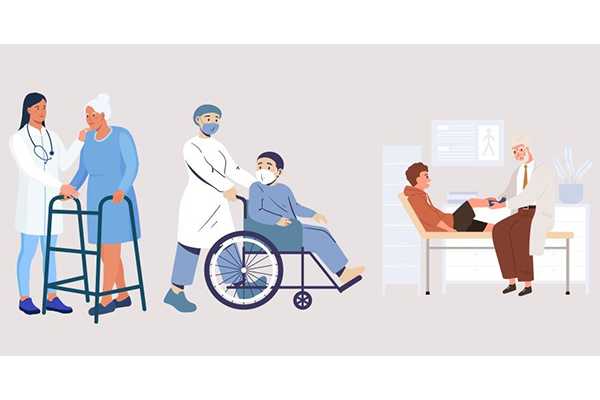
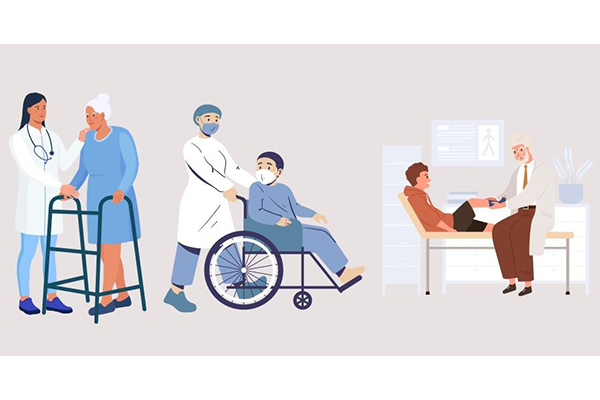
How do societal attitudes and physical infrastructural limitations
intersect to create barriers to accessing healthcare for individuals with
disabilities, and what systemic changes are necessary to ensure increased access to healthcare services for this population?
Audience:All public health professionals working in nonprofits, healthcare, educational institutions, government and private sector
Format:Webinar
Date/Time:Thursday, May 2, 2024, 12:00 PM – 1:00 PM ET
Price:Free
Length:1 hour
Credential(s) eligible for contact hours:Sponsored by New England Public Health Training Center (NEPHTC), a designated provider of continuing education contact hours (CECH) in health education by the National Commission for Health Education Credentialing, Inc. This program is designated for Certified Health Education Specialists (CHES) and/or Master Certified Health Education Specialists (MCHES) to receive up to 1 total Category I continuing education contact hours. Maximum advanced-level continuing education contact hours are 1. Provider ID: 1131137 Event ID:TBA If you are not seeking a CHES/MCHES contact hours, if you complete the evaluations, you will receive a Certificate of Completion. The Certificate will include the length of the course.
Competencies:Health Equity Skills
Learning Level:Awareness
Companion Trainings:None
Supplemental materials:PowerPoint and follow-up email with any links mentioned during presentation.
Pre-requisites:None
Technical Requirements:This webinar is hosted on the Zoom platform. Please refer to the Zoom System Specifications to ensure your system meets the minimum requirements for connecting.
About this Webinar
People with disabilities face numerous barriers
in accessing health care, and while, the barriers to care are numerous and
diverse there has been little research done to capture information from people
with disabilities directly, in their own words. Disability Rights Maine
conducted a mixed-methods research project with the goal of identifying and
quantifying the barriers Mainers with disabilities face when accessing health
care services. This presentation will share history of how the project came to
be, key findings, and describe how the findings can be used to work towards
system- and policy-level changes.
What you'll learn
At the end of the webinar, participants will be able to:
Discuss barriers to high-quality and appropriate healthcare for people with disabilities
Identify potential strategies to address healthcare access and equity issues faced by people with disabilities
Subject Matter Expert
Jennifer Battis
Jennifer Battis is the Health Equity Project Coordinator at Disability Rights Maine (DRM) where she works to reduce systemic- and policy-level barriers to improve healthcare access and quality for people with disabilities across the state of Maine. She has over 14 years of experience working to ensure community voices are included in research and evaluation work. Most recently, she has worked with people with disabilities across the state of Maine to release a report called “’I Don’t Get the Care I Need’: Equitable Access to Health Care for Mainers with Disabilities” which described barriers to accessing health care. Prior to working at DRM, she lead evaluations and provided technical assistance to local and cross-site projects in Maine and across the United States
Registration
Select the Enroll Me button below to register for this recording. If you have any trouble accessing the recording, contact support@nephtc.org.
Acknowledgement: This project is supported by the Health Resources and Services Administration (HRSA) of the U.S. Deparment of Health and Human Services (HHS) as part of award 2 UB6HP31685‐05‐00 “Public Health Training Centers.” The contents are those of the author(s) and do not necessarily represent the official views of, nor an endorsement, by HRSA, HHS or the U.S. Government.
Audience:Public Health Professionals, Community Health Workers, Medical Professionals
Format:Self-paced
Price:Free
Length:1 hour
Credential(s) eligible for contact hours:
Sponsored by New England Public Health Training Center (NEPHTC), a designated provider of continuing education contact hours (CECH) in health education by the National Commission for Health Education Credentialing, Inc. This program is designated for Certified Health Education Specialists (CHES) and/or Master Certified Health Education Specialists (MCHES) to receive up to 1 total Category I continuing education contact hours. Maximum advanced-level continuing education contact hours are 0. Provider ID: 1131137 Event ID: PM1131137_DEIFPH If you are not seeking a CHES/MCHES contact hours, if you complete the post-test and evaluation, you will receive a Certificate of Completion. The Certificate will include the length of the course.
Competencies:Communication Skills
Learning Level:Awareness
Supplemental materials: None
Pre-requisites: None
Technical Requirements:This training was created with Articulate Storyline. Please refer to the Articulate 360 System Specifications to ensure your system meets the minimum requirements for viewing.
About this course
Effective communication is an essential element of public health efforts. Public health professionals need ways to make health messages easy to understand for all members of the community they serve as health information can often be complex. Infographics
are a dynamic way to share information, both in print and digital form. Public health professionals should be able to create effective and well-designed infographics to share important public health messages as a part of their public health communication
strategy.
What you'll learn
After completing the training, you will be able to...
List 4 elements required to develop a good health infographic
Explain what makes an effective infographic
Define the "Design Thinking Process"
Use 2 Plain Language resources to simplify scientific writing
List the 7 design principles for infographics
Describe the 4 domains of the CDC Clear Communication Index
List 2 ways to ensure infographics are Section 508 compliant
List the 3 steps to test infographics before release
Subject Matter Expert
Ojaswini Bakshi
MPH Program Director, Local Public Health Institute of Massachusetts
Enrollment and Contact Hours
Note there are two different options for enrolling in this course highlighted in the table below.
The Certificate of Completion will include the length of the module. Generally 50 – 60 minutes is equivalent to 1 contact hour. Contact hours may be applicable towards continuing education requirements for certain credentials. Check with your credentialing
body to verify if the topic meets its continuing education requirements.
Acknowledgement: This project is supported by the Health Resources and Services Administration (HRSA) of the U.S. Department of Health and Human Services (HHS) as part of award 2 UB6HP31685‐05‐00 “Public Health Training Centers.” The contents are those of the author(s) and do not necessarily represent the official views of, nor an endorsement, by HRSA, HHS or the U.S. Government.
¿Cómo pueden los trabajadores en el campo de la salud crear planes de alcance efectivos que resuelvan las necesidades de las poblaciones vulnerables? Conoce los componentes clave de un plan de alcance efectivo.
Credencial(s) elegibles para horas de contacto:
Patrocinado por New England Public Health Training Center (NEPHTC), un proveedor designado de horas de contacto de educación continua (CECH) en educación para la salud por la Comisión Nacional de Credencial de Educación para la Salud, Inc. Este programa está designado para Especialistas Certificados en Educación de Salud (CHES) y/o Especialistas Certificados en Educación de Salud (MCHES) para recibir hasta un total de 1 horas de contacto de educación continua de Categoría I. Las horas máximas de contacto de educación continua de nivel avanzado son 1. ID del proveedor: 1131137 ID del evento: SS1131137_IMEA.
Si no está buscando un horario de contacto de CHES/MCHES, si completa el post-test y la evaluación, recibirá un Certificado de Finalización. El certificado incluirá la duración del curso.
Competencias:Habilidades de Asociación Comunitaria
Como un promotor de salud en la comunidad, una función clave es proveerles cuidados a poblaciones vulnerables para poder conectarlos con los servicios apropiados. Para lograr esto, los trabajadores en el campo de la salud deben identificar cuando
debería realizarse una tarea de alcance y como desarrollar un plan de alcance efectivo.
Qué aprenderás
Tras completar este curso, podrás:
Describir qué son las tareas de alcance y los componentes del Modelo de Alcance de la Salud
Identificar las cualidades y características de una población vulnerable y qué inicia el trabajo de alcance
Conocer tips que te mantendrán seguro en tus esfuerzos
Describir cómo seleccionar métodos y estrategias de alcance efectivos
Listar los elementos de un plan de alcance efectivo
Directora Western Massachusetts Public Health Training Center
Horario de Registro y Contacto
El Certificado de Realización incluirá la duración del módulo. Generalmente 50-60 minutos equivalen a 1 hora de contacto. Las horas de contacto pueden utilizarse para cumplir con los requisitos de ciertas credenciales. Confirme con su ente acreditador
para verificar si este tema cumple con sus requisitos de educación continua.
Este Proyecto ha sido/fue subsidiado por la Administración de Recursos y Servicios de Salud (HRSA) del Departamento de Salud y Servicios Sociales de los Estados Unidos (HHS) bajo el número de subsidio UB6HP27877 “Programa Centro Regional de
Entrenamiento en Salud”. La información, contenido y conclusiones son propias del autor y no deben considerarse como la posición o política oficial del HRSA, HHS o del Gobierno de los Estados Unidos.
Credential(s) eligible for contact hours:Sponsored by New England Public Health Training Center (NEPHTC), a designated provider of continuing education contact hours (CECH) in health education by the National Commission for Health Education Credentialing, Inc. This program is designated for Certified Health Education Specialists (CHES) and/or Master Certified Health Education Specialists (MCHES) to receive up to 1 total Category I continuing education contact hours. Maximum advanced-level continuing education contact hours are 1. Provider ID: 1131137 Event ID: SS1131137_IOMS. If you are not seeking CHES/MCHES contact hours, if you complete the evaluation, you will receive a Certificate of Completion. The Certificate will include the length of the course.
Technical Requirements:This training was created with Articulate Storyline. Please refer to the Articulate 360 System Specifications to ensure your system meets the minimum requirements for viewing.
About this course
Every day, Community Health Workers build bridges between people and the care, services, and support they need. In this course, you’ll explore what outreach really means, who it’s designed to reach, and how to choose the right strategies for different situations. We’ll also walk through the National Outreach Guidelines for Underserved Populations, practical safety tips, and simple tools you can use to plan and evaluate your own outreach activities.
What you'll learn
After completing this course, you will be able to...
Define “health outreach” and describe the key components of the Community Health Outreach Model
Identify vulnerable and underserved populations and recognize common signals that prompt outreach
Build trust with community members by practicing cultural humility, maintaining self-awareness of personal biases, and showing respect for varying experiences and perspectives
Demonstrate safety awareness and professional boundaries when planning and conducting outreach in community and field settings
Develop an effective outreach plan
Subject Matter Expert
This course had been updated by WePair Health as of 2026. WePair Health is the first AI-enabled career marketplace, built by and for Community Health Workers and Doulas.
Enrollment and Contact Hours
Note there are two different options for enrolling in this course highlighted in the table below.
The Certificate of Completion will include the length of the module. Generally 50 – 60 minutes is equivalent to 1 contact hour. Contact hours may be applicable towards continuing education requirements for certain credentials. Check with your credentialing
body to verify if the topic meets its continuing education requirements.
This project is/was supported by the Health Resources and Services Administration (HRSA) of the U.S. Department of Health and Human Services (HHS) under grant number UB6HP27877 “Regional Public Health Training Center Program”. This information
or content and conclusions are those of the author and should not be construed as the official position or policy of, nor should any endorsements be inferred by HRSA, HHS or the U.S. Government.
Audience:Public health professionals, nurses, veterinarians, human health clinicians, environmental scientists, students, and others interested in the health of humans, animals and the environment
Format:Self-paced online training
Price:Free
Length:1 hour
Credential eligible for contact hours:
CHES: Sponsored by New England Public Health Training Center (NEPHTC), a designated provider of continuing education contact hours (CECH) in health education by the National Commission for Health Education Credentialing, Inc. This program is designated for Certified Health Education Specialists (CHES) and/or Master Certified Health Education Specialists (MCHES) to receive up to 1 total Category I continuing education contact hour. Maximum advanced-level continuing education contact hour is 1. Provider ID: 1131137 Event ID: 08122020. If you are not seeking a CHES/MCHES contact hours, if you complete the post-test and evaluation, you will receive a Certificate of Completion. The Certificate will include the length of the course.
Credential eligible for contact hours:NCPD (Nursing Continued Professional Development) Accreditation: Boston University School of Medicine Continuing Nursing Education is accredited with distinction as a provider of nursing continuing professional development by the American Nurses Credentialing Center's Commission on Accreditation. Contact Hours: 1.0
Competencies:Leadership and Systems Thinking Skills
Learning Level:Awareness
Companion trainings:None
Pre-requisites:None
Technical Requirements:This training was created with Articulate Storyline. Please refer to the Articulate 360 System Specifications to ensure your system meets the minimum requirements for viewing.
About this course
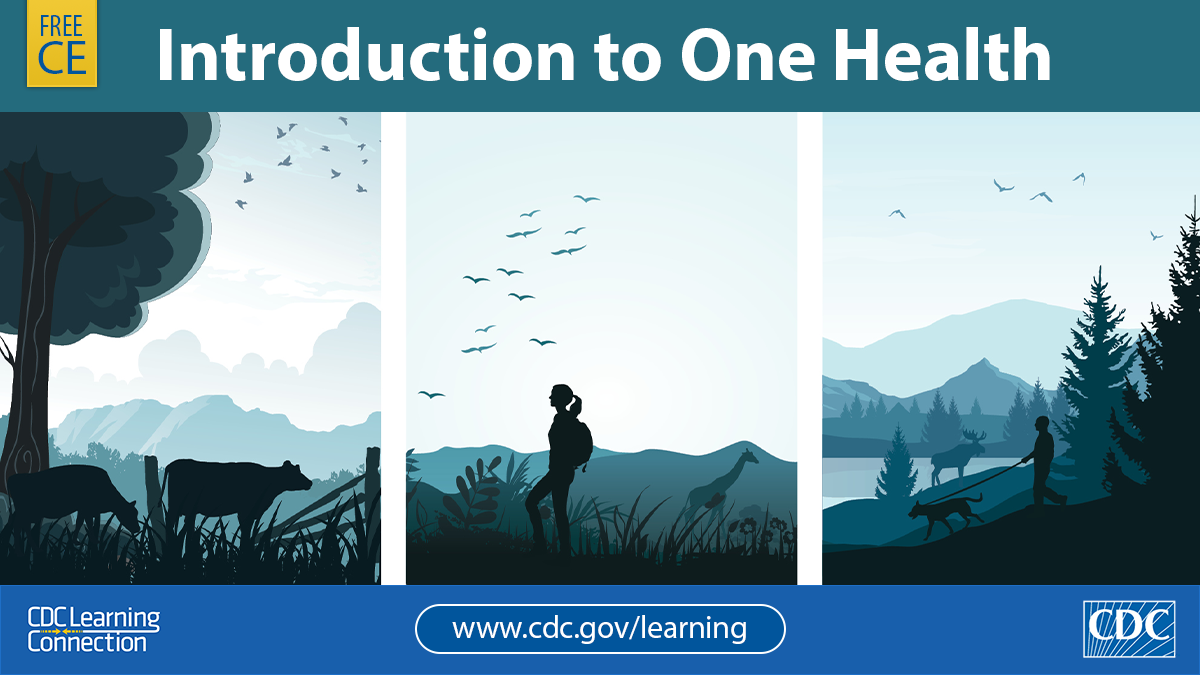
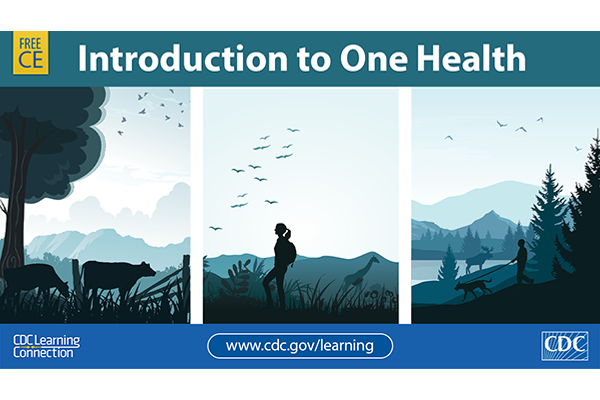
Have you heard the term “One Health” but aren’t quite sure what it means or how it is different from public health? This course introduces One Health (human-animal-environmental health) to the public health practitioner. Areas of focus include
zoonotic and vectorborne diseases, pollution and ecosystem change, comparative medicine, and human-animal-environment interactions. Multiple examples are provided, including for COVID-19. You’ll come away with a new perspective on health!
What you'll learn
After completing this course, you will be able to...
Define One Health
Provide examples of how humans, animals and the environment are interconnected
List the major competency areas for One Health practice
List four main topic areas of One Health and provide examples within each and their areas of overlapping
Describe multiple One Health aspects of COVID-19
Subject Matter Expert
Lynn Zanradi Blevins
Lynn Zanradi Blevins has been practicing public health in government and academic settings for 20 years in the areas of infectious disease, environmental health, emergency preparedness, and One Health (human-animal-environmental health).
Faculty Planning Committee
Lynn Blevins, MD, MPH - Faculty/Planning Committee has no relevant financial relationships to disclose and does not plan on discussing unlabeled/investigational uses of a commercial product
Karen McKenny, RN - CNE Course Advisor has no relevant financial relationships to disclose
Carmela Townsend, DNP, MS/MBA, RN, Accredited Provider Activity Director has no relevant financial relationships to disclose.
Naomi Moeller, BA, CHCP – Planning Committee has no relevant financial relationships disclose.
Enrollment and Contact Hours
Select the Enroll button below to register for the course. If you have any trouble accessing the course, contact support@nephtc.org.
Acknowledgement:
This project is/was supported by the Health Resources and Services Administration (HRSA) of the U.S. Department of Health and Human Services (HHS) under grant number UB6HP31685 “Regional Public Health Training Center Program.” This information or content and conclusions are those of the author and should not be construed as the official position or policy of, nor should any endorsements be inferred by HRSA, HHS or the U.S. Government.
Disclosure Policy:
Boston University School of Medicine asks all individuals involved in the development and presentation of Accredited Continuing Education activities to disclose all financial relationships with ineligible companies. This information is disclosed to all activity participants prior to the start of the educational activity. Boston University School of Medicine has procedures to mitigate all relevant financial relationships with ineligible companies. In addition, faculty members are asked to disclose when any unapproved use of pharmaceuticals and devices is being discussed.
In accordance with the Standards for Integrity and Independence in Accredited Continuing Education, all relevant financial relationships with ineligible companies that faculty, planners, authors and anyone who may be in control of content have been mitigated.
Disclaimer:
THIS CONTINUING MEDICAL EDUCATION PROGRAM IS INTENDED SOLELY FOR EDUCATIONAL PURPOSES FOR QUALIFIED HEALTH CARE PROFESSIONALS. IN NO EVENT SHALL BOSTON UNIVERSITY BE LIABLE FOR ANY DECISION MADE OR ACTION TAKEN IN RELIANCE ON THE INFORMATION CONTAINED IN THE PROGRAM. IN NO EVENT SHOULD THE INFORMATION CONTAINED IN THE PROGRAM BE USED AS A SUBSTITUTE FOR PROFESSIONAL CARE. NO PHYSICIAN-PATIENT RELATIONSHIP
* Yale School of Public Health, Office of Public Health Practice, a New England Public Health Training Center partner, is a designated provider of continuing education contact hours (CECH) in health education by the National Commission for Health Education Credentialing, Inc. All CHES credit inquiries are managed by YSPH
How can Community Health Workers effectively support individuals with respiratory
conditions as air quality worsens and extreme weather events become more
frequent?
Course Information
Audience:All public health professionals, including community health workers, working in nonprofits, healthcare, educational institutions, government and private sector
Format:Self-Paced
Price:Free
Length:1 hour
Credential(s) eligible for contact hours:N/A
Competencies:Health Equity Skills, Public Health Science Skills, Leadership and Thinking Systems Skills
Discover how worsening air quality impacts respiratory
health and learn actionable strategies to support individuals in managing respiratory
conditions. This interactive session will provide Community Health Workers with
essential tools to reduce exposure to air pollutants and deliver effective care
in challenging environments.
What you'll learn
After completing the training, you will be able to...
Describe key strategies for community health workers to support
individuals with respiratory conditions in areas impacted by worsening air
quality and extreme weather.
Identify practical skills and tools community health workers can use
to address respiratory health emergencies, including effective communication
techniques and protective measures.
Discuss methods for collaborating with local
healthcare providers and environmental agencies to deliver coordinated care
during air quality crises.
Develop individualized respiratory health
management plans that consider individuals' unique needs and circumstances in
rural and underserved communities.
Subject Matter Expert
Maddie Blair, MPH Manager | Nationwide Health Promotions, American Lung Association
Enrollment and Contact Hours
Select the Enroll Me button below to register for this course. If you have any trouble accessing the recording, contact support@nephtc.org.
Acknowledgement: This project is supported by the Health Resources and Services Administration (HRSA) of the U.S. Department of Health and Human Services (HHS) as part of award 2 UB6HP31685‐05‐00 “Public Health Training Centers.” The contents are those of the author(s) and do not necessarily represent the official views of, nor an endorsement, by HRSA, HHS or the U.S. Government.
As a community health worker, are you prepared to provide your patients with essential resources and knowledge to combat vector-borne diseases?
Course Information
Audience:All public health professionals, including community health workers, working in nonprofits, healthcare, educational institutions, government and private sector
Format:Self-Paced
Price:Free
Length:1 hour
Credential(s) eligible for contact hours:N/A
Competencies:Health Equity Skills, Public Health Science Skills, Leadership and Thinking Systems Skills
This session will address the growing challenge of disease-carrying
vectors and their impact on Maine communities. You'll gain practical strategies
to prevent and control vector-borne diseases, equipping you with the knowledge
and resources to support the communities your health center serves.
This course is provided in partnership with Maine Public Health Association and Maine Primary Care Association
What you'll learn
After completing the training, you will be able to...
Understand the Epidemiology of Vector-Borne Diseases: Participants will be able to describe the
types and characteristics of vectors responsible for disease transmission
in Maine, including their habitats, life cycles, and the diseases they
carry.
Identify Prevention Strategies: Attendees will learn and evaluate various strategies for
preventing vector-borne diseases, such as personal protective measures,
environmental management, and community-level interventions.
Implement Effective Control Measures: Health professionals will gain practical
knowledge on how to implement and promote effective vector control
measures, including the use of insecticides, habitat modification, and
public education campaigns.
Utilize Resources and Support Systems: Participants will be equipped with
information on available resources and support systems.
Subject Matter Expert
Megan Porter
Megan Porter is a veterinarian and an Infectious Disease Health Educator at Maine CDC. She received her DVM from Michigan State University in 2017. Prior to moving to Maine, she studied the biology and ecology of deer ticks in Michigan, working with veterinarians to collect ticks from companion dogs to map the invasion of deer ticks in the state. Megan’s current work as a Health Educator involves translating current science and public health recommendations for infectious diseases into messages that are relevant and easy to apply to Mainer’s everyday lives.
Enrollment and Contact Hours
Select the Enroll Me button below to register for this course. If you have any trouble accessing the recording, contact support@nephtc.org.
Acknowledgement: This project is supported by the Health Resources and Services Administration (HRSA) of the U.S. Department of Health and Human Services (HHS) as part of award 2 UB6HP31685‐05‐00 “Public Health Training Centers.” The contents are those of the author(s) and do not necessarily represent the official views of, nor an endorsement, by HRSA, HHS or the U.S. Government.
As a community health worker, how can you effectively support older adults in rural areas
during health emergencies caused by extreme weather events?
Course Information
Audience:All public health professionals, including community health workers, working in nonprofits, healthcare, educational institutions, government and private sector
Format:Self-Paced
Price:Free
Length:1 hour
Credential(s) eligible for contact hours:N/A
Competencies:Health Equity Skills, Public Health Science Skills, Leadership and Thinking Systems Skills
Join us for Disaster Preparedness and Response 101, a
session designed to enhance support for older adults in rural areas during
extreme weather emergencies. This session will provide Community Health Workers
with the skills needed to respond effectively to health emergencies, foster
collaboration with emergency management agencies and healthcare providers for a
coordinated response and
develop personalized disaster plans tailored to individual needs.
What you'll learn
After completing the training, you will be able to...
1.
Describe key strategies for
Community Health Workers to effectively support older adults in rural areas
during extreme weather emergencies.
2.
Identify practical skills and tools community health workers
can use to respond to health emergencies associated with disasters, including
communication techniques and safety measures.
3.
Discuss methods for collaborating with
local emergency management agencies and healthcare providers to create a
coordinated disaster response tailored to the needs of older adults.
4.
Develop individualized disaster preparedness
plans that consider the unique health needs and circumstances
of older adults living in rural communities.
Dr. Christine Riedy is the Delta Dental of Massachusetts Associate Professor in Oral Public Health and Epidemiology at the Harvard School of Dental Medicine. She is also a psychologist and health services researcher. Dr Riedy oversees the development of the training and the technical assistance modules, the testing with the Learning Collaborative, and the plan for dissemination. Her previous research has been primarily focused on the understanding and prevention of dental caries, particularly in underserved and diverse populations. Dr. Riedy's previously funded studies (HRSA, NIH-NIDCR) focused on the intergenerational aspect of dental disease and behavioral strategies for promoting prenatal dental visits to potentially prevent the initial transmission of infection between mothers and their children. Dr. Riedy’s more recent focus has been on the integration of health care, particularly medical, dental, and behavioral integration. She sits on the Advisory Board for the Harvard School of Dental Medicine Initiative to Integrate Oral Health and Medicine. Dr. Riedy has current funding from HRSA related to the integration of oral health and general health. She is the Lead PI/PD on a HRSA-funded cooperative agreement, “Center for Evaluating Integration of Oral Health into Primary Care Training”. Dr. Riedy draws experience from her extensive work with vulnerable and underserved populations and her current work developing oral health competencies for primary caregivers.
Tiffany Kehayoglou Sarkissian
Tiffany Kehayoglou Sarkissian joined NCECE in 2021 from the Harvard School of Dental Medicine Office of Continuing Professional Education. Prior to joining HSDM, she held a research assistant position within Harvard Chan School of Public Health's Department of Environmental Health. Tiffany serves as the Communications Coordinator for NCECE, overseeing health center outreach and engagement, and contributing to the Center's publications and learning activities. She has an extensive background in communications, higher education, writing, and physical fitness/wellness programming, and has a lifelong passion for helping disadvantaged populations. Tiffany also holds a communications role with the Harvard School of Dental Medicine Initiative to Integrate Oral Health and Medicine, to spread awareness of the integration of oral health and overall health.
Juliette Provost
Juliette Provost serves as the Staff Assistant at NCECE, providing administrative support for the Center’s activities and day-to-day operations. She joins us from Simmons University where she earned a BA in English and served as an Office Assistant to Accessibility Services and was the Senior Administrative Assistant to the CIO.
Enrollment and Contact Hours
Select the Enroll Me button below to register for this course. If you have any trouble accessing the recording, contact support@nephtc.org.
Acknowledgement: This project is supported by the Health Resources and Services Administration (HRSA) of the U.S. Department of Health and Human Services (HHS) as part of award 2 UB6HP31685‐05‐00 “Public Health Training Centers.” The contents are those of the author(s) and do not necessarily represent the official views of, nor an endorsement, by HRSA, HHS or the U.S. Government.


 Kate Beever



 Andrew Zarro







 d Program 2023-202
 d Program 2023-202


















 Maddie Blair, MPH