
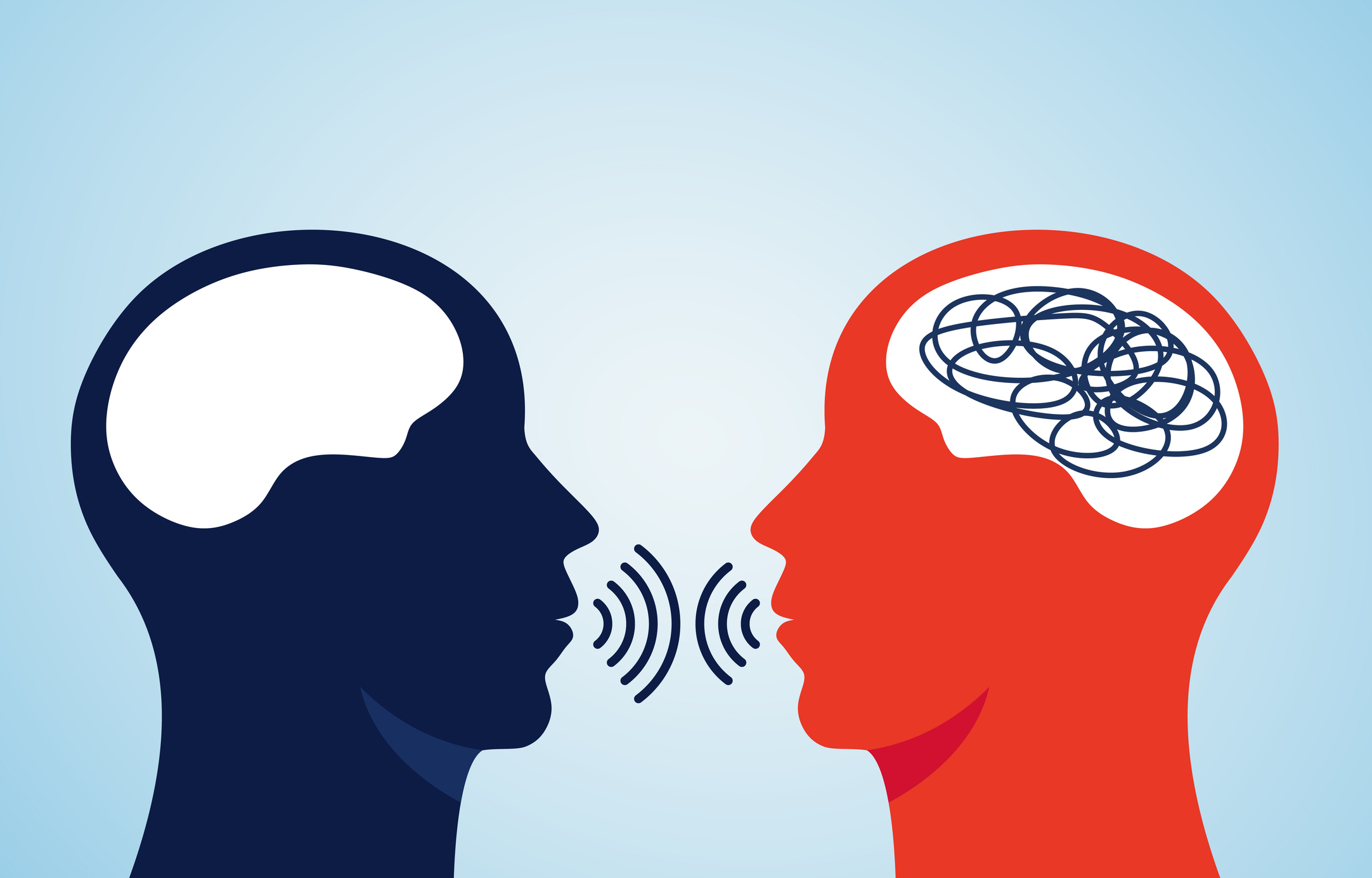
Trauma-Informed Conversations
What does resiliency-building look like in the context of your everyday conversations with clients?


Course Information
- Audience: Community Health Workers, CHW Supervisors, Health Education Professionals
- Format: Self-paced
- Price: Free
- Length: 1 hour
- Credential(s) eligible for contact hours:Certificate of completion
- Competencies: Communication Skills
- Learning Level: Awareness
- Companion trainings:
- Pre-requisites: None
- Technical Requirements: This training was created with Articulate Storyline. Please refer to the Articulate 360 System Specifications to ensure your system meets the minimum requirements for viewing.
About this course
Community Health Workers (CHWs) regularly support individuals and families who have experienced trauma—whether related to health, violence, loss, displacement, discrimination, or systemic barriers. This course introduces Trauma-Informed Conversations (TIC) through a CHW lens, focusing on practical strategies to build safety, trust, and empowerment while avoiding re-traumatization. Learners will explore how trauma shows up in everyday interactions and how CHWs can respond with compassion, boundaries, and resilience.
By the end of this course, you’ll have a stronger understanding of how to have trauma-informed conversations with your clients. You’ll also learn practical strategies to build trust, communicate with care, and create a space where clients feel supported and respected.
Learning objectives
After completing the training, you will be able to:
- Outline the characteristics of a trauma-informed conversation.
- Recognize common signs, signals (triggers), and stress responses related to trauma, and explain how different types of stress affect the brain and behavior.
- Apply the six core strategies of trauma-informed conversations to real-world CHW interactions.
- Use trauma-informed communication skills that promote safety, trust, collaboration, and client choice, including open-ended questions, reflective listening, and non-judgmental responses.
- Recognize situations that require boundaries when having trauma-informed conversations.
Subject Matter Experts
This course had been updated by WePair Health as of 2026. WePair Health is the first AI-enabled career marketplace, built by and for Community Health Workers and Doulas.Enrollment and Contact Hours
Select the Enroll button below to register for the course. If you have any trouble accessing the course, contact support@nephtc.org.
Acknowledgement:
This project is/was supported by the Health Resources and Services Administration (HRSA) of the U.S. Department of Health and Human Services (HHS) under grant number UB6HP31685 “Regional Public Health Training Center Program.” This information or content and conclusions are those of the author and should not be construed as the official position or policy of, nor should any endorsements be inferred by HRSA, HHS or the U.S. Government.